Why More New York Families Choose In-Home Care: 10 Benefits That Matter Most (2026)
Why More New York Families Choose In-Home Care: 10 Benefits That Matter Most (2026)d

When Caring for a Parent Starts to Feel Different
For many families, the shift does not happen all at once.
At first, the changes are small.
A parent forgets a medication. The refrigerator is emptier than it should be. Walking across the apartment seems slower. A neighbor mentions that your mother looked confused in the hallway. A fall happens, but your father insists he is “fine.”
Then the questions begin.
What happens if they fall again?
Who makes sure they are eating properly?
What if they forget medications?
What happens after a hospital stay if no one can be there every day?
For many New York families, this is the moment they begin exploring in-home care.
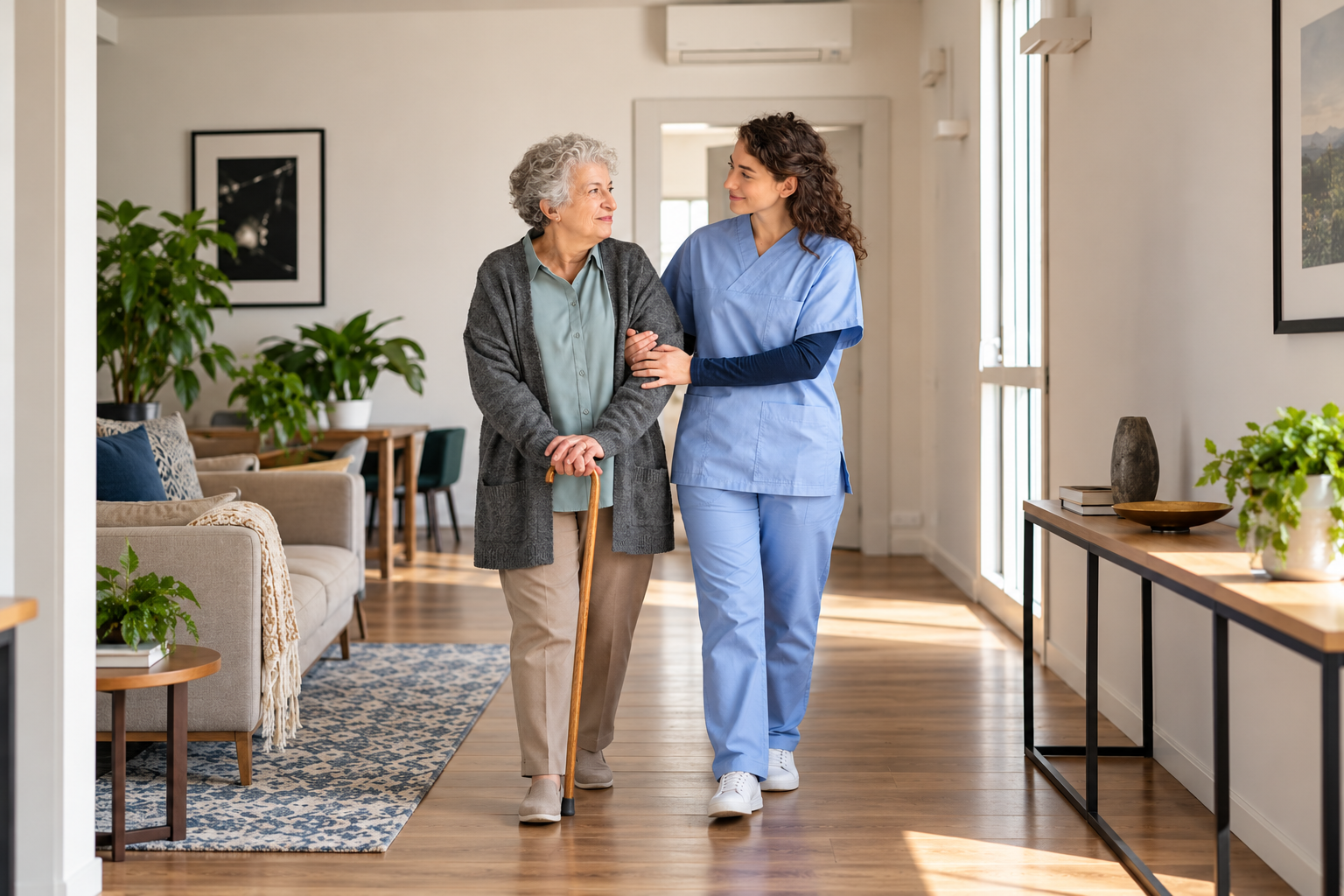
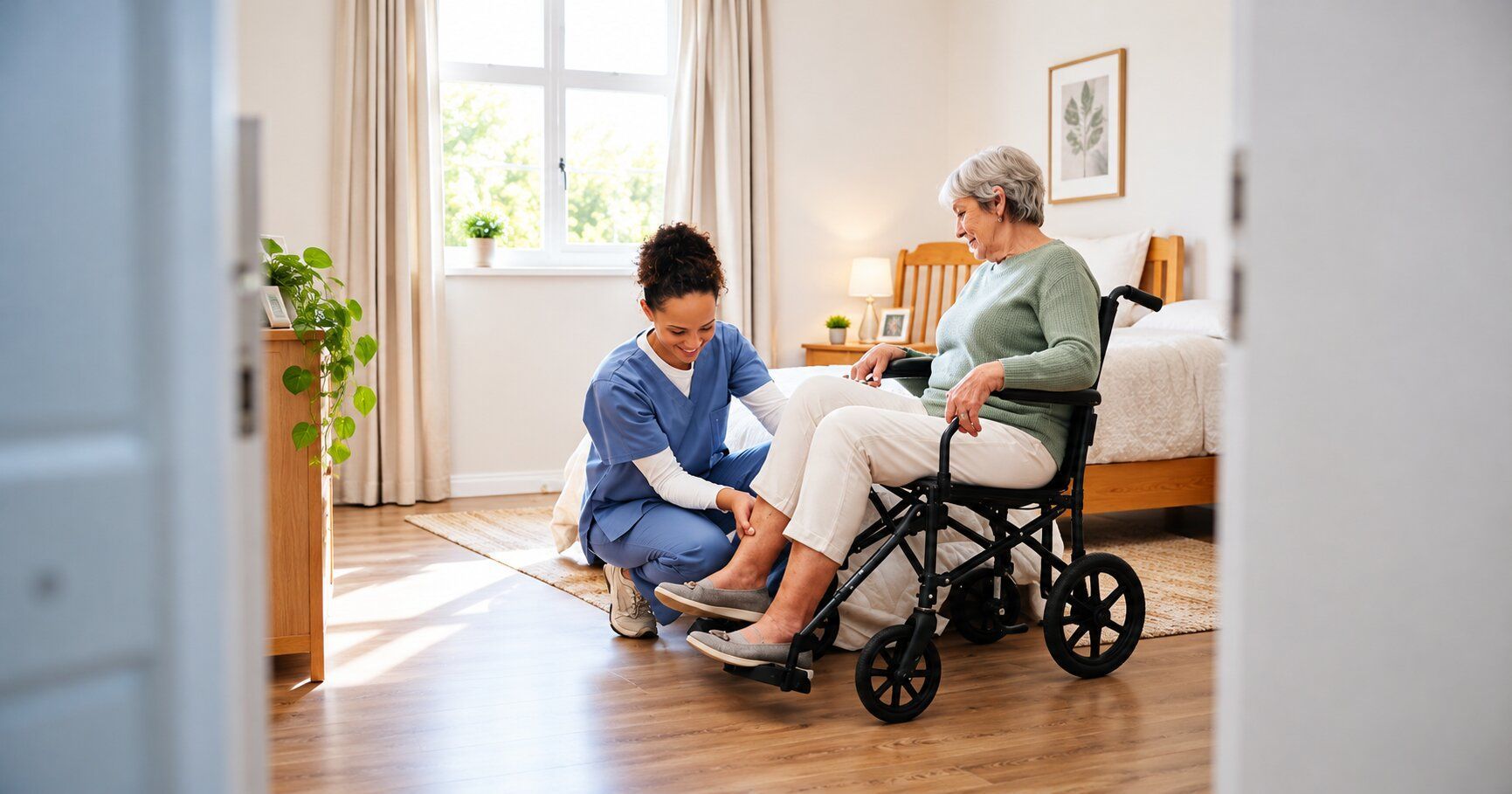
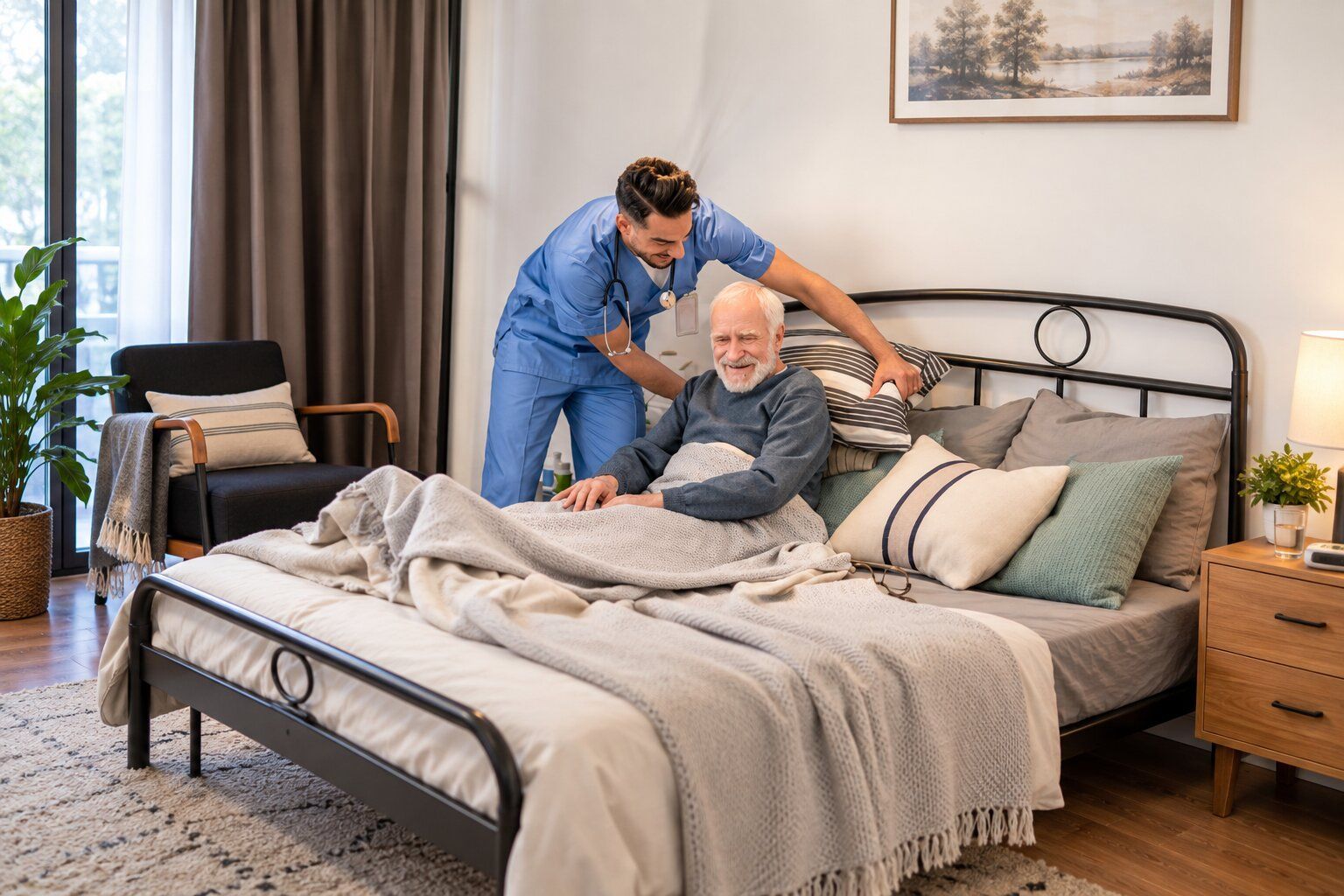
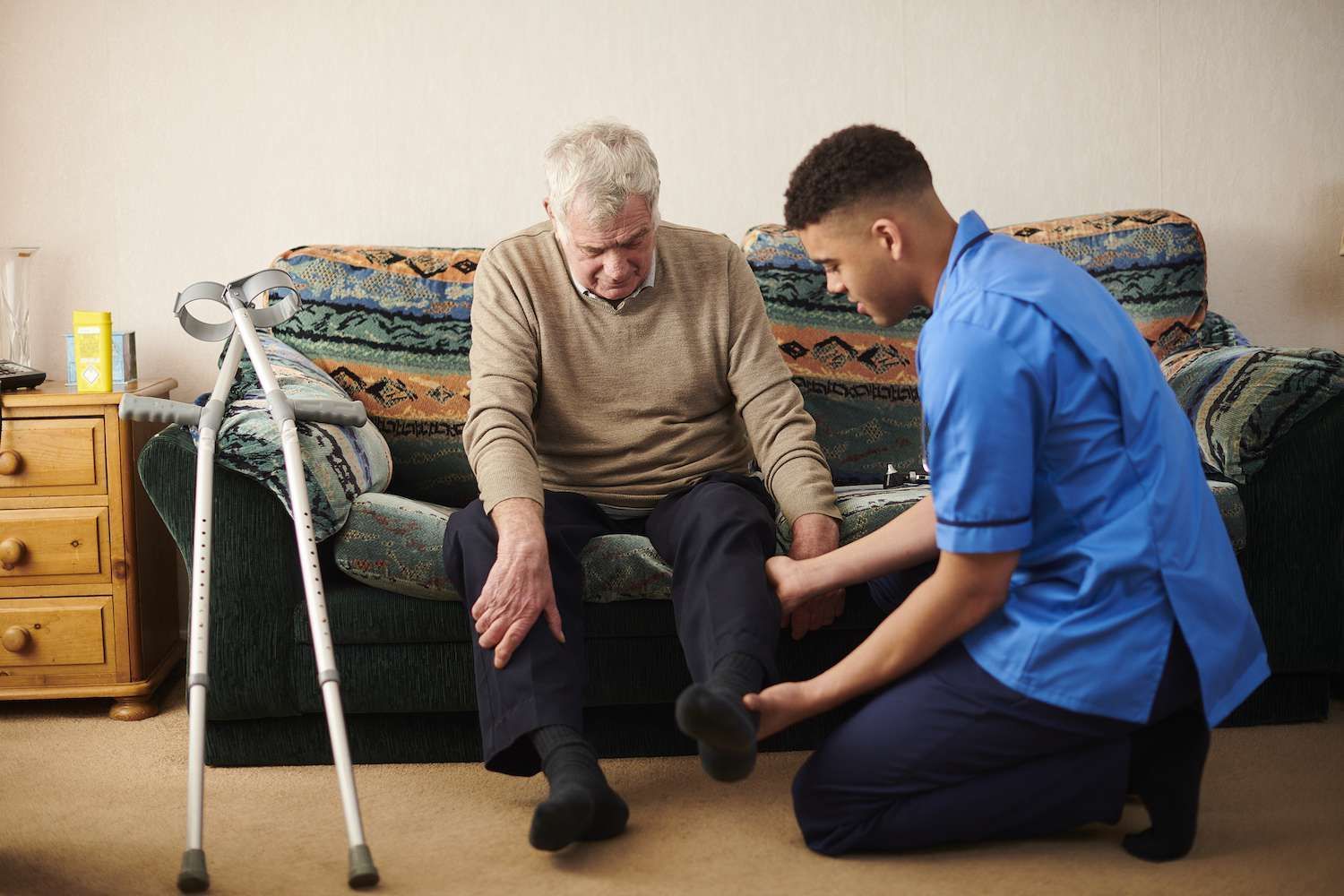
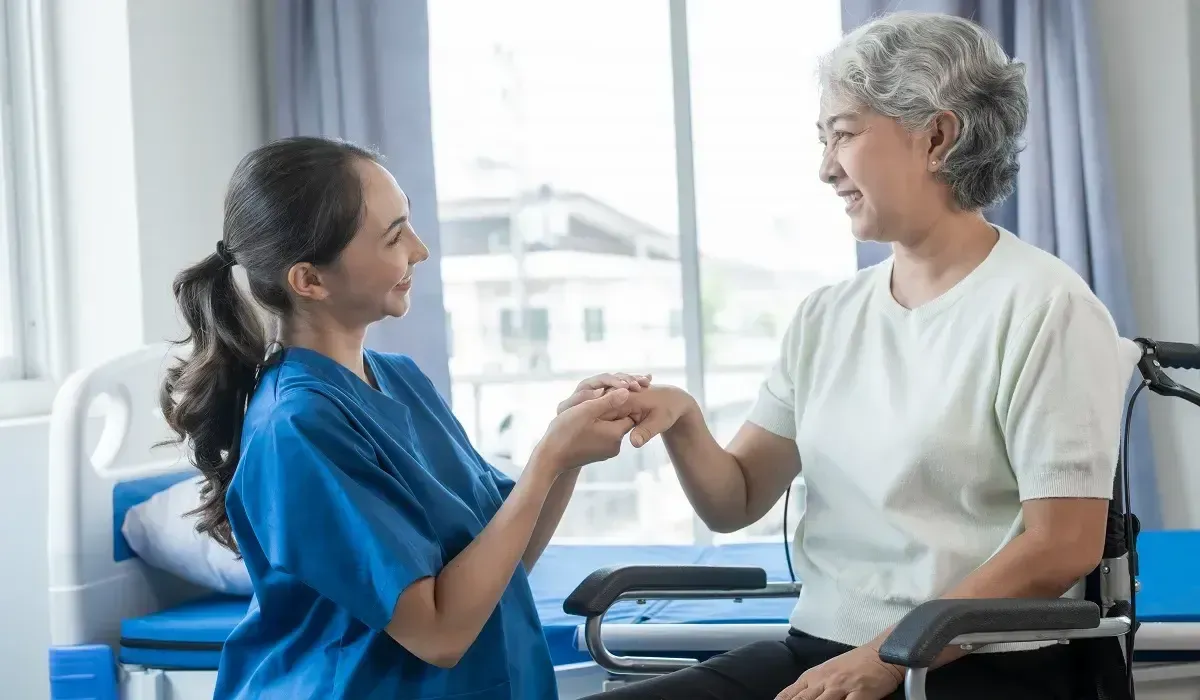
Instead of moving a loved one into assisted living or a nursing facility, in-home care brings professional caregivers directly into the home. Seniors receive help with daily routines, mobility, recovery, safety, and companionship while continuing to live in familiar surroundings.
Across New York — from families comparing options in Manhattan to those searching for support in Queens or Long Island communities like Lynbrook — more people are choosing in-home care because it protects independence while providing real support.
If your family is beginning to ask these questions, call
(516) 408-0034 to discuss care options.
Many families say they wish they had reached out sooner.
You can also explore our Complete Guide to In-Home Care Services in New York to learn more about care options, costs, and how to choose the right provider.
Why In-Home Care Is Growing Across New York
For decades, nursing homes were often seen as the next step when seniors needed help.
Today, many families want a different approach.
Most older adults prefer to
age in place, meaning they want to remain in the homes and neighborhoods they know.
And that preference makes sense.
Home provides familiarity. It provides stability. It preserves routines that have been part of daily life for decades.
In-home care allows families to respect that preference while still providing professional support.
Depending on the situation, care may involve:
- a few hours of daily assistance
- companionship and routine support
- recovery care after surgery
- supervision for memory loss
- overnight assistance
- live-in or 24-hour care
For many families, this flexibility creates the ideal middle ground between managing everything alone and moving a loved one into a facility.
10 Benefits of In-Home Care for Seniors in New York
1. Seniors Can Remain in the Comfort of Their Own Home
The most important benefit of in-home care is also the simplest.
Seniors can stay home.
They continue sleeping in their own bed, eating in their own kitchen, and following routines they have built over decades. This familiarity often reduces stress and helps maintain emotional stability.
For older adults — especially those experiencing memory changes or recovering from illness — remaining in familiar surroundings can significantly improve quality of life.
2. Care Is Personalized to Each Individual
In-home care is built around the person receiving care.
Every senior has different needs, health conditions, routines, and preferences.
A caregiver may assist with:
- bathing and grooming
- medication reminders
- meal preparation
- mobility support
- daily routines
- companionship
Unlike facility settings where staff must divide their attention across many residents, in-home care focuses entirely on one individual.
3. Support for Seniors Living With Alzheimer’s or Dementia
Memory loss can make everyday life confusing and stressful.
Caregivers trained in
dementia support help create structure and reassurance throughout the day. They assist with reminders, routines, meals, and supervision while helping seniors remain calm and comfortable in familiar surroundings.
A Forest Hills family contacted us when their father’s Alzheimer’s symptoms began affecting daily safety. He had lived in the same Queens apartment for more than thirty years and strongly resisted the idea of moving anywhere else.
His daughter worked full-time in Manhattan and worried constantly about whether he had eaten or taken his medications.
After arranging daytime care, she later said:
"Dad is still in the apartment he loves. The caregiver keeps his routine steady and makes sure he’s safe. I only wish we had started before the crisis."
If memory loss is becoming part of your family’s situation, learn more about Alzheimer’s & Dementia Care.
If memory changes are affecting safety, call (516) 408-0034 to discuss care options.
4. Safer Recovery After Hospital Discharge
Hospital discharge is one of the most common reasons families begin home care.
A loved one may be medically stable but still need help managing daily routines during recovery.
Caregivers can assist with:
- medication reminders
- mobility support
- meal preparation
- transportation to appointments
- supervision during recovery
Having help during this period can reduce complications and prevent hospital readmissions.
Planning a hospital discharge? Call
(516) 408-0034 to arrange care before your loved one returns home.
You can also explore:
- 24-Hour Home Care
- Live-In Home Care
5. Fall Prevention and Improved Safety
Falls are one of the leading causes of injury among older adults.
Caregivers help reduce risk by assisting with movement, monitoring safety, and helping seniors navigate daily activities safely.
Sometimes the biggest difference is simply having someone present to provide support when needed.
Many families begin exploring home care after a fall, but starting earlier can help prevent serious injuries.
6. Companionship and Emotional Support
Loneliness is a major challenge for many seniors, especially those living alone.
A caregiver’s presence provides regular conversation, companionship, and engagement.
This might include:
- sharing meals
- taking walks
- playing games
- helping with hobbies
- accompanying seniors to appointments
Emotional well-being is just as important as physical care.
7. Flexible Care That Adapts Over Time
One of the biggest advantages of in-home care is flexibility.
Families can start with a few hours of support each week and increase care as needs change.
Some seniors require only temporary help during recovery. Others may gradually transition to full-time care.
The ability to adjust care plans makes home care far more adaptable than many facility options.

8. Support With Everyday Tasks
Daily activities that once felt simple can become difficult with age.
Caregivers assist with tasks such as:
- cooking
- cleaning
- bathing
- dressing
- organizing medications
This support allows seniors to maintain independence while receiving help when necessary.
9. Relief for Family Caregivers
Family caregiving is often overwhelming.
Many adult children are balancing careers, children, and aging parents at the same time.
An Upper West Side daughter once described trying to care for her mother while raising two school-age children as “running between two households every day.”
After arranging weekday care she said:
"Now I can focus on spending meaningful time with Mom instead of trying to manage every detail."
Professional caregivers allow families to return to their role as sons and daughters rather than full-time caregivers.
Call (516) 408-0034 to discuss how home care can relieve pressure on your family.
10. Peace of Mind for Families
Perhaps the most important benefit of in-home care is peace of mind.
Families know someone is present to monitor safety, help with routines, and respond if problems arise.
That reassurance can transform daily life for both seniors and their loved ones.
When Should Families Consider In-Home Care?
Many families wait until a crisis.
A fall. A hospitalization. A frightening incident.
But care often works best when it begins earlier.
Consider exploring home care if you notice:
- frequent forgetfulness
- missed medications
- falls or mobility issues
- poor nutrition or weight loss
- isolation or loneliness
- difficulty managing daily tasks
- increasing confusion
- exhaustion among family caregivers
Families often tell us:
“We wish we had started sooner.”
Even a few hours of weekly support can make a meaningful difference.

Choosing the Right Home Care Agency in New York
Choosing a provider requires careful research.
Families should ask important questions such as:
- How are caregivers screened?
- What training do caregivers receive?
- How are care plans supervised?
- What happens if a caregiver is unavailable?
- How does the agency communicate with families?
A trusted provider should make the situation feel clearer, not more complicated.
Home Health Aide vs In-Home Caregiver
Families often hear both terms.
An
in-home caregiver typically provides non-medical assistance with daily activities such as meals, mobility, reminders, and companionship.
A
Home Health Aide (HHA) may provide more hands-on personal care, including bathing, dressing, and mobility assistance.
The most important factor is matching the caregiver’s training to the senior’s needs.
Frequently Asked Questions
What services does in-home care include?
Services typically include personal care, meal preparation, medication reminders, mobility assistance, companionship, and safety supervision based on individual needs.
When should seniors consider home care?
Home care should be considered when daily tasks become difficult, safety concerns increase, or family caregivers cannot provide consistent support.
Does Medicare cover in-home care?
Medicare generally does not cover non-medical home care. Medicaid may cover certain services for eligible individuals.
Can home care start with only a few hours?
Yes. Many families begin with part-time care and increase support as needed.
How do families know how much care is needed?
A professional consultation can help determine the appropriate level of support.
Finding the Right Home Care Support in New York
Caring for an aging loved one can feel overwhelming, but the right support can make an enormous difference.
In-home care allows seniors to remain in familiar surroundings while receiving professional assistance with the parts of daily life that have become difficult.
For families across New York — from Manhattan to Queens to Long Island communities like Lynbrook — professional caregivers provide the structure, safety, and companionship that make aging at home possible.
Call 7 Day Home Care at (516) 408-0034 to discuss care options for your loved one.
You may also find these helpful resources:
- Complete Guide to In-Home Care Services in New York
- 24-Hour Home Care
- Live-In Home Care
- Alzheimer’s & Dementia Care
- Home Care in Manhattan
- Home Care in Queens
- Home Care in Lynbrook
Professional home care is not about taking independence away.
It is about protecting it for as long as possible.