10 Best Sleep Tips for Seniors: How to Improve Sleep Naturally and Safely
10 Best Sleep Tips for Seniors: How to Improve Sleep Naturally and Safely

Why Sleep Problems Are Common in Seniors
Sleep changes with age—but poor sleep is not something seniors should simply accept.
As people get older, the body produces less melatonin, sleep becomes lighter, and circadian rhythms shift earlier. These changes can lead to:
- Difficulty falling asleep
- Waking up frequently at night
- Early morning waking
- Daytime fatigue
However, persistent poor sleep often has underlying causes that can be improved with the right approach.
Common Causes of Sleep Problems in Older Adults
Understanding the cause is the first step to improving sleep.
Biological Changes
- Reduced melatonin production
- Lighter sleep cycles
- Shifted circadian rhythm
Lifestyle Factors
- Low daytime activity
- Limited sunlight exposure
- Irregular sleep schedules
Medical and Health Factors
- Sleep apnea (common but underdiagnosed)
- Frequent urination (nocturia)
- Chronic pain or discomfort
- Medication side effects
- Anxiety, depression, or loneliness
10 Proven Sleep Tips for Seniors
Keep a Consistent Sleep Schedule
Going to bed and waking up at the same time every day helps regulate the body’s internal clock.
Get Daily Natural Light (Preferably Outdoors)
Exposure to natural daylight—especially in the morning—helps regulate circadian rhythm.
Outdoor light is significantly more effective than indoor lighting.
Limit Long or Late Naps
Short naps (20–30 minutes) can be helpful, but long or late naps may make it harder to fall asleep at night.
Create a Wind-Down Routine
A consistent bedtime routine signals the brain to prepare for sleep.
Examples include reading, soft music, or relaxation exercises.
Optimize the Bedroom Environment
- Keep the room cool, quiet, and dark
- Use comfortable bedding
- Minimize noise and disruptions
Eat Lighter, Earlier Dinners
Heavy meals close to bedtime may cause discomfort and disrupt sleep.
Manage Evening Fluid Intake
Reducing fluids shortly before bed may help limit nighttime bathroom trips.
Hydration needs vary—follow medical guidance if applicable.
Stay Physically Active During the Day
Even light activity like walking can improve sleep quality and help the body feel ready for rest.
Address Stress, Anxiety, and Loneliness
Emotional health plays a major role in sleep.
Regular conversation, companionship, and calming activities can improve nighttime rest.
Review Medications and Health Conditions
If sleep problems persist, medications or underlying conditions may be contributing.
Consult a healthcare provider for evaluation.
When Sleep Problems May Require Medical Attention
Some sleep issues should not be managed with lifestyle changes alone.
Seek medical guidance if your loved one experiences:
- Loud snoring or pauses in breathing (possible sleep apnea)
- Severe daytime sleepiness
- Frequent nighttime confusion or agitation
- Ongoing insomnia despite routine changes
- Falls related to fatigue or nighttime waking
Early evaluation can prevent more serious complications.
How In-Home Care Can Help Improve Sleep for Seniors
Maintaining consistent routines and monitoring subtle changes can be challenging for families.
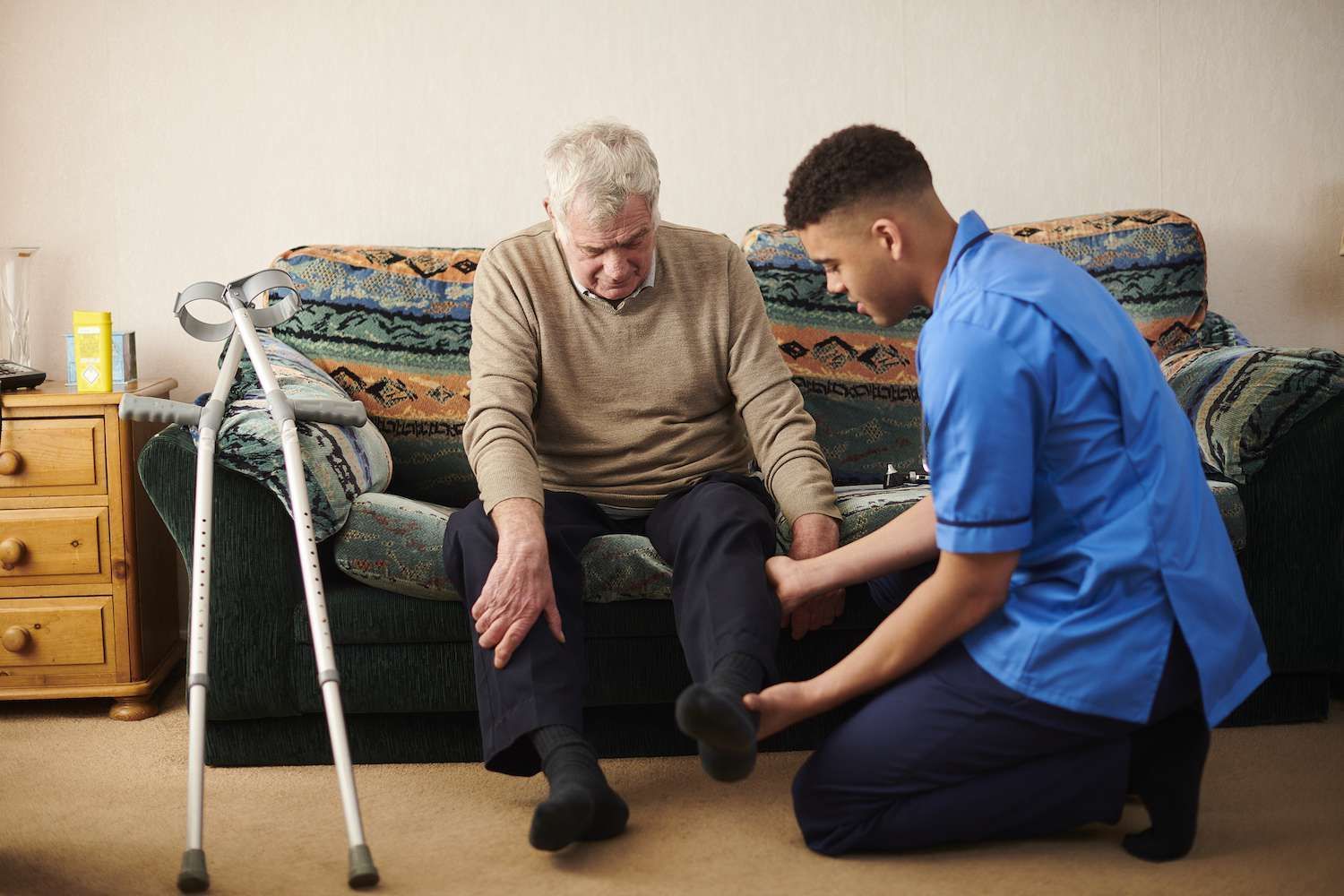
Professional caregivers can help by:
- Keeping consistent daily schedules
- Encouraging activity and sunlight exposure
- Assisting with safe nighttime routines
- Reducing fall risk during nighttime bathroom trips
- Providing companionship to reduce anxiety and loneliness
These small, consistent interventions often lead to meaningful improvements in sleep quality.

Sleep Support for Seniors in New York
For families in
Manhattan,
Queens,
Brooklyn, and
Long Island, having reliable support at home can make a significant difference.
7 Day Home Care provides experienced caregivers who help seniors maintain structured routines that support better sleep and overall wellbeing.
Whether care is needed hourly,
overnight, or 24/7, consistent support helps families stay proactive.
Frequently Asked Questions
Why do seniors wake up frequently at night?
Common causes include lighter sleep cycles, frequent urination, medications, or underlying conditions like sleep apnea.
How can seniors improve sleep naturally?
By maintaining a consistent routine, increasing daytime activity, managing diet, and creating a calm sleep environment.
Are sleep problems normal with aging?
Some changes are normal, but ongoing poor sleep is not and should be addressed.
Do naps affect nighttime sleep?
Yes. Long or late naps can reduce the body’s need for sleep at night.
Can home care help improve sleep?
Yes. Caregivers support routines, safety, and emotional wellbeing—all of which contribute to better sleep.
Important Disclaimer
This article is for informational purposes only and does not constitute medical advice.
7 Day Home Care provides non-medical home care services. Our caregivers do not diagnose or treat medical conditions. Always consult a licensed healthcare provider for medical concerns.