Mom Was Just Diagnosed with Dementia: What's the Next Step for NYC Families?
Mom Was Just Diagnosed with Dementia: What's the Next Step for NYC Families?

After a dementia diagnosis, the most important first steps are understanding the diagnosis, reviewing medications, making the home safer, starting legal and financial planning, building a support network, and considering home care early. You don't need to do all of this today — just the next right step.
You're sitting in the car, keys still in your hand. The appointment is over, but one word is still ringing in your ears: dementia. Your mom is in the passenger seat, maybe quieter than usual, maybe acting like nothing happened. Your mind is racing — What happens now? How fast will this move? Can she stay in her apartment? How am I supposed to do my job, raise my kids, and take care of her too?
First: breathe. There is no test you're failing and no clock you're losing. What you need right now isn't a hundred answers — it's a calm, simple roadmap for the days, weeks, and months ahead. That's exactly what this guide is, walked through the way a friend who's been through it would: one step at a time. Throughout, we'll show you where compassionate, professional help fits in when you're ready — for families across Manhattan, Queens, Brooklyn, and Long Island.
In This Guide
- Quick Checklist: What to Do After a Dementia Diagnosis
- First, Take a Breath: The Emotions Are Normal
- The First Few Days
- The First Few Weeks: Building a Plan
- The Next Few Months: Putting Support in Place
- Why Starting Care Early Makes a Difference
- How 7 Day Home Care Supports NYC Families
- Frequently Asked Questions
What to Do After a Dementia Diagnosis: A Quick Checklist
If you remember only one thing from this page, make it this list. Each step is explained in detail below, but here's the roadmap at a glance:
- Understand the diagnosis — know the type of dementia and what stage your parent is in.
- Review the medications — what they're for, how to take them, side effects, refills.
- Make the home safer — remove fall hazards, check alarms, simplify clutter.
- Start legal and financial planning — power of attorney and advance directives, with a professional's help.
- Build a support network — decide who to tell and lean on them.
- Consider home care early — introduce a caregiver while your parent can still adjust.
Keep this somewhere handy. Now let's walk through it together.
First, Take a Breath: The Emotions Are Normal
Shock, grief, guilt, and fear are all normal reactions to a dementia diagnosis — even though no one has died. Before any checklist, this matters just as much as any practical step.
You may feel a strange relief that there's finally a name for what's been happening. You might feel guilt for the times you got frustrated, snapped, or assumed your parent was just being stubborn when they forgot something. Please hear this clearly: those moments were the disease, not your failure, and not theirs. Dementia is caused by changes in the brain, and according to the
Centers for Disease Control and Prevention, it is not a normal part of aging — many older adults live their entire lives without developing it.
Many families also feel fear about the future and quiet panic about money, time, and energy. All of it is normal. None of it makes you a bad daughter or son. The families who cope best aren't the ones who feel calm from day one — they're the ones who give themselves permission to feel overwhelmed and then take the next small step anyway.

The First Few Days: What to Do Right After a Dementia Diagnosis
The first few days aren't about building a five-year plan. They're about understanding what you're dealing with and steadying yourself.
Understand the diagnosis and the medications
Make sure you know exactly what the doctor said. Dementia is an umbrella term — Alzheimer's disease is the most common type, but there are others, and they can progress differently. Ask which type your parent has, what stage they're in, and what to realistically expect in the near term.
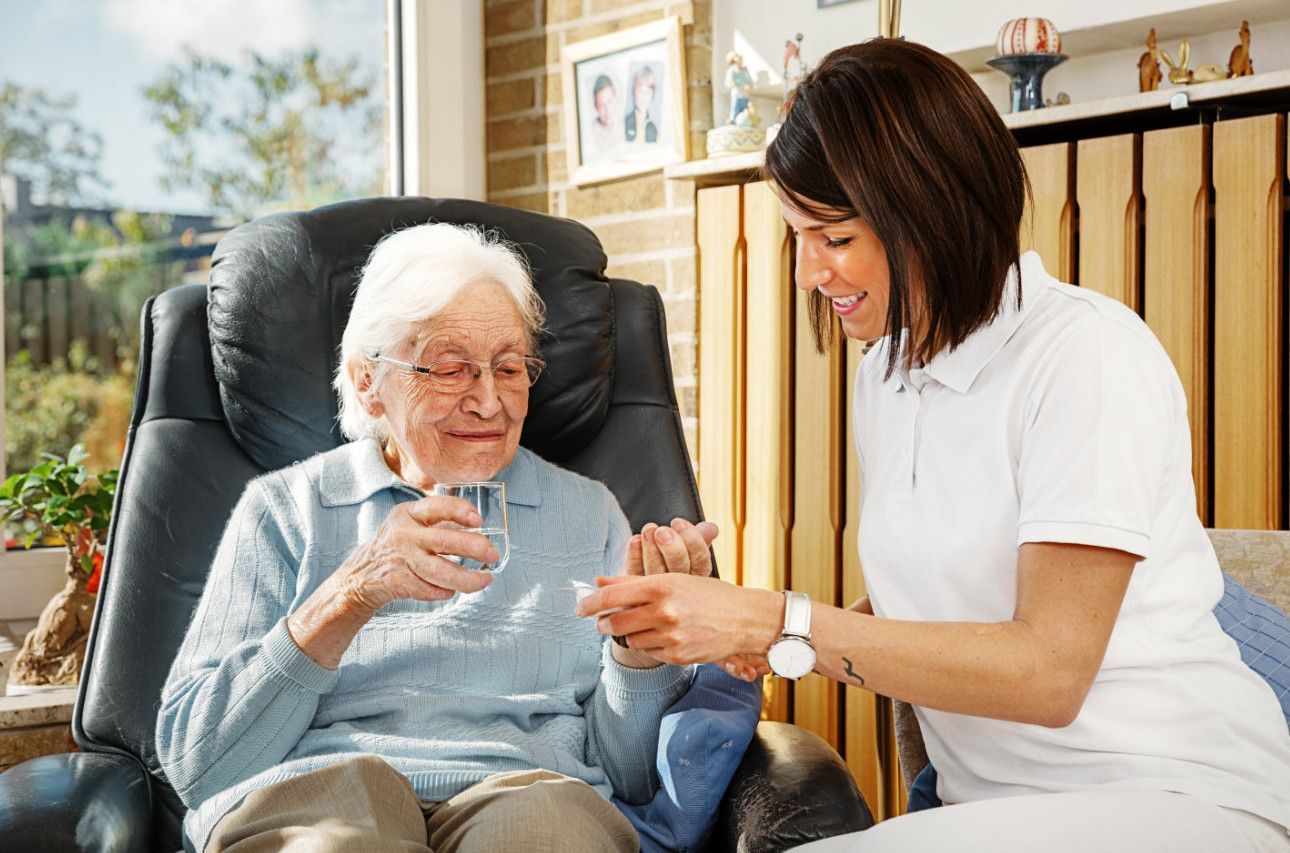
If medication was prescribed, write down what it's for, how and when to take it, possible side effects, and how to get refills. Clarity now prevents confusion later.
Write down your questions before the next appointment
You'll think of questions at 2 a.m. and forget them by morning. Keep a running note on your phone and bring it to the next visit. A few good ones to start with: What symptoms should we watch for? When should we worry? Is it still safe for Mom to drive? What support do you recommend at home?
Decide who to tell — and lean on them
You don't have to announce anything. But isolation makes this harder. Decide, ideally with your parent's input, who in the family and circle of friends should know. The more people who understand what's happening, the more support you can build — and the less you carry alone.
For a trusted, plain-language starting point on these early steps, the National Institute on Aging's
guide on steps to take after a dementia diagnosis is an excellent resource to bookmark.
The First Few Weeks: Building a Plan
Once the initial shock settles a little, the next few weeks are about gently getting organized. Take these one at a time — there's no prize for doing them all in a weekend.
Learn about the condition
Knowledge eases fear. Understanding how your parent's specific type of dementia tends to progress helps you anticipate changes instead of being blindsided by them. The Alzheimer's Association offers family-friendly education and 24/7 support — a good place to deepen your understanding a little at a time. You don't need to become an expert overnight.
Make the home safer
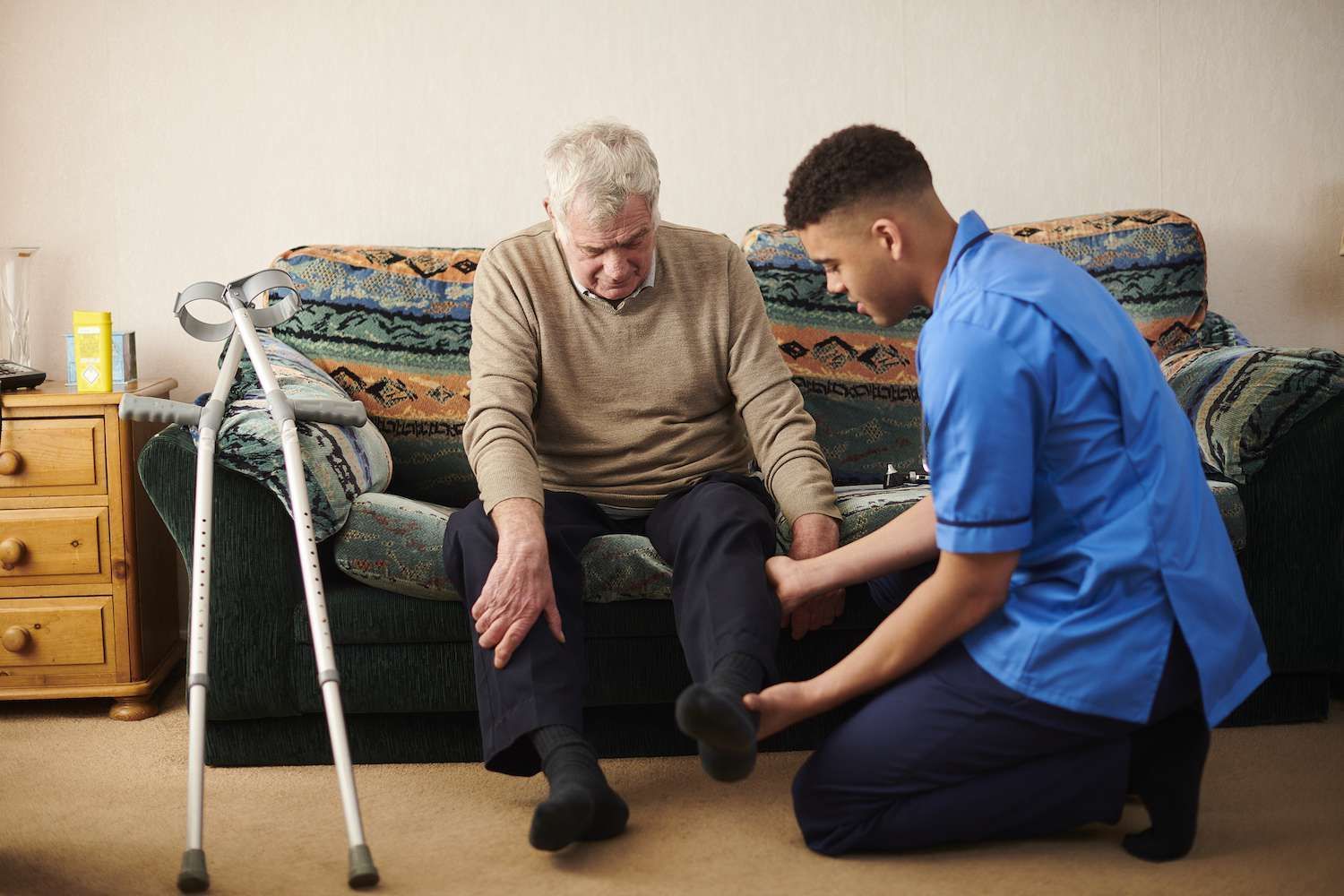
Small changes prevent big emergencies. Walk through your parent's home and look for risks: loose rugs and electrical cords that cause falls, a stove that gets left on, poor lighting in hallways, medications within easy reach. Add nonslip mats, check that smoke and carbon monoxide alarms work, and simplify cluttered spaces. These quiet adjustments can help keep your loved one safe at home longer.
Sort out the legal and financial basics
This is the part families most want to avoid, but handling it early — while your parent can still take part in decisions — is a real gift to everyone. Documents like a power of attorney and advance directives let your parent's wishes guide the future. 7 Day Home Care is a home care agency, not a law firm, so please work with an elder-law attorney or financial professional here. The point is simply to start the conversation now, gently, rather than during a future crisis.
The Next Few Months: Putting Support in Place
As weeks turn into months, most families reach a point where one person can no longer manage everything alone — and that's when in-home dementia support typically becomes part of the plan.
Recognize when daily help is needed
Watch for signs that supervision and hands-on help would make life safer: missed medications, trouble with bathing or dressing, getting lost on familiar routes, increasing confusion in the evenings, or a parent simply not being safe alone for long stretches. If you'd like a clear checklist, our guide on the signs a loved one with dementia shouldn't be left alone can help you feel confident about the timing.
Introduce a caregiver early — while your parent can still adjust
It's far easier to introduce a caregiver in the early stages than during a crisis. When a parent is still able to build familiarity and trust, a caregiver becomes a welcome companion rather than a stranger who appeared overnight.
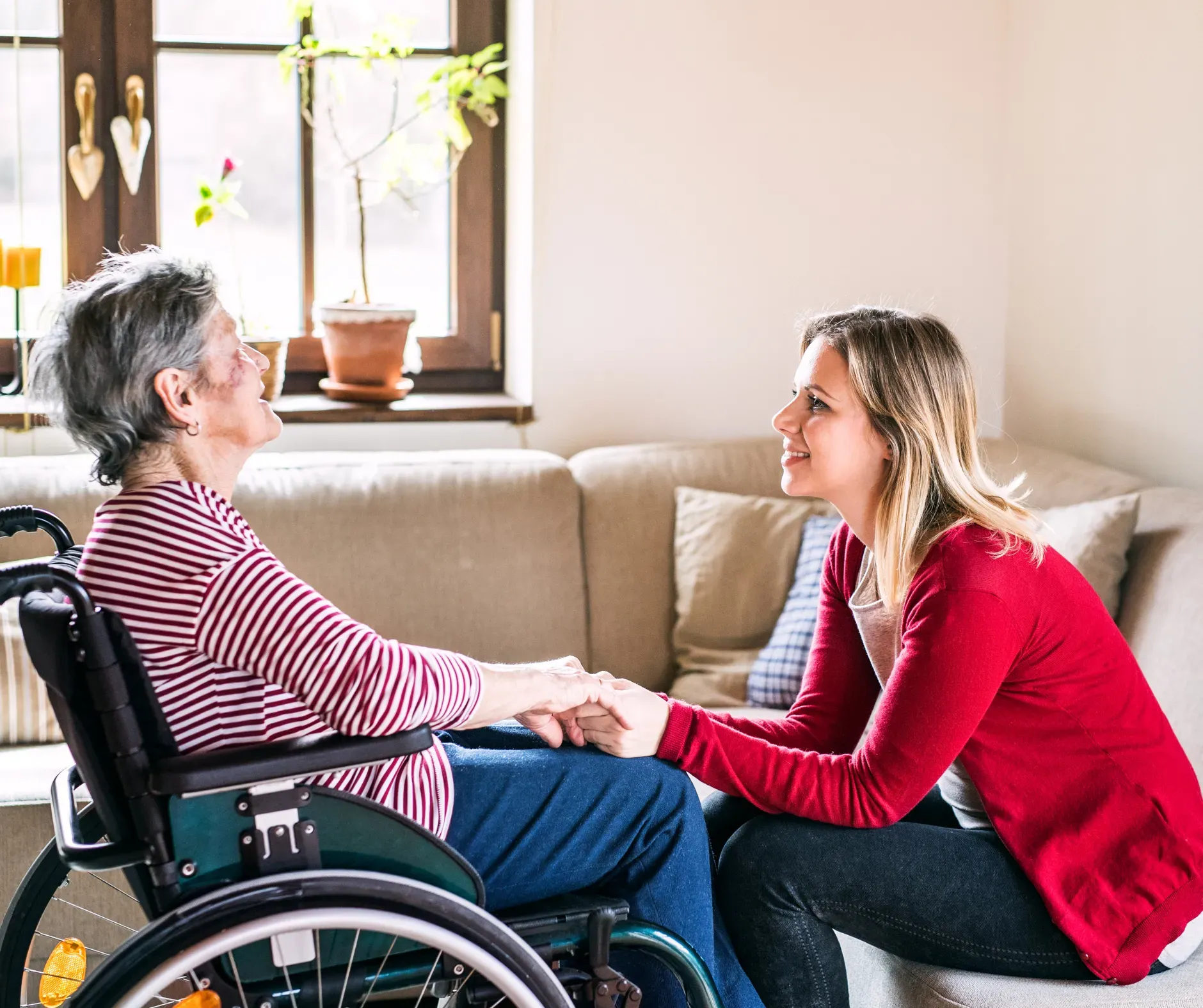
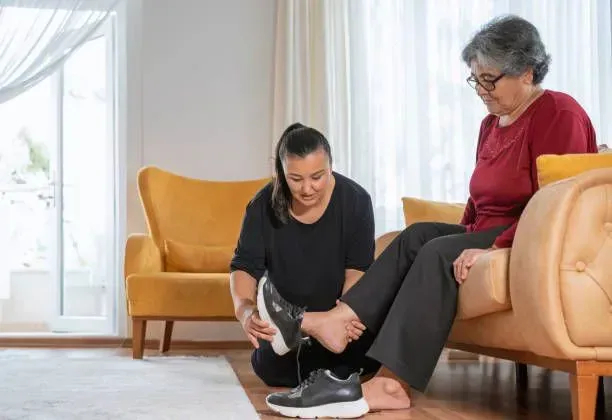
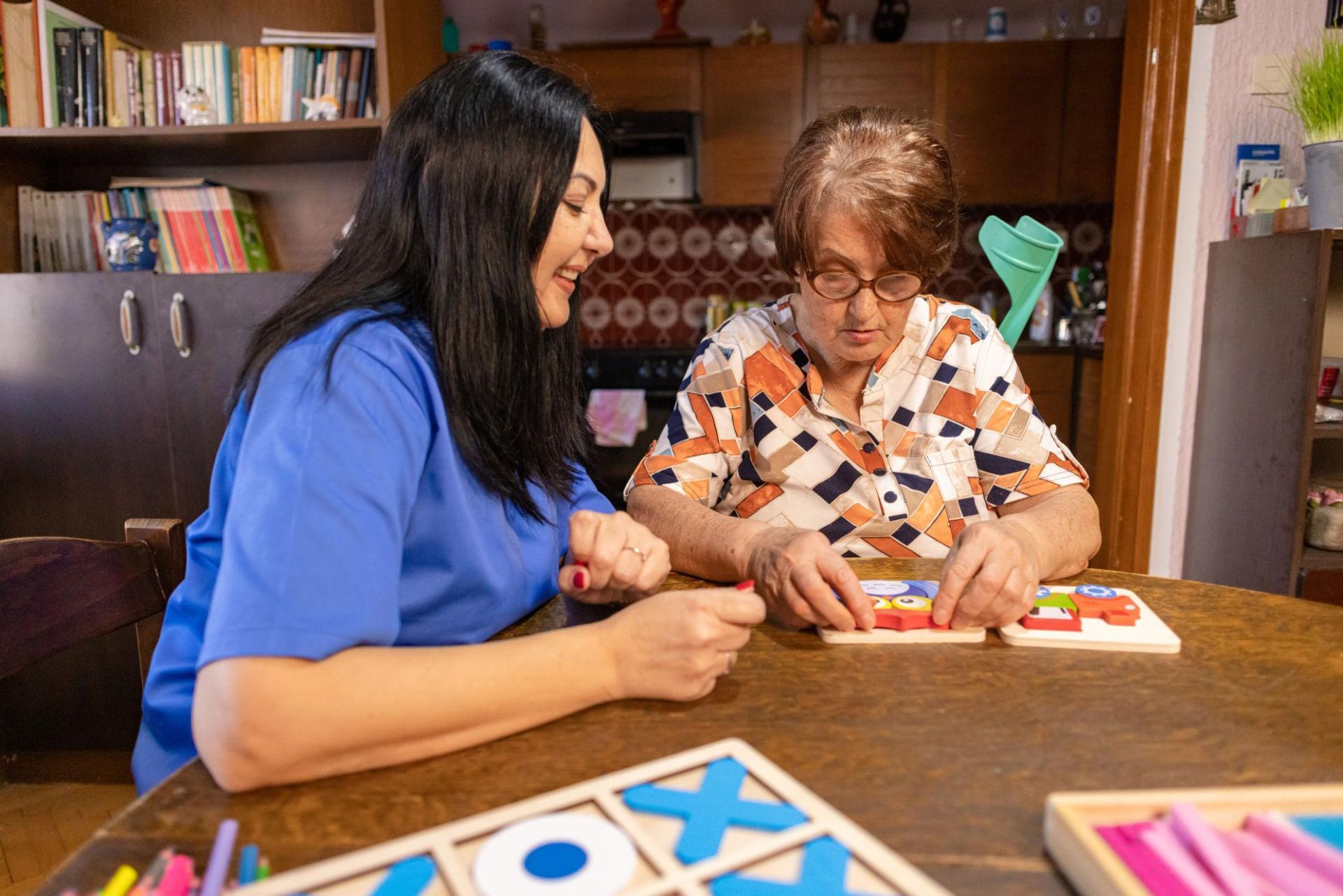
In the beginning, that might be just a few hours of companion care: conversation, light help around the home, a safety check, a friendly face. As needs grow, it can step up to hands-on personal care from a certified home health aide, and eventually overnight care or around-the-clock support. The care grows with your parent, so you're never scrambling to start over.
Build routine and safety
People with dementia generally feel calmer and more secure with predictable daily rhythms. A good caregiver helps establish gentle routines, keeps the environment safe, and reduces the anxiety and agitation that uncertainty can trigger.
You don't have to have it all figured out to ask a question. If you're wondering when or how to bring in help, a short, no-pressure conversation can bring real peace of mind. Call
7 Day Home Care at
(516) 408-0034 or
request a free consultation. We'll listen, answer your questions, and help you understand your options — whenever you're ready, with no obligation.
Why Starting Care Early Makes a Difference
It's tempting to wait — to tell yourself you'll bring in help "when things get bad." But dementia is progressive, and families who plan ahead instead of reacting to an emergency tend to fare better.
Starting dementia care early gives your parent time to build a real relationship with their caregiver while they can still participate in shaping it. It establishes routines before confusion deepens. It keeps them safe at home, in familiar surroundings — a factor caregiving research consistently links to less agitation and a better quality of life. And just as importantly, it protects you, giving you room to breathe, sleep, and go back to being a son or daughter instead of an exhausted, full-time caregiver running on fumes.
How 7 Day Home Care Supports NYC Families
When you're ready to bring in help, the agency you choose matters. Here's why families across New York trust 7 Day Home Care:
- Licensed, insured, and award-recognized — A New York State Department of Health–licensed agency, recognized as the "Best Home Health Care Provider" for the North Shore of Long Island. Family-owned, and we treat your parent like our own.
- RN-supervised care — Every care plan is designed and overseen by a Registered Nurse and adjusted as your parent's needs change.
- Thoughtful caregiver matching — We carefully match each caregiver to the client based on personality, needs, and language, because the right match builds genuine trust.
- Caregivers who speak your language — Our team speaks eight languages: English, Spanish, French, Russian, Polish, Hindi, Tagalog (Filipino), and Farsi (Persian).
- Consistency — A dedicated primary caregiver on a steady schedule, so your parent sees a familiar, trusted face, not a rotating cast of strangers.
- Care that flexes — From a few hours a week to full 24/7 live-in support, we scale as needs grow.
We proudly serve families in Manhattan, Queens, Brooklyn, and Long Island.
Frequently Asked Questions
How soon should we get home care after a dementia diagnosis?
There's no single "right" day, but earlier is usually easier. Introducing help while your parent is in the early stages lets them build trust and familiarity with a caregiver before confusion increases, which makes the whole journey smoother for everyone.
Can my parent really stay at home with dementia?
In many cases, yes, especially in the early and middle stages. With the right supervision, safety adjustments, and support, many people with dementia can remain safely at home, where familiar surroundings can help reduce confusion and anxiety.
What stage of dementia requires supervision?
It varies by person, not just by stage. Some people need supervision in the early stage if safety issues appear, such as wandering, leaving the stove on, or getting lost. By the middle stage, most people benefit from regular daily supervision, and in later stages, around-the-clock care is often needed. The most reliable guide is behavior, not a label: if your parent isn't safe alone, it's time.
How fast does dementia progress?
Every case is different.
Alzheimer's disease, the most common form, often progresses over several years, but the pace varies widely depending on the type of dementia, the person's overall health, and how early it was caught. Your parent's doctor can give you the most realistic picture for their specific situation.
Can someone with dementia live alone?
In the very early stages, some people manage at home with support and check-ins. As the disease progresses, living completely alone usually becomes less safe, since missed medications, wandering, and kitchen hazards are common risks. Watching for these signs helps you know when more support is needed.
What's the difference between companion care and personal care?
Companion care focuses on supervision, conversation, light household help, and safety, and is well-suited to earlier stages. Personal care adds hands-on help with bathing, dressing, grooming, and other daily tasks, provided by a certified home health aide as needs grow.
Do you serve my area?
7 Day Home Care serves Manhattan, Queens, Brooklyn, and Long Island, including Nassau County and Suffolk County, New York. If you're nearby, call us and we'll let you know how we can help.
You've Got This — One Step at a Time
A dementia diagnosis changes the road ahead, but it doesn't mean you've lost your way. Knowing what to do after a dementia diagnosis isn't about having every answer today — it's about taking the next small, steady step, and then the one after that.
Take a breath. Get clarity on the diagnosis. Make the home safer. Plan a little. And when the weight starts to feel like too much for one person, remember you don't have to carry it alone. Help is here, right in your neighborhood, whenever you're ready.
When you're ready, we're here for you.
7 Day Home Care proudly serves
Manhattan,
Queens,
Brooklyn, and Long Island (Nassau County & Suffolk County), New York.
Call us today at (516) 408-0034
Request a Free Consultation — compassionate, RN-supervised dementia care, designed around your parent and your family. No pressure, just support.