How Non-Medical Home Care Improves Quality of Life for Older Adults
How Non-Medical Home Care Improves Quality of Life for Older Adults
Non-medical home care improves quality of life for older adults by making it possible to age safely and comfortably at home — with hands-on help for bathing, dressing, and meals, companionship that eases loneliness, fall prevention and safety supervision, transportation, and a calm, consistent daily routine. Caregivers handle daily living and safety; all diagnosis, medication, and treatment decisions stay with your loved one's doctor.
Most older adults don't lose their independence all at once. It slips away quietly, in small moments — the staircase that suddenly feels steeper, the grocery run that now feels like too much, the pot left on the stove, the long afternoons with no one to talk to. None of these moments seems like an emergency on its own. Together, they slowly shrink a person's world.
And yet, ask almost any older adult where they want to spend their later years, and you'll hear the same answer: at home. AARP's national 2024 Home and Community Preferences Survey found that
75% of adults age 50 and older — about three out of four — want to remain in their current home as they age. Home is where the memories live: the kitchen where family dinners happened, the neighbor who waves every morning, the block they've known for decades.
The gap between wanting to stay home and being able to do it safely is exactly what non-medical home care was built to fill. This guide explains, in practical terms, what non-medical home care is, what caregivers actually do each day, and the real ways it improves quality of life for seniors and the families who love them. If you're helping an aging parent or spouse in New York City or on Long Island and wondering what support at home actually looks like, this is written for you.
A note on scope: This article describes non-medical home care — help with daily living, safety, and companionship. It is not medical advice. Diagnosis, medication, and treatment decisions should always be made with your loved one's physician.
What Is Non-Medical Home Care?
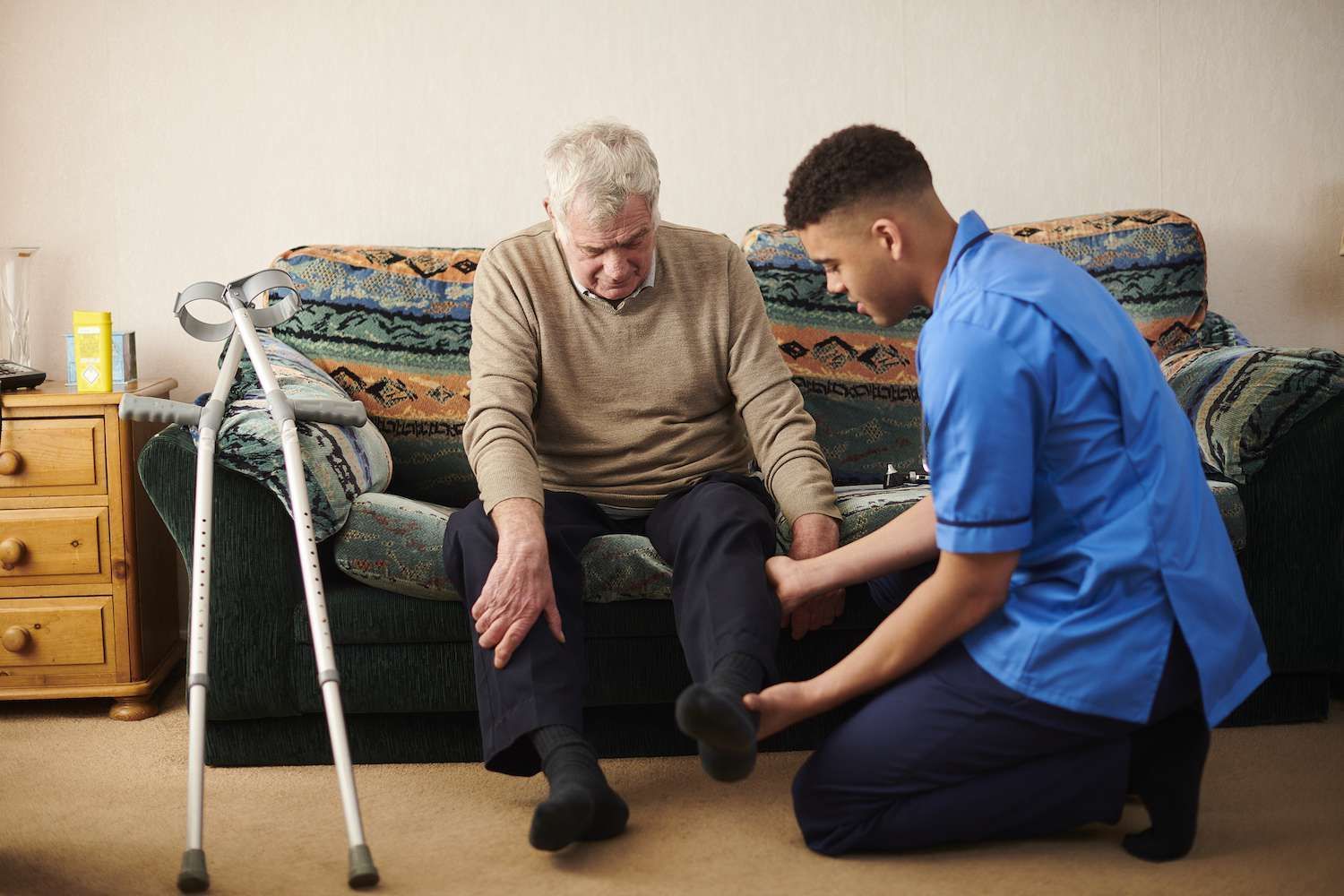
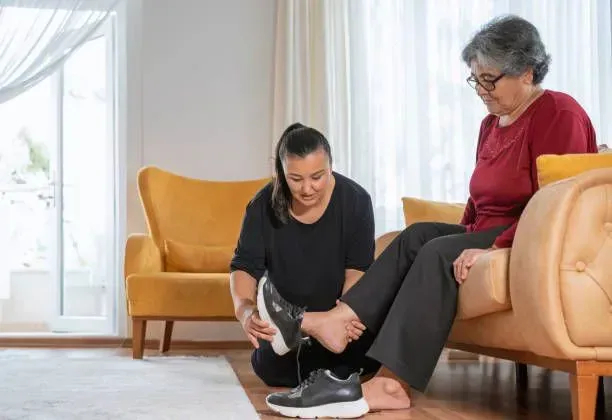
Non-medical home care is professional, in-home support that helps older adults with everyday activities — bathing, dressing, grooming, meal preparation, light housekeeping, transportation, medication reminders, and companionship. It does not involve skilled medical treatment such as wound care, injections, or physical therapy. The goal is simple: help seniors live safely, comfortably, and independently in their own homes.
Caregivers support what care professionals call
activities of daily living (ADLs) — bathing, dressing, grooming, eating, and moving safely around the home — as well as
instrumental activities of daily living (IADLs), like cooking, shopping, errands, and keeping the house in order.
Here's an easy way to remember the difference: home health care treats the condition. Non-medical home care supports the person.
Non-Medical Home Care vs. Home Health Care: What's the Difference?
Families often mix these up, and it's an easy mistake — both happen at home, and both involve caregivers. But they serve very different purposes, and knowing which is which helps you build the right plan.
Non-Medical Home Care
✔ Bathing, dressing, grooming & toileting
✔ Meal preparation & eating support
✔ Companionship & engagement
✔ Light housekeeping & laundry
✔ Transportation, errands & appointment escort
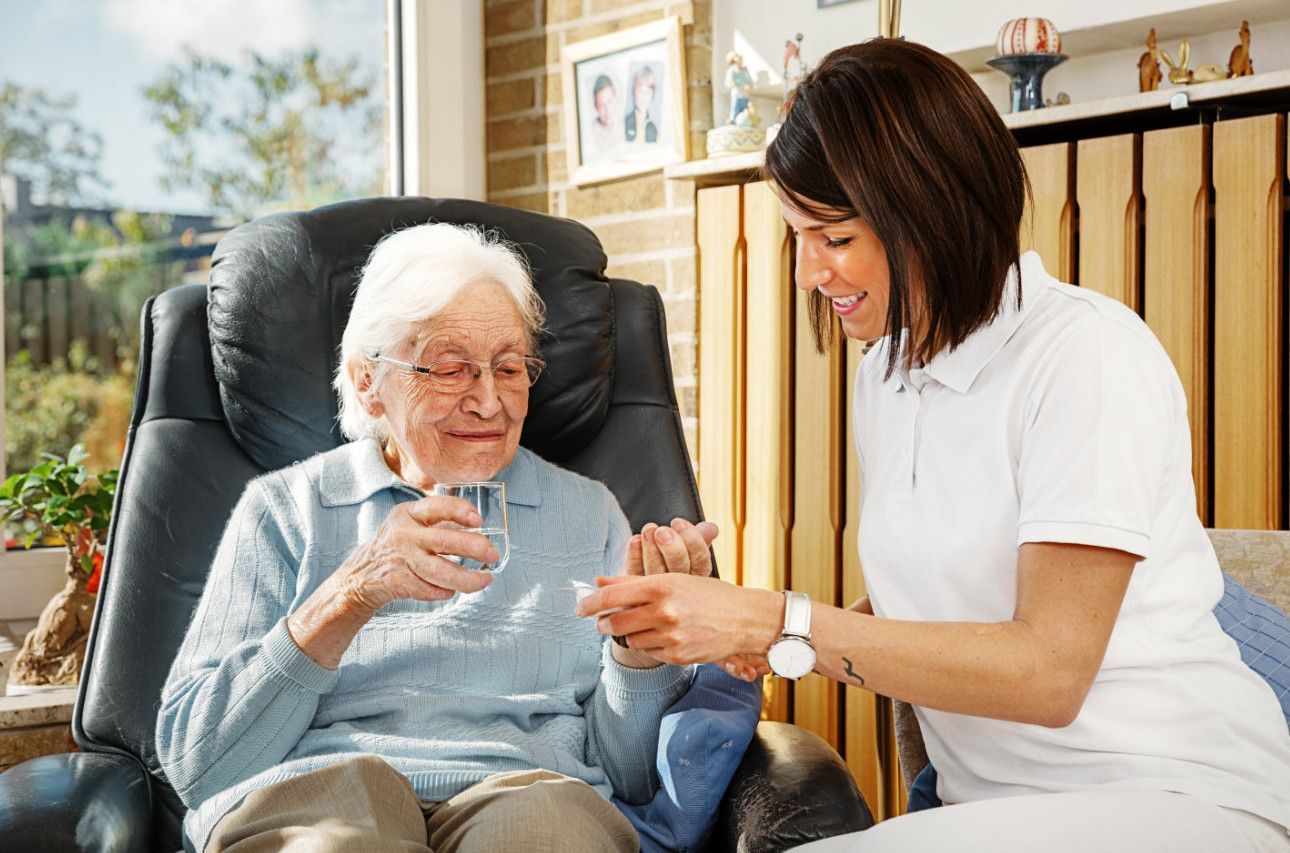
✔ Medication reminders
✔ Fall prevention & safety supervision
Home Health / Medical Care
✔ Diagnosis & treatment decisions
✔ Prescribing & administering medication
✔ Wound care & injections
✔ Physical, occupational & speech therapy
The right care often combines both: compassionate non-medical support at home, and ongoing medical care from your loved one's healthcare provider. A nurse might visit twice a week for a clinical need, while a home care aide comes daily for meals, bathing, safety, and companionship.
How Does Non-Medical Home Care Improve Quality of Life?
Beyond the checklist of services, what actually changes when a caregiver starts coming to the house? Families usually notice the difference within the first few weeks — and it shows up in seven ways.
- They get to stay in the home they love.
Your own bed. Your own coffee mug. The creaky third stair you've learned to step over for thirty years. Familiar surroundings support emotional well-being, and relocation among older adults is associated with real confusion and stress — sometimes called "transfer trauma." Non-medical home care makes aging in place realistic instead of wishful thinking. Whether home is a walk-up in Queens or a two-story house in Suffolk County, the right support comes to them — so they don't have to trade their home, their routines, and their community for safety. - Independence stays protected — with dignity.
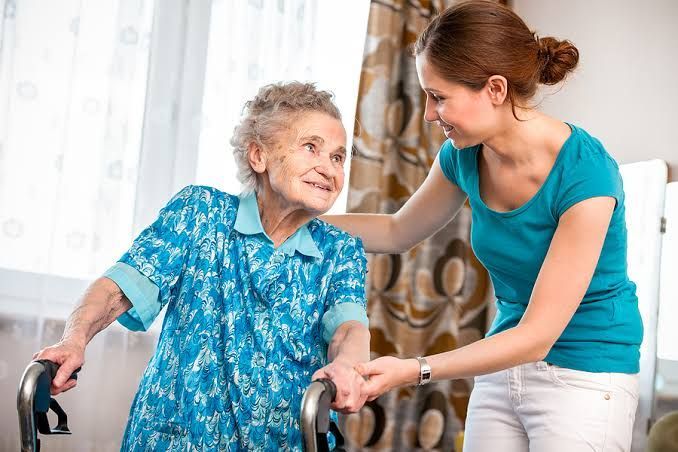
Good home care doesn't take over a senior's life; it protects it. A skilled caregiver helps with the parts of a task that have become difficult while letting your loved one do everything they still can. Maybe Dad can still cook, but chopping vegetables has become risky. Maybe Mom can dress herself, but buttons take twenty frustrating minutes. A caregiver steps in for those moments — not the whole day. Seniors stay in charge of their schedules and their choices, and that sense of control is deeply tied to self-worth at any age. - Loneliness finally has company.
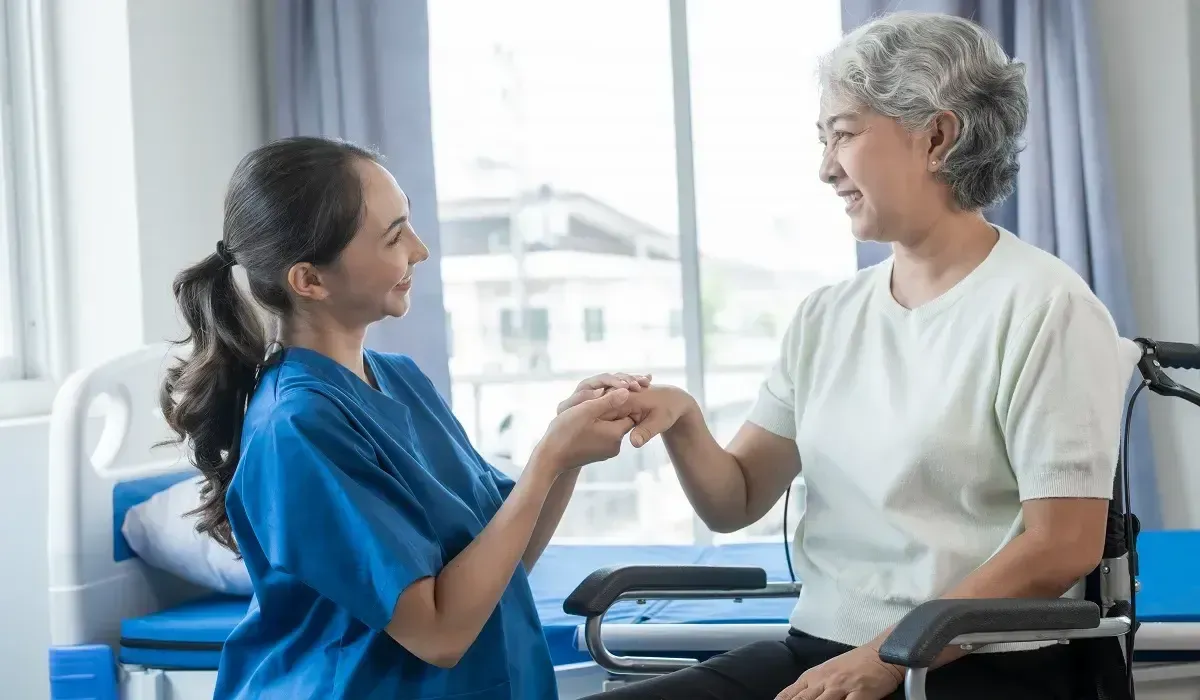
Loneliness isn't just an unpleasant feeling — chronic social isolation in older adults is linked to higher rates of heart disease, depression, and cognitive decline. Picture a widow in her late seventies in Brooklyn whose children live out of state. She's physically fine, but days pass without a real conversation. Now add a companion caregiver four mornings a week — someone who shares tea, plays cards, asks about the grandchildren, and actually listens. For many older adults, this human presence is the single most valuable thing non-medical home care provides. - The home becomes safer.
The CDC reports that more than one in four adults over 65 falls each year, and most falls happen at home during ordinary moments — stepping out of the shower, reaching a shelf, walking to the bathroom at night. In a Manhattan apartment building or a Long Island home with stairs, one unsafe moment can have serious consequences. A caregiver changes that math: steady support during high-risk activities, floors kept clear of clutter and spills, the stove double-checked, and — just as important — someone there. If something does happen, help isn't hours away. It's in the next room. - Meals and routines get back on track.
When cooking for one feels like too much effort, many seniors quietly slide into a diet of toast and tea. Poor nutrition then feeds a downward spiral — less energy, weaker muscles, more falls. Caregivers prepare familiar, appealing meals that match dietary needs and personal tastes, including honoring Kosher or other cultural food preferences, and provide the gentle cueing needed to eat and drink enough through the day. Add medication reminders and a predictable daily rhythm — waking, meals, activity, rest — and you have one of the strongest foundations for both physical and mental well-being. - Mood, purpose, and engagement come back.
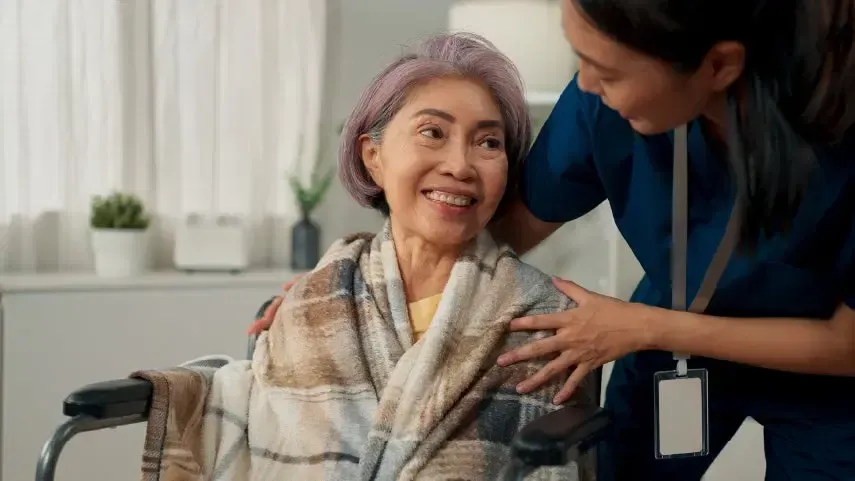
Quality of life isn't only about safety — it's about having something to look forward to. A good caregiver brings energy into the home: hobbies picked back up, music, short walks, photo albums, an outing to the park or a religious service. Older adults who stay mentally and socially engaged tend to report better moods, sharper thinking, and a stronger sense of purpose. Families often tell us the biggest change isn't practical at all — it's that Mom seems happier. She laughs more. She has stories to tell again. - The whole family breathes again.
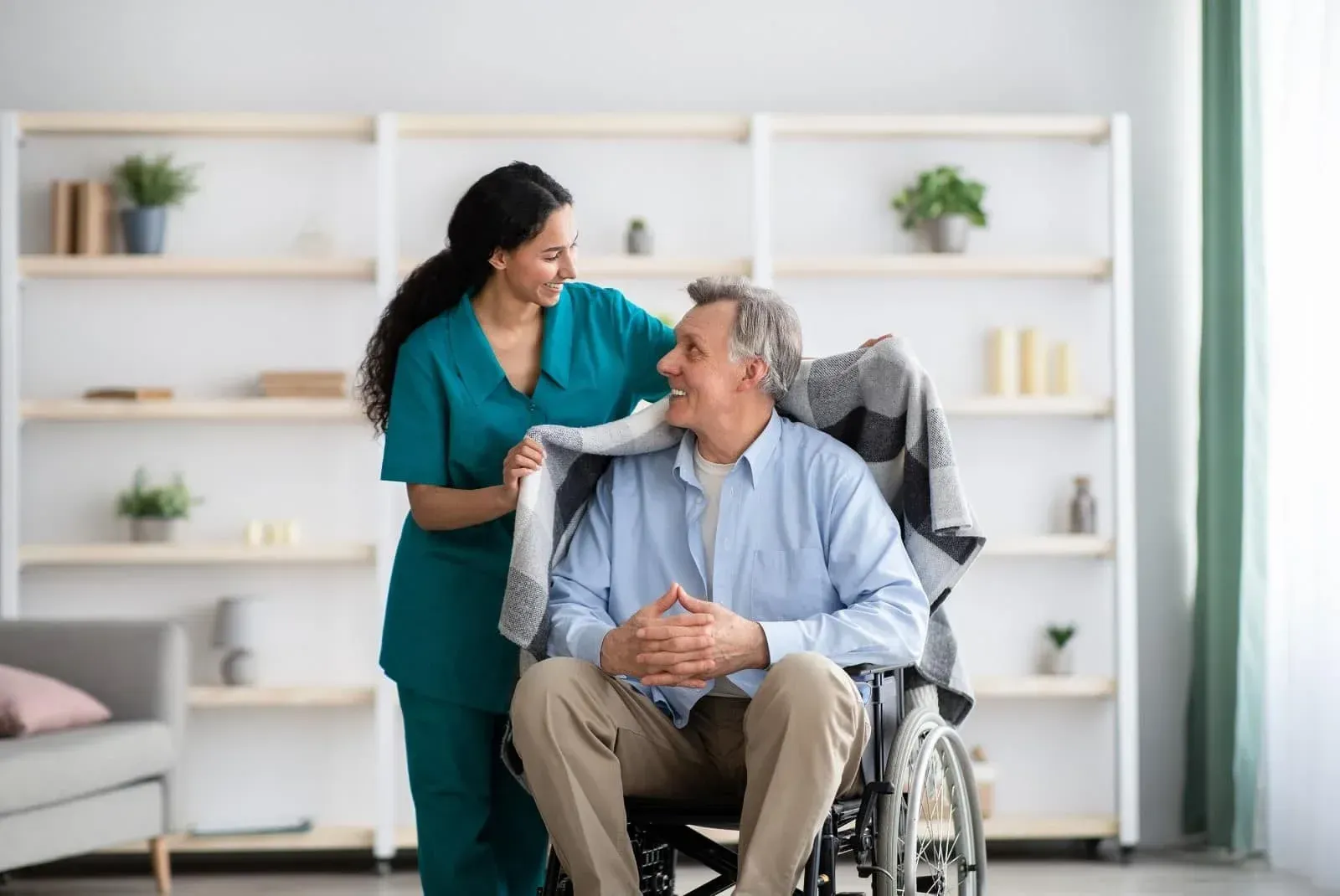
Family caregivers are heroes, but they're also human. Juggling a parent's needs with a job, kids, and a household leads many adult children straight into burnout — exhaustion, guilt, and declining health of their own. Professional caregivers handle the daily heavy lifting, so family members get to be what they were meant to be: sons, daughters, and spouses again — not full-time aides. For loved ones who are restless at night, overnight and 24-hour care means the rest of the family finally sleeps. And for long-distance families, regular updates from a trusted caregiver replace constant worry with real peace of mind.
Who Benefits Most from Non-Medical Home Care?
Non-medical home care isn't only for seniors with serious limitations. It helps a wide range of people:
- Older adults living alone who need companionship and a helping hand with daily tasks
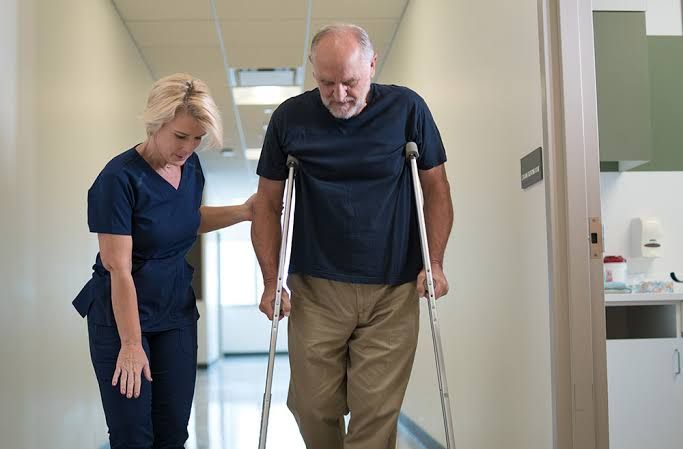
- Seniors recovering after a hospital stay who need meals, housekeeping, and transportation while they regain strength
- People in the early stages of memory loss who benefit from reminders, supervision, and consistent routines — see our guide on how Alzheimer's affects memory and daily life
- Adults with limited mobility or arthritis who struggle with bathing, dressing, or stairs
- Aging couples where one spouse has quietly become the other's caregiver and needs backup
- Families living far away who want trusted eyes and ears checking on a parent regularly
If any of these sound familiar, home care is worth a serious look — often sooner rather than later.
Why New York Families Choose 7 Day Home Care
7 Day Home Care is a New York State Department of Health–licensed home care services agency (LHCSA), providing private-duty non-medical care throughout Manhattan, Queens, Brooklyn, Nassau County, and Suffolk County since 2012. Helping older adults live better at home isn't one thing we do — it's the heart of everything we do.
- Person-centered care plans built around your loved one's specific routines, preferences, and personality — never a one-size-fits-all schedule.
- Careful caregiver–client matching. Consistency and trust matter enormously, especially for seniors; we work to keep familiar, trusted faces in front of your loved one.
- Trained, thoroughly vetted aides — background checks, in-person interviews, ongoing training, and RN supervision.
- Multilingual caregivers, so your loved one is cared for in the language that feels like home.
- Flexible hours — from a few hours a day of companion care to live-in and 24-hour support, scaling as needs change over time.
- Care wherever your loved one is — home, hospital, assisted living, or rehab facility.
When Is It Time to Bring in Home Care?
Every family's timeline is different, but these are common signals:
- Your loved one is skipping meals or losing weight
- You've noticed unsafe moments — the stove left on, a fall, or new bruises
- Bathing, grooming, or dressing has become a daily battle
- The house is unusually messy, or bills and mail are piling up
- They've pulled away from friends, activities, or phone calls
- You, the family caregiver, feel exhausted, stretched thin, or unable to keep up with work and your own life
If any of this sounds familiar, a brief conversation can help you understand your options — no obligation, just clarity about the next step.
What Does Non-Medical Home Care Cost — and Who Pays?
Private-duty home care is billed hourly, which means families only pay for the support they actually use. For many families, a few hours of care several days a week delivers most of the quality-of-life benefits at a fraction of the cost of assisted living — and it can scale up gradually, all the way to live-in or
24-hour care, as needs change.
Families typically cover the cost through private pay or long-term care insurance. One important detail to plan around:
Original Medicare generally does not pay for non-medical home care. Some Medicare Advantage plans offer limited in-home support benefits, but coverage varies widely by plan and region, so it's worth checking your loved one's specific plan directly. Because every situation is different, the simplest way to understand your options is a quick conversation — call
(516) 408-0034 and we'll walk you through a personalized plan.
Ready to talk through your family's situation?
Call (516) 408-0034 for a free consultation — available 24/7, with offices in Lake Success (Long Island) and Manhattan.
Frequently Asked Questions
What is non-medical home care?
Non-medical home care is in-home support that helps older adults with everyday activities such as bathing, dressing, meal preparation, housekeeping, transportation, medication reminders, and companionship. It does not include skilled medical services; its goal is to help seniors live safely and independently at home.
What is the difference between non-medical home care and home health care?
Non-medical home care supports daily living, safety, and companionship, and doesn't require a doctor's order. Home health care provides medical services — nursing, wound care, therapy — delivered by licensed clinicians, usually under a physician's direction. Many families use both together.
Does Medicare pay for non-medical home care?
Original Medicare generally does not cover non-medical home care. Families most often use private pay or long-term care insurance; some Medicare Advantage plans offer limited in-home support benefits, but this varies by plan. We're happy to help you understand what applies to your situation.
How many hours of home care does an older adult need?
It depends on the person and the family's situation. Some seniors thrive with a few hours of companionship and errand help a few days a week; others need daily personal care, live-in, or 24-hour support. We build a flexible plan that starts where you are and grows as needs change.
Can a caregiver give my loved one their medications?
Caregivers provide medication reminders — making sure the right medication is taken at the right time, and not accidentally repeated — but administering medication is a medical task handled under a doctor's direction. It's a small distinction that prevents big problems.
Will my loved one have the same caregiver each time?
Consistency is a priority. Through our caregiver–client matching model, we work to provide familiar, trusted caregivers so your loved one builds a real relationship instead of adjusting to constantly changing faces.
Which areas does 7 Day Home Care serve?
Manhattan, Queens, Brooklyn, Nassau County, and Suffolk County, with offices in Lake Success (Long Island) and Manhattan.
How do we get started?
Call
(516) 408-0034 any time, day or night. We'll discuss your loved one's needs and arrange a free consultation to create a personalized care plan.
Trusted Non-Medical Home Care Across NYC and Long Island
At its core, non-medical home care isn't really about chores, rides, or reminders. It's about what those things add up to: safety without fear, independence without isolation, and days filled with connection instead of quiet struggle. For older adults, that's the very definition of quality of life. For their families, it's the relief of knowing Mom or Dad is truly okay — not just getting by.
If you're caring for an aging parent or spouse in
Manhattan,
Queens,
Brooklyn, Nassau County, or Suffolk County, you don't have to figure it out alone.
7 Day Home Care provides trusted, non-medical in-home care that helps your loved one stay safe, engaged, and comfortable in the place they know best — home.
Call
(516) 408-0034 for a
free consultation. Available 24/7, with offices in Lake Success (Long Island) and Manhattan.
7 Day Home Care is a New York State Department of Health–licensed home care services agency providing non-medical, private-duty home care. This article is for general informational purposes and is not medical advice. Please consult your loved one's healthcare provider for guidance on diagnosis, medication, and treatment. Statistics cited are sourced from AARP's 2024 Home and Community Preferences Survey and the CDC; see linked sources above.