Why Home Help After Surgery Can Speed Up Recovery
Serving Manhattan, Queens, Brooklyn, Nassau & Suffolk County
Quick answer:
Surgery happens in the hospital, but recovery happens at home — and that's where most setbacks happen too. Home help after surgery speeds up recovery by protecting rest, preventing falls when you're weakest, keeping meals and medication schedules on track, spotting small warning signs early, and making sure discharge instructions actually get followed. All medical care — wound care, injections, prescriptions — stays with your surgical team.
Here's a number that surprises most people planning surgery: the hospital stay is usually measured in hours or days, while the recovery is measured in weeks. A knee replacement can mean one night in the hospital and six weeks of healing at home. Cataract surgery takes minutes; the do's and don'ts last a month.
Yet almost all the planning goes into the operation itself — the surgeon, the date, the insurance approvals. Very little goes into the part that actually takes the longest. The place where recovery succeeds or struggles isn't the operating room. It's your kitchen, your bathroom, your stairs.
That's why home help after surgery isn't a luxury add-on. For many patients — and especially for older adults — it's the difference between a steady recovery and a setback that lands them back in the hospital. This article breaks down exactly why support at home speeds up healing, what a post-surgical caregiver actually does week by week, and how to set it up before your surgery date.
A note on scope: This article describes non-medical, post-surgical home care — help with daily living, safety, and recovery routines. It is not medical advice. Please follow your surgeon's and physician's guidance for all medical decisions, wound care, and medications.
The Recovery Gap Nobody Warns You About
Hospitals have become remarkably good at surgery — and remarkably quick at sending people home. You leave with a folder of discharge instructions, a bag of prescriptions, and firm advice not to overdo it. Then the front door closes, and you're on your own.
This is the recovery gap.
Roughly one in five Medicare patients is rehospitalized within 30 days of discharge, and research on preventable readmissions suggests a meaningful share of those returns could have been avoided. The causes are rarely surgical failures. They're everyday problems: a fall on the way to the bathroom, pain medication taken wrong, an infection noticed too late, meals skipped because standing at the stove hurts too much.
In New York, the logistics make the gap even wider. Recovering from hip surgery in a fourth-floor walk-up is a different challenge than the discharge paperwork assumes. So is being told not to drive for two weeks when you live in Suffolk County, or needing a pharmacy run in Queens when you can't lift more than ten pounds.
Closing that gap is precisely the job of post-operative home care.
What Is Home Help After Surgery?
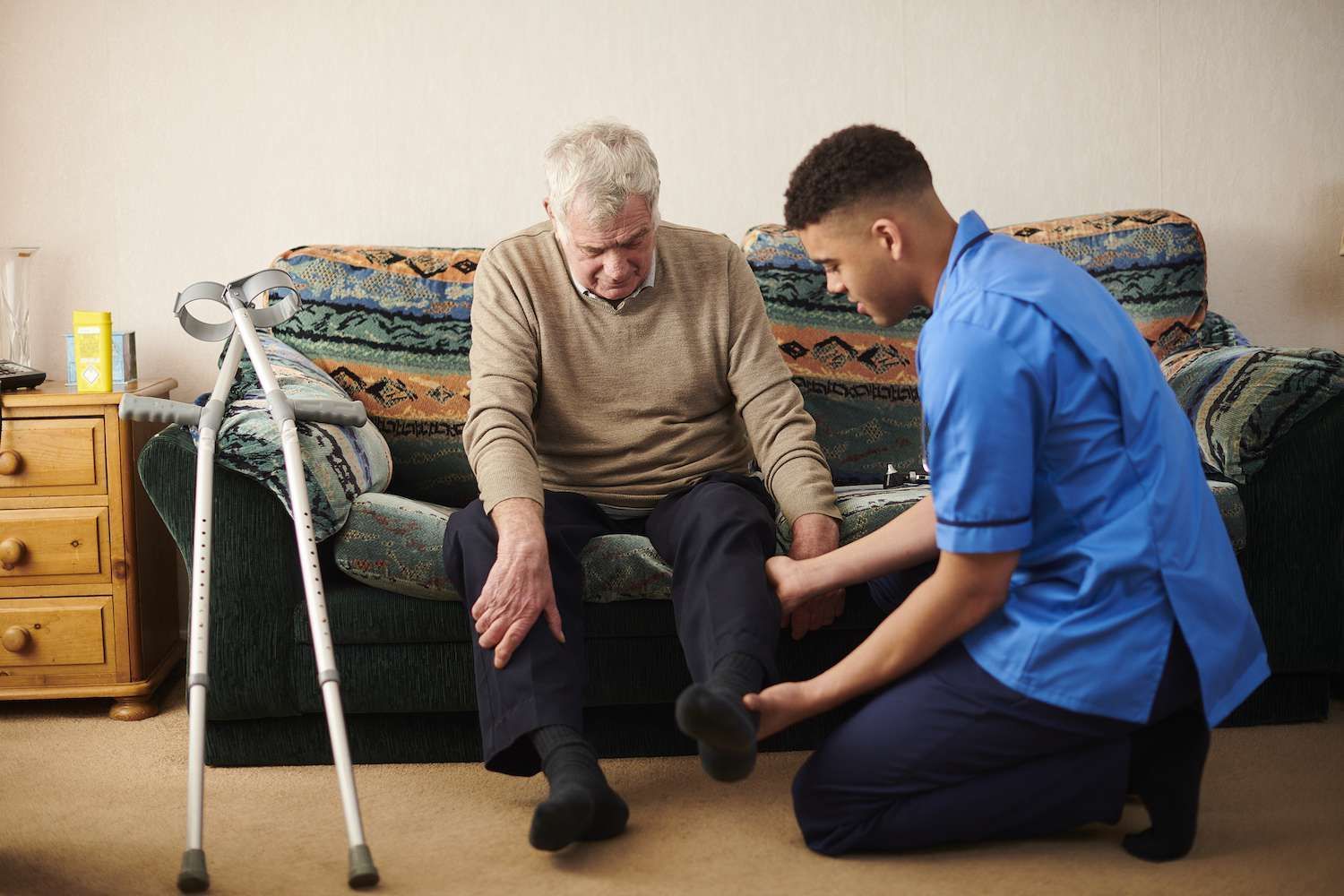
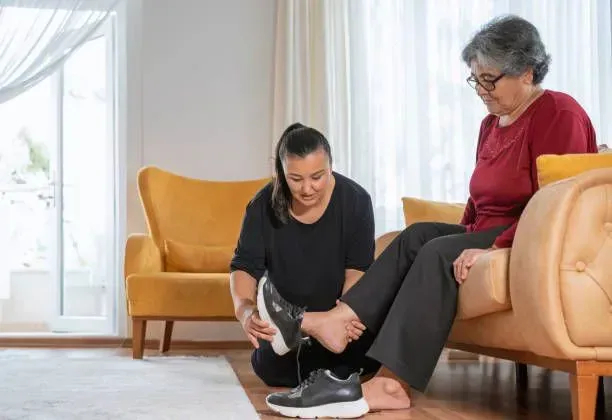
Home help after surgery — also called post-surgical or post-operative home care — is short-term, non-medical support during the weeks your body needs to heal. Depending on your procedure and situation, a caregiver can handle:
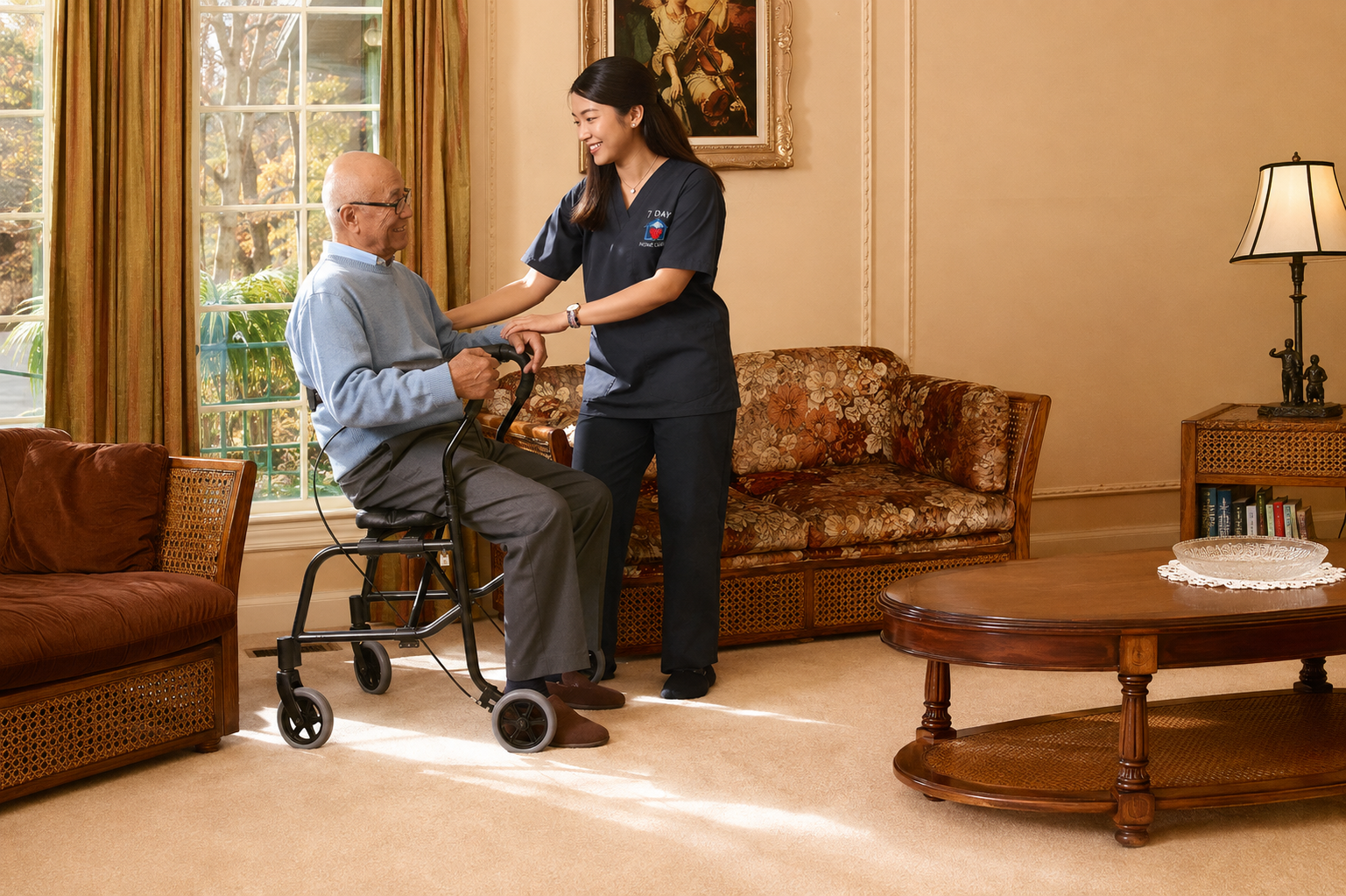
- Safe help getting in and out of bed, chairs, and the shower
- Bathing, dressing, and grooming while movement is restricted
- Meal preparation, hydration prompts, and grocery shopping
- Medication reminders, on schedule, every time
- Light housekeeping and laundry — including those fresh linens that matter so much after surgery
- Rides to follow-up appointments, the pharmacy, and physical therapy
- Steady companionship and reassurance during a stressful stretch
One boundary worth stating clearly: your surgical team heals the incision; home help rebuilds the daily life around it. A non-medical caregiver won't change dressings, give injections, or adjust your medications — those tasks stay with your doctors and nurses. Many families run both at once: a visiting nurse for clinical care, and a home caregiver for everything the other 23 hours of the day require.
6 Reasons Home Help After Surgery Speeds Up Recovery
- Rest stops being a suggestion.
Your body does much of its tissue repair while you rest — which is exactly why "take it easy" appears on every discharge sheet. But at home alone, taking it easy loses to reality. The dishes pile up. The dog needs walking. The laundry basket sits there, daring you. Patients push through chores days after surgery, then wonder why they're exhausted and swollen. Every task a caregiver takes off your plate is energy your body redirects to healing. That's not pampering; that's physiology. - Your fall risk peaks exactly when you're weakest.
Lingering anesthesia, opioid pain medication, muscle loss from bed rest, and an unfamiliar walker or crutches — it's a recipe for unsteady legs. Add a nighttime bathroom trip on a post-surgical hip, and the risk is obvious. A single fall can undo an operation entirely, turning a six-week recovery into a second surgery. A caregiver's steadying arm during transfers, showers, and stairs is one of the simplest, most effective ways home help after surgery protects your outcome. - Healing tissue needs real food.
Wound healing demands protein, nutrients, and consistent hydration — right when appetite is at its lowest and cooking feels impossible. Left alone, many patients graze on crackers and call it dinner, and healing slows accordingly. A caregiver who prepares proper meals, keeps water within reach, and gently prompts you to finish your plate is quietly doing recovery work. The body can't rebuild tissue out of goodwill; it needs fuel. - Medications only work on schedule.
Post-surgical medication plans are precise for a reason. Pain control taken on time keeps you comfortable enough to move — and movement drives circulation, prevents stiffness, and lowers the risk of complications. Doses taken late, skipped, or accidentally doubled do the opposite. A caregiver providing reliable medication reminders keeps the schedule your surgeon designed working exactly as intended, without your foggy first week doing the remembering. - Small warning signs get noticed early.
Most post-surgical complications announce themselves quietly at first: a bit more swelling than yesterday, a low fever, unusual drowsiness, new confusion. A patient recovering alone often shrugs these off — or doesn't register them at all. A caregiver who sees you every day notices the change and prompts the call to your doctor sooner. Earlier calls mean smaller problems, treated faster, with fewer emergency room trips. That vigilance alone can shave weeks off a recovery gone sideways. - Discharge instructions actually get followed.
Walk twice a day. Keep the leg elevated. Ice for twenty minutes. Don't lift anything heavier than a gallon of milk. Be at your follow-up appointment Thursday at 9:15 — across town. Discharge instructions are a proven roadmap, but following them alone, in pain, without a car, is where most people quietly fall short. With transportation handled, reminders built in, and someone encouraging today's short walk, compliance stops depending on willpower. And patients who follow their aftercare plan are exactly the ones who recover on schedule and stay out of the readmission statistics.
What Post-Surgical Home Care Looks Like, Week by Week
Timeframe: First 72 hours
What's Happening: Highest-risk window. Anesthesia still wearing off, pain at its peak, mobility at its lowest.
Typical Support: Extended shifts or 24-hour care: help with every transfer, bathroom trips day and night, on-time medications, simple meals.
Timeframe: Week one
What's Happening: Pain becomes manageable but energy stays low.
Typical Support: Steady routine — safe bathing, short prescribed walks, proper meals, and transportation to the first follow-up appointment.
Timeframe: Weeks two to six
What's Happening: Independence returns in stages.
Typical Support:
Support scales down — a few hours a day for errands, housekeeping, meal prep, and encouragement, tapering to a few visits a week.
Which Surgeries Call for Home Help?
Recovery support makes the biggest difference after hip and knee replacements, spinal surgery, cardiac procedures, and abdominal operations such as hernia repair, hysterectomy, or bowel surgery — anywhere lifting, bending, or driving is restricted for weeks. But don't overlook the "minor" procedures: even same-day surgery under anesthesia calls for someone with you for the first 24 to 48 hours, and most surgical centers won't discharge you without it. Patients of any age benefit; older adults simply tend to need the support longest, for all the reasons covered in our guide on
how non-medical home care improves quality of life for older adults.
Set Up Home Help Before Surgery, Not After
The best time to arrange post-surgical care is when the surgery gets scheduled. A little planning turns discharge day from chaotic to calm:
- Book care to begin on discharge day — or even at the hospital bedside, with the caregiver accompanying you home.
- Arrange the ride home in advance, especially if driving is off-limits.
- Prep the home: clear walking paths, move essentials to counter height, set up sleeping arrangements on one floor if stairs are restricted.
- Stock the kitchen with easy, protein-rich foods before you leave for the hospital.
- Share the discharge folder with your caregiver and family so everyone follows the same plan.
Have a surgery date on the calendar?
Call (516) 408-0034 before your surgery date, and your support will be ready the moment you're discharged — available 24/7, with offices in Lake Success (Long Island) and Manhattan.
7 Day Home Care provides post-surgical, private-duty home care throughout Manhattan, Queens, Brooklyn, Nassau County, and Suffolk County. As a New York State Department of Health–licensed home care services agency serving families since 2012, we build short-term recovery plans that flex with you — from a few days of round-the-clock support to a few hours a week, delivered by trained, vetted aides under RN supervision. Care can begin at the hospital or rehab facility and continue seamlessly at home.
Frequently Asked Questions
How long do you need home help after surgery?
Anywhere from 24 hours to six weeks, depending on the procedure. Outpatient surgery usually calls for a day or two of supervision, while joint replacements and major abdominal or cardiac surgery often mean two to six weeks of tapering support. A good plan starts stronger and scales down as you regain independence.
Can a home caregiver change my bandages or give injections?
No. Wound care, injections, and anything clinical belong to your doctors and nurses. A non-medical caregiver provides medication reminders, safe mobility support, meals, personal care, and transportation — and works comfortably alongside a visiting nurse if your surgeon orders one.
Does Medicare cover help at home after surgery?
Medicare may cover skilled home health — nursing visits or physical therapy — for a limited time when your doctor prescribes it. It generally does not cover non-medical help with bathing, meals, housekeeping, or supervision. Families typically cover that portion through private pay or long-term care insurance.
Can care start the same day I leave the hospital?
Yes, and it should. When you book before your surgery date, your caregiver can meet you at the hospital, accompany you home, and have the first meal and medication schedule handled before you've even settled into your chair.
Is home help after surgery only for older adults?
Not at all. Anyone coming out of anesthesia or facing weeks of lifting and driving restrictions benefits. Older adults usually need support for longer because healing slows with age and fall risk runs higher — but post-surgical care is for every age.
What if my surgery is outpatient or "minor"?
Plan on help for at least the first 24 to 48 hours anyway. Anesthesia affects judgment, balance, and memory well after you feel fine, which is exactly why surgical centers require a responsible adult with you — and why even short procedures deserve a short care plan.
Recover Faster by Recovering Supported
Surgery is a team effort in the operating room. Recovery deserves the same. With the right home help after surgery, rest actually happens, meals actually nourish, medications stay on time, and small problems stay small — which is exactly how recoveries stay on schedule.
If you or someone you love has surgery coming up in
Manhattan,
Queens,
Brooklyn, Nassau County, or Suffolk County, put the plan in place now. Call
7 Day Home Care at
(516) 408-0034 —
available 24/7, with offices in Lake Success (Long Island) and Manhattan — and walk into your operation knowing the recovery is already handled.
7 Day Home Care is a New York State Department of Health–licensed home care services agency providing non-medical, private-duty home care. This article is for general informational purposes and is not medical advice. Please follow your surgeon's and physician's guidance for all medical decisions, wound care, and medications.