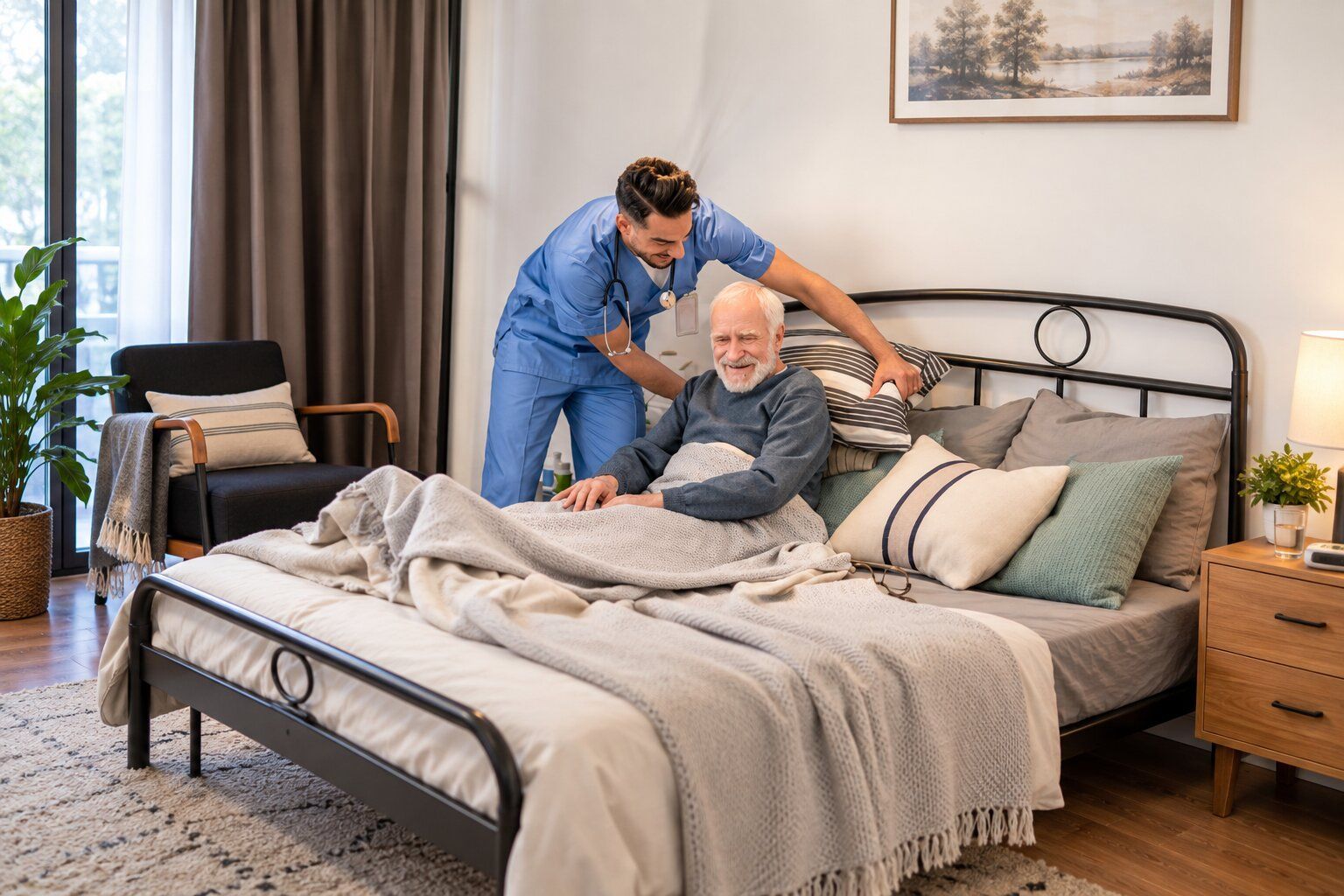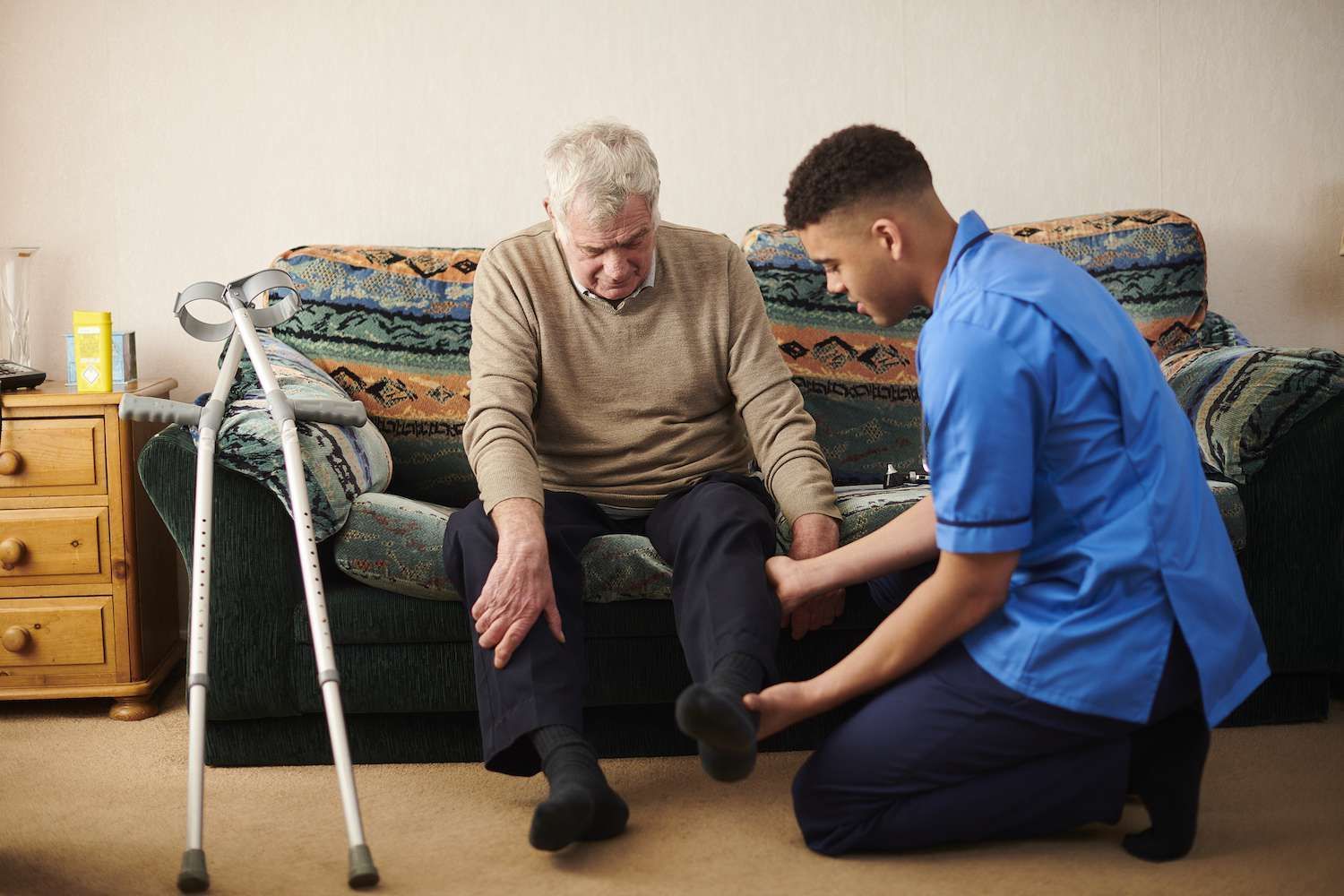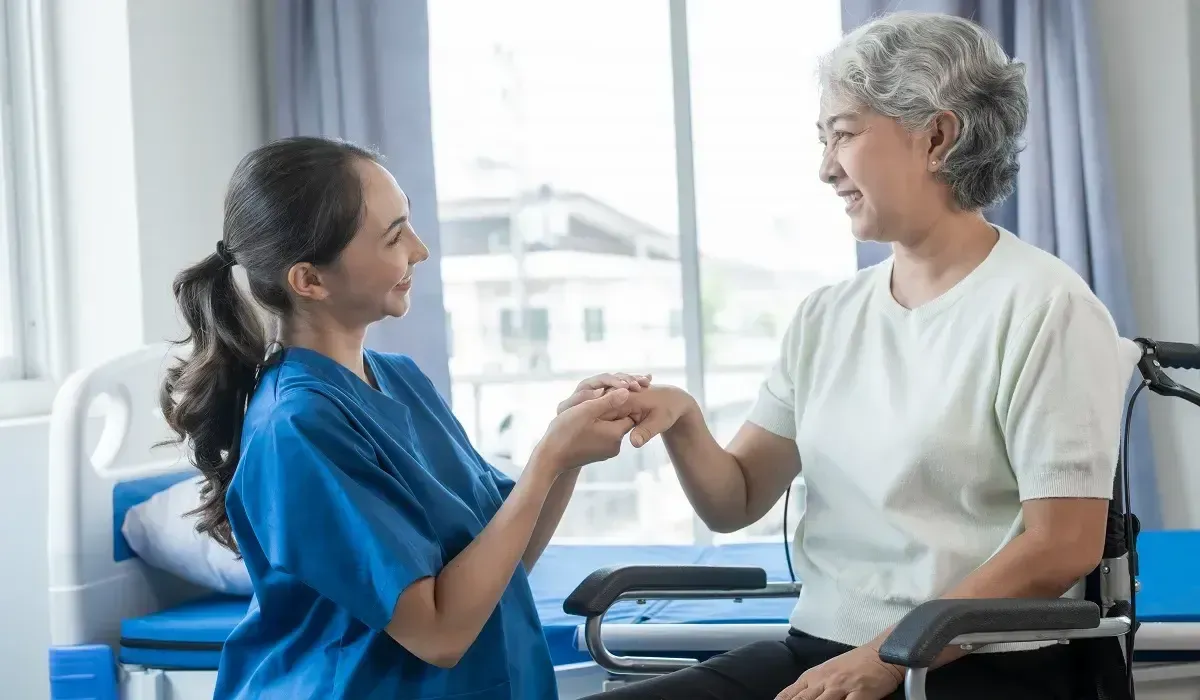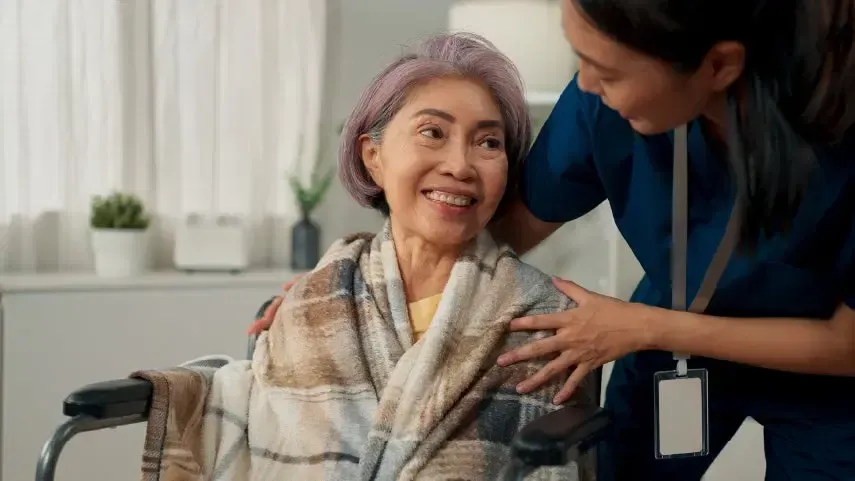


Introducing Textured Food Innovations: Nutritious Meals for Seniors with Dysphagia For seniors living with dysphagia, eating safely and maintaining proper nutrition can become one of the most difficult daily challenges. Difficulty swallowing often requires a pureed diet, yet many traditional pureed meals are unappetizing, nutritionally inadequate, or hard for caregivers to prepare at home. In New York, a new solution is changing that reality. Textured Food Innovations is a New York‑based company providing chef‑prepared, IDDSI Level 4 pureed meals designed to help seniors with swallowing difficulties eat safely, maintain adequate nutrition, and enjoy mealtime again — especially when supported by professional home care services like 7 Day Home Care .

Living With Parkinson’s Disease: How In-Home Care Helps Seniors Stay Safe, Independent & Comfortable
Learn how in-home care helps seniors with Parkinson’s stay safe, independent, and comfortable at home by supporting daily routines, mobility, and dignity.

The Quiet Problem Many Families Miss For many families, aging looks like a slow, expected change. A little more tired than before. Slight aches in the knees. Moving a bit slower around the house. These things are often brushed off as “normal old age.” But in reality, many seniors are dealing with something deeper — Vitamin D deficiency — without anyone realizing it. What makes Vitamin D deficiency especially concerning is how quietly it affects older adults. There is no sudden emergency. No dramatic warning sign. Instead, it shows up in small, everyday ways: low energy, weak legs, balance issues, or a fear of going outside. Over time, these changes can reduce independence and increase the risk of falls, fractures, and long recovery periods. Families providing care at home NYC , or those supporting loved ones through home health care in Brooklyn , Manhattan, or Long Island, often see these signs but may not connect them to a nutritional deficiency. This guide is meant to help families understand what Vitamin D deficiency really looks like in older adults — and why it matters so much in daily life. What Is Vitamin D and Why Does It Matter So Much for Seniors? Vitamin D plays a key role in keeping the body strong and balanced. It helps the body absorb calcium, supports muscle function, and contributes to overall bone health. It also plays a role in immune strength and mood regulation. For younger adults, Vitamin D often comes from a combination of sunlight, food, and supplements. But as people age, this balance changes. Why Older Adults Are at Higher Risk Several age-related factors make seniors more vulnerable to Vitamin D deficiency: Less sunlight exposure: Many older adults spend more time indoors, especially in cities like New York where winters are long and outdoor mobility can be limited. Reduced skin efficiency: Aging skin is less effective at producing Vitamin D from sunlight. Digestive changes: The body becomes less efficient at absorbing nutrients from food. Chronic conditions or medications: Certain health issues and medications can interfere with Vitamin D absorption. For seniors receiving support through manhattan home care or from home health agencies in Long Island , these factors often overlap, increasing the risk even further. Hidden and Commonly Ignored Symptoms of Vitamin D Deficiency