How Alzheimer's Affects Memory and Daily Life — and How Home Care Helps
How Alzheimer's Affects Memory and Daily Life — and How Home Care Helps

Quick answer:
Alzheimer's first affects short-term memory, then gradually disrupts routine tasks, safety judgment, communication, and sleep patterns (often causing evening "sundowning"). Non-medical home care helps by providing a consistent daily routine, hands-on support with bathing/dressing/meals, fall and wandering prevention, and companionship — while all medication and treatment decisions stay with your loved one's doctor.
When a parent or spouse is diagnosed with Alzheimer's, most families don't struggle with the diagnosis on paper. They struggle with the small, daily moments — the pot left on the stove, the same question asked five times before lunch, the confusion at the front door in the early evening. Alzheimer's isn't only about forgetting names. It slowly reshapes how a person moves through an ordinary day — and reshapes the lives of the people who love them.
This guide explains how Alzheimer's affects memory and daily life in practical terms, and how non-medical home care can help a loved one stay safe, comfortable, and dignified at home. If you're a family caregiver in New York City or Long Island trying to understand what comes next, this is written for you.
A note on scope: This article describes non-medical home care — help with daily living, safety, and companionship. It is not medical advice. Diagnosis, medication, and treatment decisions should always be made with your loved one's physician.
How Does Alzheimer's Affect Memory?
Alzheimer's disease is the most common cause of dementia. It's progressive, meaning symptoms gradually become more noticeable over months and years. There's no cure today, but treatments for symptoms exist and research continues — any decisions about medication should always be made with your loved one's doctor.
From a family's point of view, the memory changes usually show up in a few recognizable ways:
- Short-term memory fades first. A person may remember their wedding day vividly but forget they already ate breakfast an hour ago.
- Repetition becomes common. Asking the same question repeatedly isn't stubbornness — the brain simply isn't holding onto the answer.
- Familiar tasks feel unfamiliar. Following a recipe, paying a bill, or using a TV remote relies on a chain of small memories working together.
- Words and names go missing. A person may pause mid-sentence, substitute the wrong word, or call a grandchild by their own child's name.
- Time and place blur. Your loved one might think it's a different decade, look for a parent who passed years ago, or feel lost in a home they've lived in for forty years.
Understanding these as symptoms of the disease — not choices — is the first step toward calmer, kinder daily care.
How Does Alzheimer's Change Everyday Life at Home?
Memory loss doesn't stay contained to memory — it ripples into nearly every part of daily living.
Daily routines and personal care. Bathing, dressing, grooming, and using the bathroom start needing prompting, then hands-on help. A person may forget whether they've showered, put clothes on in the wrong order, or become frightened by running water during a bath. Meals get skipped simply because the person forgot to eat or forgot how to prepare food.
Home safety.
Alzheimer's affects judgment and awareness of danger. Common risks include leaving the stove on, taking the wrong medication dose, wandering out of the home, slipping in the bathroom, or letting a stranger inside. In a New York apartment building or a two-story Long Island home, one unsafe moment can have serious consequences.
Wandering and sundowning.
Many people with Alzheimer's become restless, anxious, or agitated in the late afternoon and evening — a pattern called "sundowning." Some try to leave the house believing they need to "go home" or "go to work," even when they're already home. Overnight hours can be especially unsettling.
Communication and mood.
As words become harder to find, frustration builds for everyone. A loved one may withdraw, repeat themselves, or have sudden emotional swings. The emotion behind the behavior is real, even when the reasoning isn't.
Social connection.
People with Alzheimer's often pull away from friends and activities they once enjoyed — partly embarrassment, partly fatigue. But social interaction remains important to mental well-being; isolation tends to make both mood and confusion worse.
What Kind of Care Does Someone with Alzheimer’s Need?
Someone with Alzheimer’s often needs more than medical care. They also need patient, reliable support with everyday activities, safety, meals, and companionship. Non-medical home care can help your loved one stay comfortable, safe, and independent at home.
What Non-Medical Home Care Can Help With
- Daily routines: Keeping a regular schedule and providing structure.
- Personal care: Help with bathing, dressing, grooming, and using the bathroom.
- Meals: Preparing meals and providing support during mealtimes.
- Medication reminders: Reminding your loved one when it is time to take their medications.
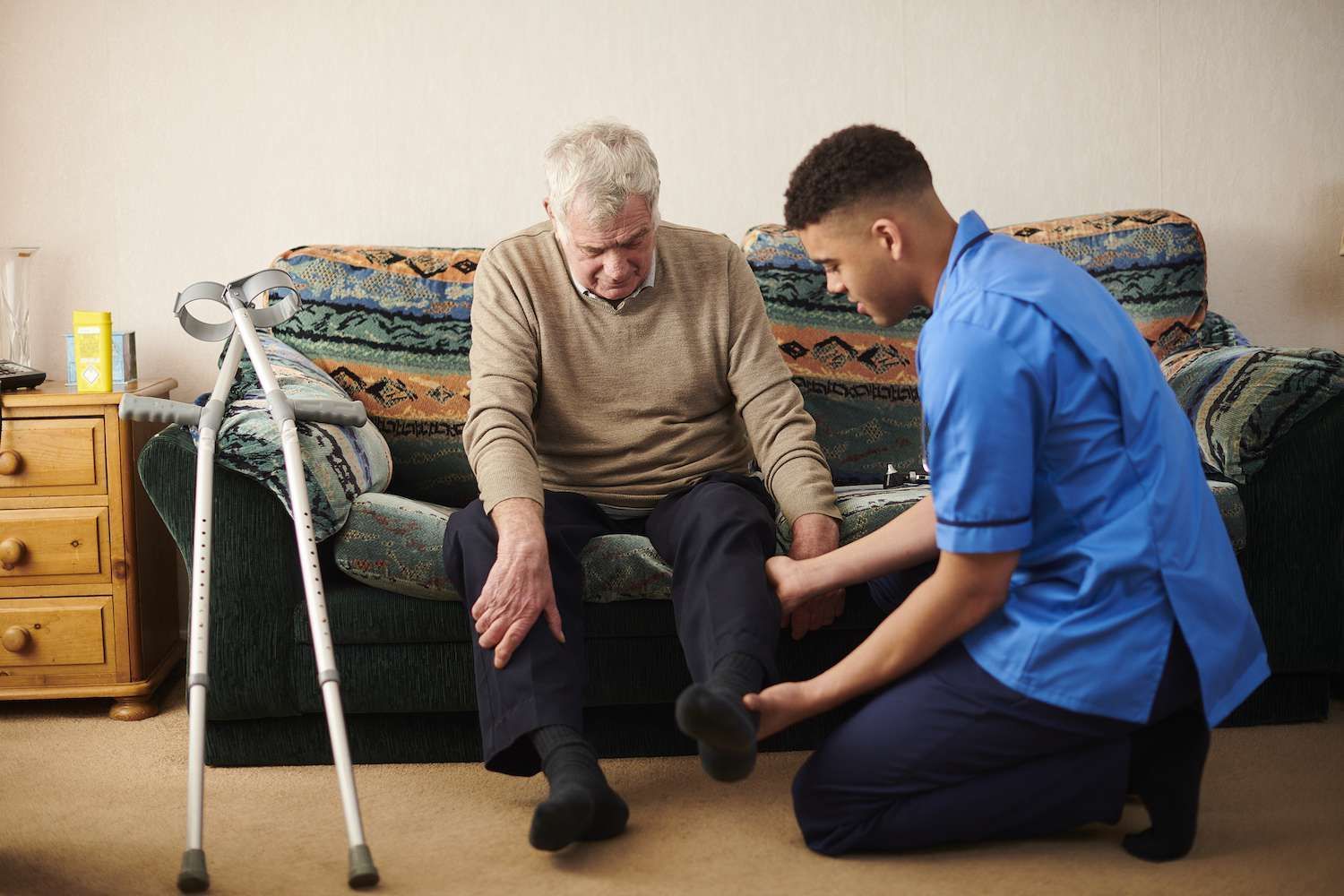
- Safety: Providing supervision to help reduce the risk of falls, wandering, or other safety concerns.
- Companionship: Spending time together, talking, and helping your loved one stay engaged.
What Requires a Doctor or Medical Professional?
Some needs require medical care and should always be handled by your loved one’s doctor or healthcare provider. These include:
- Diagnosing Alzheimer’s disease
- Determining the stage of the disease
- Prescribing or changing medications
- Making medical treatment decisions
The goal of non-medical home care is simple: provide dependable day-to-day support while helping your loved one remain safe, comfortable, and treated with dignity at home.

How Does In-Home Care Help a Loved One with Alzheimer's?
At 7 Day Home Care, our caregivers are trained to support the daily realities of memory loss.
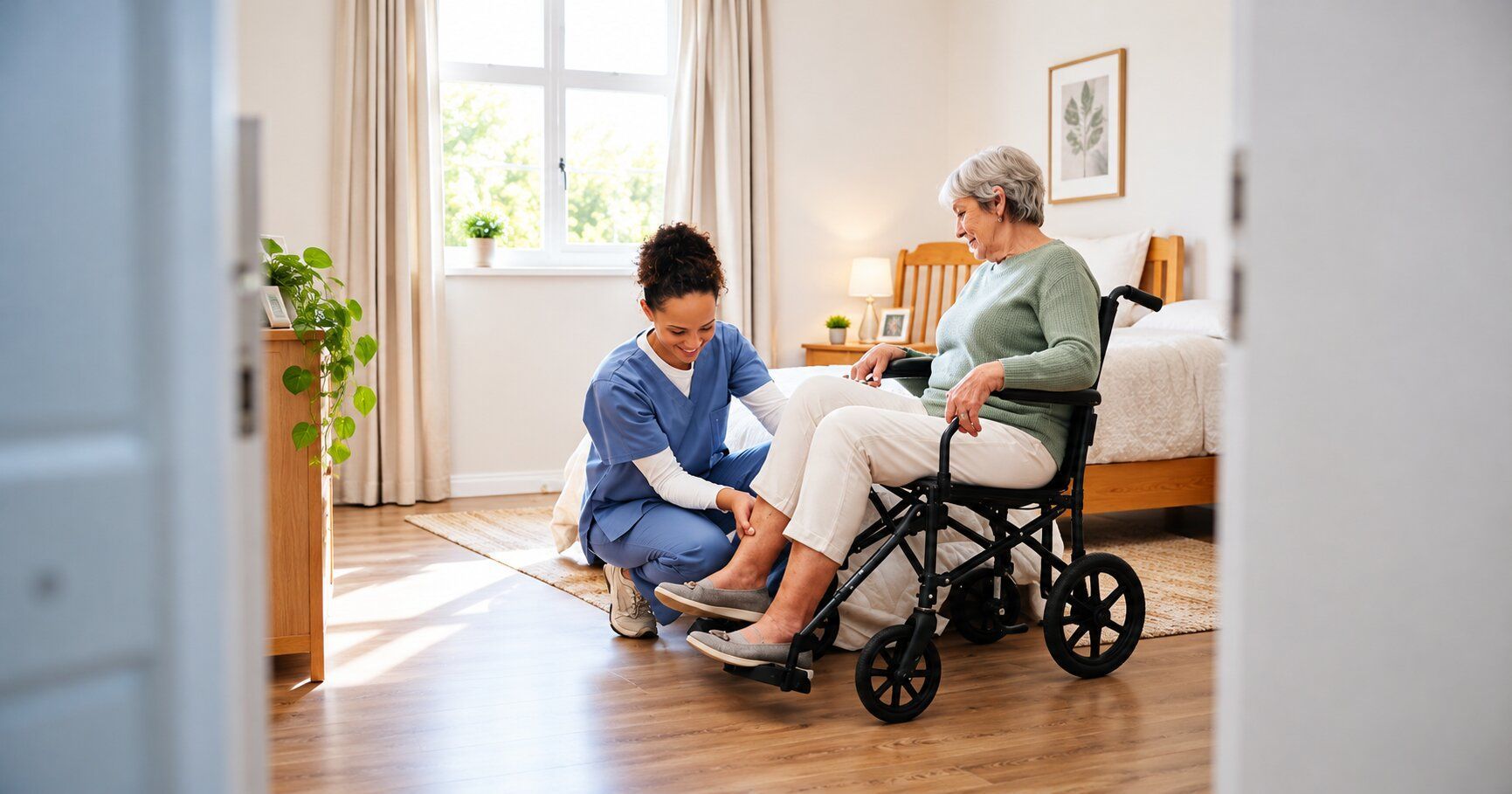
- A calm, consistent daily routine. Predictability is one of the most powerful tools in memory care. A caregiver structures the day — waking, meals, personal care, activities, rest — at the same times, the same gentle way, reducing confusion and anxiety.
- Help with bathing, dressing, and personal care. Our Certified Home Health Aides assist with activities of daily living using approaches that respect privacy and reduce resistance.
- Meal preparation and gentle reminders. Caregivers prepare familiar, appealing meals and provide the cueing needed to eat and drink enough through the day — including honoring Kosher or other cultural food preferences.
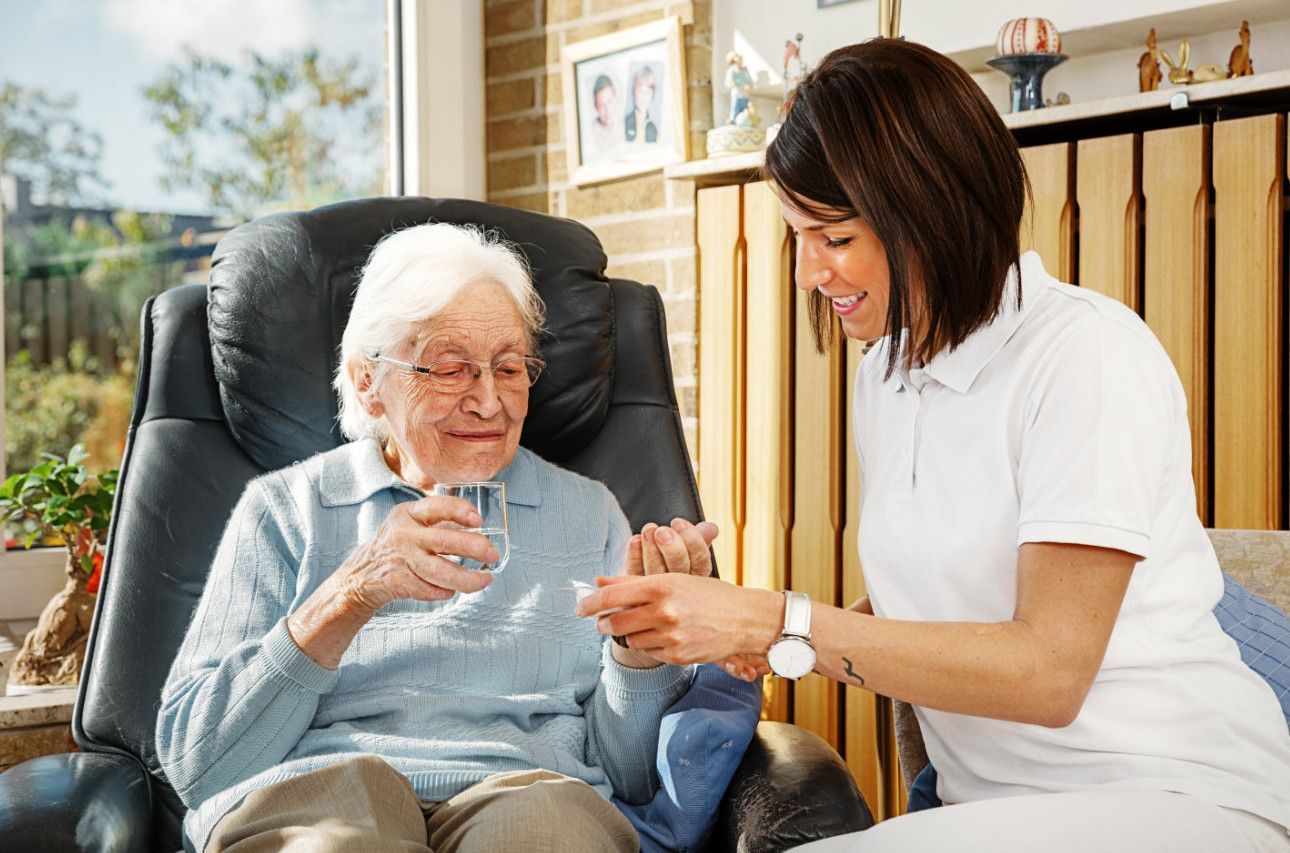
- Medication reminders. While medication is always directed by your loved one's doctor, caregivers provide reminders so doses aren't missed or accidentally repeated — a common and dangerous problem with memory loss.
- A safer home. A trained caregiver is a constant, watchful presence — turning off the stove, clearing fall hazards, preventing wandering. This supervision is often the single biggest reason families decide it's time for help.
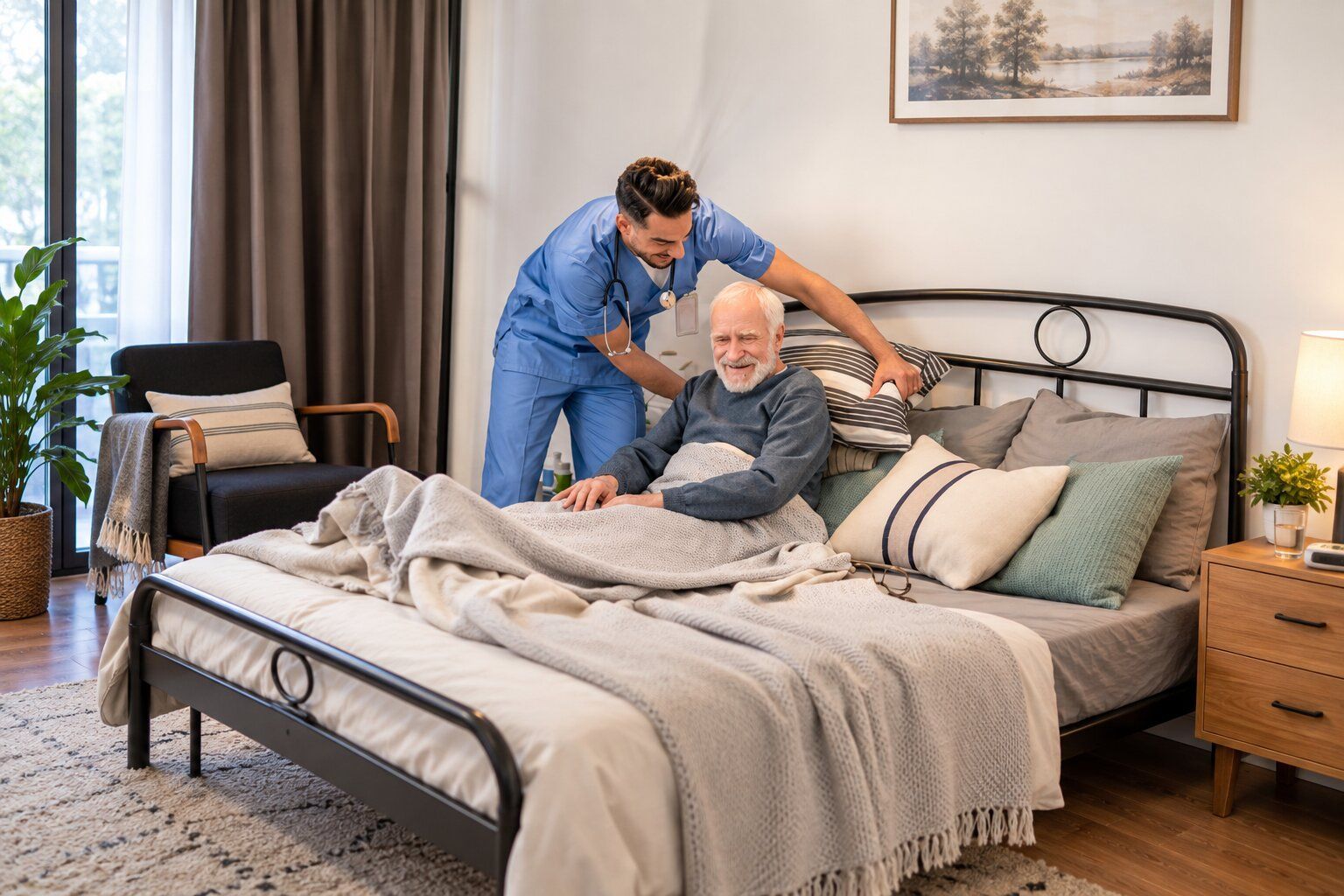
- Overnight and 24-hour support for sundowning. For loved ones who become disoriented or restless at night, overnight and 24-hour care keeps them safe and calm, gently redirects wandering, and helps with bathroom trips to prevent falls — while the rest of the family finally sleeps.
- Genuine companionship. Conversation, music, walks, photo albums, and simple shared activities keep a person engaged and connected — human presence supports mood in ways no checklist can.
- Support for the whole family. Caregiver burnout is real. Bringing in professional help — a few hours a day or around-the-clock — gives family members space to rest, work, and simply be a son or daughter again.
Why New York Families Choose 7 Day Home Care
7 Day Home Care is a New York State Department of Health–licensed home care services agency (LHCSA), providing private-duty non-medical care throughout Manhattan, Queens, Brooklyn, Nassau County, and Suffolk County since 2012. Alzheimer's and dementia care is one of the areas we know best.
- Person-centered care plans built around your loved one's specific routines, preferences, and stage — never a one-size-fits-all schedule.
- Careful caregiver–client matching. Consistency matters enormously in dementia care; we work to keep familiar, trusted faces in front of your loved one.
- Trained, thoroughly vetted aides — background checks, in-person interviews, ongoing training, RN supervision.
- Multilingual caregivers, so your loved one is cared for in the language that feels like home.
- Flexible hours — from a few hours a day to live-in and 24-hour care, scaling as Alzheimer's changes over time.
- Care wherever your loved one is — home, hospital, assisted living, or rehab facility.
When Is It Time to Bring in Home Care?
Every family's timeline is different, but these are common signals:
- Your loved one is skipping meals or losing weight
- You've noticed unsafe moments — the stove left on, wandering, or a fall
- Bathing and personal care have become a daily battle
- Evenings and nights are increasingly difficult (sundowning)
- You, the family caregiver, feel exhausted, stretched thin, or unable to keep up with work and your own life
If any of this sounds familiar, a brief conversation can help you understand your options — no obligation, just clarity about the next step.
Frequently Asked Questions
Is Alzheimer's care at home a medical service?
Most day-to-day support a person with Alzheimer's needs is non-medical — help with bathing, dressing, meals, safety supervision, medication reminders, and companionship. 7 Day Home Care provides this non-medical, private-duty care. Medical treatment and medication decisions should always be handled by your loved one's physician.
How many hours of care does someone with Alzheimer's need?
It depends on the stage and the family's situation. Some families start with a few hours a day for companionship and safety, then increase to live-in or 24-hour care as the disease progresses. We build a flexible plan that grows with your loved one's needs.
Can a caregiver help with sundowning and nighttime wandering?
Yes.
Overnight and 24-hour caregivers are especially valuable for loved ones who become restless, disoriented, or prone to wandering in the evening and at night — keeping them safe, redirecting gently, and providing reassurance so the whole family can rest.
Will my loved one have the same caregiver each time?
Consistency is a priority in dementia care. Through our caregiver–client matching model, we work to provide familiar, trusted caregivers so your loved one isn't confused by constantly changing faces.
Which areas does 7 Day Home Care serve?
Manhattan, Queens, Brooklyn, Nassau County, and Suffolk County, with offices in Lake Success (Long Island) and Manhattan.
How do we get started?
Call (516) 408-0034 any time, day or night. We'll discuss your loved one's needs and arrange a free consultation to create a personalized care plan.
Local, Compassionate Alzheimer's Home Care Across NYC and Long Island
If you're caring for a parent or spouse with Alzheimer's in
Manhattan,
Queens,
Brooklyn, Nassau County, or Suffolk County, you don't have to do it alone.
7 Day Home Care provides trusted, non-medical in-home care that helps your loved one stay safe and comfortable in the place they know best — home.
Call
(516) 408-0034 for a
free consultation. Available 24/7, with offices in Lake Success (Long Island) and Manhattan.
7 Day Home Care is a New York State Department of Health–licensed home care services agency providing non-medical, private-duty home care. This article is for general informational purposes and is not medical advice. Please consult your loved one's healthcare provider for guidance on diagnosis, medication, and treatment