What Does a Home Health Aide Do for a Bedbound Patient?
What Does a Home Health Aide Do for a Bedbound Patient?

A practical guide to bedridden care at home in New York City and Long Island
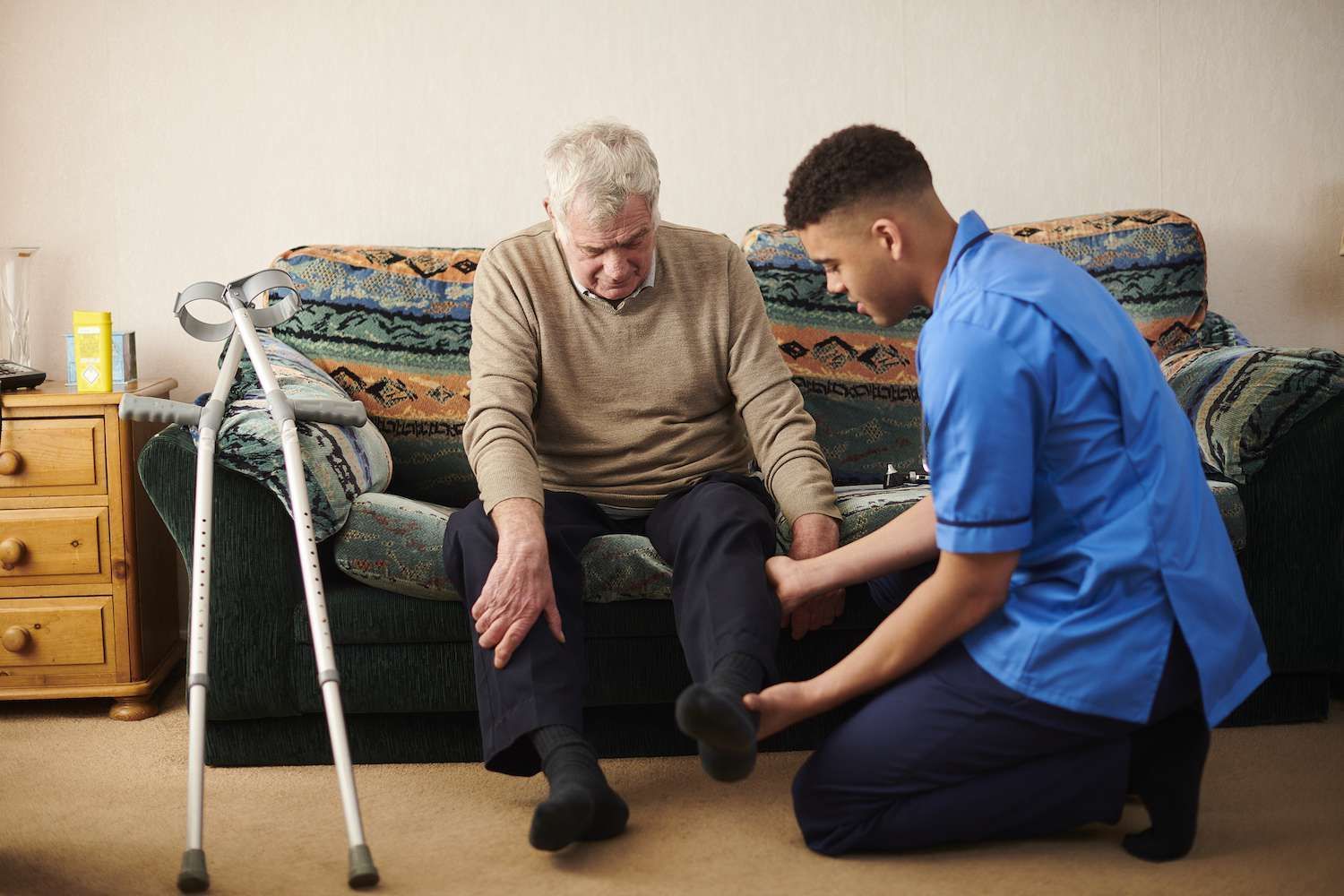
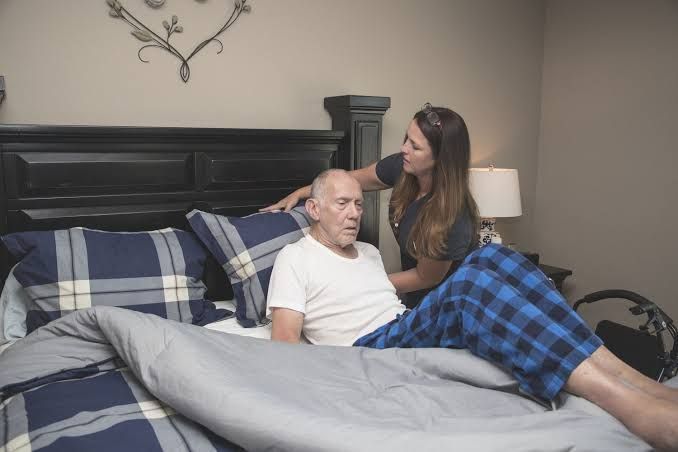
A home health aide (HHA) helps a bedbound person with essential daily activities they cannot safely manage alone. Depending on the individual's care plan, this may include repositioning, bed bathing, incontinence care, changing bed linens, assistance with meals, medication reminders, approved mobility exercises, and observing and reporting changes in condition. An aide also provides companionship and helps maintain a clean, comfortable environment.
For someone who cannot get out of bed independently, these tasks require more than occasional assistance. They need to be coordinated around the person's mobility, skin health, medical instructions, comfort and preferences.
7 Day Home Care provides home care for families in Manhattan, Queens, Brooklyn, Nassau County and Suffolk County. Our team can help you discuss the level of support needed for a parent, spouse or other family member who is confined to bed.
Request a Free Consultation | Call (516) 408-0034
What Does Bedbound Care Include?
The exact responsibilities of a home health aide depend on the person's needs and the care plan created by the supervising clinical team.
Repositioning
Assist with scheduled position changes and pressure relief using approved techniques and equipment.
Personal Hygiene
Provide bed baths, oral care, grooming, dressing, and skin cleansing.
Incontinence Care
Change briefs and pads promptly, clean and dry the skin, and use approved skin-protection products.
Bed Linens
Change sheets and bedding, including when the person must remain in bed.
Meals and Hydration
Prepare meals, assist with eating, and offer fluids according to swallowing and dietary instructions.
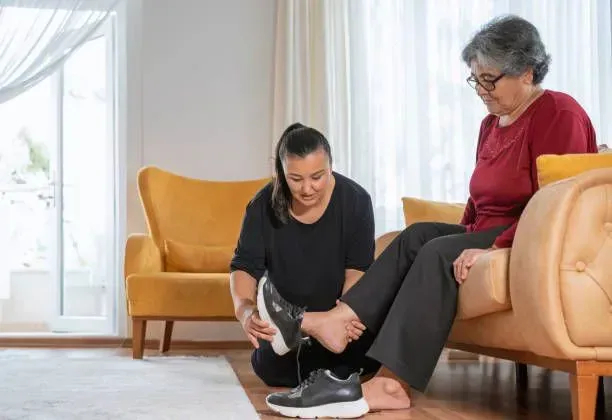
Mobility
Assist with approved positioning, transfers, or therapist-directed exercises within the aide's training and care plan.
Medication Assistance
Provide reminders and other permitted assistance within New York's applicable rules and the care plan.
Observation
Notice and promptly report changes in skin, breathing, alertness, appetite, comfort, or other conditions.
Household Support
Help with laundry, light housekeeping, and supplies related to the person's care.
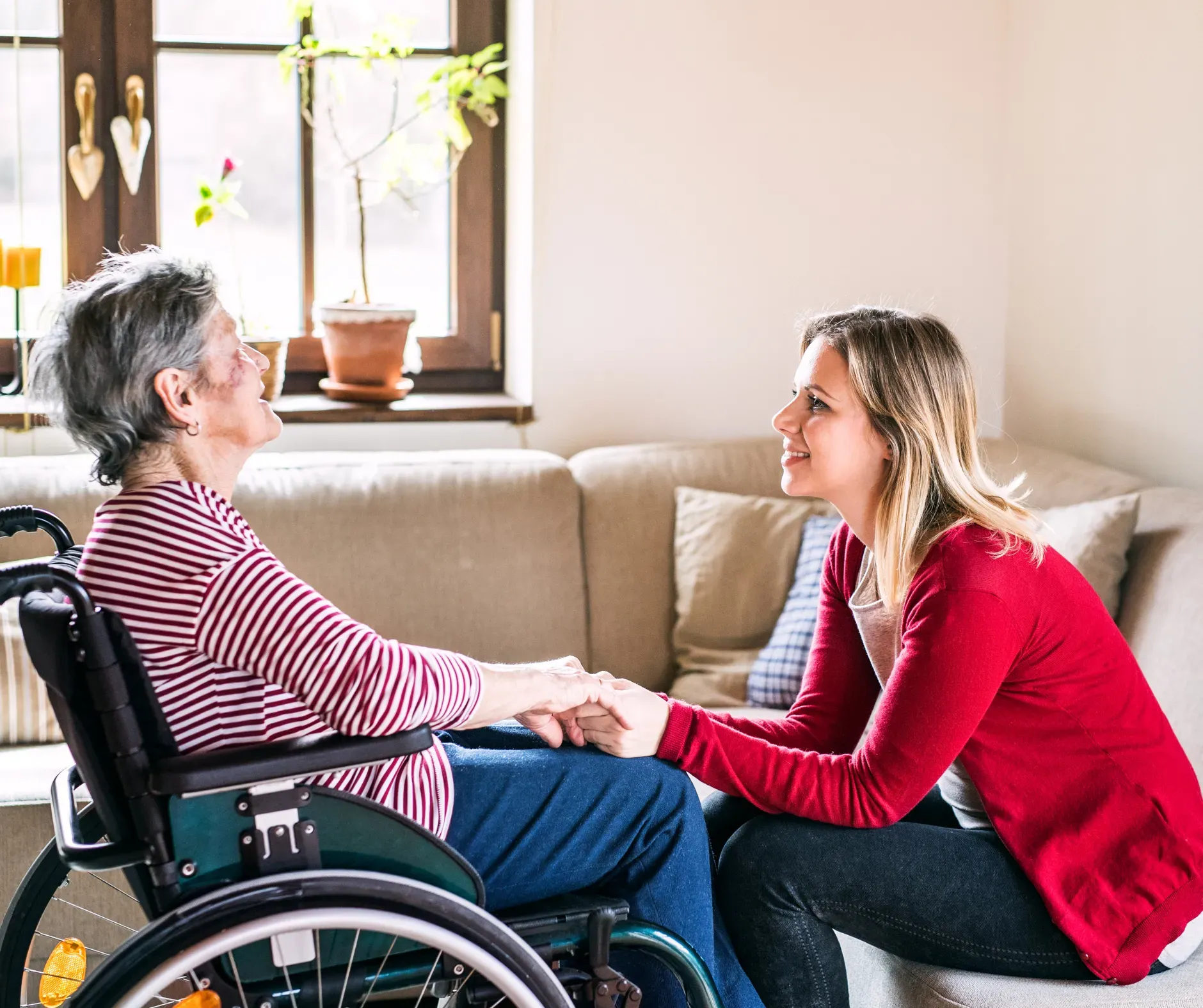
Companionship
Provide conversation, reassurance, and support for the person's preferred daily routine.
Important: A home health aide does not replace a nurse, physician, physical therapist, or other licensed clinician. Medical treatment and tasks outside the aide's authorized scope must remain with the appropriate professional.
What Does a Typical Day of Bedbound Care Look Like?
There is no universal schedule. Some people are fully alert and able to direct their care, while others need extensive physical assistance and may have difficulty communicating. A daily routine should reflect the person's abilities, preferences and medical instructions.
Morning: Personal care and getting comfortable
Morning care may include helping the person change position, providing a bed bath, assisting with oral hygiene, changing clothing and bed linens, and helping with toileting or incontinence care.
The aide may then prepare breakfast and assist with eating or drinking, following any prescribed positioning, dietary or swallowing precautions. The morning is also an opportunity to observe changes in skin condition or comfort and report concerns according to the care plan.
Afternoon: Repositioning, meals and daily activities
During the day, an aide follows the prescribed repositioning schedule, assists with lunch and hydration, and provides personal care as needed. Where included in the care plan and within the aide's training, the aide may help with exercises or movements directed by a physical or occupational therapist.
Daily life matters, too. Listening to music, talking with family, watching a favorite program or spending time near a window may be meaningful parts of the person's routine.
Evening: Preparing for a comfortable night
Evening care may involve dinner, hygiene, clean clothing, incontinence care and positioning for comfort. The aide can help organize supplies and report any concerns or changes observed during the shift.
If the person needs assistance overnight, the family must also arrange coverage that can reliably meet those needs.
1. Repositioning and Pressure-Injury Prevention
A person who remains in bed for extended periods may be at increased risk of pressure injuries, sometimes called bedsores. These injuries can develop when prolonged pressure, friction or shear damages skin and underlying tissue.
Home health aides can help reduce these risks by following an individualized repositioning plan, using approved positioning aids, minimizing dragging across bedding, and promptly reporting changes in the skin.
How often should a bedbound person be turned?
There is no single turning schedule appropriate for everyone. Two-hour intervals are familiar to many families, but the correct frequency depends on the person's skin condition, ability to move independently, comfort, medical status and pressure-redistributing mattress.
The supervising nurse or treating clinical team should establish the repositioning plan. Aides follow that plan and report pain, skin changes or difficulty tolerating a position. Repositioning needs may continue overnight, depending on the individual's assessment.
A pressure-relieving mattress can help, but it does not automatically eliminate the need to reposition.
2. Bed Baths, Hygiene and Incontinence Care
A person who cannot safely leave bed still needs regular bathing, oral hygiene, grooming and clean clothing. An aide can provide these services while maintaining warmth, privacy and dignity.
Incontinence care is particularly important when someone spends long periods in bed. Prompt cleansing and drying help protect the skin from moisture-related damage. An aide may use barrier products when directed by the care plan and report irritation, open areas or other concerning changes.
Bed linens can also be changed while the person remains in bed, using appropriate handling techniques. If repositioning requires additional personnel or equipment, that need should be identified in advance.
3. Help With Eating, Drinking and Swallowing Precautions
Some bedbound people can feed themselves once meals are prepared and placed within reach. Others need direct assistance with eating and drinking.
An aide should follow the person's prescribed diet, fluid restrictions, swallowing precautions and positioning instructions. A person with swallowing difficulties may need an assessment by a speech-language pathologist and specific guidance about food textures, liquid consistency and safe feeding.
Coughing, choking, a wet-sounding voice during meals or new difficulty swallowing should be reported promptly. Food or fluids should never be offered in a manner that conflicts with the person's clinical instructions.
4. Mobility, Transfers and Therapist-Directed Exercises
Being bedbound does not necessarily mean a person should never move. Depending on their condition, a physical or occupational therapist may recommend appropriate movement, positioning or exercises.
A home health aide may assist with permitted activities that are included in the care plan and for which the aide has been trained. Aides should not independently design exercise programs, force a painful joint through a movement or attempt unsafe transfers.
If the person requires a mechanical lift or assistance from two people, the home-care arrangement must account for the necessary equipment, staffing and training.
5. Medication Reminders and Observation
A home health aide may provide medication reminders and other assistance permitted under applicable New York rules and the person's care plan. Medication administration and other clinical procedures require the appropriate authorization, personnel and supervision.
Aides also play an important role in noticing changes during everyday care. They may be among the first to observe that a person is eating less, seems unusually confused, develops a cough, has new swelling or appears uncomfortable during repositioning.
Their responsibility is to recognize and report concerning changes—not to diagnose the cause or change the treatment plan.
What Can a Home Health Aide Not Do?
A standard home health aide is not a substitute for skilled nursing care. Families should clarify in advance which tasks require a nurse or another licensed clinician.
Tasks such as medical assessment, wound-treatment decisions, injections, complex medication administration, and management of feeding tubes or catheters may require licensed clinical personnel or a specifically authorized care arrangement. Aides should never be expected to perform procedures outside their training, authorization or plan of care.
A bedbound person may receive both home health aide services and skilled nursing or therapy. These services complement one another but serve different purposes.
Does a Bedbound Person Need 24-Hour Home Care?
Not every bedbound person needs 24-hour care. The deciding question is whether their needs can be met safely during every part of the day and night.
Someone who can reposition independently, communicate clearly and receive reliable family assistance may need scheduled daytime care. Someone who cannot reposition, toilet or summon help independently may require substantially more coverage.
An assessment should consider how often assistance is needed, what happens between visits, whether family members are available and whether nighttime care can be safely provided.
Overnight care versus live-in care versus 24-hour care
These arrangements are not interchangeable.
Overnight care provides coverage during designated nighttime hours. It may be appropriate when a person needs help with nighttime toileting, repositioning or supervision.
Live-in care involves a caregiver staying in the home with appropriate sleep and rest arrangements. It may not be suitable when the person needs frequent hands-on assistance throughout the night.
24-hour care using rotating shifts provides continuous coverage through multiple caregivers. It may be necessary when someone needs regular assistance both day and night and cannot safely wait for a sleeping caregiver.
For a person who needs frequent overnight repositioning or other hands-on care, discuss the actual nighttime workload before selecting a schedule.
What Equipment Might Be Needed at Home?
Depending on the person's condition and the clinical team's recommendations, equipment may include an adjustable hospital bed, a pressure-redistributing mattress, positioning pillows or wedges, appropriate transfer equipment, and supplies for hygiene and incontinence care.
The home itself also matters. Caregivers need sufficient space to work safely around the bed and use any prescribed equipment. A mechanical lift, for example, requires appropriate clearance, compatibility and trained personnel.
Before care begins, confirm that necessary equipment is available and that the assigned caregivers are prepared to use it safely.
What Should Families Watch for and Report?
A home health aide should follow the agency's reporting procedures and the person's individualized care plan. Family members should also know whom to contact when something changes.
Concerns that warrant prompt reporting include new or worsening skin discoloration, open skin, increased pain, fever, changes in alertness, reduced food or fluid intake, changes in urination, new swelling or a worsening cough.
Call 911 for an apparent medical emergency, such as severe breathing difficulty, unresponsiveness, symptoms of stroke or other immediately life-threatening changes. Do not wait for a routine agency callback in an emergency.
Caring for a Bedbound Parent or Spouse: When Family Help Is No Longer Enough
Family members often begin by helping with meals, hygiene and repositioning. Over time, the physical workload, interrupted sleep and need for dependable coverage can become difficult to manage alongside work and other responsibilities.
Professional home care can provide scheduled assistance with daily tasks while allowing family members to focus on their relationship with the person receiving care.
For some households, a few hours of support during the most demanding part of the day may be enough. Others need overnight assistance or continuous coverage. The right arrangement depends on the person's needs and the family's actual capacity—not on a predetermined package of hours.
How to Choose a Home Health Aide for a Bedbound Family Member
Bedbound care calls for particular experience. When speaking with an agency, ask how it assesses care needs, selects caregivers and handles changes in condition.
Questions worth asking include:
- Has the caregiver worked with people who need extensive assistance with repositioning, bathing and incontinence care?
- Who establishes and updates the care plan?
- Can the caregiver safely use the specific equipment in the home?
- How does the agency determine whether one caregiver is sufficient or two are required?
- How are changes in skin condition or health reported to the supervising nurse?
- What happens if the assigned caregiver is sick or cannot arrive?
- How is overnight care staffed when frequent assistance is needed?
- Can the agency coordinate with an existing visiting nurse, therapist or discharge team?
A caregiver's personality and communication style matter alongside practical experience. Bedbound care is personal, and the individual receiving it should have as much choice and control as their condition allows.
Arranging Bedbound Home Care in NYC and Long Island
The physical layout of a home can influence how care is arranged. Families in
Manhattan,
Queens and
Brooklyn may need to consider apartment access, elevators, narrow hallways and space for equipment. In Nassau and Suffolk counties, stairs and the distance between bedrooms and bathrooms may affect the setup.
These are considerations to assess—not reasons to assume care at home is impossible.
If a family member is returning from a hospital or rehabilitation facility, discuss the discharge plan, required equipment, medication instructions, therapy arrangements and level of assistance needed before the person comes home.
Hospital Discharge Planning on Long Island
How 7 Day Home Care Can Help
7 Day Home Care is a New York State–licensed home care services agency serving Manhattan, Queens, Brooklyn, Nassau County and Suffolk County.
We work with families arranging assistance for people who need substantial help with daily living, including those who are confined to bed. Our approach begins with understanding the individual's needs, the home environment, the existing medical instructions and the family's availability.
Depending on the assessment and caregiver availability, care may include scheduled daytime hours, overnight assistance, live-in care where appropriate, or rotating shifts for continuous coverage. We aim to match caregivers to the needs of the case and maintain continuity whenever possible.
Families with long-term care insurance can also discuss policy requirements and the documentation needed to pursue eligible benefits.
Learn About Long-Term Care Insurance
Need help caring for a bedbound parent or spouse?
Tell us what your family member can do independently, where they need assistance, what equipment is already in the home and whether care is needed overnight. We can discuss available home-care arrangements and the next steps.
Frequently Asked Questions
Can a home health aide turn a bedridden patient?
Yes, when repositioning is included in the care plan and can be performed safely with the aide's training and available equipment. Some individuals need assistance from two people or specialized equipment.
How often should a bedridden patient be turned?
The clinical team should establish an individualized schedule. Two-hour intervals are common in some care plans, but the appropriate frequency depends on the person's condition, skin tolerance, mobility, comfort and support surface.
Can a home health aide change an adult diaper or brief?
Yes. Changing briefs and providing associated personal hygiene are common home health aide responsibilities when included in the care plan.
Can an aide give a bed bath?
Yes. Bed bathing, grooming and oral hygiene are typical personal-care tasks for an aide assisting someone who cannot safely leave bed.
Can a home health aide feed a bedbound person?
An aide may assist with meals according to the person's care plan. Any swallowing difficulties, modified diets or fluid restrictions require the appropriate clinical instructions.
Can an aide treat bedsores?
Aides can assist with prescribed prevention measures, routine hygiene and reporting changes. Clinical wound assessment, treatment decisions and skilled wound care belong to appropriately qualified clinicians.
Does a bedridden person need someone present overnight?
It depends on whether they can reposition, manage toileting, communicate distress and obtain help when needed. A person who requires frequent nighttime assistance may need awake overnight coverage or rotating shifts rather than a sleeping live-in caregiver.
Can a bedbound parent remain at home instead of moving to a nursing facility?
Some people can remain at home with an appropriate combination of personal care, skilled services, equipment and family support. Whether this is safe and practical depends on the person's clinical needs, the home environment and the coverage available.
Does long-term care insurance cover bedbound home care?
Some policies cover qualifying home health aide services, subject to their benefit triggers, elimination periods, coverage limits and provider requirements. Review the individual policy before assuming that a particular schedule will be reimbursed.
How quickly can home care begin?
Start by discussing the required hours, care needs, equipment and location with the agency. Timing depends on assessment requirements and suitable caregiver availability. More complex arrangements, including continuous coverage or specialized transfer needs, may require additional coordination.
About This Guide
Published by 7 Day Home Care, a New York State–licensed home care services agency serving New York City and Long Island.
This guide provides general information and is not a substitute for individualized medical advice. Caregivers must follow the person's plan of care, applicable New York requirements and instructions from their treating clinical team.
Clinical and Regulatory References
- 2025 International Guideline: Repositioning for Preventing Pressure Injuries
- National Pressure Injury Advisory Panel: Prevention Resources
- New York State Department of Health: Home Care
- New York State Home Care Personnel Requirements