Recovering After Heart Surgery at Home in NYC & Long Island: A Support Plan That Actually Works
Recovering From Heart Surgery at Home: A Family Guide for NYC & Long Island
Quick answer: Recovery at home after heart surgery depends on the procedure and the patient's health. After coronary artery bypass grafting (CABG), full recovery commonly takes about 6–12 weeks after hospital discharge; other procedures have different timelines. Families can prepare by confirming discharge instructions, making the home easier to navigate, organizing medications and follow-up visits, arranging appropriate help with daily activities, and knowing when to call the surgical team or 911.
This guide covers practical, non-medical support, not individualized medical advice. The surgeon's discharge instructions and the patient's clinical care plan always take priority.
Coming home after heart surgery can be a relief—and the beginning of a demanding transition. Everyday activities such as getting out of bed, bathing, preparing food and traveling to appointments may require more planning than they did before surgery.
A written home-support plan can help family members share responsibilities and recognize when professional assistance is appropriate.
How Long Does Recovery From Heart Surgery Take?
The timeline varies with the operation, whether it was minimally invasive, complications, and the person's baseline health.
The National Heart, Lung, and Blood Institute (NHLBI) says recovery after CABG generally takes about 6–12 weeks after leaving the hospital; minimally invasive CABG may involve a shorter recovery.
This is not a universal timeline for valve surgery, catheter-based procedures or every patient.
Source: NHLBI — Coronary Artery Bypass Grafting Recovery.
First Days and First Week at Home
Fatigue, discomfort, disrupted sleep and difficulty with ordinary tasks may be especially noticeable.
Before discharge, ask whether someone should stay with the patient, what assistance is needed for transfers and bathing, and which symptoms require urgent contact.
Do not assume a patient can safely use stairs, shower or walk independently simply because they have been discharged.
Weeks Two Through Four
Activity may gradually increase as directed by the surgical team, but recovery is not always linear.
Continue to follow the individual's instructions about walking, lifting, driving, wound care and rest. Ask before changing the plan, even when the person feels stronger.
Later Weeks and Cardiac Rehabilitation
Some patients regain independence over the following weeks, while others need longer.
Cardiac rehabilitation is a supervised program that may include exercise, education and support for healthy habits.
Ask the treating team whether rehabilitation is recommended, when it should begin and how the patient will get there.
Source: American Heart Association — Cardiac Rehabilitation.

Heart Surgery Recovery at Home: An Eight-Step Family Checklist
1. Leave the Hospital With Clear Written Instructions
Confirm the procedure performed, follow-up appointments, activity and lifting restrictions, wound-care instructions, bathing and driving guidance, diet or fluid restrictions, medication list, and the number to call after hours.
Ask the discharge team to demonstrate any unfamiliar care task and explain what help the patient will need at home.
See our
hospital discharge planning checklist.
2. Prepare a Safer Home Environment
Clear walkways and loose rugs; provide good lighting; keep frequently used items within reach; and consider a suitable chair and bathroom equipment if recommended by the care team.
If stairs or a walk-up apartment are involved, discuss the safest plan before discharge.
Do not purchase or use mobility equipment without checking that it fits the patient's restrictions and needs.
3. Follow the Patient's Movement and Lifting Restrictions
Some operations involve a sternotomy (an incision through the breastbone).
In those cases, the surgeon may provide specific instructions for using the arms, pushing up from a chair, lifting and getting into bed.
These instructions differ by patient and procedure.
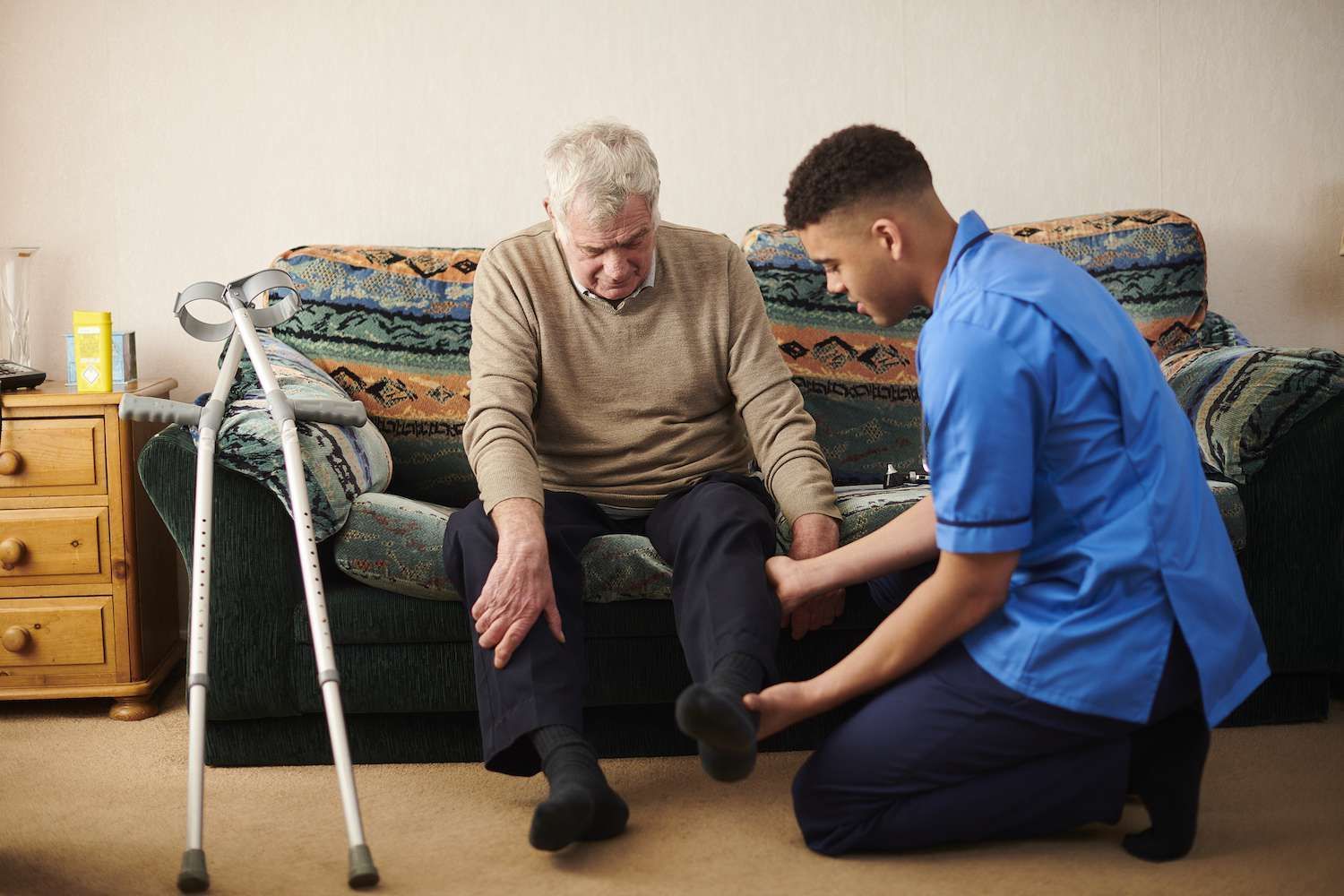
An aide can assist with permitted daily activities and mobility as specified in the care plan; the aide should not independently decide what movement is medically safe.
4. Make Medication Management Clear
Keep an up-to-date medication list with doses, timing and the prescribing clinician.
Ask a nurse or pharmacist to reconcile the discharge list with medications used before surgery.
Use reminders if helpful. Do not change, stop, double or reorganize doses without appropriate clinical guidance.
Ask the pharmacist before using a pill organizer, particularly when medicines have special handling instructions.
A home health aide may provide reminders within the authorized plan of care; medication administration and clinical decisions require appropriately authorized personnel.
5. Plan Meals Around the Prescribed Diet
Arrange simple meals and grocery help.
Follow the patient's individualized instructions about sodium, fluids, appetite concerns and medication–food interactions.
A “heart-healthy” meal plan is not a substitute for restrictions prescribed after surgery.
6. Decide Who Is Available Overnight
Some people need assistance getting to the bathroom, changing position or following an established routine overnight.
Ask the discharge team whether overnight supervision is appropriate.
Families may choose awake overnight care when regular nighttime assistance is needed; a home health aide does not replace emergency medical care or skilled nursing.
7. Coordinate Follow-Up Care and Emotional Support
Put surgeon and cardiology appointments on a shared calendar, and arrange transportation to cardiac rehabilitation if prescribed.
Changes in mood, sleep or confidence can occur during recovery; persistent or worsening symptoms should be discussed with the treating team.
Family and companion support can help with routine and social connection.
8. Share the Work Among Family Members and Caregivers
Write down who handles meals, medications, appointments, daytime help, evenings and emergencies.
Include a backup contact.
If family coverage is insufficient, consider professional personal care, companion care or
respite care.
Quick Home Recovery Planning Checklist
- Written discharge and emergency instructions are available.
- Medication list and follow-up appointments are confirmed.
- Walking, stairs, lifting, bathing and driving restrictions are understood.
- Food, shopping, transportation and home safety needs are covered.
- Daytime and nighttime support responsibilities are assigned.
- Everyone knows when to contact the surgical team or call 911.
Warning Signs After Heart Surgery: When to Get Help
Follow the patient's discharge instructions first. The examples below are general and do not replace the surgical team's symptom-specific thresholds or emergency plan.
Call 911 Immediately for Possible Emergencies
- New, severe or persistent chest pain or pressure, particularly with sweating, nausea or breathing difficulty.
- Severe shortness of breath, sudden difficulty breathing or collapse.
- Signs of stroke: sudden facial drooping, arm weakness, speech difficulty, sudden confusion or other sudden neurological changes.
- Unresponsiveness, fainting with concerning symptoms, or severe uncontrolled bleeding.
Do not wait for a home care aide or routine callback when an emergency is suspected.
Source:
American Heart Association — Heart Attack and Stroke Warning Signs.
Contact the Surgical or Cardiology Team Promptly for Concerning Changes
- Increasing redness, warmth, swelling, drainage or separation at the incision.
- Fever or chills, following the specific temperature threshold provided at discharge.
- New or worsening leg swelling, cough, breathlessness or unexpected weight change.
- New palpitations, worsening dizziness or unusual fatigue.
- Vomiting, difficulty taking prescribed medicines, or symptoms that are not improving as expected.
- Persistent or worsening anxiety, depression or other emotional concerns.
Some of these symptoms may also be emergencies depending on their severity and accompanying symptoms.
When symptoms are sudden, severe or potentially life-threatening, call 911 rather than waiting for an office response.

Planning for Heart Surgery Recovery in NYC and Long Island
Manhattan, Brooklyn and Queens: Walk-up apartments, narrow bathrooms and building entrances can complicate the trip home. Confirm stair safety and access before discharge, especially if an elevator is unreliable. Plan transportation that avoids unnecessary exertion.
Nassau and Suffolk counties: Longer drives to medical appointments or cardiac rehabilitation can require advance coordination. Consider who will handle transportation, groceries and nighttime assistance, particularly when family members live in different parts of Long Island or New York City.
Across the region: Snow, ice and heat can affect safe travel and outdoor activity. Follow the care team's guidance on activity and temperature exposure. If relatives live far apart, use a shared calendar and identify a local point of contact.
How 7 Day Home Care Can Help After Heart Surgery
7 Day Home Care provides private-duty home care for families in Manhattan, Brooklyn, Queens, Nassau County and Suffolk County.
Our home health aides provide day-to-day support within an individualized, RN-supervised plan of care.
Services may include:
- Assistance with bathing, dressing, grooming and other activities of daily living.
- Help with permitted movement and routine activities under the care plan.
- Meal preparation, light housekeeping and companionship.
- Medication reminders within the aide's authorized role.
- Accompaniment to appointments and cardiac rehabilitation, when arranged.
- Scheduled daytime, overnight or other extended support according to assessed needs and staffing availability.
Important distinction: Private-duty home health aides do not replace the surgeon, cardiologist, skilled visiting nurse, physical therapist or cardiac rehabilitation team. The clinical team determines medical treatment and activity restrictions.
Families can also explore our
personal care services,
overnight care and
long-term care insurance support.
Frequently Asked Questions About Heart Surgery Recovery at Home
How Long Does Recovery After Bypass Surgery Take?
The NHLBI estimates about 6–12 weeks after hospital discharge for recovery from CABG, although the timeline varies. The surgeon should provide the individual estimate and activity instructions.
Does Someone Need to Stay With a Patient After Heart Surgery?
Some patients need help or supervision when they first return home.
The right amount and duration depend on mobility, cognition, procedure, complications and discharge instructions.
Ask the hospital team before discharge rather than assuming a standard number of days.
What Can a Home Health Aide Do After Heart Surgery?
Within an authorized care plan, an aide may assist with personal care, meals, mobility-related daily tasks, companionship and medication reminders.
Aides do not independently diagnose complications, prescribe treatment or perform tasks outside their permitted scope.
Is Overnight Home Care Useful After Surgery?
It can be helpful when someone needs assistance during the night or family members cannot safely provide the required coverage.
The appropriate level of care should be based on the patient's needs and discharge recommendations.
Does Medicare Pay for a Home Health Aide After Heart Surgery?
Medicare may cover part-time or intermittent home health aide services for eligible patients who also receive qualifying skilled services through a Medicare-certified home health agency.
Medicare does not cover 24-hour home care or personal care when that is the only service needed.
Private-duty home care is generally paid privately or through eligible insurance benefits.
Source:
Medicare — Home Health Services Coverage.
How Early Should Families Arrange Private-Duty Home Care?
Contact the agency as soon as a discharge date is being discussed.
The start date and level of coverage depend on the assessment, care needs and caregiver availability.
Do not assume care can begin immediately without confirmation.
Where Does 7 Day Home Care Provide Services?
7 Day Home Care serves Manhattan, Brooklyn, Queens, Nassau County and Suffolk County.
Contact the care team to discuss availability at the patient's address.
Prepare for a Safer Transition Home
If a loved one is preparing to leave the hospital after heart surgery, 7 Day Home Care can discuss non-medical home support and scheduling options that fit the discharge plan.
Call (516) 408-0034 or request a free consultation.
General education only; not medical advice. Follow the patient's treating clinicians and call 911 for emergencies.