Osteoporosis in Seniors: Preventing Fractures and Staying Safe at Home
Osteoporosis in Seniors: Preventing Fractures and Staying Safe at Home
Osteoporosis is often called a silent disease because bones can gradually become weaker without causing noticeable symptoms. For many older adults, the first warning sign is a broken bone.
A hip, spine, or wrist fracture can dramatically change an older person's daily life. Activities that once seemed simple, such as getting dressed, taking a shower, or walking to the bathroom, may suddenly require assistance.
The good news is that osteoporosis can be treated, and families can take meaningful steps to reduce fracture risks and help older adults remain safe and independent at home.
This guide explains what osteoporosis means for seniors, who should be screened, how to reduce fall and fracture risks, and when professional home care may help.
At
7 Day Home Care, we provide personalized, non-medical home care throughout New York City and Long Island, helping older adults with everyday activities, mobility assistance, companionship, and support following hospitalization or injury.
What Is Osteoporosis?
Osteoporosis is a condition in which bones become weaker and more susceptible to fractures. It develops when bone tissue is lost or the structure of bone deteriorates, reducing overall bone strength.
Healthy bones are constantly being renewed. As people age, bone loss can outpace the formation of new bone.
This process can make bones more fragile, increasing the likelihood of a fracture from a relatively minor fall or, in some cases, an ordinary movement.
Osteoporosis itself usually does not cause pain. Pain, loss of height, or changes in posture may develop when fractures occur, particularly in the spine.
The most common osteoporosis-related fractures involve the hip, spine, and wrist.
How Common Is Osteoporosis After Age 65?
Osteoporosis becomes more common with age, particularly among women after menopause.
According to the Centers for Disease Control and Prevention's National Center for Health Statistics, data collected in 2017–2018 found osteoporosis in approximately:
- 27.1% of women aged 65 and older
- 5.7% of men aged 65 and older
These figures are historical U.S. survey estimates, not a prediction of any individual's risk.
Many additional older adults have low bone mass, sometimes called osteopenia, which can also increase fracture risk.
Source: CDC — Osteoporosis or Low Bone Mass in Older Adults.
Who Is Most at Risk?
Factors associated with increased osteoporosis or fracture risk include:
- Older age
- Being female, particularly after menopause
- Previous fractures from minor injuries
- A parent with a history of hip fracture
- Low body weight or a small body frame
- Long-term use of certain medications, including glucocorticoids
- Smoking or excessive alcohol consumption
- Certain medical conditions that affect bone health
- Inadequate nutrition or prolonged physical inactivity
Having one or more risk factors does not necessarily mean someone has osteoporosis. A healthcare professional can assess individual risk and determine whether testing is appropriate.
Should Seniors Be Screened for Osteoporosis?
The U.S. Preventive Services Task Force recommends osteoporosis screening for women aged 65 and older, as well as younger postmenopausal women who have an increased risk of osteoporotic fractures.
For men, the Task Force has concluded that evidence is currently insufficient to recommend for or against routine screening in those without known osteoporosis or a history of fragility fractures. Individual circumstances may still warrant evaluation.
These recommendations were updated in January 2025.
A healthcare professional may recommend a
DXA scan, sometimes called a DEXA scan, to measure bone mineral density.
If your parent has experienced a fracture after a minor fall or another low-impact event, ask their healthcare provider whether an osteoporosis evaluation is needed.
A bone density test is only one part of assessing fracture risk. The clinician may also consider previous fractures, medications, medical conditions, and other factors.
Why Can One Fracture Change an Older Adult's Life?
A fracture can affect much more than bone health.
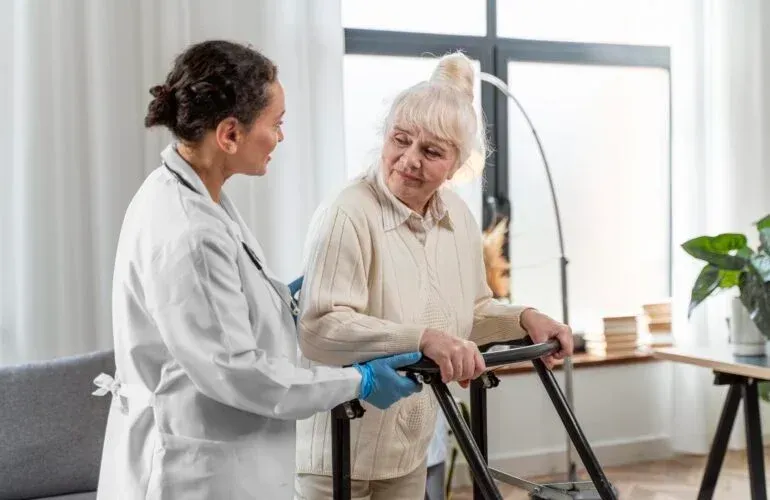
For older adults, a broken bone may lead to hospitalization, surgery, rehabilitation, pain, reduced mobility, and a temporary or lasting need for help with daily activities.
The impact depends on the type of fracture, the person's health before the injury, and their recovery.
Hip Fractures
Hip fractures are particularly serious among older adults and frequently occur following falls.
Many patients require surgery and rehabilitation. Recovery can involve difficulty walking, transferring, bathing, dressing, and completing other everyday tasks.
Some individuals regain substantial independence, while others continue to need assistance.
A suspected hip fracture requires prompt medical evaluation. Severe hip pain, inability to bear weight, or a leg that appears shortened or unusually rotated after a fall are concerning signs.
Spinal Compression Fractures
Osteoporosis can weaken the vertebrae, the bones that make up the spine.
A vertebral compression fracture may occur after a relatively minor injury or, in some cases, during an ordinary activity.
Possible symptoms include:
- New or worsening back pain
- Loss of height
- A more rounded upper back
- Difficulty standing or walking comfortably
Some spinal fractures cause little or no noticeable pain.
New back pain or changes in posture should be discussed with a healthcare professional, particularly when osteoporosis is known or suspected.
Wrist and Arm Fractures
A person who falls may instinctively reach out with their hand, resulting in a wrist or arm fracture.
Even when the injury is not life-threatening, it can interfere with essential activities such as dressing, cooking, bathing, and using mobility equipment.
Someone who lives alone may suddenly need help with tasks they previously managed independently.
Fear of Falling Again
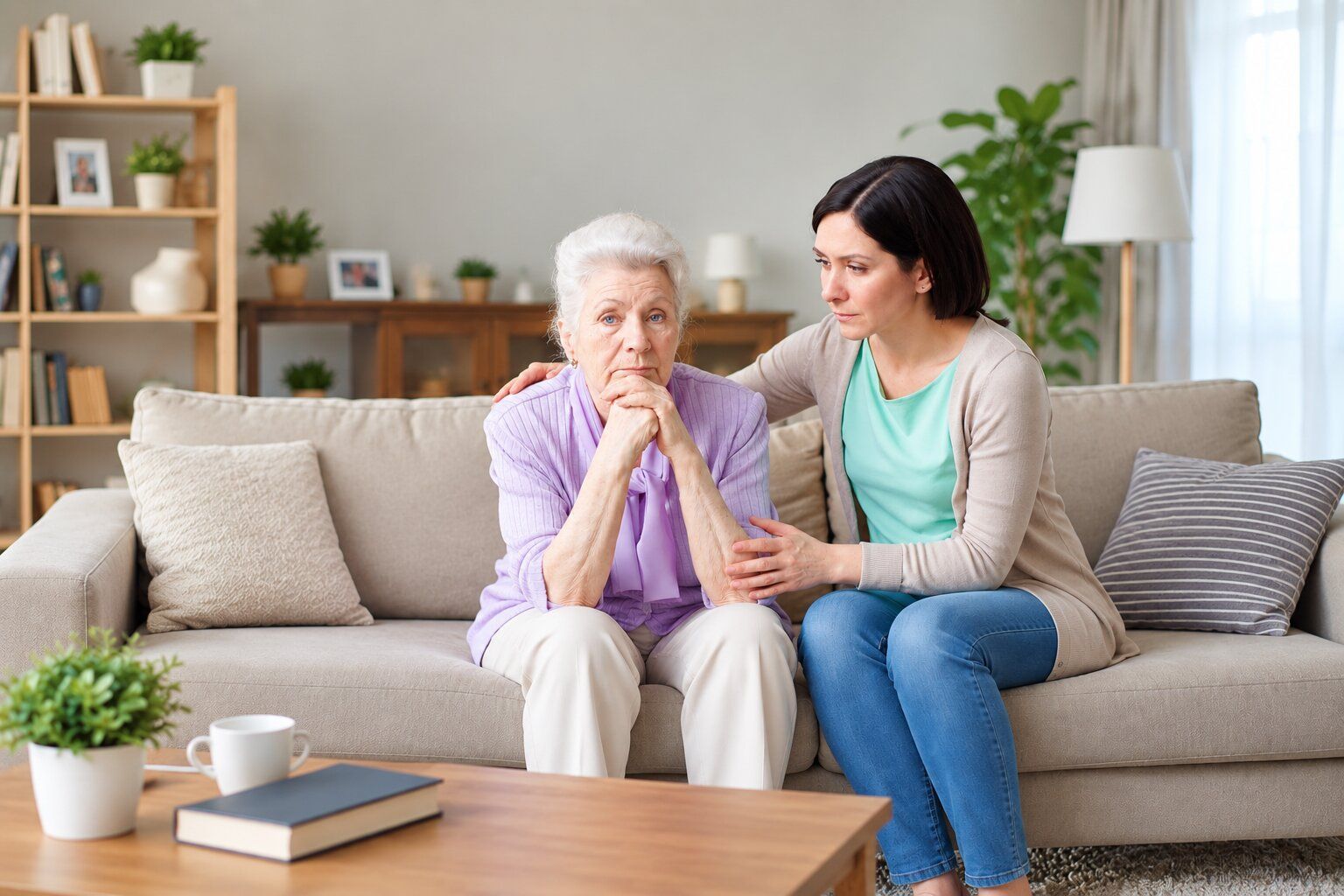
After a fracture or serious fall, some older adults become afraid to move around.
This fear can lead to reduced activity, social withdrawal, and loss of strength or confidence.
Appropriate rehabilitation, environmental changes, and assistance with daily activities may help older adults participate more safely in their usual routines.
How Does Osteoporosis Affect Everyday Life?
Osteoporosis may remain unnoticed until a fracture occurs. However, a diagnosis, a previous fracture, or concerns about falling can change how an older adult approaches everyday activities.
Families may notice several challenges.
Bathing and Personal Hygiene
Stepping into a bathtub, standing on a wet surface, or bending to wash can become difficult for someone with poor balance, weakness, or a previous fracture.
Grab bars, shower chairs, and appropriate assistance may improve bathroom safety.
Walking and Moving Around the Home
An older adult with osteoporosis may also have arthritis, muscle weakness, balance problems, or other conditions that affect mobility.
These additional limitations can increase fall risk.
A healthcare professional or physical therapist can determine whether a cane, walker, or other mobility aid is appropriate.
Household Activities
Carrying laundry, reaching into cabinets, moving heavy objects, or bending to pick something up may present difficulties for someone with fragile bones or mobility limitations.
Reducing unnecessary physical strain and arranging help with demanding tasks can make daily routines more manageable.
Nutrition and Meal Preparation
Calcium, vitamin D, and adequate protein are important to bone and muscle health.
Older adults who have difficulty shopping, cooking, or maintaining regular meals may need additional support.
Medication Routines
Some osteoporosis medications have specific administration instructions.
For example, certain oral bisphosphonates must be taken with plain water on an empty stomach, followed by remaining upright for a specified period.
Instructions vary by medication. Patients should follow their prescription directions and confirm questions with their pharmacist or prescribing clinician.
Independence and Emotional Well-Being
A fracture or new physical limitation may make someone feel less confident about living independently.
Support should be designed to preserve dignity and encourage safe participation in everyday life rather than unnecessarily taking over tasks the person can still perform.
Seven Ways to Reduce Fall and Fracture Risks at Home
Preventing falls is an important part of reducing fractures among older adults with osteoporosis.
However,
fall prevention and osteoporosis treatment are complementary. A safer home does not replace medical treatment, and medication alone does not eliminate everyday fall hazards.
1. Remove Common Tripping Hazards
Walk through the home and look for:
- Loose rugs
- Electrical cords across walkways
- Clutter near furniture
- Uneven flooring
- Poorly positioned furniture
Keep frequently used pathways clear, particularly between the bedroom and bathroom.
2. Improve Bathroom Safety
Consider properly installed grab bars, a shower chair, appropriate nonslip surfaces, and adequate lighting.
A physical or occupational therapist may recommend specific equipment based on the person's mobility and balance.
3. Improve Lighting Throughout the Home
Good lighting can help older adults identify obstacles and navigate their surroundings.
Pay particular attention to stairs, hallways, bathrooms, and areas used during the night.
4. Keep Essential Items Within Easy Reach
Arrange frequently used items so your parent does not need to climb on a step stool, stretch excessively, or repeatedly bend to the floor.
Ask a rehabilitation professional about safe movement strategies if spinal fractures or significant osteoporosis are present.
5. Encourage Appropriate Exercise
Physical activity is important for maintaining muscle strength, balance, mobility, and bone health.
Depending on the individual's abilities, a healthcare professional may recommend weight-bearing exercise, resistance training, and balance activities.
However, some movements may need modification, particularly for individuals with vertebral fractures or significant fracture risk.
Do not begin unfamiliar exercises or assume that every form of bending, twisting, or lifting is safe. Ask a physician or physical therapist for individualized guidance.
6. Support Bone-Healthy Nutrition
Adequate calcium, vitamin D, and protein contribute to bone and muscle health.
Food sources may include dairy products, fortified alternatives, certain leafy greens, and fish with edible bones.
Nutritional needs vary. Ask the healthcare provider whether dietary changes or supplements are appropriate.
Do not assume that higher supplement doses provide greater protection. Excessive intake can have adverse effects.
7. Review Medications and Fall Risks
Some medications can cause dizziness, sedation, or changes in blood pressure that increase the likelihood of falling.
Ask a physician or pharmacist to review the medication list, particularly if your parent has experienced dizziness, near-falls, or a recent fall.
Never stop or change a prescription without appropriate medical guidance.
How Can Home Care Help Seniors With Osteoporosis?
Non-medical home care can help older adults with osteoporosis manage everyday activities, reduce exposure to household hazards, and receive assistance with personal care, mobility, meals, and companionship.
Home care does not treat osteoporosis itself. Medical diagnosis, medication decisions, rehabilitation, and fracture treatment remain the responsibility of qualified healthcare professionals.
At
7 Day Home Care, our caregivers provide personalized assistance within their training, authorized responsibilities, and individualized care plans.
Assistance With Bathing, Dressing, and Grooming
A home health aide may help with bathing, dressing, toileting, grooming, and other activities of daily living.
For someone with poor balance or limited mobility, appropriate assistance can make these tasks less physically demanding.
Learn more about our personal care services.
Mobility and Transfer Assistance
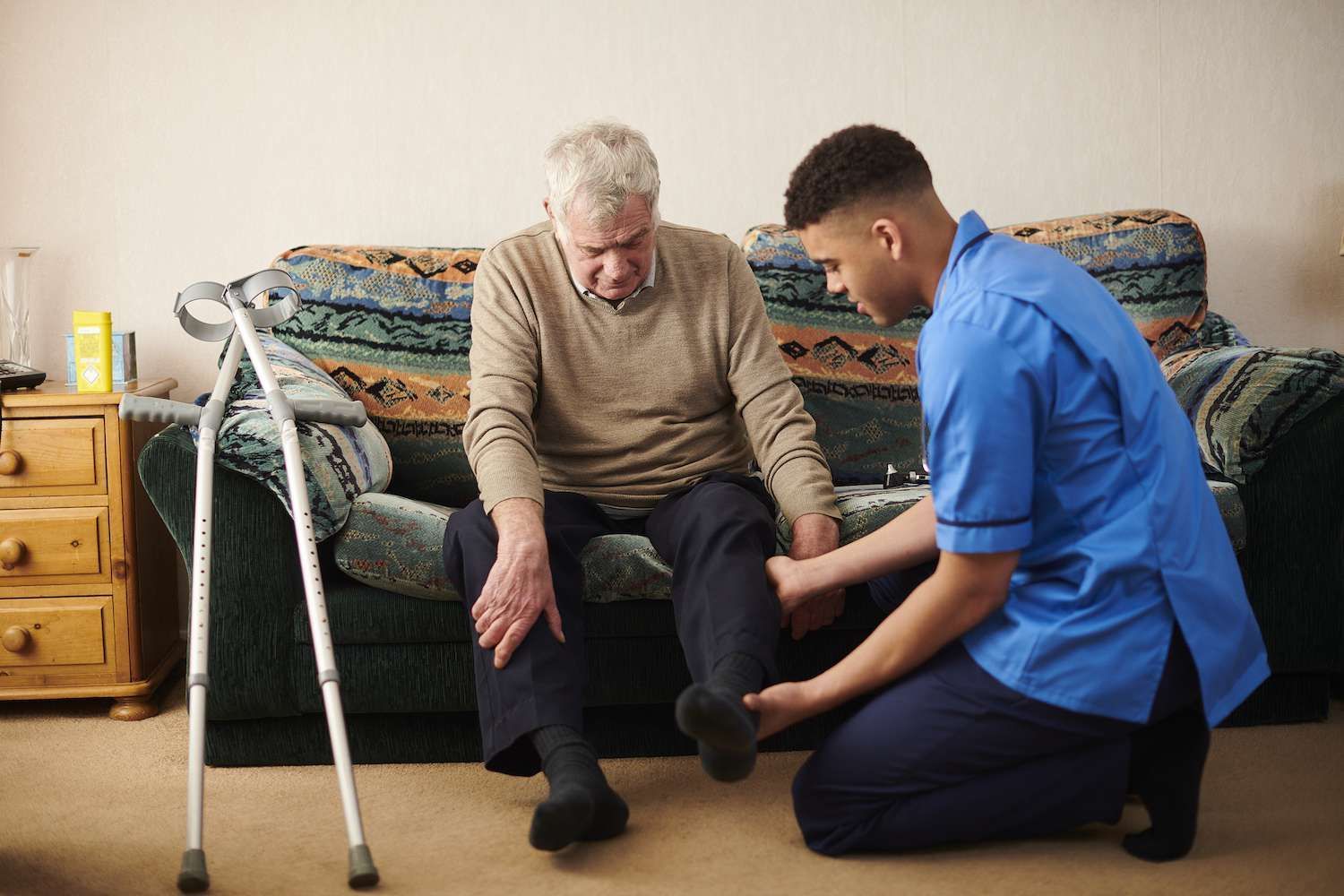
Caregivers may assist with walking and transfers when these activities are appropriate for their training and the client's care plan.
This may include helping someone move between a bed and chair or providing assistance while walking with an approved mobility aid.
Complex transfers or significant physical limitations require appropriate professional evaluation.
Caregivers do not independently prescribe exercises, determine weight-bearing restrictions, or provide physical therapy.
Light Housekeeping and Household Safety
Caregivers can assist with routine household activities, such as:
- Light housekeeping
- Laundry
- Keeping walkways clear
- Retrieving frequently used items
- Helping maintain an organized living environment
These services can reduce the need for an older adult to perform physically difficult household tasks.
Meal Preparation and Grocery Shopping
Caregivers may help with grocery shopping and preparing meals that follow the client's dietary preferences and healthcare instructions.
They can also provide assistance during meals when appropriate.
Medication Reminders
Caregivers may provide reminders to take prescribed medications according to the established care plan.
They do not independently prescribe, change, or administer medications outside their authorized scope.
Companionship and Social Engagement
Older adults who are worried about falling may become less socially active.
Meaningful companionship, conversation, and assistance with appropriate activities can help maintain daily routines and social connection.
Our companion care services are designed to provide practical assistance and a supportive presence.
Overnight Assistance
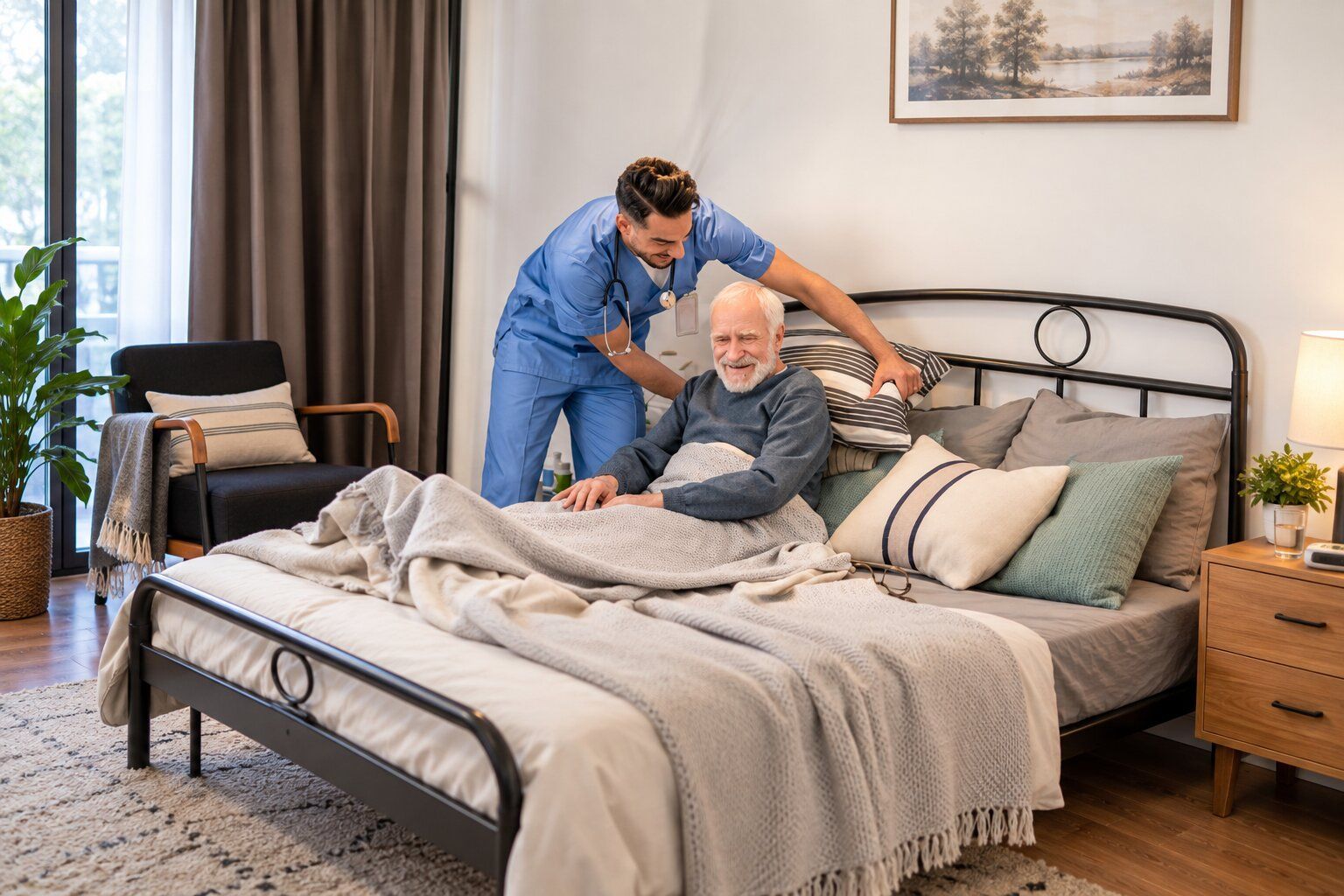
Nighttime trips to the bathroom can be especially challenging for someone with balance problems or limited mobility.
For individuals who require assistance during overnight hours, overnight home care may be an option.
The appropriate schedule depends on the person's needs. Awake overnight coverage and live-in care are different arrangements and should not be treated as interchangeable.
Recovering at Home After an Osteoporosis-Related Fracture
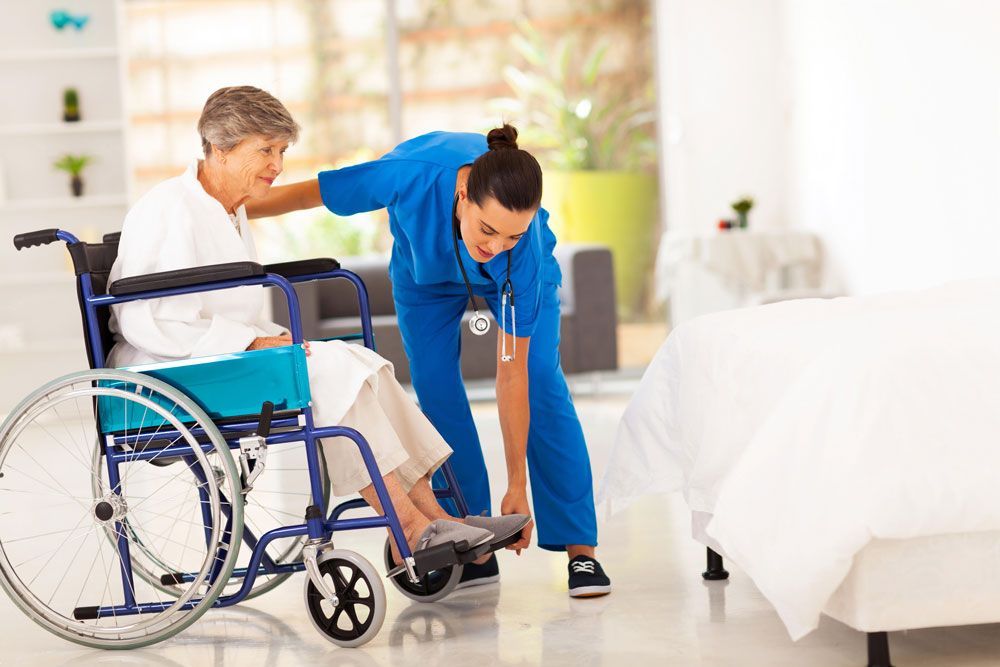
Returning home after a hip, spine, or other fracture can be challenging.
An older adult may have pain, limited mobility, fatigue, new equipment, and restrictions on certain movements.
The first priority is to understand the discharge instructions and arrange appropriate assistance.
Before Leaving the Hospital or Rehabilitation Facility
Ask the healthcare team:
- What activities and movements are permitted?
- Are there weight-bearing restrictions?
- What assistance is needed for walking and transfers?
- Is physical or occupational therapy recommended?
- What equipment should be available at home?
- Are there wound-care or postoperative instructions?
- What symptoms require urgent medical attention?
- Is it safe for the person to remain home alone?
If the fracture followed a minor fall, also ask whether osteoporosis evaluation or treatment should be initiated or reviewed.
Follow the Rehabilitation Plan
Rehabilitation may help restore mobility, strength, balance, and independence.
Support attendance at prescribed therapy appointments and follow any individualized activity restrictions.
Caregivers may provide appropriate assistance with everyday routines but do not replace licensed rehabilitation professionals.
Arrange Help With Daily Activities
Depending on the injury, assistance may be needed with bathing, dressing, toileting, meal preparation, and moving safely around the home.
Some families need additional help for a limited recovery period. Others require longer-term care.
The level of support should be reassessed as the person's condition changes.
Know When to Seek Medical Attention
Report worsening pain, new mobility difficulties, fever, wound concerns, or other changes to the appropriate healthcare professional.
Sudden confusion, severe symptoms, or suspected serious injuries may require emergency evaluation.
For families preparing for discharge, see our hospital discharge planning checklist.
Our hospital-to-home care services can also help families arrange non-medical assistance during the transition home.
When Should You Call 911 After a Fall?
A fall can be particularly serious for someone with osteoporosis.
Call 911 for a suspected serious injury, including severe hip or leg pain with inability to stand, a visibly deformed limb, significant head injury, loss of consciousness, or other severe symptoms.
Do not attempt to lift or move someone with a suspected hip, spinal, or other serious injury unless necessary to protect them from immediate danger or directed by emergency personnel.
Head injuries require particular caution, especially when the person takes anticoagulant or antiplatelet medication.
Contact a healthcare professional promptly after a fall even if there is no obvious injury, particularly if the person has osteoporosis, new pain, or difficulty moving.
New or worsening back pain without a fall can also warrant medical evaluation because vertebral fractures sometimes occur after minimal trauma.
How Much Home Care Does a Senior With Osteoporosis Need?
The appropriate amount of care depends on more than the osteoporosis diagnosis.
Important considerations include whether the person has experienced a fracture, their mobility and balance, ability to manage daily activities, cognitive functioning, and availability of family support.
Some older adults need assistance for only a few scheduled hours. Others require daily personal care, overnight assistance, or continuous coverage.
Hourly home care may be appropriate when help is needed with bathing, meals, errands, or specific daily routines.
Overnight care may be appropriate when a person needs assistance during nighttime hours.
Live-in care may be considered when the individual's needs and circumstances are compatible with the required caregiver sleep and rest arrangements.
24-hour rotating care may be necessary when someone requires continuous assistance or supervision, including overnight.
The right schedule should be based on an individualized assessment, rather than age or diagnosis alone.
7 Day Home Care provides private-pay home care services throughout Manhattan, Brooklyn, Queens, Nassau County, and Suffolk County, with care arrangements based on individual needs and caregiver availability.
To discuss options, call
(516) 408-0034 or request a free consultation.
Frequently Asked Questions About Osteoporosis in Seniors
Can osteoporosis be reversed?
Osteoporosis can often be treated, and some medications can improve bone density or reduce fracture risk. However, treatment does not guarantee that bones will return to their previous condition or that fractures will never occur. A healthcare professional can recommend an individualized treatment plan.
Does osteoporosis cause pain?
Osteoporosis itself usually causes no symptoms. Pain may occur when weakened bones fracture, particularly in the spine, hip, or wrist. New or persistent pain should be evaluated rather than automatically attributed to aging.
Can a senior with osteoporosis live alone?
Yes, some older adults with osteoporosis can live independently. Safety depends on mobility, balance, cognition, previous falls, fractures, and the ability to perform daily activities. An individualized evaluation can help determine whether additional assistance is needed.
What is the best way to prevent fractures in older adults?
Fracture prevention generally combines appropriate osteoporosis evaluation and treatment, fall-risk reduction, safe physical activity, adequate nutrition, and management of other health conditions. The most effective approach depends on the individual's circumstances.
Is walking safe for someone with osteoporosis?
Walking is generally appropriate for many people with osteoporosis and can support mobility and physical activity. However, individuals with recent fractures, significant balance problems, or specific movement restrictions should follow their healthcare professional's recommendations.
Can osteoporosis cause a fracture without a fall?
Yes. In some people with fragile bones, vertebral compression fractures can occur with little or no obvious trauma. New back pain, loss of height, or changes in posture should be discussed with a healthcare professional.
Does someone need home care after a hip fracture?
Not everyone requires professional home care, but many older adults need temporary or ongoing assistance after a hip fracture. The appropriate level of care depends on mobility, rehabilitation needs, safety, and available family support.
Can a home health aide help prevent falls?
A home health aide may assist with mobility, personal care, household organization, and daily routines in ways that help address certain fall hazards. However, no caregiver or home care service can guarantee that falls or fractures will be prevented.
Does 7 Day Home Care provide osteoporosis-related home care in NYC and Long Island?
Yes. 7 Day Home Care provides non-medical home care for older adults living with osteoporosis, mobility limitations, or recovery needs following a fracture. Services may include personal care, mobility assistance, light housekeeping, meal preparation, medication reminders, and companionship, depending on the care plan.
How quickly can home care begin?
Start times depend on the client's needs, the required assessment and service arrangements, location, schedule, and caregiver availability. Families can contact 7 Day Home Care to discuss the situation and determine the earliest feasible start date.
Helping Your Parent Stay Safe and Independent With Osteoporosis
Osteoporosis may develop silently, but its consequences can affect nearly every aspect of an older adult's life.
Fortunately, families can take meaningful steps to support bone health, reduce fall hazards, recognize warning signs, and arrange assistance with everyday activities.
Medical treatment and rehabilitation are important components of fracture prevention and recovery. So are a safe home environment, appropriate daily routines, and dependable help when needed.
At
7 Day Home Care, we understand that maintaining independence often means having the right support in place.
We provide personalized, non-medical home care throughout New York City and Long Island, including Manhattan, Brooklyn, Queens, Nassau County, and Suffolk County.
Whether your parent needs help with bathing, dressing, mobility, meals, companionship, or additional assistance following a fracture, we're here to discuss the available options.
Call (516) 408-0034 or request a free consultation to discuss your family's home care needs.
Medical Disclaimer
This article is provided by 7 Day Home Care for general educational and informational purposes only. It is not intended to provide medical advice, diagnosis, treatment, or individualized recommendations, and should not replace consultation with a physician, registered nurse, physical therapist, pharmacist, or other qualified healthcare professional.
Osteoporosis diagnosis, bone density screening, fracture risk assessment, medication selection, nutritional supplementation, exercise recommendations, weight-bearing restrictions, and rehabilitation decisions must be addressed by appropriately qualified healthcare professionals.
7 Day Home Care provides non-medical home care services within the scope of its New York State licensure, caregiver training, applicable regulations, and individualized care plans. Home health aides do not independently diagnose or treat osteoporosis, prescribe medications, determine rehabilitation restrictions, or provide skilled nursing or physical therapy services.
Home safety measures and caregiver assistance may help address certain risks but cannot guarantee prevention of falls, fractures, hospitalization, or other injuries.
If you suspect a serious fracture, head injury, or another medical emergency, call 911 immediately. Do not delay emergency medical care to contact a home care agency.
Sources and Further Reading