Life Expectancy With COPD by Stage: 2026 Guide
Life Expectancy With COPD by Stage: 2026 Guide

Quick answer: A major U.S. study published in 2026 found that COPD was associated with an average of about
0.7 years of life lost with GOLD 1, 2.6 years with GOLD 2, 5.1 years with GOLD 3, and 7.1 years with GOLD 4, compared with people without COPD after adjustment for other important health factors.
Those are population averages—not a prediction of how long any one person will live.
Two people with the same COPD stage can have very different outlooks. Age, smoking history, severe flare-ups, exercise capacity, body weight, oxygen levels, other medical conditions, and overall function all matter.
COPD Severity and Average Years of Life Lost
GOLD 1 — Mild Airflow Obstruction
- FEV1: ≥80%
- Average years of life lost:
0.71 years
GOLD 2 — Moderate Airflow Obstruction
- FEV1: 50–79%
- Average years of life lost:
2.58 years
GOLD 3 — Severe Airflow Obstruction
- FEV1: 30–49%
- Average years of life lost:
5.07 years
GOLD 4 — Very Severe Airflow Obstruction
- FEV1: <30%
- Average years of life lost:
7.12 years
Source: Bhatt SP, Sun Y, Wang Y, et al. “Life Expectancy in Chronic Obstructive Pulmonary Disease,” JAMA Internal Medicine, published online May 17, 2026. The study reports population-level associations and cannot predict an individual patient's lifespan.
Why Your COPD Stage Is Not the Whole Answer
If you have just come home from a pulmonology appointment with the word “severe” in your notes, you are probably looking for a number.
How long? How many years? What does stage 3 or stage 4 actually mean?
Here is the important answer before getting deeper into the statistics:
A COPD stage is not a life-expectancy calculator.
GOLD stages 1 through 4 describe the severity of airflow obstruction measured by spirometry. The stage provides useful information about COPD severity and prognosis, but modern COPD assessment considers much more—including symptoms, exacerbation history, exercise capacity, oxygen levels, other medical conditions, and overall functional status.
That is why two people with the same FEV1 can live very different lives.
One may still shop, cook, walk around the neighborhood, and climb the stairs independently. Another may become breathless getting dressed and have repeated hospitalizations.
The stage matters. It just does not tell the whole story.
This guide explains what each COPD stage means, what the newest research tells us about life expectancy, which factors can affect the outlook, and what living with COPD can look like day to day—whether that means navigating a fourth-floor walk-up in Queens or the staircase in a Nassau County home.
A note on scope:
This article provides general health information and is not medical advice, diagnosis, or treatment. 7 Day Home Care is a New York State Department of Health–licensed home care services agency providing non-medical, private-duty home care. Decisions about COPD diagnosis, medications, oxygen, respiratory treatment, and other medical care should be made with your physician or pulmonologist.
What New 2026 Research Says About COPD Life Expectancy
One of the largest recent U.S. studies examining COPD and life expectancy was published in
JAMA Internal Medicine in May 2026.
Researchers pooled data from 45,886 participants across eight U.S. population studies and followed participants for a median of more than 15 years.
They found a clear relationship between increasing COPD severity and shorter average life expectancy.
After adjusting for age, sex, race and ethnicity, body mass index, education, smoking status and smoking history, diabetes, hypertension, and high cholesterol, the estimated average years of life lost compared with people without COPD were:
- GOLD 1: 0.71 years
- GOLD 2: 2.58 years
- GOLD 3: 5.07 years
- GOLD 4: 7.12 years
The study also estimated life expectancy for a 65-year-old using age-adjusted models:
Estimated Life Expectancy at Age 65
No COPD
- Estimated additional life expectancy: 21.5 years
GOLD 1
- Estimated additional life expectancy: 20.0 years
GOLD 2
- Estimated additional life expectancy: 16.4 years
GOLD 3
- Estimated additional life expectancy: 13.1 years
GOLD 4
- Estimated additional life expectancy: 10.7 years
These numbers need to be interpreted carefully.
They are averages across large groups of people. They do not mean that a 65-year-old with GOLD 3 COPD has exactly 13 years to live, or that a person with GOLD 4 will live exactly 10.7 more years.
Individual outcomes vary substantially.
The researchers also noted important limitations. COPD in the pooled study was classified using available
pre-bronchodilator spirometry, while current GOLD clinical guidance requires
post-bronchodilator spirometry to confirm a COPD diagnosis.
The study is therefore best understood for what it is: a strong contemporary estimate of the relationship between COPD severity and life expectancy across a large population—not a countdown clock for an individual patient.
What Do COPD “Stages” Actually Measure?
COPD stands for chronic obstructive pulmonary disease, a condition characterized by persistent respiratory symptoms and airflow obstruction.
Doctors use a breathing test called
spirometry to help diagnose COPD and measure airflow obstruction.
Two measurements are especially important:
FEV1 is the amount of air you can forcefully exhale during the first second of the test.
FVC is the total amount of air you can forcefully exhale.
Current GOLD guidance requires persistent airflow obstruction to be confirmed with a
post-bronchodilator FEV1/FVC ratio below 0.70 in the appropriate clinical context.
That spirometry result does not, by itself, distinguish COPD from every other respiratory condition. Doctors interpret it alongside symptoms, medical history, exposure history, and other clinical findings.
Once COPD is established, the FEV1 percentage of the predicted value is used to grade airflow obstruction:
GOLD Grades of COPD
GOLD 1 — Mild
- FEV1: ≥80% predicted
GOLD 2 — Moderate
- FEV1: 50–79% predicted
GOLD 3 — Severe
- FEV1: 30–49% predicted
GOLD 4 — Very Severe
- FEV1: <30% predicted
Notice what is missing from that table.
It does not tell you how breathless someone feels.
It does not tell you whether they can climb the stairs.
It does not tell you whether they have been hospitalized three times this year or not at all.
And it does not tell you whether they live independently or require help getting dressed every morning.
That is why current COPD assessment goes beyond the GOLD 1–4 spirometric grade and also considers symptoms and exacerbation history.
Why FEV1 Alone Cannot Predict How Long Someone With COPD Will Live
Pulmonologists have known for years that lung function alone does not capture everything that influences survival.
One well-known prognostic tool is the BODE index.
BODE combines four factors:
- B — Body mass index: Low body weight can be an unfavorable prognostic sign in COPD.
- O — Airflow obstruction: Measured using FEV1.
- D — Dyspnea: How breathless someone becomes during ordinary activities.
- E — Exercise capacity: Commonly measured by how far someone can walk in six minutes.
BODE scores range from 0 to 10, with higher scores generally associated with greater mortality risk.
The significance of BODE is not that everyone with COPD needs to calculate a score at home.
It is what the index demonstrates:
Lung function is only one part of COPD prognosis.
Several other factors—nutrition, exercise capacity, functional status, symptoms, exacerbations, oxygenation, and other health conditions—can substantially change the picture.
Some of those factors are at least partly modifiable.
Pulmonary rehabilitation, appropriate nutrition, physical conditioning, smoking cessation, correct use of prescribed medications, vaccination, and prevention or early treatment of exacerbations can all play important roles in COPD care.
Improving one of these factors does not mechanically translate into a specific number of additional years of life. But it helps explain why two people with identical GOLD stages can have very different outcomes.

Six Factors That Can Affect COPD Prognosis
1. Smoking
For people with COPD who smoke, quitting smoking is one of the most important steps they can take.
Smoking cessation can slow the accelerated decline in lung function associated with continued smoking and reduces numerous additional health risks, including cardiovascular disease and cancer.
The benefit is still meaningful for people who have smoked for decades.
The damage that has already occurred may not be reversible—but continuing to smoke and stopping are not equivalent paths forward.
2. Severe COPD Exacerbations
An exacerbation, sometimes called a COPD flare-up, is a period when respiratory symptoms become worse than the person's usual day-to-day condition.
Severe exacerbations—particularly those requiring hospitalization—are associated with worse future outcomes, including increased risk of additional exacerbations, hospitalization, functional decline, and death.
Prevention therefore matters.
That can include taking prescribed maintenance medications correctly, receiving recommended vaccinations, avoiding smoking and other respiratory irritants, and following the COPD action plan provided by the medical team.
A meaningful change in breathing, cough, sputum, fever, confusion, or oxygen needs should be addressed according to the patient's medical care plan rather than simply waiting for it to pass.
3. Pulmonary Rehabilitation
Pulmonary rehabilitation combines supervised exercise, education, and strategies for living with chronic lung disease.
It can improve exercise capacity, breathlessness, and quality of life. Pulmonary rehabilitation following hospitalization for a COPD exacerbation can also help reduce future hospital use.
For someone whose world has gradually become smaller because activity causes breathlessness, pulmonary rehabilitation can be particularly important.
A pulmonologist can determine whether and when referral is appropriate.
4. Oxygen Therapy—When Medically Indicated
Long-term oxygen therapy can improve survival in certain people with COPD who have severe chronic resting hypoxemia, or persistently low blood oxygen levels at rest.
That qualification matters.
Supplemental oxygen is not a general treatment for every person with COPD, and more oxygen is not automatically better. Whether oxygen is needed—and the prescribed flow rate and duration—are medical decisions based on clinical evaluation and testing.
5. Nutrition and Muscle Mass
Unintentional weight loss and loss of muscle mass can be important warning signs in COPD.
Breathing can require more energy when respiratory disease is advanced. At the same time, breathlessness can make shopping, cooking, and even sitting through a full meal exhausting.
Loss of muscle then makes ordinary movement harder.
For some people, smaller and more frequent nutrient-dense meals may be easier to tolerate. Individual nutritional recommendations should be discussed with the medical team or a registered dietitian, particularly when weight loss is significant.
6. Staying Physically Active
Breathlessness can create a difficult cycle:
Activity causes breathlessness → activity is avoided → muscles become deconditioned → the same activity requires greater effort → breathlessness occurs even sooner.
The answer is not for someone with COPD to simply “push through” significant breathing difficulty.
It is to work with the medical team—and often pulmonary rehabilitation—to determine a safe level of activity and conditioning.
Maintaining function can matter enormously to day-to-day independence.
What Each COPD Stage Can Look Like at Home
A spirometry result describes airflow.
It does not describe a Tuesday morning.
Daily function varies considerably within every COPD stage, but these examples illustrate why families often notice changes at home before a laboratory number means much to them.
GOLD 1 COPD: Mild Airflow Obstruction
Many people with GOLD 1 COPD remain fully independent.
Some may have chronic cough or sputum production, become somewhat more winded during strenuous activity, or have few noticeable symptoms at all.
At this stage, the most important priorities are medical management, avoiding harmful exposures, staying active, and—if the person smokes—quitting.
Home care is generally not necessary because of the GOLD 1 classification itself.
GOLD 2 COPD: Moderate Airflow Obstruction
With GOLD 2, symptoms may begin to have a greater effect on daily decisions, although there is enormous variation from person to person.
The subway stairs that once seemed routine may become something to avoid.
A grocery trip may require more breaks.
Laundry in the basement may suddenly feel like a much bigger undertaking.
Some people remain highly active and independent. Others begin benefiting from practical support with strenuous household tasks, transportation, shopping, or getting to pulmonary rehabilitation.
The relevant question is not simply, “What stage is the COPD?”
It is:
What has become difficult to do safely and consistently?
GOLD 3 COPD: Severe Airflow Obstruction
Some people with GOLD 3 COPD begin spending a meaningful portion of their daily energy on basic activities.
A shower may require a recovery period.
Getting dressed may take longer.
Carrying groceries or climbing stairs can become difficult.
Cold winter air in New York may make outdoor activity more challenging.
Some people at this stage use supplemental oxygen; others do not. Some experience frequent exacerbations; others remain comparatively stable.
When personal care or household tasks consistently consume too much energy—or become unsafe—home support can become useful.
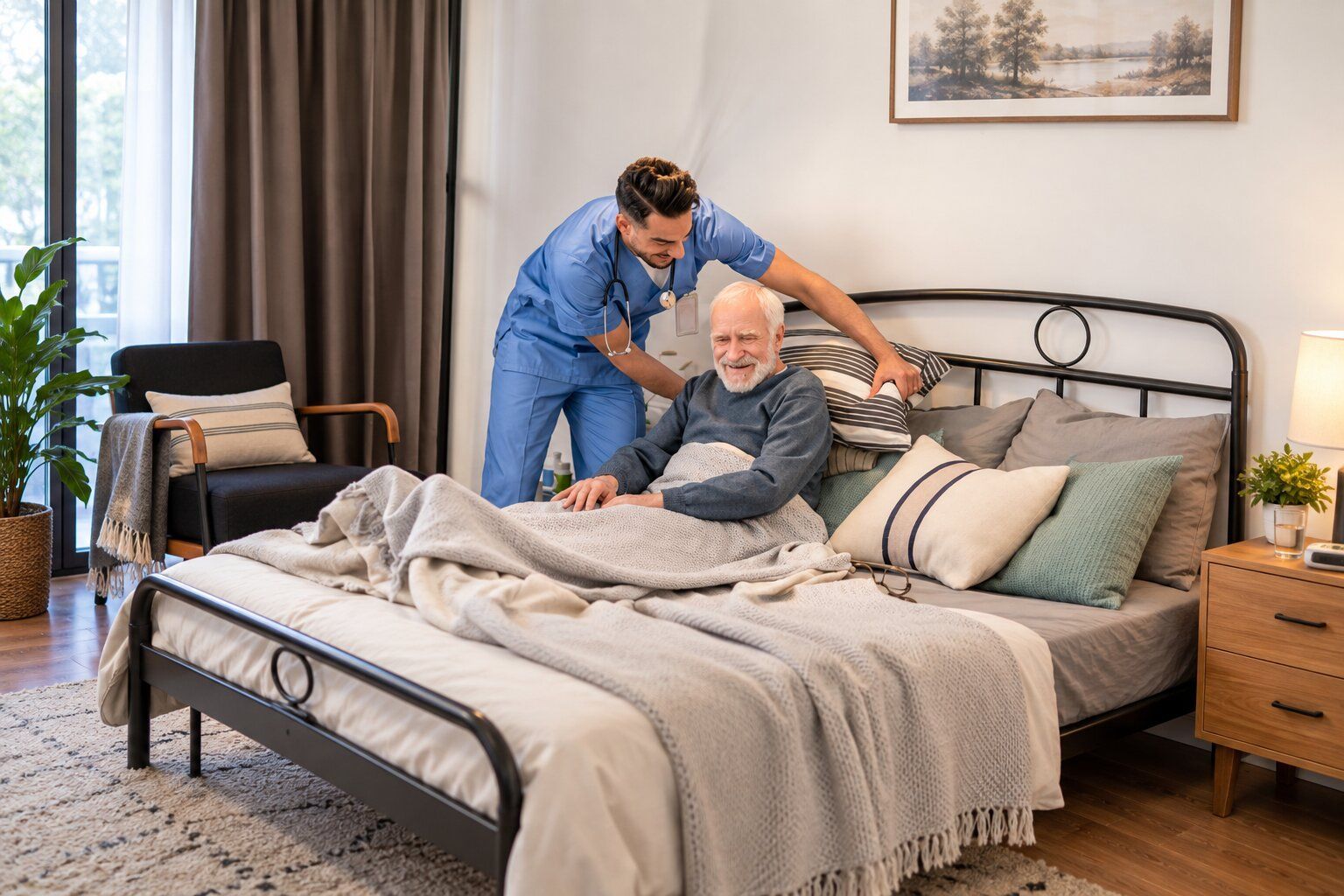
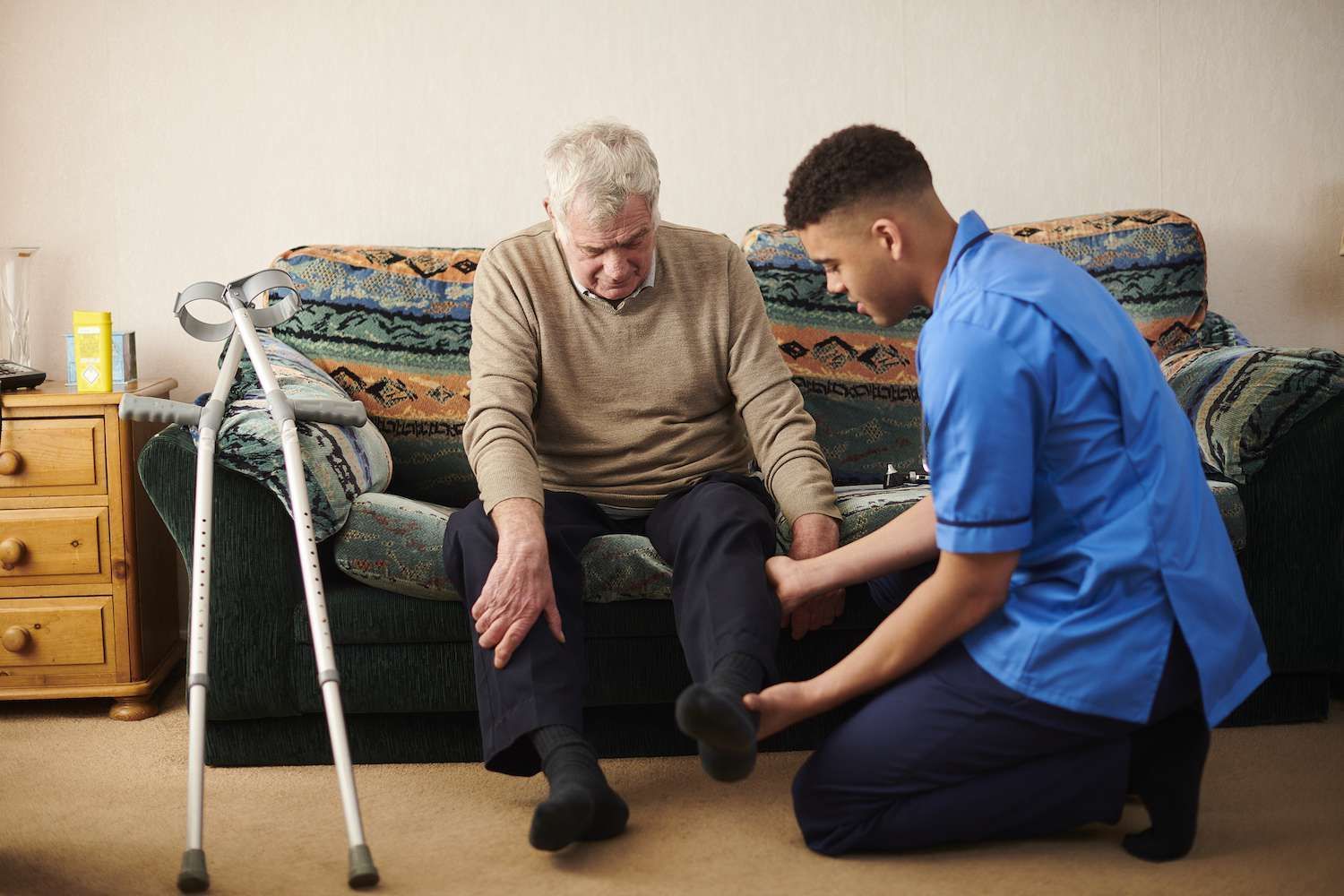
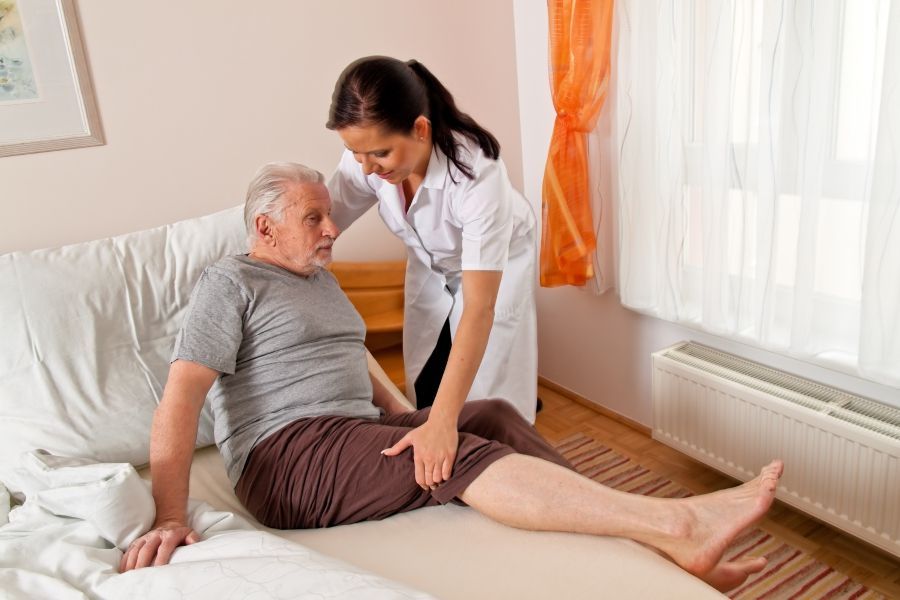
That may include help with bathing and dressing, meal preparation, laundry, transportation, mobility assistance, medication reminders, and observation for changes that should be reported to the care team.
GOLD 4 COPD: Very Severe Airflow Obstruction
GOLD 4 means very severe airflow obstruction. It does not automatically mean that someone is bedbound, breathless at rest, dependent on oxygen, or in need of 24-hour care.
Function varies.
Some people experience substantial breathlessness with minimal activity, recurrent exacerbations, oxygen dependence, or significant difficulty with personal care. Others remain considerably more independent.
For families, care decisions should therefore be based on the person's actual symptoms, safety, functional abilities, living environment, and medical plan—not the GOLD number alone.
When nighttime bathroom trips become unsafe, personal care can no longer be completed independently, or someone with severe symptoms lives alone, overnight or around-the-clock home care may become appropriate.
Palliative care may also be appropriate for some people with advanced COPD. Palliative care focuses on symptom relief and quality of life and can be provided alongside disease-directed treatment.
Hospice is different and has specific eligibility requirements.
Where Non-Medical Home Care Fits With COPD
A home health aide does not cure COPD.
Home care serves a different purpose:
reducing the physical burden of daily life and helping a person remain safe and supported at home.
For someone whose breathing capacity and energy are limited, everyday tasks can consume a surprisingly large portion of the day.
Depending on the person's care plan and needs, a New York State Certified Home Health Aide may help with:
- Bathing, dressing, and grooming
- Toileting and personal hygiene
- Safe mobility and transfers
- Meal preparation
- Medication reminders
- Light housekeeping and laundry
- Transportation or accompaniment to medical appointments
- Transportation to pulmonary rehabilitation
- Safety supervision
- Companionship
- Observation and reporting of meaningful changes to the appropriate person or care team
The last point is particularly important.
A person living alone with COPD may adapt gradually to worsening symptoms without realizing how much has changed.
Someone who sees that person consistently may notice that walking from the bedroom to the kitchen now requires two breaks, that appetite has fallen, or that confusion or breathing appears different from the person's normal baseline.
A home health aide does not diagnose the reason for those changes.
But recognizing and reporting a change can help the family or clinical team respond appropriately.
COPD and Living in New York City or Long Island
COPD does not change because someone crosses from Nassau County into Queens.
The environment around the person does.
That can have a significant effect on how manageable daily life feels.
A fourth-floor walk-up in Brooklyn or Queens presents a different functional challenge than a single-story home in Nassau County.
Subway stairs, long walks between appointments, winter weather, carrying groceries several blocks, and getting laundry to another floor can turn moderate breathlessness into a meaningful limitation on independence.
On Long Island, the challenges may be different: stairs inside a multi-level home, getting to appointments without driving, carrying groceries from the car, or living alone in a house where family members are not nearby.
That is why home-care needs should be evaluated around the person and the home, not merely the diagnosis.
Talk It Through Before the Next Crisis
You do not need to wait for a hospitalization to start asking questions about home support.
If bathing, dressing, stairs, meals, transportation, nighttime safety, or simply getting through the day has become difficult, a conversation can help clarify what level of assistance would actually be useful.
Request a free consultation or call 7 Day Home Care at (516) 408-0034. We are available 24 hours a day, 7 days a week.
7 Day Home Care provides private-duty, non-medical home care throughout Manhattan, Brooklyn, Queens, Nassau County, and Suffolk County.
We are a New York State Department of Health–licensed home care services agency (LHCSA). Care is provided by New York State Certified Home Health Aides, with Registered Nurse supervision and an individualized plan of care.
Support can range from scheduled personal care to overnight or continuous care depending on the person's needs.
Frequently Asked Questions About COPD Life Expectancy
What is the life expectancy of someone with stage 3 COPD?
There is no single life expectancy for everyone with stage 3 COPD.
A large U.S. study published in 2026 found that GOLD 3 COPD was associated with an adjusted average of approximately 5.1 years of life lost compared with people without COPD.
In an age-adjusted analysis from the same study, estimated remaining life expectancy at age 65 averaged approximately 13.1 years for people with GOLD 3 COPD, compared with 21.5 years for people without COPD.
These are population averages, not predictions for an individual. Age, smoking history, exacerbations, exercise capacity, body weight, other medical conditions, and treatment can all affect prognosis.
What is the life expectancy of someone with stage 4 COPD?
A 2026 U.S. cohort study found that GOLD 4 COPD was associated with an adjusted average of approximately 7.1 years of life lost compared with people without COPD.
In an age-adjusted analysis, estimated remaining life expectancy at age 65 averaged approximately 10.7 years for people with GOLD 4 COPD.
There was substantial uncertainty around the estimate for GOLD 4, and individual outcomes vary widely. A GOLD 4 diagnosis should not be interpreted as a specific number of years remaining.
Can you live 20 years with COPD?
Yes. Some people live with COPD for 20 years or longer, particularly when the disease is diagnosed earlier in life or remains mild for a long period.
COPD progresses differently from person to person. Stage, age, smoking, exacerbations, exercise capacity, other illnesses, and treatment all affect the trajectory.
A population average cannot tell an individual person exactly how long they will live.
Does COPD always get worse?
COPD is a chronic disease and persistent airflow obstruction is not fully reversible, but the rate of progression is not identical for everyone.
Smoking cessation, appropriate treatment, pulmonary rehabilitation, vaccination, physical activity, and prevention or prompt treatment of exacerbations can all play important roles in managing the disease and preserving function.
Some people remain relatively stable for years.
What affects life expectancy with COPD the most?
COPD severity matters, but prognosis is influenced by much more than FEV1 alone.
Important factors can include age, smoking history, severe exacerbations and hospitalizations, exercise capacity, breathlessness, body weight and muscle mass, oxygen levels, cardiovascular disease and other medical conditions, and overall functional status.
That is one reason clinicians do not use GOLD stage alone to predict an individual's lifespan.
What is the BODE index for COPD?
The BODE index is a prognostic tool that considers four factors: body mass index, airflow obstruction, dyspnea, and exercise capacity.
It was developed because combining these measures predicts mortality risk better than lung function alone.
The BODE index can help clinicians assess prognosis, but it still cannot tell an individual exactly how long they will live.
What is the most common cause of death in people with COPD?
People with COPD can die from several causes, including respiratory disease and severe COPD exacerbations, cardiovascular disease, lung cancer, and other illnesses.
The relative importance of each cause varies with COPD severity, age, smoking history, and other medical conditions.
Does Medicare cover home care for someone with COPD?
Medicare may cover qualifying home health services when eligibility requirements are met, including medically necessary skilled services ordered as part of an appropriate plan of care.
Medicare does not generally pay for ongoing custodial or personal care when that is the only care a person needs.
Under a qualifying Medicare home-health episode, limited home health aide services may be covered when the beneficiary also meets Medicare's requirements for covered skilled home health care.
Private-duty assistance with bathing, dressing, meal preparation, supervision, and other ongoing daily needs is often paid through private funds or long-term care insurance, although other programs may apply depending on eligibility.
When should someone with COPD have help at home?
There is no particular GOLD stage at which home care automatically becomes necessary.
Signs that it may be time to consider support include difficulty bathing or dressing independently, unsafe mobility, difficulty preparing meals, significant problems with stairs, repeated falls or near-falls, increasing difficulty leaving the home, nighttime safety concerns, or living alone while daily function is declining.
A hospitalization is not a prerequisite for asking for help.
Can a New York home health aide help someone who uses oxygen or a nebulizer?
Certain oxygen- and nebulizer-related assistance may fall within the training and permissible activities of a New York State Home Health Aide when the task is authorized and addressed in the individual's plan of care and the aide has the appropriate training and supervision.
For example, New York State's Home Care Health Related Tasks Curriculum includes procedures for assisting with an oxygen concentrator, oxygen tank or liquid oxygen reservoir, and medication nebulizer.
That does not mean an aide independently determines oxygen settings, changes a prescription, diagnoses breathing problems, or makes clinical treatment decisions.
The individual's Registered Nurse and medical team determine what is appropriate for the specific case, and 7 Day Home Care follows the applicable plan of care and scope-of-practice requirements.
Does living in New York affect life with COPD?
New York itself does not determine someone's COPD stage, but the person's environment can affect daily function.
Walk-up apartments, subway stairs, long walking distances, winter weather, multi-story homes, and transportation requirements can make ordinary activities more demanding for someone who becomes breathless with exertion.
Home-care needs should therefore be based partly on the person's actual living environment and functional abilities.
The Number Is Not the Whole Story
If you came to this page looking for a number, the newest research provides one.
But it also demonstrates why that number needs context.
COPD is associated with progressively greater reductions in average life expectancy as airflow obstruction becomes more severe. Yet a GOLD stage still cannot tell you exactly how long you—or your parent—will live.
The more useful question is often:
What can still be done to protect health, function, safety, and quality of life now?
Smoking cessation matters.
Pulmonary rehabilitation matters.
Appropriate medical treatment matters.
Vaccination and exacerbation prevention matter.
Nutrition and maintaining physical function matter.
And when ordinary daily tasks begin consuming too much energy or becoming unsafe, the right support at home can matter too.
If you or a parent is living with COPD in Manhattan, Brooklyn, Queens, Nassau County, or Suffolk County, and bathing, dressing, meals, stairs, transportation, or nighttime safety have become increasingly difficult, you can talk with us before the next crisis.
Request a free consultation or call 7 Day Home Care at (516) 408-0034. We are available 24 hours a day, 7 days a week.
Sources & Medical References
- Bhatt SP, Sun Y, Wang Y, et al. Life Expectancy in Chronic Obstructive Pulmonary Disease. JAMA Internal Medicine. 2026;186(7):852–860. doi:10.1001/jamainternmed.2026.0207.
- Global Initiative for Chronic Obstructive Lung Disease (GOLD). Global Strategy for Prevention, Diagnosis and Management of COPD: 2026 Report.
- Celli BR, Cote CG, Marin JM, et al. The Body-Mass Index, Airflow Obstruction, Dyspnea, and Exercise Capacity Index in Chronic Obstructive Pulmonary Disease. New England Journal of Medicine. 2004;350:1005–1012.
- Centers for Medicare & Medicaid Services / Medicare. Medicare coverage guidance for home health services.
- New York State Department of Health. Home Care Health Related Tasks Curriculum and Home Health Aide training materials.
Editorial policy: 7 Day Home Care publishes educational content to help New York families understand aging, functional support, and home-care options. Medical claims are reviewed against authoritative clinical guidance and primary or high-quality medical sources when appropriate. Articles are updated when material new guidance or evidence becomes available.
7 Day Home Care is a New York State Department of Health–licensed home care services agency providing non-medical, private-duty home care. This article is for general informational purposes only and is not medical advice, diagnosis, or treatment. Population statistics cannot predict an individual's life expectancy. For questions about COPD, medications, oxygen, pulmonary rehabilitation, or treatment, consult a physician or pulmonologist. For a medical emergency, call 911.