Memory Care at Home in NYC: A Family's Guide to In-Home Dementia Care
Memory Care at Home in NYC: A Family's Guide to In-Home Dementia Care
Memory care at home means a trained caregiver provides one-on-one support for a person with Alzheimer's disease or another form of dementia inside their own home, rather than in a residential facility. For many NYC families, it offers a way to keep a parent safe and supported while letting them stay in the home, neighborhood, and routine they already know.
It rarely starts with one dramatic moment. It starts small: the same question asked three times in ten minutes, a parent who suddenly can't remember which way the bathroom is, a stove left on, mail piling up unopened. As evening falls, a once-calm parent becomes anxious or restless — a pattern many families don't yet know has a name.
If that sounds familiar, you're likely carrying a quiet, constant worry: the late-night phone calls, the guilt of not being in two places at once, the sense that you're managing something bigger than you have the tools for. That weight is real, and you don't have to carry it alone.
This guide explains what memory care at home actually involves, why many New York families choose it over a facility, and how
7 Day Home Care supports families across Manhattan, Queens, Brooklyn, and Long Island.
In This Guide
- What Memory Care at Home Means
- Home Care vs. a Memory Care Facility
- What In-Home Memory Care Includes
- Signs It May Be Time for Help
- Why NYC Families Choose 7 Day Home Care
- How to Get Started
- Frequently Asked Questions
What Does "Memory Care at Home" Actually Mean?
Memory care at home is specialized, one-on-one support for someone living with Alzheimer's disease or another form of dementia, delivered in their own home rather than a facility. It differs from standard senior home care in one key way: training.
A standard caregiver can help with meals, light housekeeping, and getting dressed. A memory care caregiver does all of that
and understands how dementia affects mood, judgment, communication, and behavior. They know how to gently redirect someone who's confused, build a daily rhythm that reduces anxiety, and keep a person safe without making them feel watched or controlled.
In short: it's care built around the condition, not just a person's age — and because it happens at home, it comes with something a facility cannot replicate: familiarity.
Why More NYC Families Choose Home Over a Memory Care Facility
When a parent is first diagnosed, many families assume a memory care facility is the only "real" option. In practice, in-home dementia care often serves a person better in the early and middle stages — emotionally, physically, and financially. Here's why.
1. Familiar surroundings can reduce confusion and agitation
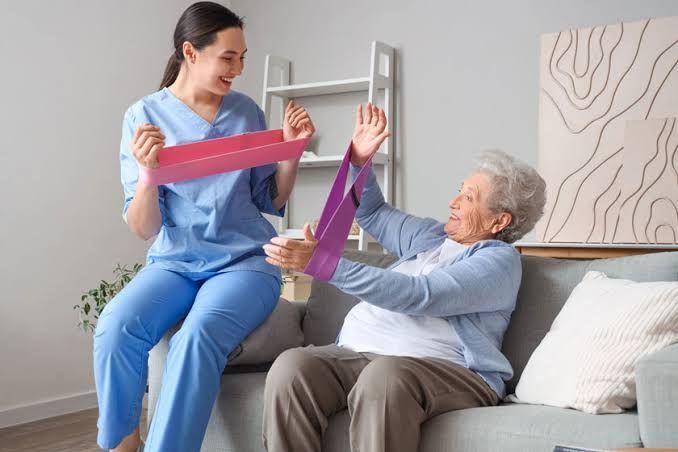
For someone with dementia, familiarity functions almost like medicine. A person's own bed, their own kitchen, the way afternoon light falls across a room they've known for decades — these are anchors that can ease disorientation. Moving someone with dementia into an unfamiliar building can intensify confusion and emotional distress, at least temporarily. Caregiving organizations including the
Alzheimer's Association and the
National Institute on Aging consistently identify familiar surroundings and predictable routines as among the most effective non-drug strategies for reducing agitation in dementia care.
2. One-on-one attention instead of shared staff
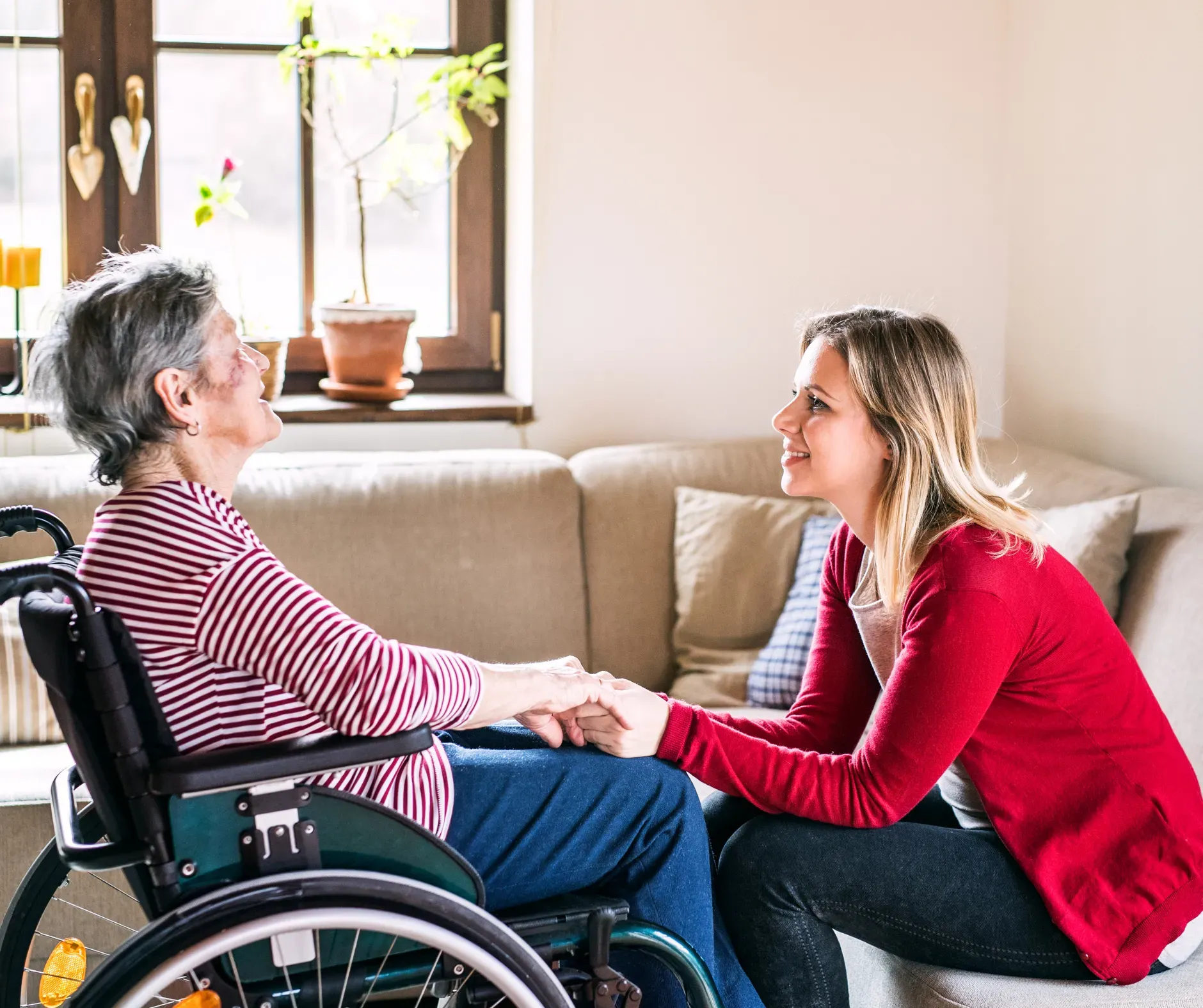
In a facility, one staff member is often responsible for several residents at once. At home, your loved one has the undivided attention of a single caregiver who learns their preferences and history — how they like their tea, which songs make them smile, the stories they like to retell.
3. Dignity and independence, preserved
Staying home helps a person keep as much independence as safely possible. A good caregiver supports rather than takes over — stepping in where help is needed and stepping back where it isn't. This is the foundation of person-centered care.
4. The family stays close
When care happens at home, you're not limited to visiting hours. You stay involved and connected — able to be a daughter or son again, not only an exhausted caregiver running on empty.
What Specialized In-Home Memory Care Includes
Families are often surprised by how much trained memory caregivers actually do. Comprehensive Alzheimer's home care in Manhattan and across the boroughs typically includes the following.
Safe, attentive supervision
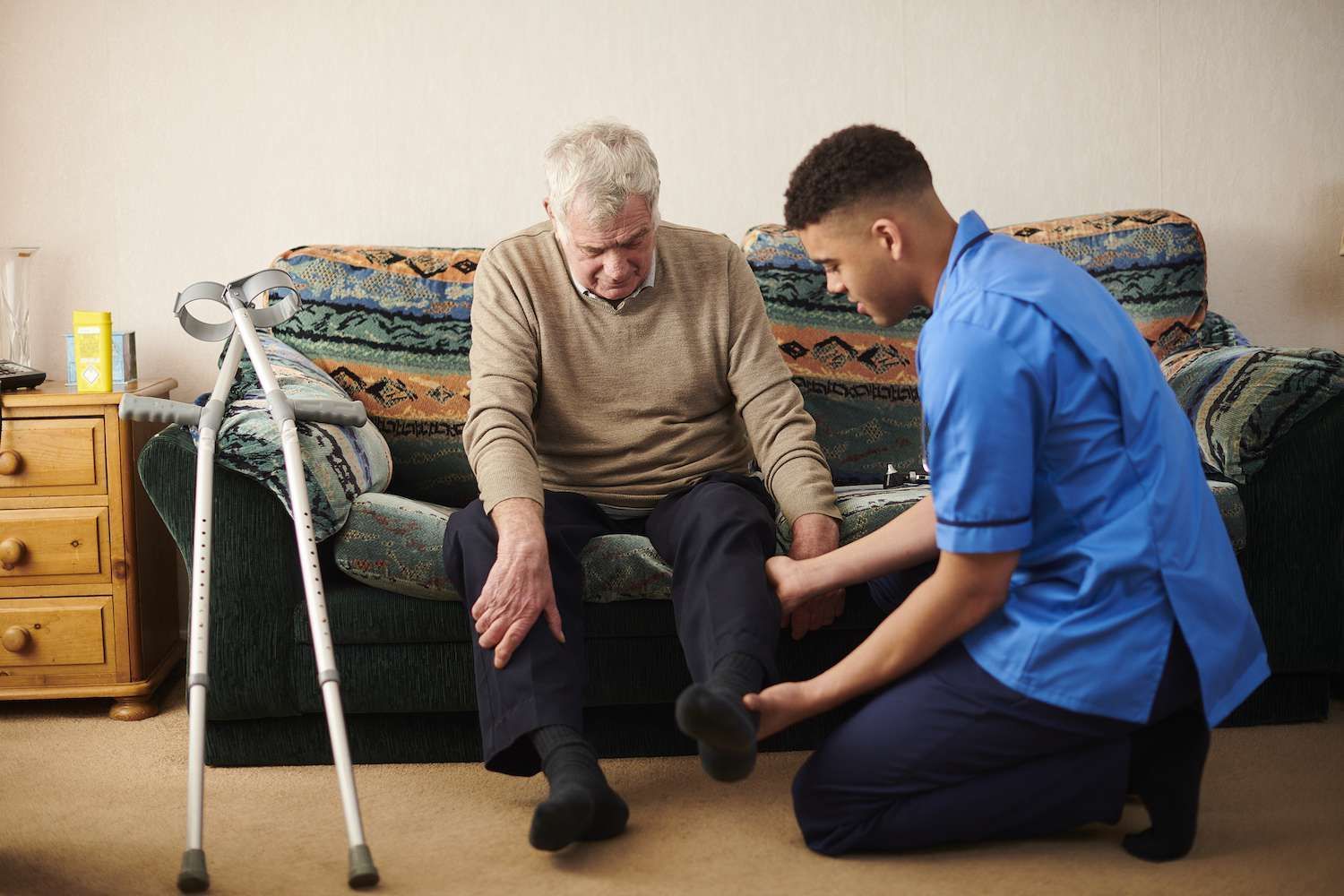
Wandering is one of the most serious risks of dementia. A trained caregiver maintains a calm, watchful presence — helping prevent falls, monitoring for hazards like a stove left on, and keeping a loved one safe without making them feel hovered over.
Help with daily activities (ADLs)
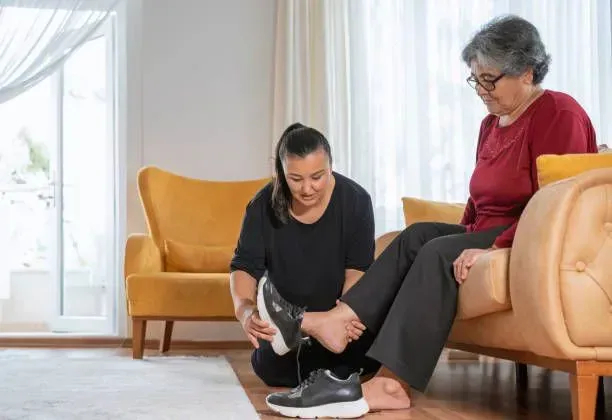
Bathing, dressing, grooming, toileting, and meal preparation can all become difficult as dementia progresses. A trained home health aide provides this hands-on help patiently and respectfully, protecting a person's dignity at every step.
Managing sundowning and agitation
Many families notice a loved one becomes more confused, anxious, or upset in the late afternoon and evening — a recognized pattern called
sundowning. Experienced dementia caregivers use techniques such as gentle redirection, reassurance, soothing routines, and calm environments to ease these episodes before they escalate.
Routine and cognitive engagement
Structure brings a sense of security. Caregivers build predictable daily routines and incorporate gentle activities — looking through photo albums, listening to favorite music, simple conversation — that support mood and cognitive engagement.
Overnight and around-the-clock support
Care can scale as needs grow: from a few hours a day to overnight support to full 24-hour dementia care in New York, so a loved one is never without help during the hardest hours.
Signs It May Be Time for Professional Dementia Care at Home
Many families wait longer than they should — often out of love, guilt, or hope that things will hold steady. Dementia is progressive, and recognizing the right moment to bring in help protects both your loved one and your own wellbeing.
It may be time to consider in-home memory care if your loved one is experiencing any of the following:
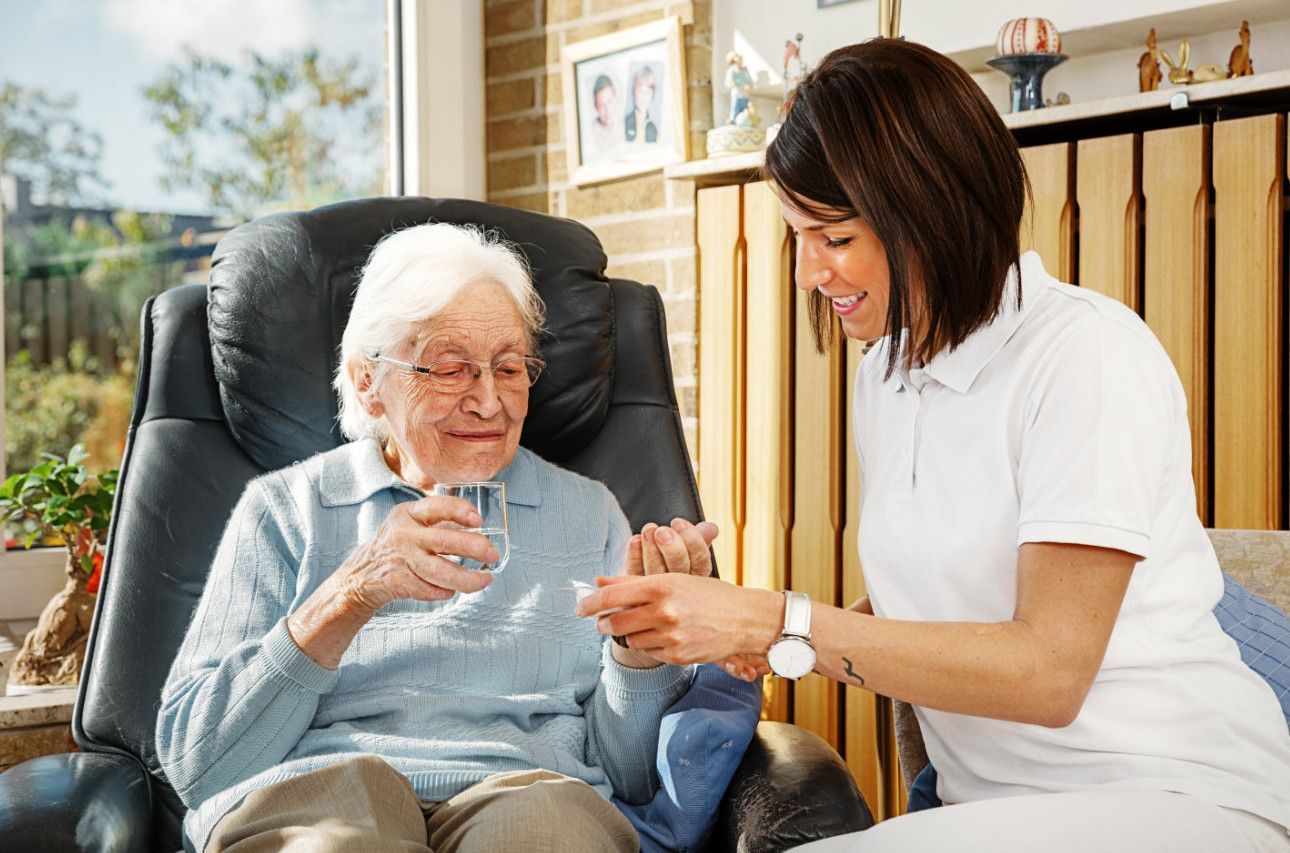
- Forgetting to take medications, or taking them incorrectly
- Leaving the stove on, or showing other safety lapses around the home
- Getting lost or disoriented, even in familiar places
- Becoming anxious, agitated, or fearful — especially in the evening
- Struggling with bathing, dressing, eating, or other daily tasks
- Wandering, or attempting to leave home unsupervised
- Experiencing more frequent falls
- Withdrawing, or showing signs of poor hygiene or skipped meals
There's one more sign that matters just as much:
you. If you, as the family caregiver, feel burned out, overwhelmed, or unable to keep up, that is a legitimate reason to bring in support — not a failure on your part.
You don't have to figure this out alone. If any of these signs feel familiar, a short, no-pressure conversation can bring real clarity. Call 7 Day Home Care at (516) 408-0034 or request a free consultation — we'll listen to your situation and help you understand your options, with no obligation.
Why NYC Families Choose 7 Day Home Care
Many home care agencies operate in New York. What sets 7 Day Home Care apart is the standard we hold ourselves to — the same standard we'd want for our own parents.
Licensed, insured, and award-recognized
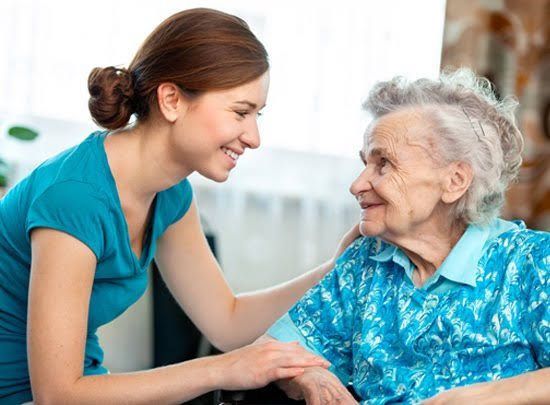
7 Day Home Care is a New York State Department of Health–licensed and fully insured home care agency, recognized as the "Best Home Health Care Provider" for the North Shore of Long Island. As a family-owned, locally operated agency, we treat every client like part of our own family.
RN-supervised care
Every care plan is built and overseen by a Registered Nurse. RN-supervised memory care means your loved one's plan is professionally designed, regularly reviewed, and adjusted as their needs change.
Thoughtful caregiver-client matching
We don't send whoever happens to be available. We match each dementia caregiver — in Queens and every borough we serve — based on personality, needs, language, and temperament, because the right match builds trust and genuine connection.
Caregivers who speak your language
Our caregivers speak eight languages: English, Spanish, French, Russian, Polish, Hindi, Tagalog (Filipino), and Farsi (Persian) — so your loved one can be cared for by someone who understands them in the language closest to their heart.
Consistency you can count on
Continuity matters deeply in memory care. A familiar face reduces anxiety and builds trust, which is why we assign a dedicated primary caregiver on a steady schedule — not a rotating stream of strangers.
Care that flexes with your needs
Whether you need a few hours of help a week or full 24/7 live-in support, our care scales with your family. As dementia advances, we adjust — there's no need to start over with a new agency.
How to Get Started
We've kept the process simple, because you already have enough on your plate.
- Reach out. Call (516) 408-0034 or request a free consultation online.
- Free in-home assessment. A Registered Nurse visits to understand your loved one's health, routines, preferences, and safety needs.
- Personalized care plan. We build a customized plan and match a trained memory caregiver to your loved one.
- Care begins — and adapts. Your caregiver gets started, and our team stays in close communication, adjusting the plan as needs change.
That's it — no confusing paperwork marathons, no pressure to sign up for more than your family actually needs.
Frequently Asked Questions
What is the difference between memory care at home and a memory care facility?
Memory care at home delivers one-on-one dementia support inside a person's own home, while a memory care facility moves the person into a residential building staffed by rotating personnel. Home care preserves familiar surroundings and routine, which can reduce confusion and agitation, while offering more individualized, one-on-one attention than most facilities provide.
What does an in-home dementia caregiver actually do?
An in-home dementia caregiver provides safe supervision, helps with daily activities like bathing and dressing, manages sundowning and agitation, builds a structured daily routine, and offers cognitive engagement through conversation and familiar activities. Care can range from a few hours a week to full 24-hour support.
How do I know it's time to get dementia care at home?
It's typically time to consider in-home memory care when a loved one shows safety lapses (like leaving the stove on), gets lost in familiar places, struggles with daily tasks, wanders, falls more often, or becomes increasingly anxious in the evenings. Caregiver burnout is also a valid and important reason to seek support.
What is sundowning, and can in-home caregivers help with it?
Sundowning is a pattern of increased confusion, anxiety, or agitation that occurs in the late afternoon and evening in people with dementia. Trained in-home caregivers help manage sundowning through redirection, reassurance, calm routines, and a soothing home environment.
Does 7 Day Home Care serve my area of New York?
7 Day Home Care provides memory care at home across Manhattan, Queens, Brooklyn, and Long Island, including Nassau County and Suffolk County.
How much does memory care at home cost in NYC?
Cost depends on the number of hours of care needed per week, whether overnight or live-in support is required, and the specific needs of your loved one. 7 Day Home Care builds a personalized care plan after a free in-home assessment, so you receive a quote based on your family's actual situation rather than a generic estimate.
Compassionate Memory Care, Right Where the Heart Is
A dementia diagnosis changes a family, but it doesn't have to mean uprooting your loved one from the home and life they've always known. With the right support, a parent can often stay where they're most comfortable — safe, cared for, and surrounded by the people and memories that matter most.
That's the goal of
memory care at home in NYC: professional, compassionate help that protects your loved one's dignity while giving your family room to breathe. From Manhattan and Queens to Brooklyn and Long Island, 7 Day Home Care is here when you're ready.
You don't have to carry this alone, and you don't need all the answers today. You just need to take the first step.
Ready to talk? We're here for you.
7 Day Home Care proudly serves families across
Manhattan,
Queens,
Brooklyn, and Long Island (Nassau County & Suffolk County), New York.
Call us today at
Request a Free Consultation — compassionate, RN-supervised memory care, designed around your loved one. No pressure, just an