Aging in Place in NYC & Long Island: How to Keep Your Parent Safe, Comfortable, and at Home
Aging in Place in NYC & Long Island: How to Keep Your Parent Safe, Comfortable, and at Home
Aging in place means growing older in your own home — with the right safety modifications and support services layered in as needs change — rather than moving to a nursing facility or assisted living community. For seniors in Manhattan, Queens, Brooklyn, and Long Island, it means staying where the memories live, the neighbors are familiar, and independence still feels possible.
Most older adults share this wish. And with the right planning, it's achievable for many families. The key is knowing what to watch for, how to make the home safer, and when to bring in professional support. This guide covers all three — room by room, sign by sign, step by step.
Ready to talk it through with someone who understands? Call 7 Day Home Care at (516) 408-0034 or request a free consultation. We're here 24 hours a day, 7 days a week.
What Aging in Place Really Means
Aging in place is not simply about staying put. It's about maintaining independence, dignity, and quality of life for as long as possible, with the right support added in as needs change. The National Institute on Aging defines it as the ability to live in one's own home safely and independently — and notes that
the best time to plan for aging in place is before a lot of care is needed, while a person is still fully able to weigh in on decisions.
In the New York Metropolitan area, aging in place has become the preferred choice for good reason. Seniors keep their routines, their communities, and their sense of self. Families stay closely involved. And with a licensed
home care agency stepping in where needed, the arrangement becomes not just possible but genuinely comfortable.
Importantly, aging in place is a spectrum. Some parents need only a few hours of help a week. Others eventually benefit from 24-hour, around-the-clock support. Quality home care flexes with your loved one — rather than forcing them to uproot their life.
Why NYC & Long Island Families Choose to Keep Parents at Home
Every family's situation is unique, but the reasons for choosing home care tend to follow similar patterns. Familiarity reduces confusion and anxiety — especially important for seniors living with memory loss. Staying home also lowers the risk of the disorientation that often accompanies a facility move. And one-on-one care means your parent gets undivided attention, not shared time among many residents competing for a busy staff's schedule.
For New Yorkers, there's also the matter of neighborhood and identity. Whether it's a co-op on the Upper East Side, a family home in Bayside, or a house in Garden City that's held three generations, these places carry weight. Leaving them can feel like a loss of self. Aging in place honors that connection.
The tradeoff is that home has to be made safe, and someone has to fill the gaps that aging naturally creates. Let's look at both.
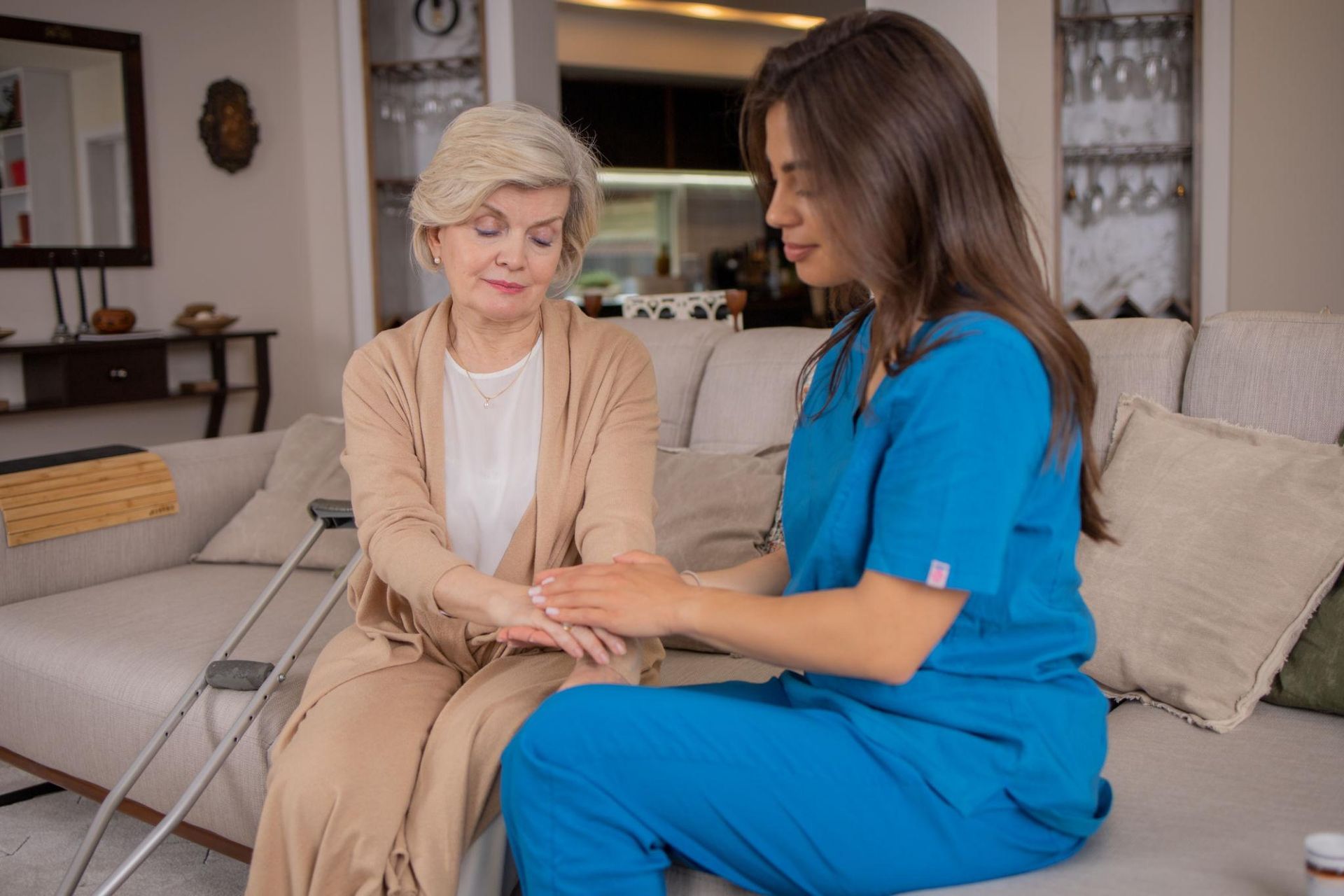
Making the Home Safe: A Room-by-Room Guide
Before bringing in care, it's worth walking through your parent's home with fresh eyes — the way you'd childproof a space, but for an older adult. Small changes prevent big emergencies. Here's where to focus.
Bathroom — the highest-risk room in the house
According to CDC surveillance data, approximately 235,000 people visit emergency rooms each year due to bathroom injuries, with adults 65 and older experiencing the highest injury and hospitalization rates of any age group. Among those injuries, over 80 percent are caused by falls. The bathroom's combination of wet surfaces, hard floors, and confined spaces makes it the most dangerous room in the home for older adults.
Priority changes: install grab bars near the toilet and inside the shower or tub, add a non-slip mat both inside the shower and on the floor outside it, and consider a shower chair and a raised toilet seat. For parents living with dementia, bathing can also become frightening — a trained, patient caregiver makes an enormous difference here.
Stairs and hallways
Secure, sturdy railings on both sides of every staircase are essential. Check for loose rugs and floor clutter — both are leading tripping hazards — and either remove them or secure with non-slip backing. Add motion-sensor night lights along the path from the bedroom to the bathroom to prevent falls during nighttime trips.
Kitchen
Arrange everyday items so they're within easy reach without step stools. Auto shut-off appliances add a meaningful layer of protection for a parent who sometimes forgets the stove is on. If forgotten burners are becoming a pattern, that's a safety signal worth addressing promptly — it's also a common early sign that additional daily support could be beneficial.
Bedroom
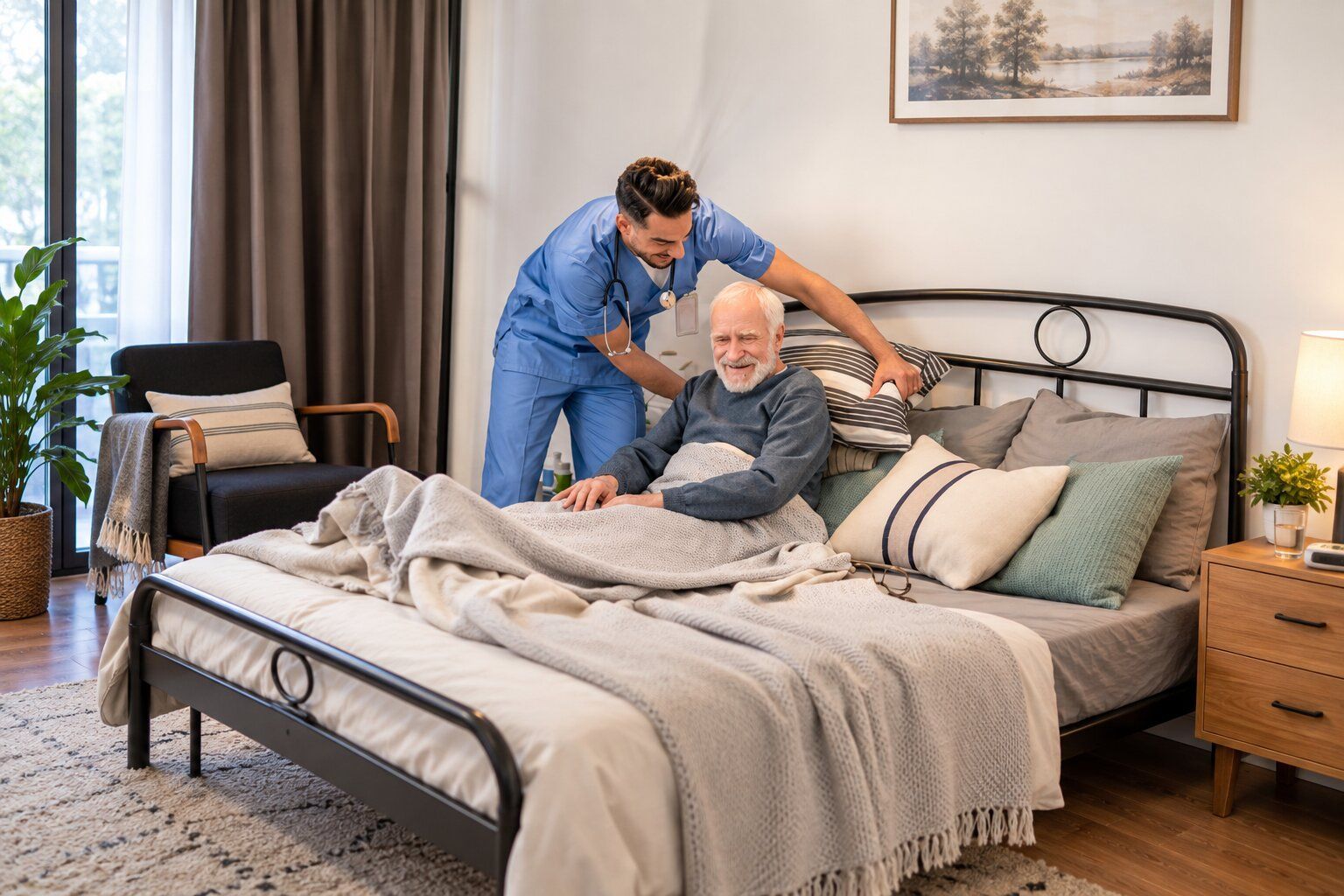
Keep a lamp and a phone within arm's reach of the bed, and ensure a clear, unobstructed path to the door. The bed should be at a height that makes getting up safe — not too low, not too high. A bedside grab bar or bed rail can also provide a helpful anchor when rising.
Going room by room like this isn't about turning a beloved home into a hospital. It's about quietly removing hazards so your parent can move through their space with confidence.
Not sure where to start? Our Registered Nurses can visit your loved one's home, assess safety, and help build a personalized care plan. Call
(516) 408-0034 or request your free consultation today.
Signs Your Parent May Need Extra Support at Home
The need for help often arrives gradually, and it's easy to miss until something goes wrong.
Watch for these common signals that aging in place could use a helping hand:
- Missed medications, or confusion about doses and timing
- Weight loss or an empty fridge, suggesting meals are being skipped
- A noticeable decline in personal hygiene — unwashed hair, worn clothes, skipped showers
- Falls or unexplained bruises
- Increasing forgetfulness, wandering, or getting lost in familiar places
- Growing isolation — withdrawing from friends, hobbies, or family calls
- Unopened mail, unpaid bills, or a home that's noticeably less tidy than before
For parents living with Alzheimer's disease or another form of dementia, there are additional warning signs worth knowing. Our guide on the signs a loved one with dementia should no longer be left alone walks through these in detail and can help your family feel confident about the timing.
Noticing one or two of these signs doesn't mean it's time for a facility. In most cases, it simply means it's time to bring the right support into the home.
How Professional Home Care Keeps Your Parent Safe and Comfortable
A licensed in-home caregiver fills exactly the gaps that have opened up — no more, no less — so your parent keeps as much independence as safely possible. Here's what that support typically looks like.
Personal care and certified home health aides
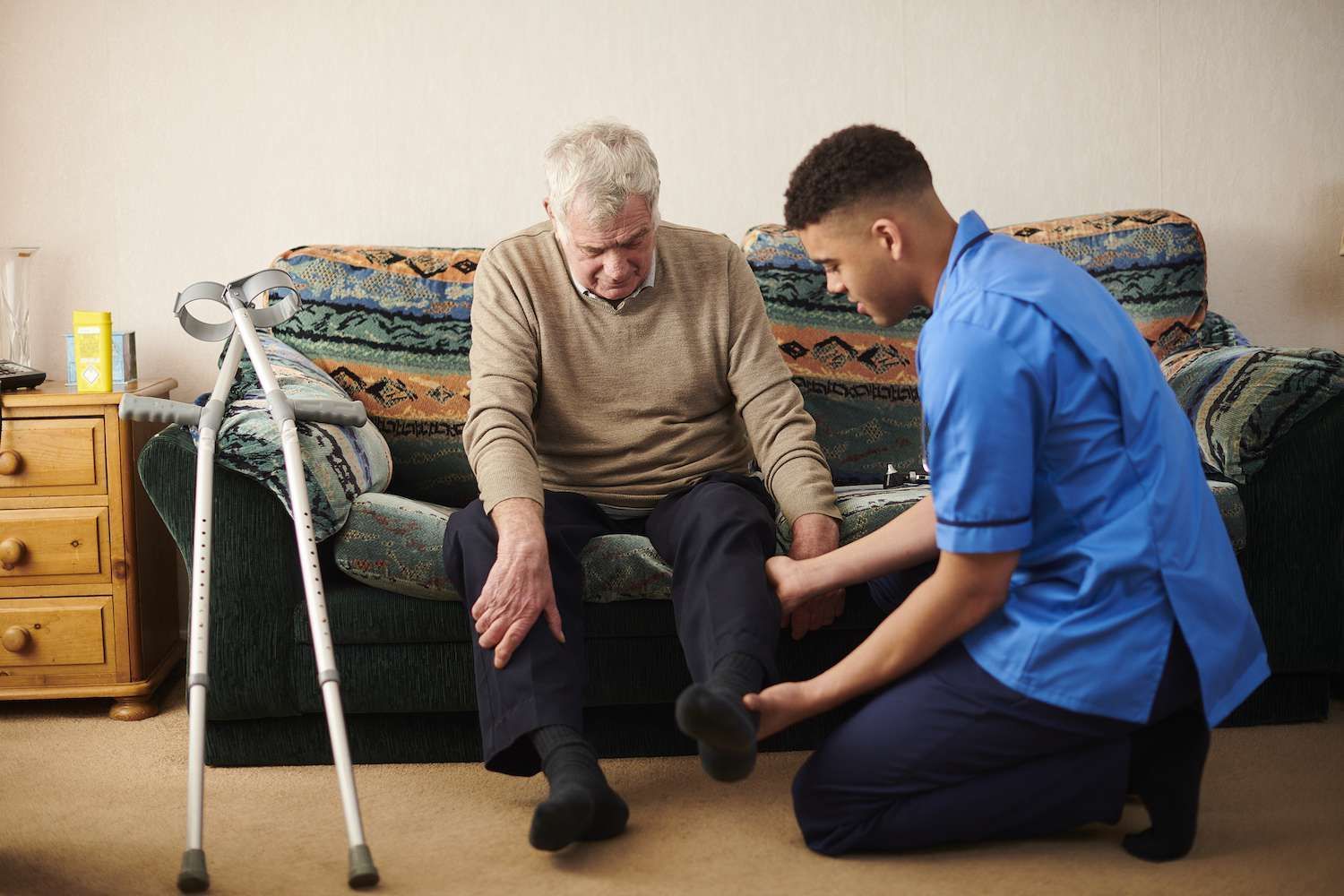
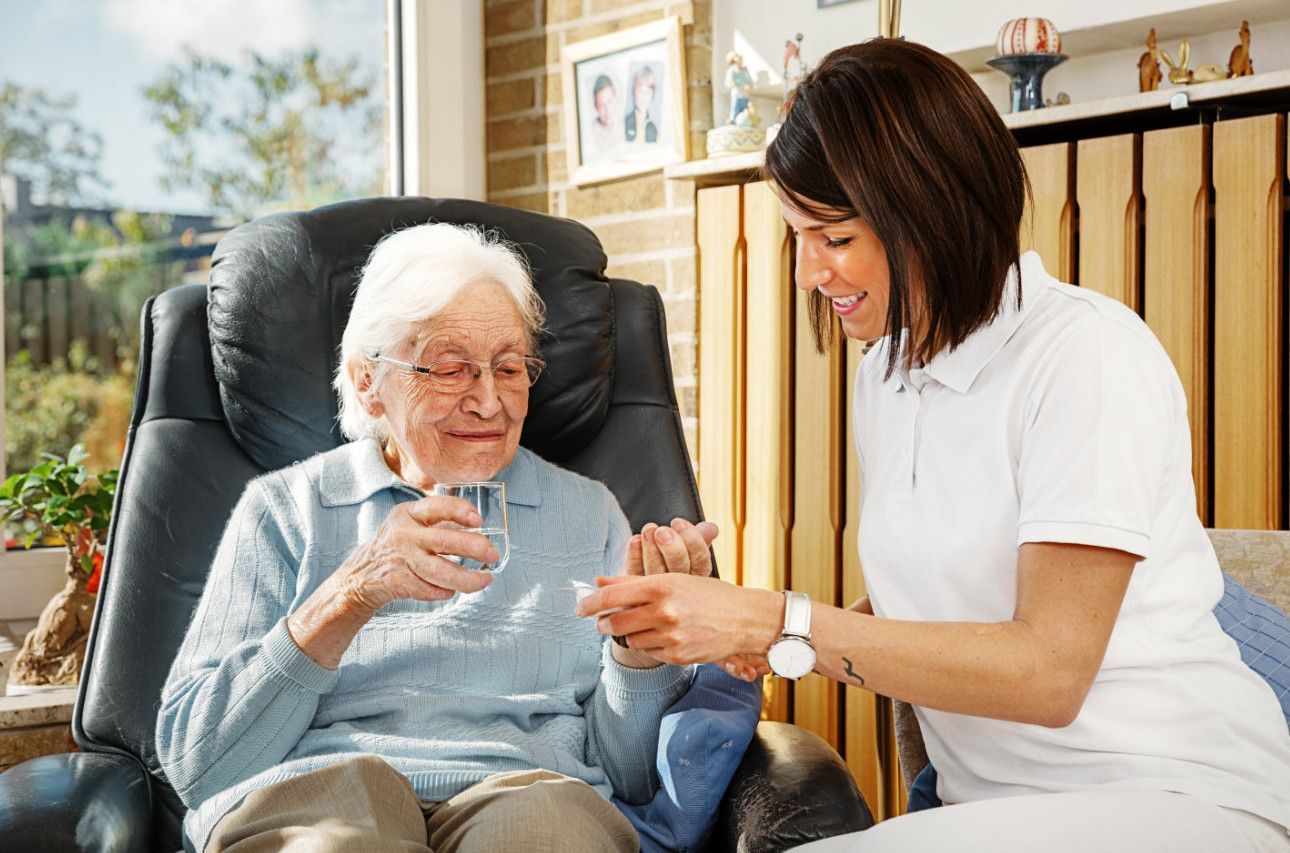
Certified home health aides provide hands-on personal care: assistance with bathing, dressing, grooming, toileting, mobility, and medication reminders. These are the everyday tasks that quietly become difficult with age, and having a compassionate professional handle them protects both safety and dignity.
Companion care and social connection
Loneliness is a genuine health risk for seniors. According to a 2023 U.S. Surgeon General advisory, social isolation is associated with a significantly higher risk of cardiovascular disease, dementia, stroke, depression, and premature death.
Companion care services bring conversation, shared meals, help with errands, and a consistent, friendly presence into the day. For a parent living alone in the city or out on the Island, a caregiver's companionship can be just as valuable as the practical help.
Overnight and 24-hour care
Nighttime brings its own risks: disorientation, falls on the way to the bathroom, anxiety, and wandering. Overnight care ensures someone is always present. For families whose loved ones need continuous support, 7 Day Home Care also provides full-time, live-in, and
24-hour care so that safety is never left to chance.
Specialized Alzheimer's and dementia care
Memory care requires patience, specific training, and a gentle approach. Our caregivers are trained to recognize the changes that come with cognitive decline and to respond with reassurance rather than correction. If your family is navigating this journey, our dedicated Alzheimer's and dementia care services can bring real stability and relief to the whole household.
Every family's needs are different, and that's precisely the point. Let us build a plan around your parent. Call (516) 408-0034 or request a free consultation to get started.
The 7 Day Home Care Difference
Choosing a home care provider is an act of trust — you're inviting someone into your parent's most personal space. At 7 Day Home Care, we don't take that lightly. We're a family-owned agency, not a faceless corporation, and we deliver the same quality of care we'd want for our own loved ones.
Person-centered, thoughtfully matched care
Rather than assigning whoever is available, we match caregivers to clients based on personality, needs, routines, and language. Our team speaks English, Spanish, French, Russian, Polish, Hindi, Tagalog (Filipino), and Farsi — so your parent can be matched with someone who understands them culturally and personally.
Licensed, RN-supervised, and award-recognized
7 Day Home Care is fully licensed by the New York State Department of Health, with Registered Nurses supervising our
certified home health aides. Every care plan is built and monitored by a professional and updated as your parent's needs evolve. We're also honored to have been recognized as the "Best Home Health Care Provider" for the North Shore of Long Island — a recognition we value, but never rest on.
Available when you need us
Life doesn't run on a 9-to-5 schedule. We're available 24 hours a day, 7 days a week, with offices in both Manhattan and Lake Success, Long Island.

Serving Families Across Manhattan, Queens, Brooklyn & Long Island
Aging in place looks a little different depending on where in New York your parent calls home, and we know these communities well. From high-rise apartments in Manhattan and family homes in Queens and Brooklyn, to the tree-lined neighborhoods of Nassau County and Suffolk County on Long Island, our caregivers provide reliable, local, in-person support right where your loved one already lives.
Whether you need a few hours of help a week or continuous around-the-clock care, our team brings safety, comfort, and genuine companionship to your parent's doorstep. As a locally owned and operated agency, we understand the neighborhoods, the pace, and the people we serve — because they're our neighbors too.
How to Get Started
Getting started is simpler than most families expect. It begins with a conversation.
- Reach out. Call (516) 408-0034 or (917) 301-4914, or request a free consultation online.
- Free in-home assessment. A Registered Nurse visits to understand your parent's home, health, routines, and safety needs.
- Personalized care plan. We build a plan tailored to your family and carefully match a caregiver to your parent.
- Care begins — and adapts. Your caregiver gets started, and we stay in close communication, adjusting the plan as needs change.
Aging in place is one of the most loving gifts you can help a parent receive: the ability to grow older with dignity, in the home they cherish, surrounded by familiarity and treated with respect. With the right safety measures and the right care team, "I just want to stay in my own home" doesn't have to be a worry. It can be a plan.
Let's build that plan together.
7 Day Home Care proudly serves families across Manhattan, Queens, Brooklyn, and Long Island (Nassau County & Suffolk County), New York.
Call us today at (516) 408-0034
Request a Free Consultation — compassionate, RN-supervised home care, designed around your loved one. No pressure, just answers.
Frequently Asked Questions
What does aging in place mean?
Aging in place means growing older in your own home rather than moving to a nursing home or assisted living facility. It typically involves home safety modifications and professional support services — such as a home health aide — added over time as a person's needs change.
What is the most dangerous room in the house for seniors?
The bathroom. According to CDC data, approximately 235,000 people visit emergency rooms each year due to bathroom injuries, with adults 65 and older experiencing the highest injury and hospitalization rates of any age group. Over 80 percent of those injuries are caused by falls. Grab bars, non-slip mats, and a shower chair are among the most effective modifications to reduce this risk.
What are the signs that a parent needs help at home?
Common signs include missed or incorrect medications, skipped meals, declining personal hygiene, unexplained falls or bruises, increasing forgetfulness or disorientation, social withdrawal, and neglected mail or bills. These signs typically mean it's time to bring in support at home — not necessarily time for a facility.
When should I consider in-home care for a parent?
The National Institute on Aging recommends planning for in-home care before a crisis, while your parent can still participate in decisions. In practice, consider reaching out when you notice consistent safety issues, increasing difficulty with daily tasks, or significant caregiver burnout. Earlier is generally easier than later.
What's the difference between companion care and home health aide care?
Companion care provides supervision, conversation, light household help, and safety monitoring — suited to earlier stages. Home health aide care adds hands-on personal assistance with bathing, dressing, grooming, mobility, and medication reminders, provided by a certified home health aide as needs grow.
Is in-home care available 24 hours a day?
Yes. 7 Day Home Care provides
overnight care, live-in care, and full 24-hour care for seniors who need continuous support. Care can start at a few hours a week and scale up as your parent's needs change.
Does 7 Day Home Care serve my neighborhood in NYC or Long Island?
7 Day Home Care serves families throughout Manhattan, Queens, Brooklyn, and Long Island — including Nassau County and Suffolk County. Call us at (516) 408-0034 and we'll confirm coverage in your specific area.