Home care after discharge from NewYork-Presbyterian/Weill Cornell Medical Center: complete 2026 guide for NYC families
Home care after discharge from NewYork-Presbyterian/Weill Cornell Medical Center: complete 2026 guide for NYC families

The discharge conversation can arrive with very little warning. You have been focused entirely on your loved one's treatment. Then a nurse mentions that discharge may happen in the next day or two — and suddenly a completely different set of questions takes over.
Who will help her get dressed in the morning? What if he falls getting out of the shower? Who will make sure the new medications are taken correctly? What happens on Monday when everyone has to go back to work?
If your loved one is preparing to leave NewYork-Presbyterian/Weill Cornell Medical Center on the Upper East Side of Manhattan, this guide covers exactly what to do — step by step — to arrange safe, professional home care before discharge day arrives.
How do I arrange home care after discharge from NewYork-Presbyterian Weill Cornell? (Quick answer)
To arrange home care before a NewYork-Presbyterian/Weill Cornell discharge, speak with the patient's assigned care manager or social worker as soon as a discharge date is mentioned — even if discharge is still several days away. They will clarify what level of care is clinically recommended. Then contact a licensed NYC home care agency to begin the intake process, so caregivers are scheduled and ready on the day your loved one arrives home.
- Ask to speak with the care manager or social worker assigned to your loved one's unit at Weill Cornell.
- Confirm the anticipated discharge date and ask what services are being recommended.
- Determine whether skilled nursing visits, Home Health Aide (HHA) services, or both will be needed.
- Contact a licensed home care agency immediately — do not wait for official discharge confirmation.
- Prepare the home environment and confirm caregiver coverage beginning on Day 1.
Ready to arrange care before discharge?
Same-day & next-day starts · Manhattan, Brooklyn, Queens, Nassau County & Suffolk County
About NewYork-Presbyterian/Weill Cornell Medical Center
NewYork-Presbyterian/Weill Cornell Medical Center is an 862-bed academic medical center located on Manhattan's Upper East Side, affiliated with Weill Cornell Medicine of Cornell University. It is one of just 20 hospitals nationwide named to the U.S. News & World Report Best Hospitals Honor Roll for 2025–26 —
ranked #1 in New York State and recognized nationally in 14 adult and 10 pediatric specialties, with top-five rankings in cardiology, heart surgery, neurology, and neurosurgery.
The Weill Cornell campus includes several interconnected facilities. Knowing which building your loved one is in matters — discharge instructions, social work contacts, and care manager assignments may differ by unit and pavilion.
Greenberg Pavilion
525 East 68th Street
Main inpatient facility. Core surgical, cardiac, and specialty units. Home of the Ronald O. Perelman Heart Institute.
Starr Pavilion
520 East 70th Street
Cardiology, hematology/oncology, thoracic, and leukemia/lymphoma services.
Helmsley Medical Tower
505 East 70th Street
Pediatric neurology and pulmonary function. Houses the NYP Guest Facility for out-of-town families.
Komansky Children's Hospital
525 East 68th Street
Full pediatric inpatient care. Ranked New York's #1 children's hospital by U.S. News & World Report.
Weill Greenberg Center
1305 York Avenue
Ambulatory specialty care: GI oncology, head and neck, and dermatology.
How does NewYork-Presbyterian/Weill Cornell discharge planning work?
Discharge planning at Weill Cornell begins at or near the time of admission — not on the day a patient is ready to leave. The hospital's social work department is formally involved from the start, performing psychosocial assessments, identifying barriers to a safe discharge, and coordinating referrals to home health agencies and community services.
Start thinking about plans for your discharge early in your hospital stay. Your care manager and social worker will help you and your loved ones arrange an appropriate discharge plan.
— NewYork-Presbyterian/Weill Cornell Medical Center Patient Guide
The discharge planning team typically includes:
- Care managers — coordinate the logistical and clinical aspects of the transition
- Social workers — address psychosocial needs and connect families with community resources
- Attending physicians — determine medical readiness and write required orders
- Nurses — provide discharge education and review instructions with patients and families
- Rehabilitation specialists — physical, occupational, and speech therapists who assess functional readiness
Important:
Weill Cornell's official discharge target time is before 10 a.m. Families should ensure transportation and caregiver coverage are ready well before that morning window.
Critical — from the hospital's own documentation: “You may not be discharged until the services required in your written discharge plan are secured or the Hospital determines they are reasonably available.” This means the hospital can hold discharge if home care is not yet arranged — one more reason to contact an agency early.
What does “medically ready for discharge” actually mean?
This is one of the most important distinctions families need to understand.
“Medically ready for discharge” means a patient is stable enough to leave the hospital. It does not mean ready to be alone — or to manage safely at home without assistance.
A patient may be cleared by their physician while still needing hands-on help with:
- Getting in and out of bed safely
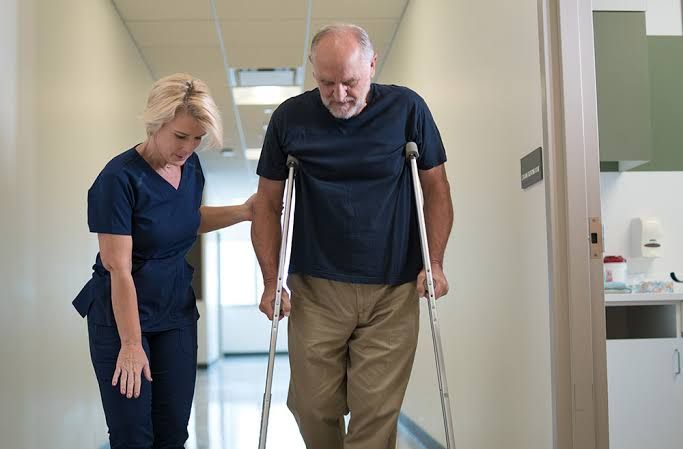
- Walking, transferring, and navigating stairs
- Bathing, dressing, grooming, and toileting
- Preparing meals and staying hydrated
- Managing a new or complex medication regimen
- Getting to follow-up appointments on the Upper East Side or elsewhere
Clinical research consistently shows the first 30 days post-discharge are the highest-risk period for falls, medication errors, and preventable hospital readmissions. Professional home care directly addresses that gap.
Questions to ask the Weill Cornell care manager before discharge
Before your loved one leaves NewYork-Presbyterian/Weill Cornell, ask the assigned care manager or social worker these questions directly:
What is the anticipated discharge date?
Even an estimate lets families plan ahead. Discharge can sometimes accelerate quickly — don't wait until the morning of to begin arranging care.
What level of home care is being recommended?
Ask specifically whether skilled nursing, therapy, or Home Health Aide services are being referred as part of the discharge plan.
What medical equipment will be needed?
Walker, wheelchair, shower chair, commode, hospital bed, home oxygen — confirm orders have been placed and when delivery is expected.
What follow-up appointments are scheduled?
Obtain date, time, location, and physician name for every follow-up before leaving the hospital.
What warning signs should we watch for?
Medication side effects, wound concerns, when to call the doctor versus when to go to the emergency department.
Will Medicare or insurance cover home services?
The care manager can confirm which services are being referred as medically necessary — the first step in any coverage determination.
Discharge checklist for Weill Cornell/NewYork-Presbyterian patients
Use this checklist in the days before and on the day of discharge.
Medical
- Written discharge instructions received and reviewed with the nursing team
- Complete medication list confirmed, including new prescriptions and any stopped medications
- All new prescriptions filled before leaving — or confirmed at a pharmacy near home
- All follow-up appointments scheduled with dates, times, locations, and physician names
- Durable medical equipment ordered and delivery date confirmed
- Emergency contacts documented: primary physician, home care agency after-hours line
Home safety
- Clear walking paths throughout the home (loose rugs, clutter, and threshold obstacles removed)
- Bathroom safety reviewed: grab bars, shower chair, raised toilet seat if needed
- Adequate lighting throughout the home, especially in hallways and at night
- Frequently used items relocated to within easy reach
- Phone or call device accessible from the bed
Caregiver
- Home care agency contacted and start date confirmed before discharge
- Care plan reviewed by agency prior to discharge day
- Family schedule and agency shift coverage coordinated
- Transportation arranged for the first follow-up appointment
What type of home care is needed after leaving Weill Cornell?
The right level of care depends on the patient's diagnosis, mobility, cognitive status, and home environment. Most families leaving NewYork-Presbyterian/Weill Cornell fall into one of these categories:
Companion care
Companion care provides supervision and support for someone who is generally mobile but should not be alone during early recovery. Services include meal preparation, light housekeeping, grocery shopping, medication reminders, transportation to appointments, and safety monitoring. This level is often appropriate for patients returning home after a minor procedure, respiratory illness, or a medical admission where the primary concern is safety and supervision rather than hands-on physical assistance.
Home Health Aide (HHA) services
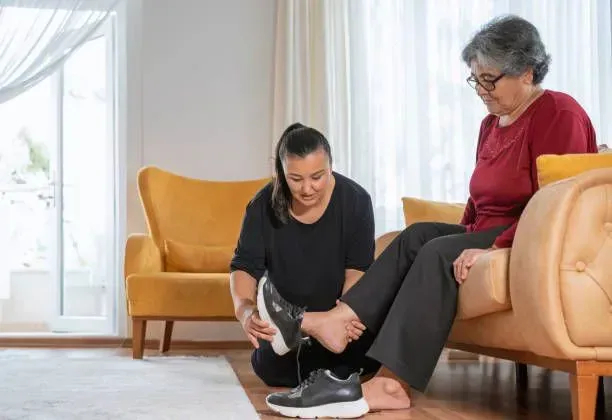
Home Health Aides provide direct, hands-on personal care — the most commonly arranged level of support following discharge from Weill Cornell. Services include assistance with bathing, dressing, grooming, toileting, transfers, mobility support, and fall prevention. HHA care can be arranged on flexible schedules: a few morning hours, full-day, overnight, or 24 hours. All 7 Day Home Care HHAs are supervised by a Registered Nurse throughout the care relationship.
Skilled nursing visits
Some patients require clinical services that only a licensed nurse can provide: wound care, post-surgical monitoring, IV therapy management, medication reconciliation, vital sign assessment, and disease management education. Skilled nursing visits are typically ordered by the treating physician as part of the formal discharge plan.

Common diagnoses that lead Weill Cornell patients to need home care
Cardiac surgery & heart procedures
The Ronald O. Perelman Heart Institute ranks in the top five nationally. Patients recovering from open-heart, valve replacement, or catheterization procedures often need supervised home recovery for several weeks.
Cancer treatment & oncology recovery
Meyer Cancer Center patients recovering from surgery, chemotherapy, or radiation frequently experience fatigue, nutritional challenges, and functional limitations that make home care highly beneficial.
Orthopedic surgery & joint replacement
Hip, knee, and spine procedures — mobility assistance, transfer support, and fall prevention are typically needed during the 4–6 weeks of initial recovery.
Stroke & neurological recovery
Weill Cornell's neurology and neurosurgery programs rank in the top five nationally. Stroke patients often return home with ongoing needs for transfers, mobility support, and medication management.
Kidney & transplant recovery
NYP/Weill Cornell houses one of the oldest and highest-volume kidney transplant programs in New York State. Post-transplant patients require strict monitoring and medication compliance.
Respiratory & pulmonary illness
Patients recovering from pneumonia or COPD exacerbations may be medically ready for discharge while still experiencing significant weakness and fatigue lasting several weeks.
Alzheimer's disease & dementia
Hospitalization frequently causes increased confusion in dementia patients — a phenomenon clinicians call hospital-associated delirium. Familiar caregiver presence and consistent routine at home are especially important during the post-discharge period.
Does Medicare cover home care after discharge from Weill Cornell?
The answer depends on which type of care is being discussed.
What Medicare covers
Original Medicare (Parts A and B) covers skilled home health at $0 cost to the patient — no copay, no deductible, no coinsurance — when all four conditions are met:
- The patient is homebound (leaving home requires considerable effort or assistance)
- A physician, NP, CNS, or PA certifies the need and establishes a plan of care with documented face-to-face encounter
- The patient needs intermittent skilled care — in 2026, fewer than 8 hours/day and 28 hours/week
- The home health agency is Medicare-certified
Important for Weill Cornell patients: If a patient spent at least three consecutive days as a hospital inpatient before discharge, Medicare Part A — not just Part B — can cover home health care during the recovery period. This applies to most NewYork-Presbyterian inpatient discharges.
What Medicare does not cover
Medicare does not cover ongoing personal care — bathing, dressing, meal preparation, supervision — when that assistance is the primary need and no skilled service is being provided alongside it. Families typically explore:
- Long-term care insurance (if the policy is in force)
- Veterans benefits (for eligible veterans and surviving spouses)
- New York Medicaid: Consumer Directed Personal Assistance Program (CDPAP) and Managed Long Term Care (MLTC)
- Private-pay home care arranged through a licensed agency
Medicare and durable medical equipment (DME)
Equipment like walkers, wheelchairs, hospital beds, and oxygen systems is covered under Medicare Part B with cost-sharing. In 2026, after meeting the Part B annual deductible ($283), patients pay 20% of the Medicare-approved amount. Confirm that suppliers accept Medicare assignment before ordering.
A 7 Day Home Care coordinator can help your family understand which coverage options apply — including Medicare, long-term care insurance, CDPAP, and MLTC. Call 516-408-0034 for a free consultation.
Why the first week home from Weill Cornell matters most
The transition from a world-class academic medical center back to a Manhattan apartment, a Long Island home, or a Queens co-op is one of the most vulnerable periods in any patient's recovery. During the first 7–10 days after discharge, patients commonly face new or adjusted medications, reduced physical strength, fatigue and sleep disruption, balance changes, and the cognitive demands of processing complex discharge instructions — all at once, and without the moment-to-moment support of hospital nursing staff.
A 7 Day Home Care caregiver can assist with:
Mobility & fall prevention
Safe transfers, walking support, and movement through the home. Fall risk peaks in the first 30 days post-discharge.
Medication support
Supporting adherence to discharge instructions, which often include new or adjusted medication schedules.
Nutrition & hydration
Meal preparation, adequate fluid intake, and recovery-specific dietary needs.
Personal care
Bathing, dressing, grooming, and toileting assistance that reduces injury risk and preserves dignity.
Transportation
Getting patients to follow-up appointments at Weill Cornell, the Weill Greenberg Center, or with their primary physician.
Family communication
Keeping family members informed about day-to-day changes, concerns, and care needs — especially when family has returned to work.
Wound & skin monitoring
Observing and reporting changes to incision sites or skin as part of an RN-supervised care plan.
Why families arrange home care before discharge — not after
The families who experience the smoothest transitions from NewYork-Presbyterian/Weill Cornell are almost always those who started planning before discharge was officially confirmed.
When care is arranged in advance:
- Caregivers are scheduled and ready to start on Day 1
- The home can be evaluated for safety modifications in advance
- The care plan is aligned with the hospital's written discharge instructions
- Family members can return to work without a gap in coverage
- Questions are answered before the patient is home, not while managing a new crisis
Waiting until the morning of discharge creates a compressed, stressful search under the worst possible conditions. The discharge target time at Weill Cornell is before 10 a.m. — that is not a window designed for last-minute care arrangements.
The best time to call is now — even if discharge is still several days away. 7 Day Home Care accepts inquiries before discharge is confirmed and can have caregivers scheduled, assessed, and ready to begin the moment your loved one comes through the door.
Service areas: home care after NewYork-Presbyterian/Weill Cornell discharge
7 Day Home Care serves families returning home throughout New York City and Long Island — including the neighborhoods immediately surrounding the Weill Cornell campus.
Manhattan
Lenox Hill · Carnegie Hill · Yorkville · Upper East Side · Midtown East · Murray Hill · Kips Bay · Gramercy · Chelsea · Upper West Side · Washington Heights · Inwood
Brooklyn
Brooklyn Heights · Cobble Hill · Park Slope · Williamsburg · Bay Ridge · Bensonhurst · Flatbush · Sunset Park · Greenpoint · Dyker Heights
Queens
Forest Hills · Rego Park · Jackson Heights · Astoria · Long Island City · Bayside · Flushing · Fresh Meadows · Jamaica · Howard Beach
Nassau County
Great Neck · Manhasset · Port Washington · Garden City · Roslyn · New Hyde Park · Hewlett · Woodmere · Long Beach · Valley Stream
Suffolk County
Huntington · Smithtown · Commack · Hauppauge · Patchogue · Bay Shore · Islip · Port Jefferson · Centereach · Northport
Whether your loved one is leaving the Greenberg Pavilion, the Starr Pavilion, the Helmsley Medical Tower, or Komansky Children's Hospital, early planning makes the transition home significantly safer and less stressful for everyone.

Frequently asked questions
How soon should I contact a home care agency before discharge from Weill Cornell?
Contact a home care agency as soon as a projected discharge date is mentioned — ideally 2–4 days in advance, or more. Earlier contact allows the agency to assess needs, schedule the right caregiver, align with the hospital's discharge instructions, and have care in place for Day 1. Do not wait for official discharge confirmation to begin this process.
Can home care start the same day as discharge from NewYork-Presbyterian/Weill Cornell?
In many cases, yes. 7 Day Home Care arranges same-day and next-day starts throughout Manhattan, Brooklyn, Queens, Nassau County, and Suffolk County. Call 516-408-0034 as soon as a discharge date is anticipated.
What is the difference between a Home Health Aide and a skilled nurse for home care?
A Home Health Aide (HHA) provides hands-on personal care: bathing, dressing, grooming, transfers, and mobility assistance. A skilled nurse (RN or LPN) provides medically necessary clinical services such as wound care, medication management, IV therapy, and post-surgical monitoring. Both can be part of the same coordinated home care plan. All 7 Day Home Care services are supervised by a Registered Nurse.
Does Medicare cover home care after a hospital stay at Weill Cornell?
Yes, if the patient meets four conditions: they are homebound, a qualified practitioner certifies the need and establishes a plan of care, they require intermittent skilled services, and a Medicare-certified agency provides care. Covered services cost the patient $0. Medicare does not cover ongoing personal care (bathing, dressing, supervision) when skilled services are not also being provided.
What if my loved one is going to a rehabilitation facility first?
Begin home care planning during the rehabilitation stay — not after. Rehabilitation lengths of stay have shortened substantially in recent years, and discharges can happen faster than families expect. Having caregivers assessed and scheduled before rehab ends means there is no gap when the patient comes home.
How many hours of care do most Weill Cornell discharge patients start with?
Needs vary significantly. Some families start with a 4-hour morning shift covering personal care and medication reminders. Others begin with 8- or 12-hour coverage, overnight care, or 24-hour live-in support. A 7 Day Home Care RN will help identify the right starting point based on the discharge plan.
Does 7 Day Home Care coordinate with NewYork-Presbyterian/Weill Cornell's discharge team?
Yes. A 7 Day Home Care coordinator can work alongside the hospital's care management team, review discharge instructions, and align the care plan with the patient's clinical needs. We accept referrals from Weill Cornell care managers and social workers and are familiar with the discharge process across the Weill Cornell campus.
What neighborhoods near Weill Cornell does 7 Day Home Care serve?
We serve all Manhattan neighborhoods, including Lenox Hill, Yorkville, Carnegie Hill, and the Upper East Side — the neighborhoods immediately surrounding the Weill Cornell campus. We also serve Brooklyn, Queens, Nassau County, and Suffolk County. Call 516-408-0034 to confirm coverage for a specific address.
7 Day Home Care
- NYS Licensed Home Care Agency · Serving NYC & Long Island
- Licensed by the NY State Department of Health
- All care RN-supervised throughout the relationship
- Same-day & next-day starts, 7 days a week
- Approved LTC insurance provider in New York
- English, Spanish, Russian, French, Tagalog + more
- Offices in Lake Success, LI and Manhattan
We specialize in helping families navigate the transition from hospital to home — including discharges from NewYork-Presbyterian/Weill Cornell, NYU Langone, Mount Sinai, Northwell Health, and other major New York medical centers. Our care coordinators are experienced in long-term care insurance billing and can help families understand which services may be funded through existing coverage.
Manhattan · Brooklyn · Queens · Nassau County · Suffolk County
A safe recovery starts before your loved one leaves the hospital
The earlier you call, the more options your family will have. Free in-home RN consultation — no obligation.
516-408-0034
Same-day starts available · 7 days a week · Manhattan, Brooklyn, Queens, Nassau & Suffolk County
Sources: NewYork-Presbyterian/Weill Cornell Medical Center Patient Guide (“Preparing to Go Home”); NewYork-Presbyterian Social Work Department; U.S. News & World Report Best Hospitals 2025–26; Medicare.gov 2026 home health eligibility guidelines; CMS Home Health PPS Final Rule CY 2026. This article is for informational purposes and does not constitute medical, legal, or insurance advice. Medicare coverage determinations are individual and should be confirmed directly with Medicare or a licensed insurance professional.