NYU Langone Discharge Home Care: Complete 2026 Guide for New York City Families
NYU Langone Discharge Home Care: Complete 2026 Guide for New York City Families

The discharge call can come faster than anyone expects. One day your loved one is in the hospital. The next, a nurse mentions they may be ready to go home tomorrow.
If your family is preparing for a discharge from NYU Langone — whether from Tisch Hospital, Kimmel Pavilion, NYU Langone Orthopedic Hospital, Rusk Rehabilitation, NYU Langone Hospital – Brooklyn, or NYU Langone Hospital – Suffolk — this guide covers exactly what to do, step by step.
How Do I Arrange Home Care After Discharge from NYU Langone? (Quick Answer)
To arrange home care before a NYU Langone discharge, speak with the patient's assigned case manager or social worker as soon as a discharge date is discussed. They will clarify which services are medically recommended. Then contact a licensed home care agency — ideally two to three days before discharge — so caregivers can be scheduled and in place on the day your loved one comes home.
The 5 steps, in order:
- Ask to speak with the NYU Langone case manager or social worker assigned to your loved one.
- Confirm the anticipated discharge date and ask what level of care is being recommended.
- Determine whether skilled home health visits, personal care assistance (Home Health Aide), or both will be needed.
- Contact a licensed home care agency and begin the intake process — do not wait for official discharge confirmation.
- Prepare the home environment and confirm caregiver coverage beginning on Day 1.
Need to start today? Call 7 Day Home Care at 516-408-0034. Same-day and next-day starts are available throughout Manhattan, Brooklyn, Queens, Nassau County, and Suffolk County.
What Is NYU Langone's Discharge Planning Process?
NYU Langone Health is consistently ranked among the nation's top academic medical centers and includes major inpatient facilities across New York City and Long Island:
- Tisch Hospital — East Side, Manhattan
- Kimmel Pavilion — East Side, Manhattan
- NYU Langone Orthopedic Hospital — East 17th Street, Manhattan
- Rusk Rehabilitation — East 34th Street, Manhattan
- Hassenfeld Children's Hospital — East Side, Manhattan
- NYU Langone Hospital – Brooklyn — Sunset Park, Brooklyn
- NYU Langone Hospital – Suffolk — Patchogue, Long Island
Discharge planning at NYU Langone begins at or near admission — not just on the day a patient is ready to leave. According to NYU Langone's own social work and care management department, a social worker meets patients at the bedside to review discharge plans and helps coordinate referrals to appropriate home health agencies. The care management and social work teams can also coordinate transportation from the hospital when needed.
The discharge planning team typically includes case managers, social workers, nurses, attending physicians, and rehabilitation specialists. Their focus is on medical transition planning — ensuring patients leave safely and with a clear next-step care plan. However, day-to-day personal support at home is a separate service that families generally arrange independently, often through a licensed home care agency.

What Does "Medically Ready for Discharge" Actually Mean?
This is one of the most important distinctions families need to understand.
"Medically ready for discharge" means a patient is stable enough to leave the hospital setting. It does not mean the patient is ready to be alone, manage medications independently, or move safely through their home without assistance.
A patient may be cleared for discharge while still needing help with:
- Getting in and out of bed safely
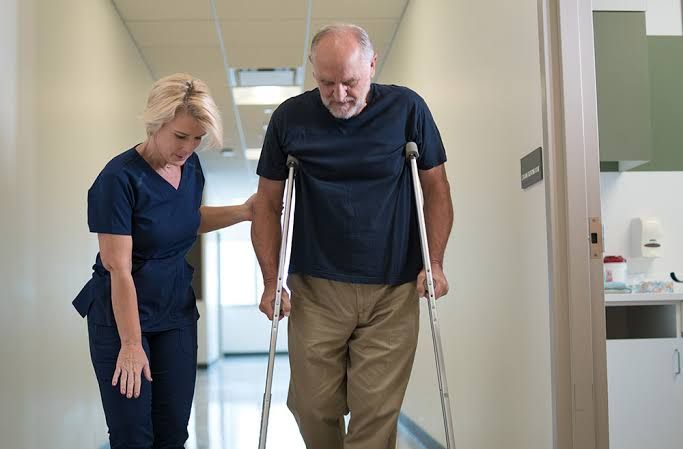
- Walking, transferring from chair to bed, and navigating stairs
- Bathing, dressing, and grooming
- Preparing meals and staying hydrated
- Remembering and taking multiple medications correctly
- Getting to follow-up appointments
Research consistently shows that the first 30 days after hospital discharge represent the highest-risk window for falls, medication errors, and hospital readmission. Professional caregiver support during this period is one of the most effective ways to reduce those risks.
Questions to Ask the NYU Langone Case Manager Before Discharge
Before your loved one leaves the hospital, ask the assigned case manager or social worker these questions directly:
What is the anticipated discharge date? Even an estimate gives families time to arrange care. Do not wait for a confirmed date to begin planning.
What level of care is being recommended at home? Ask specifically whether skilled nursing visits, physical therapy, occupational therapy, or personal care assistance (Home Health Aide services) are being referred.
What medical equipment will be needed? Common items following hospitalization include a walker, wheelchair, shower chair, commode, hospital bed, or oxygen equipment. Confirm whether orders have been placed and when equipment will arrive.
What follow-up appointments are already scheduled? Get the date, time, location, and physician name for every follow-up before discharge. Transportation planning begins here.
What warning signs should we watch for at home? Ask about medication side effects, fall risk factors, signs of infection or worsening condition, and when to call the doctor versus when to go to the emergency room.
Will Medicare or insurance cover any home services? The case manager may not provide a definitive coverage determination, but they can point families toward the right resources and indicate which services are being recommended as medically necessary.
What Type of Home Care Is Needed After Leaving NYU Langone?
The right level of care depends on the patient's diagnosis, mobility, cognitive status, and support system. Most families leaving NYU Langone fall into one of three categories:
Companion Care
Companion care focuses on supervision and assistance with daily activities for someone who is generally mobile but should not be alone during early recovery. Services typically include meal preparation, light housekeeping, grocery shopping, transportation to appointments, and safety monitoring.
This level of care is often appropriate for patients recovering from minor procedures, respiratory illness, or medical conditions where the primary concern is supervision and support rather than hands-on physical assistance.
Home Health Aide (HHA) Services
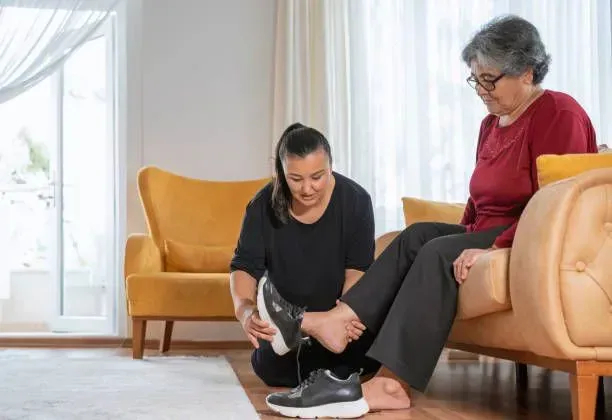
Home Health Aides provide direct hands-on personal care. This is the most common level of support requested following hospitalization at NYU Langone. Duties include assistance with bathing, dressing, grooming, toileting, transfers, mobility support, and fall prevention.
HHA services can be provided on a flexible schedule — from a few hours per day to around-the-clock coverage — depending on the patient's needs and family circumstances.
Learn more about Home Health Aide services
Skilled Nursing Visits
Some patients require clinically skilled services that can only be provided by a licensed nurse. Examples include wound care, post-surgical monitoring, IV therapy management, medication reconciliation, vital sign monitoring, and chronic disease management education.
Skilled nursing services are typically ordered by the treating physician or authorized practitioner as part of the formal discharge plan.
Does Medicare Cover Home Care After Leaving NYU Langone?
Medicare coverage for home health services is one of the most frequently misunderstood topics families face at discharge. Here is an accurate, plain-language summary of how 2026 Medicare rules apply.
What Medicare Does Cover
Original Medicare (Parts A and B) covers skilled home health services at
no cost to the patient — no copay, no deductible, no coinsurance — when all four of the following conditions are met:
- The patient is homebound. "Homebound" means leaving home requires considerable effort, assistance from another person, or the use of assistive equipment (walker, wheelchair). Patients can still attend medical appointments, religious services, and occasional events without losing homebound status.
- A physician, nurse practitioner, clinical nurse specialist, or physician assistant certifies the need and establishes a formal plan of care. This face-to-face encounter must occur and be documented.
- The patient needs intermittent skilled care — specifically, skilled nursing or therapy services that are medically necessary and required fewer than 8 hours per day and 28 or fewer hours per week.
- The home health agency is Medicare-certified.
When these conditions are met, Medicare covers skilled nursing visits, physical therapy, occupational therapy, speech therapy, and home health aide services provided as part of that skilled care plan.
Important: If a patient spent at least three consecutive days as a hospital inpatient prior to discharge, Medicare Part A — not just Part B — can cover home health care during the recovery period. This is directly relevant for most NYU Langone discharge patients.
What Medicare Does Not Cover
Medicare
does not cover ongoing personal care (bathing, dressing, meal preparation, supervision) when skilled medical services are not also being provided. This gap — often called "custodial care" — is the most common coverage gap families discover after discharge.
For ongoing personal assistance beyond what Medicare covers, families typically explore:
- Long-term care insurance (if the policy is in force)
- Veterans benefits (for eligible veterans and surviving spouses)
- New York Medicaid programs, including Consumer Directed Personal Assistance Program (CDPAP) and Managed Long Term Care (MLTC)
- Private-pay home care arranged directly with a licensed agency
A
7 Day Home Care care coordinator can help your family understand which options may apply to your situation. Call
516-408-0034 to discuss.
Medicare and Durable Medical Equipment (DME)
Equipment such as walkers, wheelchairs, hospital beds, oxygen equipment, and CPAP machines is covered under Medicare Part B, but with cost-sharing. In 2026, after meeting the Part B annual deductible ($283), patients pay 20% of the Medicare-approved amount. Confirm that equipment suppliers accept Medicare assignment to avoid higher out-of-pocket costs.

Common Diagnoses That Require Home Care After NYU Langone Discharge
Hip, Knee, and Shoulder Replacement Surgery
Joint replacement patients are among the most common home care recipients following NYU Langone Orthopedic Hospital discharge. Temporary mobility assistance, transfer support, and fall prevention are typically needed during the 4–6 weeks following surgery.
Stroke Recovery
Patients recovering from stroke may need significant support with transfers, ambulation, activities of daily living, medication routines, and cognitive support. Needs vary widely depending on severity and deficits.
Cardiac Surgery and Heart Procedures
Patients recovering from open heart surgery, valve procedures, or cardiac catheterization benefit from supervision during the early recovery period, particularly for monitoring activity levels, signs of complications, and medication compliance.
Pneumonia and Respiratory Illness
Weakness and fatigue from pneumonia or respiratory conditions can persist for weeks after hospital discharge, even after the acute infection has resolved. Assistance with daily activities and monitoring for symptom recurrence is often needed.
Cancer Treatment and Oncology Care
Patients undergoing or recovering from cancer treatment may need support managing fatigue, nutrition, medication side effects, and activities of daily living.
Alzheimer's Disease and Dementia
Hospitalization frequently causes increased confusion and behavioral changes in patients with Alzheimer's disease or other dementias — a phenomenon known as hospital-associated delirium. Additional supervision and familiar caregiver presence are especially important during post-discharge recovery.
Hospital Discharge Checklist for NYU Langone Patients and Families
Use this checklist in the days before and on the day of discharge.
Medical
- Written discharge instructions received and reviewed with the nurse
- Complete medication list confirmed, including new prescriptions and any discontinued medications
- All new prescriptions filled before leaving the hospital or confirmed at a nearby pharmacy
- Follow-up appointments scheduled with dates, times, locations, and physician names
- Durable medical equipment ordered and delivery confirmed
- Emergency contact list created (primary physician, home care agency, after-hours line)
Home Safety
- Clear walking paths throughout the home (remove loose rugs, clutter, and obstacles)
- Bathroom safety reviewed (grab bars, shower chair, raised toilet seat if needed)
- Adequate lighting throughout the home, especially at night
- Frequently used items moved to within easy reach
- Phone or call device easily accessible from bed
Caregiver
- Home care agency contacted and start date confirmed
- Care plan reviewed with the agency prior to discharge
- Family responsibilities and agency schedule coordinated
- Transportation arranged for first follow-up appointment
Why the First Week Home Matters Most
The transition from hospital to home is one of the most vulnerable periods in any patient's recovery.
During the first 7–10 days after discharge, patients commonly face a combination of new medications, reduced physical strength, fatigue, balance changes, and the cognitive stress of processing new medical instructions — all at once. Professional caregiver support during this period addresses each of these risks directly.
A home caregiver from
7 Day Home Care can assist with:
Mobility and Fall Prevention — Helping safely with transfers, walking, and movement throughout the home. Fall risk is highest during the first 30 days post-discharge.
Medication Reminders — Supporting compliance with discharge instructions, which often include complex new medication regimens.
Meal Preparation and Nutrition — Ensuring adequate food intake and hydration, which directly affects recovery speed.
Personal Care — Bathing, dressing, grooming, and toileting assistance that preserves dignity and prevents injury.
Transportation — Getting patients to and from follow-up appointments, which are critical to continued recovery.
Family Communication — Keeping family members informed about day-to-day changes, emerging concerns, and care needs.
Wound and Skin Monitoring — Observing and reporting changes to wounds, incision sites, or skin conditions as part of an RN-supervised care plan.
Why Families Arrange Home Care Before Discharge — Not After
The families who experience the smoothest post-hospital transitions are almost universally those who planned ahead.
When care is arranged before discharge:
- Caregivers are scheduled and ready to start on Day 1
- The home can be assessed in advance for safety modifications
- The care plan is aligned with the hospital's discharge instructions
- Family members can return to work without leaving a gap in coverage
- Questions and concerns are answered before the patient is home
When families wait until after discharge to find care, they face compressed timelines, limited caregiver availability, and the stress of making decisions during an already difficult time.
The best time to call is now — even if discharge is still a few days away. 7 Day Home Care accepts inquiries before discharge is confirmed and can have a care plan ready to start the moment your loved one arrives home.
Service Areas: Home Care After NYU Langone Discharge
7 Day Home Care arranges RN-supervised home care for families throughout:
Manhattan Upper East Side · Upper West Side · Midtown · Murray Hill · Gramercy · Kips Bay · Chelsea · Greenwich Village · Tribeca · Financial District · SoHo
Brooklyn Brooklyn Heights · Park Slope · Williamsburg · Bay Ridge · Bensonhurst · Flatbush · Cobble Hill · Carroll Gardens · Sunset Park · Dyker Heights
Queens Forest Hills · Rego Park · Bayside · Flushing · Fresh Meadows · Jackson Heights · Astoria · Jamaica · Howard Beach
Nassau County Great Neck · Manhasset · Garden City · Roslyn · Mineola · New Hyde Park · Hewlett · Woodmere · Long Beach · Hempstead
Suffolk County Huntington · Smithtown · Commack · Hauppauge · Patchogue · Bay Shore · Islip · Centereach · Port Jefferson
Whether your loved one is leaving Tisch Hospital, NYU Langone Orthopedic Hospital, Rusk Rehabilitation, NYU Langone Hospital – Brooklyn, or any other NYU Langone facility, our team can coordinate care that begins on discharge day.
Frequently Asked Questions
How soon should I contact a home care agency before discharge from NYU Langone?
Contact a home care agency as soon as a projected discharge date is mentioned — even if discharge is still 3–5 days away. Earlier contact gives the agency time to assess needs, schedule the right caregiver, and have a care plan in place for Day 1 at home.
Can home care start the same day as discharge from NYU Langone?
In many cases, yes. 7 Day Home Care can arrange same-day and next-day starts throughout New York City and Long Island, depending on caregiver scheduling and the home's location. Call 516-408-0034 as soon as a discharge date is confirmed.
Should I wait until discharge is officially confirmed before calling?
No. Planning can and should begin before discharge is finalized. Families who wait until the last minute often face limited caregiver availability and unnecessary stress.
What if my loved one is going to a rehabilitation facility first?
Begin
home care planning during the rehabilitation stay — not after. Rehabilitation lengths of stay have shortened in recent years, and families who plan ahead have caregivers ready when the patient moves from rehab to home.
What is the difference between a Home Health Aide and a skilled nurse?
A Home Health Aide (HHA) provides hands-on personal care: bathing, dressing, grooming, transfers, and mobility support. A skilled nurse (RN or LPN) provides medically necessary clinical services such as wound care, IV therapy, medication management, and health monitoring. Both can work together as part of a coordinated home care plan. All 7 Day Home Care services are supervised by a Registered Nurse.
Does Medicare cover a Home Health Aide after hospitalization?
Medicare covers home health aide services only as part of a skilled care plan — meaning only when a patient also qualifies for and is receiving covered skilled nursing or therapy services. Medicare does not cover home health aide services on a standalone basis for personal care alone. Families who need personal care beyond what Medicare covers often use private-pay home care.
How many hours of care do most families start with after discharge?
This varies significantly. Some families begin with a 4-hour morning shift for personal care and medication reminders. Others start with 8- or 12-hour coverage, overnight care, or 24-hour live-in support. A 7 Day Home Care coordinator will help assess the right starting point based on your loved one's condition and your family's schedule.
How does 7 Day Home Care coordinate with NYU Langone's discharge team?
Once your family contacts us, a 7 Day Home Care coordinator can work alongside the hospital discharge team, review discharge instructions, and align the care plan with the patient's clinical needs. We accept referrals from NYU Langone case managers and social workers and are familiar with the discharge process across all NYU Langone facilities.
About 7 Day Home Care
7 Day Home Care is a New York State licensed home care agency serving families throughout New York City and Long Island. All caregivers are employed by 7 Day Home Care, screened, trained, and supervised by a Registered Nurse. Services are available 7 days a week, including same-day and next-day starts.
We specialize in helping families navigate the transition from hospital to home — including discharges from NYU Langone, NewYork-Presbyterian, Mount Sinai, Northwell Health facilities, and other major New York medical centers.
7 Day Home Care 📞
516-408-0034 Serving
Manhattan ·
Brooklyn ·
Queens · Nassau County · Suffolk County
A safe recovery starts before the patient leaves the hospital. The earlier you call, the more options your family will have.
Medical information in this article reflects current 2026 Medicare guidelines from Medicare.gov and CMS, and NYU Langone Health's published social work and care management resources. This article is for informational purposes and does not constitute medical or legal advice. Medicare coverage determinations are individual and should be confirmed directly with Medicare or a licensed insurance professional.