How Aging Affects Sleep, Energy & Daily Life — 7 Day Home Care
How Aging Affects Sleep, Energy, and Daily Activities: A Guide for Families

7 Day Home Care | Serving Families Across Long Island and New York City
Aging affects sleep by shifting the body's internal clock, reducing deep restorative sleep, and increasing nighttime waking — leaving many older adults chronically fatigued and struggling with tasks they once managed easily. Understanding these changes is the first step toward helping a loved one stay safe, comfortable, and independent at home.
There's a conversation that happens in many families — often quietly, and sometimes too late.
A daughter notices her father nodding off before dinner is finished. A son sees dishes piling up in the kitchen sink. A spouse watches their partner lose interest in the garden they once tended every morning.
These changes don't announce themselves. They arrive gradually, disguised as ordinary aging. But normal doesn't mean harmless — and it doesn't mean families have no options.
This guide explains what's actually happening in the aging body, the specific ways sleep disruption affects energy and daily life, the warning signs every family should know, and the concrete steps that make a real difference.
Why Sleep Changes With Age
Sleep is the body's primary repair system. During sleep, cells regenerate, memories consolidate, and the immune system recharges. When sleep quality declines, nearly everything else follows.
According to the
National Institutes of Health, adults over 65 experience significant shifts in sleep architecture — spending less time in deep, restorative slow-wave sleep and more time in lighter sleep stages. This makes them far more prone to waking throughout the night.
The Most Common Sleep Challenges in Seniors
Difficulty falling asleep. The brain's circadian rhythm shifts with age, causing many seniors to feel sleepy earlier in the evening and wake earlier in the morning than they did in middle age.
Frequent nighttime waking. Lighter sleep means that minor sounds, temperature changes, or physical discomfort that a younger person sleeps through become significant disruptions for an older adult.
Nocturia. Nocturia is the medical term for needing to urinate two or more times per night. It is one of the most common sleep disruptors in older adults — research published in peer-reviewed urology literature suggests that up to 77% of adults over 70 experience nocturia at least twice nightly.
Chronic insomnia. Up to 50% of older adults report persistent sleep difficulties, with clinical insomnia affecting an estimated 15–30%, according to the National Institute on Aging. Insomnia in seniors is often worsened by anxiety, chronic pain, medication side effects, or reduced physical activity.
Sleep apnea. Sleep apnea is frequently underdiagnosed in older adults. It disrupts breathing throughout the night and severely degrades sleep quality — even when the person never fully wakes up.
These are physiological changes, not character flaws. They deserve real attention and real solutions.
How Poor Sleep Drains Energy in Older Adults
A poor night's sleep doesn't stay in the bedroom. For younger people, a bad night means a rough morning. For older adults, the effects are deeper, longer-lasting, and compound over time.
Chronic sleep deprivation in seniors is linked to measurable declines in physical health, cognitive function, and emotional wellbeing.
Persistent fatigue. This is not ordinary tiredness — it is an exhaustion that doesn't lift after sitting down or resting. Many seniors describe feeling like they never fully woke up, even hours after getting out of bed.
Reduced motivation. When the body runs on empty, the mind follows. Activities that once brought pleasure — hobbies, social calls, morning walks — begin to feel like too much effort. This is not depression (though the two can overlap). It is often the direct physiological result of chronic poor sleep.
Physical weakness and slower recovery. Muscle strength and coordination decline more rapidly in sleep-deprived older adults. Balance becomes less reliable, making familiar movements — climbing stairs, stepping into the tub — feel uncertain.
Mood changes. Irritability, anxiety, sadness, and emotional sensitivity are established effects of sleep deprivation at any age. In seniors, these shifts are often misread as early cognitive decline or personality change, when inadequate sleep is the actual driver.
The Effect on Daily Activities
Energy determines what a person can do — not just how they feel. When fatigue becomes a daily reality, it reaches into nearly every dimension of independent life.
Household tasks. Laundry, vacuuming, and washing dishes require sustained physical effort and focus. For a fatigued senior, even simple chores can feel insurmountable. Homes that were once tidy become cluttered. Maintenance gets deferred.
Personal care. Bathing, grooming, and getting dressed take more energy than most people realize — especially when mobility or balance is compromised. Exhausted seniors often begin skipping steps, which affects both health and self-esteem.
Meal preparation. Cooking demands standing, lifting, chopping, and sustained attention. When energy is low, seniors default to minimal-effort food — crackers, canned soup, skipped meals entirely. Over time this leads to nutritional deficiencies that compound fatigue and accelerate health decline.
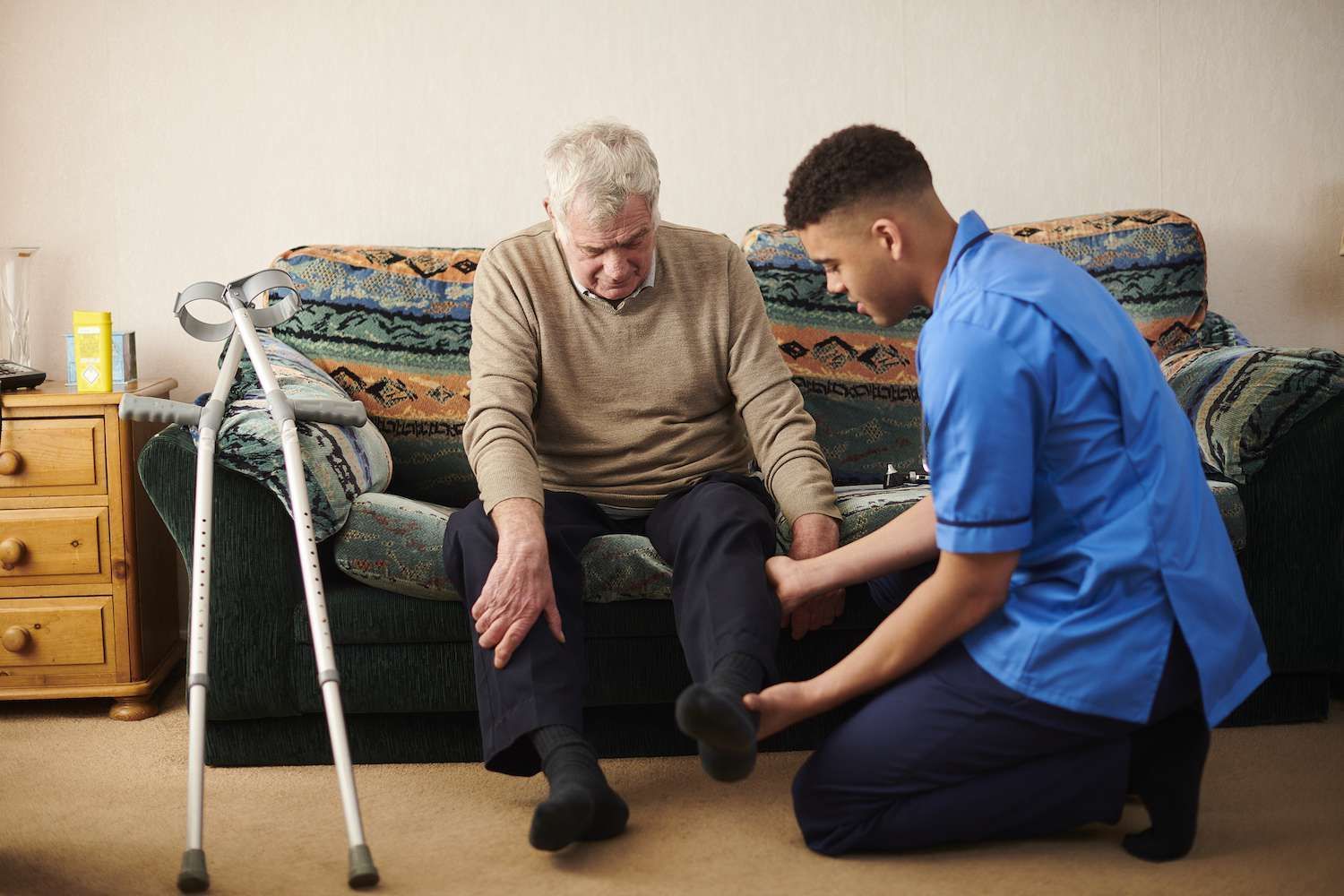
Mobility and movement. Fatigue makes people sedentary. The less someone moves, the weaker their muscles become — a deterioration cycle that accelerates rapidly in older adults and significantly increases fall risk. Falls remain one of the leading causes of injury and hospitalization among seniors nationwide.
Social engagement. Energy is social currency. When seniors feel worn out, they withdraw. Fewer phone calls. Declined invitations. More time alone. Social isolation worsens both sleep quality and mental health — feeding the very cycle that started the problem.

Warning Signs Every Family Should Watch For
These changes often develop slowly enough to go unnoticed — especially when family members don't see their loved one every day.
Sleeping much more during the day. Occasional napping is normal. Lengthy or frequent daytime sleep may indicate nighttime rest isn't adequate.
Missed or minimal meals. An unused kitchen, an empty refrigerator, or evidence of skipped meals may signal that cooking has become too physically or cognitively demanding.
Loss of interest in previous activities. A senior who used to read every evening, tend a garden, or follow the news and abruptly stops deserves a closer look.
Increased forgetfulness or confusion. Sleep deprivation directly impairs memory and attention. Sudden cognitive changes are worth examining through a sleep lens before assuming a more serious diagnosis.
Social withdrawal. Fewer phone calls, declined visits, and reduced communication signal that something has shifted — physically, emotionally, or both.
Safety concerns. Unexplained bruises, burns near the stove, or near-miss falls may indicate that fatigue is affecting coordination and judgment in ways that create real danger.
None of these signs should be dismissed as "just getting older." They are signals worth acting on promptly.
Practical Ways to Support Healthy Sleep and Energy at Home
The following strategies are evidence-based and do not require medications or major lifestyle changes:
Establish a consistent sleep routine. Going to bed and waking at the same time each day — including weekends — helps regulate the circadian rhythm. A cool, dark, quiet bedroom makes a meaningful difference.
Limit daytime napping. Short rest periods of 20–30 minutes can be restorative. Longer naps, or napping late in the afternoon, interfere with nighttime sleep. Encourage light activity in the afternoons instead.
Stay physically active. Regular movement — gentle walking, stretching, or chair-based exercise — improves sleep quality, maintains muscle strength, and elevates mood. Consistency matters more than intensity.
Support good nutrition. Balanced meals at regular times stabilize energy throughout the day. Reducing caffeine after noon and limiting alcohol — which fragments sleep despite its initial sedating effect — are both evidence-backed strategies.
Create opportunities for connection. Social engagement is deeply tied to mental health, motivation, and sleep quality. For seniors who are increasingly homebound, regular in-person companionship becomes especially important.
Assess the home for safety. Good lighting, grab bars in bathrooms, non-slip rugs, and clear pathways reduce fall risk and make daily tasks physically less taxing — lowering the energy cost of living at home.
When Professional In-Home Care Makes a Difference
Sometimes, despite the best efforts of family, an older adult needs more consistent support than loved ones can reliably provide — especially when fatigue and sleep disruption are ongoing and affecting independence.
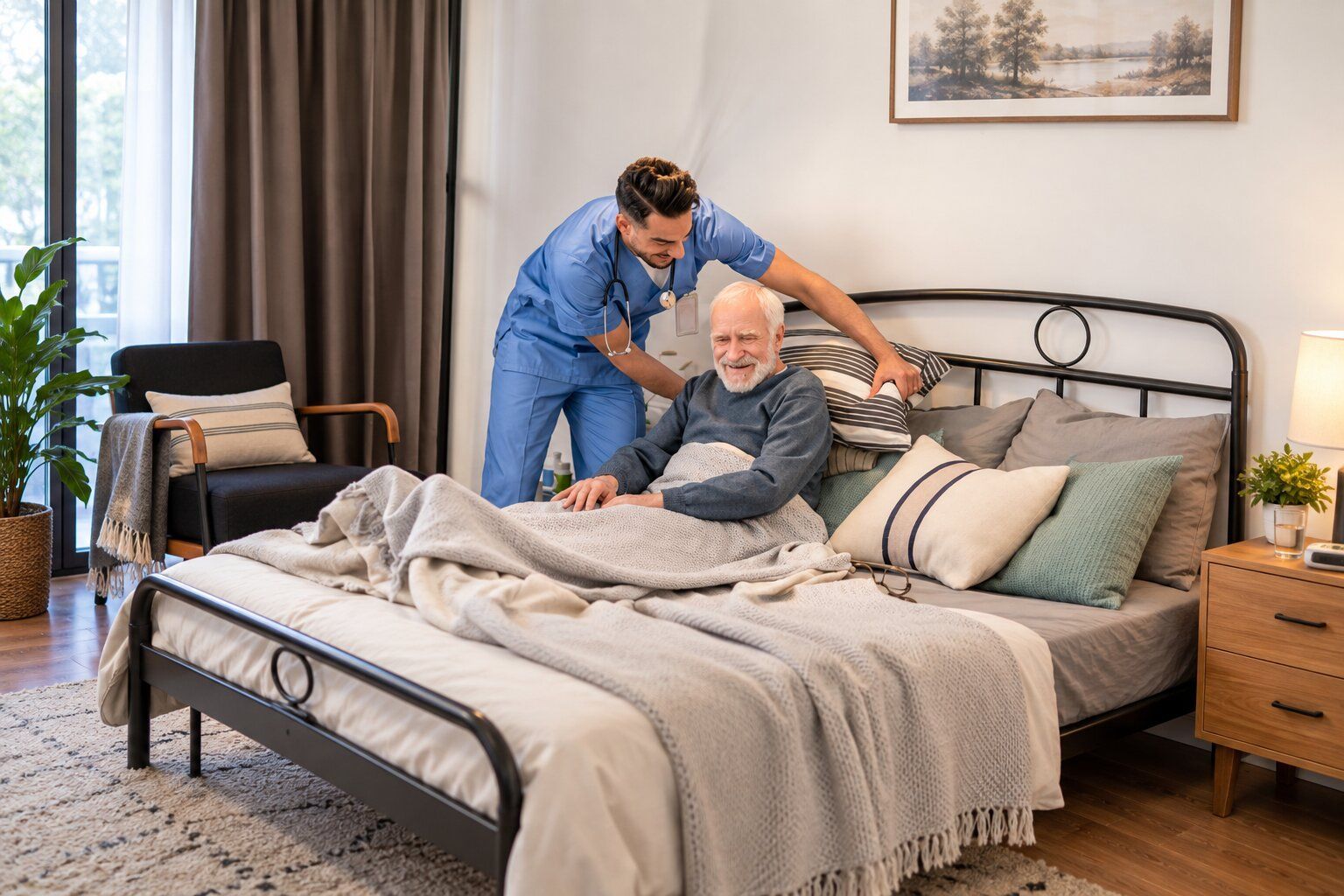
Professional in-home caregivers can assist with morning routines when energy is at its lowest, prepare nutritious meals, manage medication schedules, provide companionship throughout the day, and support safe mobility when balance is uncertain. These supports are often the difference between a senior thriving at home and reaching a preventable crisis point.
Overnight care is particularly valuable for families in communities like
Great Neck and
Manhasset, where the hours between midnight and morning carry the highest fall risk — especially during nighttime bathroom trips. An overnight caregiver provides a watchful, reassuring presence without disrupting a senior's sense of autonomy.
7 Day Home Care serves families across Forest Hills, Great Neck, Manhasset, Garden City, Bayside, Old Westbury, Greenwich Village, the Upper East Side, and surrounding communities throughout Nassau County and Queens. Whether a family needs part-time help a few days a week or continuous 24-hour care, plans are built around the individual — not a checklist.
Frequently Asked Questions
Is it normal for older adults to sleep less at night?
Seniors naturally experience lighter, more fragmented sleep due to changes in their circadian rhythm and sleep architecture. This is normal — but chronic poor sleep should never simply be accepted. Evidence-based strategies and professional support can meaningfully improve sleep quality in older adults.
How much sleep does a senior need?
Most sleep experts and the National Sleep Foundation recommend seven to eight hours of sleep per night for adults over 65. Quality matters as much as quantity: a senior who sleeps eight hours but wakes frequently may still wake feeling unrested.
What causes sudden fatigue in an older adult?
Sudden changes in energy levels — as opposed to gradual fatigue — deserve prompt medical evaluation. They can indicate anemia, thyroid disorders, infection, cardiac issues, or medication interactions, all of which are common in older adults and all of which are treatable.
Should I be worried if my parent is sleeping a lot during the day?
Increased daytime sleeping can be a response to poor nighttime sleep, but it can also signal depression, illness, or medication side effects. It is worth discussing with a physician — especially if it developed recently or alongside other behavioral changes.
Can in-home caregivers actually help with sleep problems?
Yes. Caregivers can establish consistent nighttime routines, reduce overnight fall risk, manage medications on schedule, limit late-day caffeine, and offer calm reassurance to seniors who experience nighttime anxiety. These practical supports consistently lead to better sleep quality.
When should a family consider 24-hour home care?
24-hour care becomes appropriate when a senior's safety cannot be reasonably assured without consistent overnight supervision — especially after a fall, during recovery from illness, or when cognitive changes make nighttime wandering a concern. Families in areas like Great Neck and Manhasset can arrange continuous in-home coverage through 7 Day Home Care.
How do I talk to my parent about accepting help at home?
Frame the conversation around your parent's goals, not their limitations. Ask what would help them feel more comfortable, more rested, or more like themselves. Most seniors respond positively when support is presented as a way to remain at home longer — which is nearly always exactly what they want.
About 7 Day Home Care
7 Day Home Care is a professional in-home care agency serving families across Long Island and
New York City, including Forest Hills,
Great Neck,
Manhasset,
Garden City, Bayside,
Old Westbury, Greenwich Village, and the
Upper East Side. Care plans are built around each individual's needs — supporting independence, dignity, comfort, and safety in the home.
Call (516) 408-0034 to request a free consultation.
Available seven days a week — because the people you love deserve care that doesn't take days off.