Home Care for Seniors with High Blood Pressure in NYC and Long Island: What Families Need to Know
Home Care for Seniors with High Blood Pressure in NYC and Long Island: What Families Need to Know

More than 71% of U.S. adults aged 60 and older have hypertension — and managing it at home is one of the most demanding parts of aging in place. Blood pressure that shifts without warning, medications with strict timing requirements, and the constant low-grade anxiety of wondering whether tonight will be fine or frightening: these are the realities families in Manhattan, Brooklyn, Queens, Nassau County, and Suffolk County navigate every day.
This guide explains why blood pressure becomes unpredictable in older adults, the warning signs that home management is slipping, what genuinely helps day to day, and when professional non-medical home care stops being optional and starts being the safer choice.
What Is Non-Medical Home Care for Seniors with Blood Pressure Challenges?
Non-medical home care for seniors with blood pressure challenges means professional caregivers who assist with the daily tasks that become harder and riskier when blood pressure is unstable — including safe mobility during position changes, medication reminders, consistent meals and hydration, and companionship that reduces stress. It is not medical treatment and does not replace a physician, cardiologist, or home health nurse.
For families across NYC and Long Island, this type of support is often the difference between a senior staying safely at home and a preventable fall or hospitalization.
Why Blood Pressure Becomes So Unpredictable in Older Adults
The body's ability to regulate blood pressure depends on fast, automatic responses — blood vessels tightening when you stand, the heart adjusting its rate within seconds. As people age, those automatic responses slow down. Add years of medications, reduced kidney function, and chronic conditions like diabetes or heart disease, and blood pressure readings can shift in ways that feel impossible to anticipate.
By the numbers: More than 71% of U.S. adults aged 60 and older have hypertension, according to the CDC's 2024 National Health and Nutrition Examination Survey data. Yet only about 1 in 5 adults with hypertension have it controlled to safe levels — meaning the majority are living with readings that fluctuate and require consistent daily management.
The most common drivers of unstable blood pressure in older adults at home include:
- Medication timing and adherence. Most antihypertensive drugs require consistent daily timing to maintain stable blood levels. A missed dose can cause rebound high blood pressure. Doubling up by accident can push pressure too low, causing dizziness or falls.
- Dehydration. Older adults often don't feel thirsty until they're already low on fluids. Even mild dehydration can drop blood pressure enough to cause dizziness, weakness, or falls — particularly when combined with diuretic medications.
- Skipped or irregular meals. Missing a meal while medications are still active in the body is one of the most common triggers for blood pressure crashes in older adults.
- Stress and anxiety. Worry about a recent fall, a doctor's visit, or family tension can produce measurable blood pressure spikes — sometimes called "situational hypertension."
- Poor or disrupted sleep. Blood pressure follows a circadian rhythm. Disrupted sleep — common in older adults — destabilizes that pattern and makes daytime readings harder to predict.
- Reduced physical activity. Less daily movement affects circulation and contributes to instability throughout the day.
- Coexisting conditions. Diabetes, kidney disease, Parkinson's disease, heart failure, and thyroid issues all interact with blood pressure regulation in complex ways.
For families, none of this follows a clean schedule. It appears in moments: a dizzy spell at the kitchen sink, a near-fall in the hallway at 7 a.m., a high reading after dinner that sends everyone spiraling.

What Is Orthostatic Hypotension — and Why Does It Matter for Home Safety?
Orthostatic hypotension is a sudden drop in blood pressure that occurs when a person moves from sitting or lying down to standing. It typically causes dizziness, lightheadedness, blurred vision, or weakness lasting seconds to a few minutes. In older adults, it is one of the most common causes of falls.
Research published in the Journal of Hypertension found that orthostatic hypotension affects approximately 1 in 5 community-dwelling older adults. For those over 75, the rate is higher still. Blood pressure medications — while necessary — can increase this risk, because they lower overall blood pressure and leave less buffer when the body needs to compensate for position changes.
This is why something as ordinary as getting up from the recliner or stepping out of the shower carries real risk for an older adult with blood pressure challenges. The risk isn't the activity itself — it's the unassisted moment of transition, repeated multiple times a day, when no one is watching.
Signs That Blood Pressure Is Becoming Hard to Manage at Home
There is rarely a single moment when everything tips. It's a slow accumulation of small signals that families notice — and often explain away — until the pattern becomes impossible to ignore.
Dizziness and Near-Falls on Standing
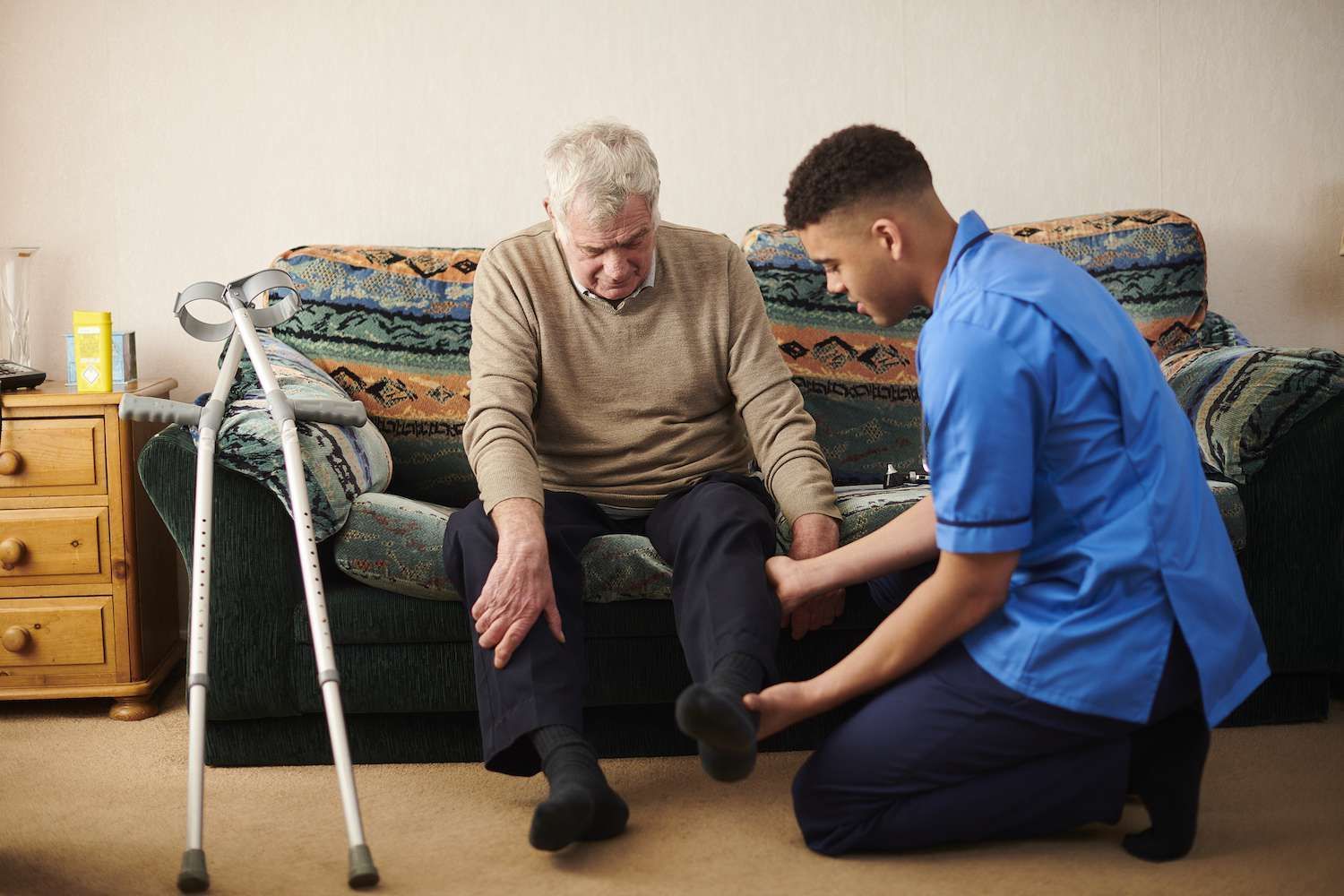
Your loved one stands up, pauses, grabs the counter. They wave it off. Then it happens again the next morning. Orthostatic hypotension — that sudden drop when changing positions — is one of the most common and dangerous symptoms of unstable blood pressure in older adults. A near-fall today often becomes a real fall next week. Falls are the leading cause of injury-related death in older Americans, and blood pressure instability is a significant contributing factor.
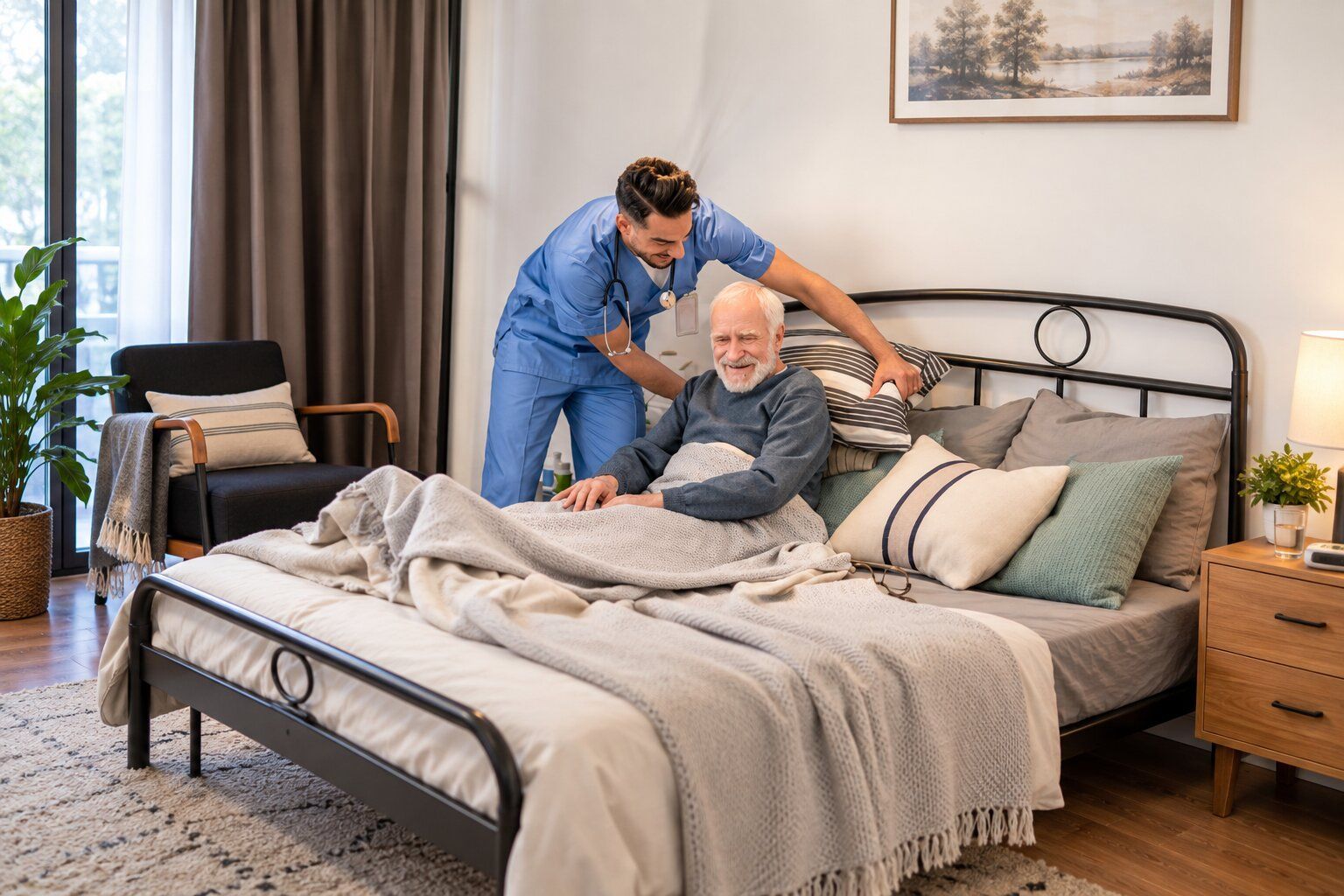
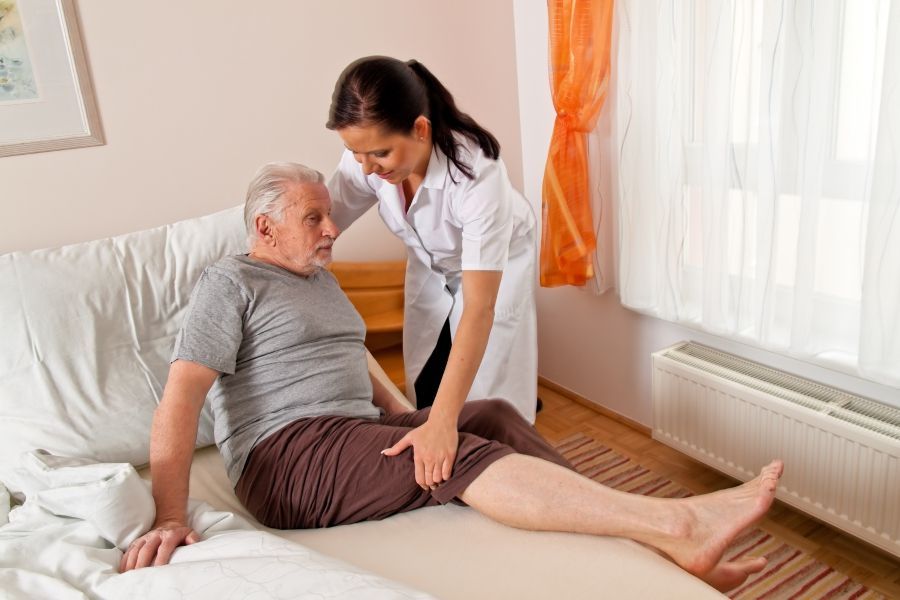
Non-medical home care helps here in a concrete way: a caregiver present during the riskiest transitions — rising from bed, standing from a chair, stepping out of the shower — provides a steady arm and a consistent safety routine that repeated solo attempts do not.
Medication Confusion, Missed Doses, or Doubled Doses
Managing blood pressure typically involves multiple medications, each with its own timing, food requirements, and refill schedule. For older adults managing this independently — especially those with early cognitive changes — errors are not a matter of carelessness. They are the predictable consequence of a complex system with no backup.
Missed doses cause rebound hypertension — blood pressure rising sharply as the medication's effect fades. Doubled doses push pressure too low, causing orthostatic hypotension and fall risk. Either outcome is dangerous and often preventable.
Non-medical home caregivers provide
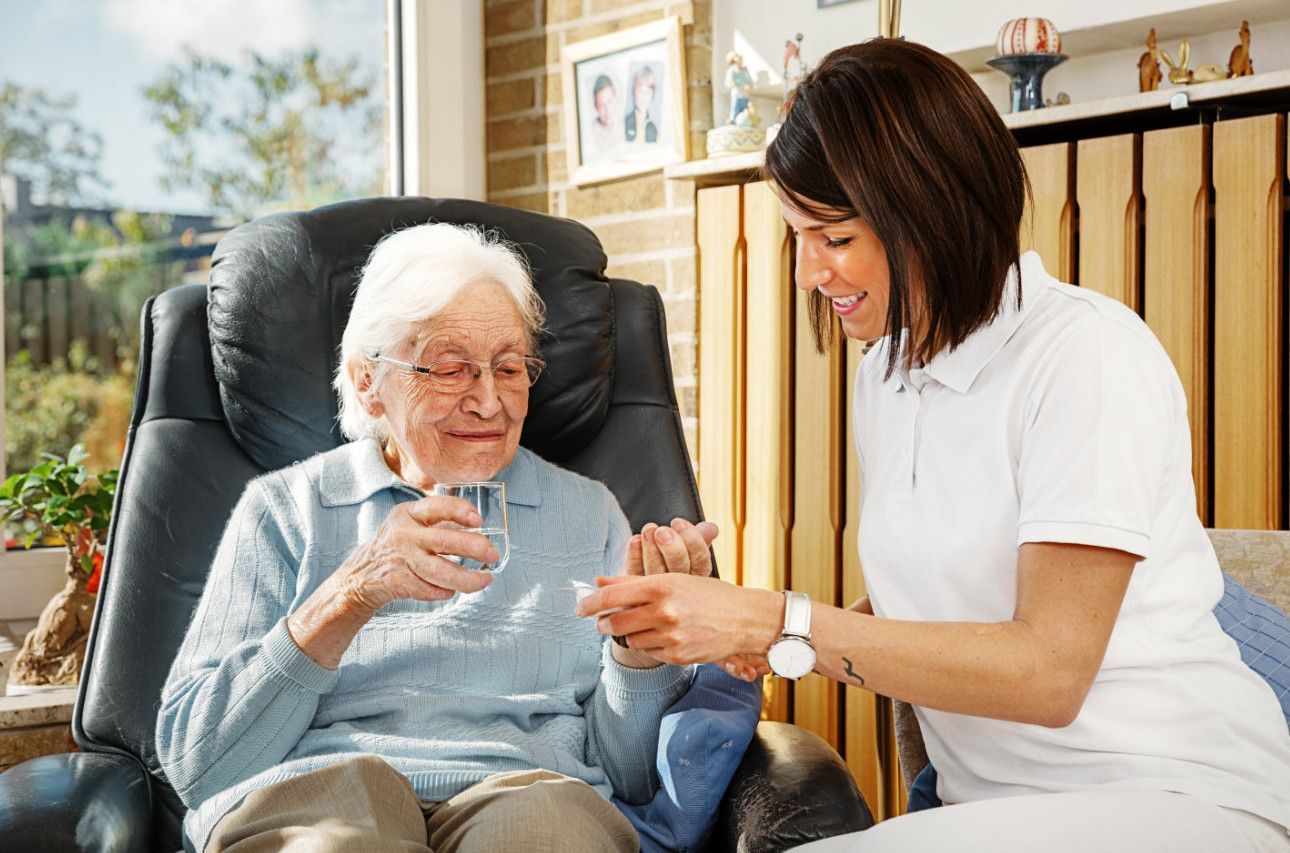
medication reminders — not administration, not clinical guidance. They make sure medications are visible, ready at the correct time, and taken. They notify family members or a medical provider when something seems off or a pattern changes.
Unexplained Fatigue or "Bad Days" That Come and Go
Blood pressure fluctuations can cause waves of fatigue, weakness, and mental fog that don't follow any recognizable pattern. The risk is that families start normalizing this — "he's just tired" — when the underlying readings are signaling something that warrants medical attention. Documenting patterns and sharing them with a physician is more useful than reacting to individual alarming readings.
Nighttime Bathroom Trips and Overnight Safety Risks
Nighttime is when blood pressure is typically at its lowest. It's also when the house is dark, balance is at its worst, and no one is nearby. The walk to the bathroom at 2 a.m. — on tired legs, with low lighting, barefoot — is one of the highest-risk moments for a senior with blood pressure instability. Overnight home care exists precisely for this window.
Home Blood Pressure Monitor Anxiety
Home monitoring is genuinely useful for tracking patterns over time. But for some seniors — and their adult children — the blood pressure cuff itself becomes a stressor. This is sometimes called measurement anxiety or the "white coat effect at home": the act of measuring raises anxiety, anxiety raises blood pressure, and the higher reading generates more worry. When the monitor is driving more fear than insight, a conversation with a physician about monitoring protocols and realistic target ranges is worth having.
Repeated Emergency Room Visits
One ER visit for a blood pressure episode is a scare. Two or three visits in a few months is a pattern — one that suggests home management alone is no longer sufficient. When hospital trips become routine, the question is not whether to bring in more support. It is how soon.
Family Caregiver Exhaustion
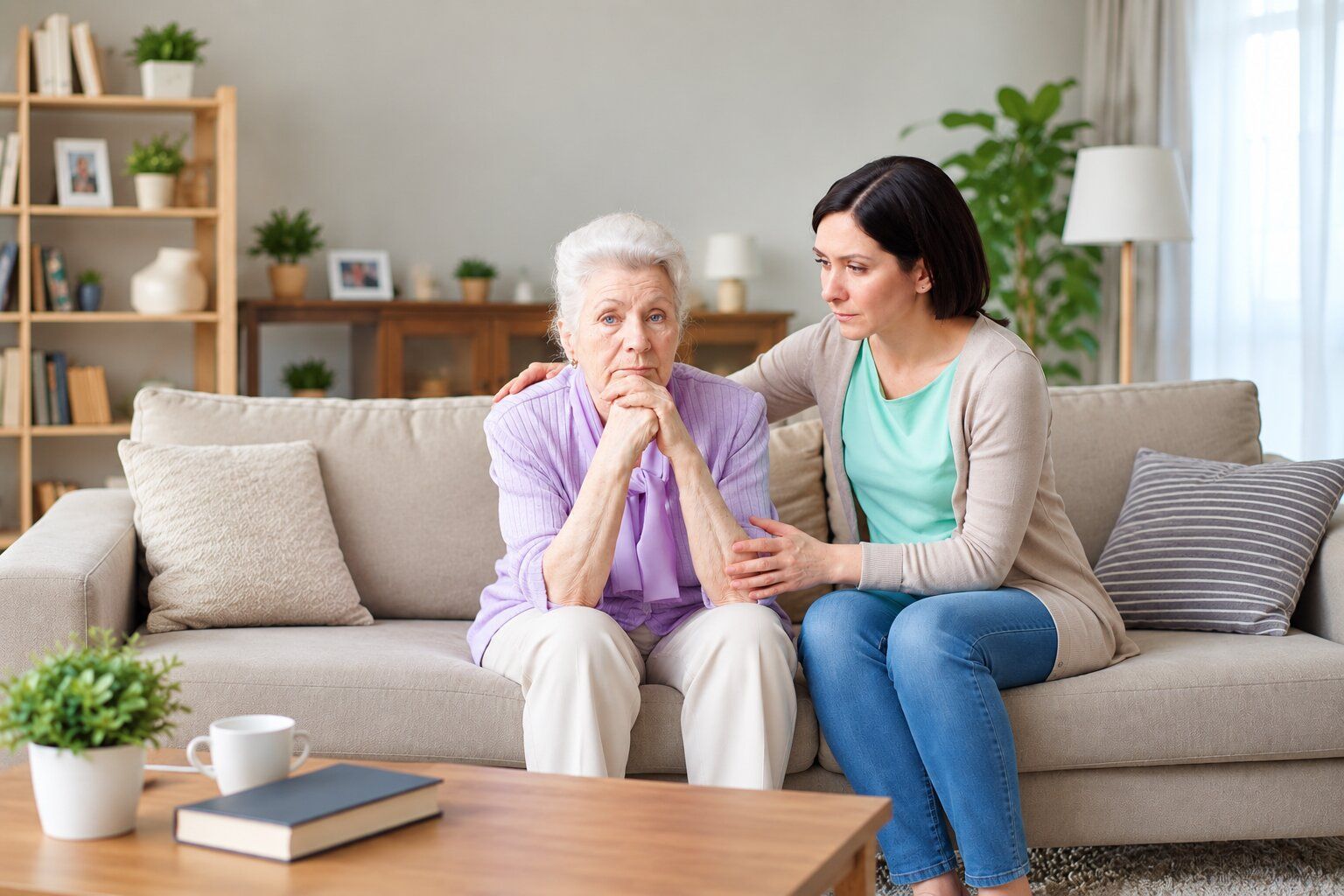
The spouse doing everything alone is exhausted. The daughter driving over several times a week is missing work. The son calling three times a day from another state is running out of ways to help. Caregiver burnout is not a personal failing — it is the predictable outcome of unsupported long-term caregiving. Respite and companion care is how families sustain their ability to show up over the long term, not just through the next crisis.
What Genuinely Helps with Blood Pressure Management at Home
None of the following replaces medical care or physician guidance. These are the daily habits and environmental adjustments that provide a stable foundation — and that a non-medical home caregiver can actively support.
- Consistent hydration throughout the day. A water bottle kept visible at the table, sips with every meal, broth at lunch. Small consistent habits matter more than occasional reminders.
- Anchoring medications to existing daily routines. Pairing morning medication with coffee, lunchtime medication with the noon news, and evening medication with a meal removes reliance on memory alone. A caregiver reinforces these anchors consistently.
- Eating on a regular schedule. Skipping meals while antihypertensive medications are active is a well-documented trigger for blood pressure drops. Three meals at predictable times provides a stable foundation.
- Pausing between position changes. Sitting on the edge of the bed for 30 seconds before standing. Pausing at the chair before walking. These brief pauses give the cardiovascular system time to adjust and are among the most effective individual fall prevention strategies for seniors with orthostatic hypotension.
- Tracking patterns, not individual readings. Two readings at the same time of day, written down with brief notes, gives a physician far more useful information than a single alarming reading after a stressful moment.
- Reducing environmental stressors. Lower TV volume during meals. Soft nightlights in hallways and bathrooms. Predictable daily routines. Chronic low-level stress contributes to blood pressure instability in ways that aren't always visible.
- Maintaining open communication with the physician. Do not wait for the next scheduled appointment if something has clearly changed. A portal message or phone call can prevent a hospital trip.

When Non-Medical Home Care Starts Making Sense
Most families reach out after a close call — a near-fall, a hospital discharge, a week where medications were missed three times. That is understandable. But the families who fare best typically bring in support a few weeks or months before crisis point, not after it.
Consider non-medical home care when you are seeing any of the following:
Warning Signs & What They Often Indicate
Falls or near-falls more than once a month
Positional blood pressure changes are happening without anyone present to assist
Medications missed, doubled, or taken incorrectly
The medication schedule has become too complex to manage independently
Skipped meals or unintended weight loss
Meal routines have broken down, increasing blood pressure instability
Nighttime bathroom trips with no one nearby
The highest-risk daily moments are happening unsupervised
Loved one lives alone with unpredictable episodes
No one is present to respond if something happens between check-ins
Two or more ER visits in recent months
Home management alone is no longer holding the situation stable
Primary family caregiver is exhausted or missing work
Unsupported caregiving is approaching a breaking point
Recent hospital discharge
Post-discharge is the highest-risk period for readmission; support during this window prevents crises
Non-medical home care typically begins modestly — a few hours during the highest-risk parts of the day — and scales to overnight or live-in care when nighttime supervision becomes the priority. Plans flex as needs change; there is no pressure to commit to more than the situation requires.
How 7 Day Home Care Supports Families Across NYC and Long Island
7 Day Home Care provides non-medical in-home care to families throughout Manhattan, Brooklyn, Queens, Nassau County, and Suffolk County. Caregivers are carefully matched to each family based on experience, personality, and the specific daily challenges the person faces — not assigned from a roster.
For seniors managing blood pressure challenges, our non-medical support includes:
- Safe mobility assistance during high-risk position changes — rising from bed, standing from a chair, entering and exiting the shower
- Medication reminders — ensuring medications are visible and taken at the right time with appropriate food or water. Caregivers do not administer medications or provide clinical guidance.
- Meal preparation and hydration support — regular meals on a consistent schedule, with attention to the fluid intake that stabilizes blood pressure
- Fall prevention and home safety — identifying and removing environmental hazards; assisting during the moments falls are most likely
- Overnight and live-in care for families where nighttime safety — bathroom trips, early-morning dizzy spells, unmonitored hours — is the central concern
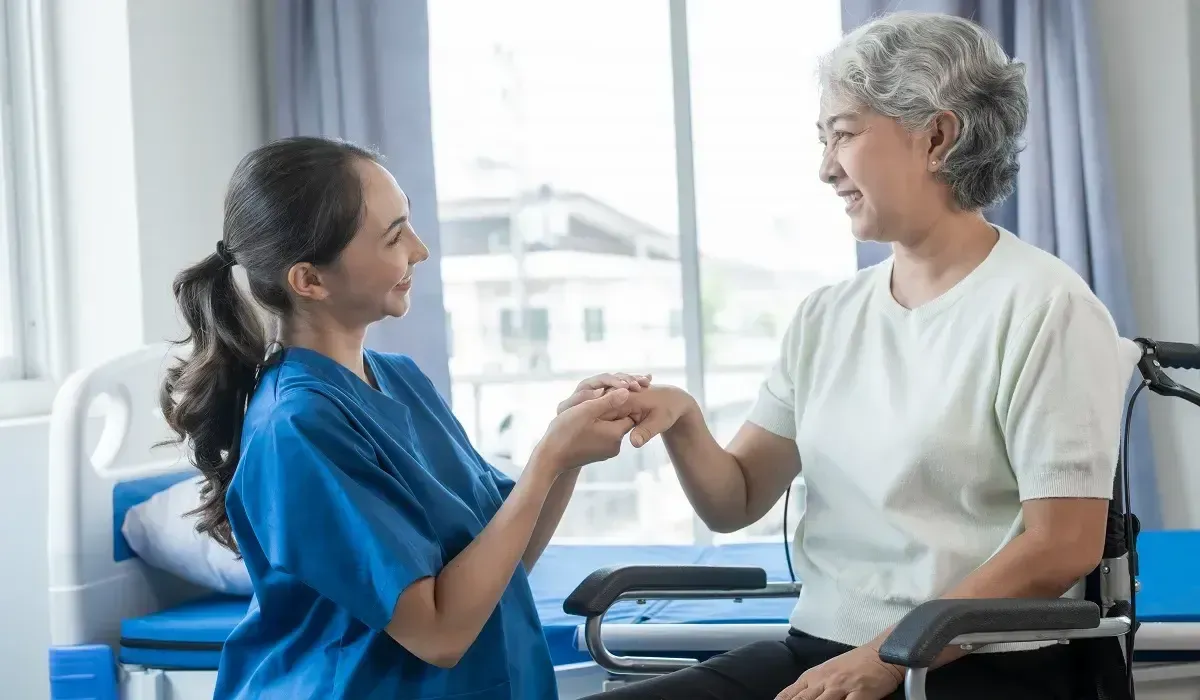
- Companionship and stress reduction — consistent, calm presence that reduces the anxiety-driven blood pressure spikes that come with isolation and worry
- Respite care for family caregivers who need reliable time away without leaving their loved one unattended
- Family communication — regular updates on how the day went, and immediate contact when something seems different or concerning
- Transportation to physician and cardiology appointments across NYC and Long Island
Care plans are built around each person's actual daily life — not pulled from a template. They scale up after a hospital discharge and pull back when things stabilize. There is no pressure to commit to more than the situation needs.
Frequently Asked Questions About Home Care for Seniors with Blood Pressure Challenges
Can seniors with fluctuating blood pressure safely live at home?
Yes — in most cases, and often for much longer than families expect — when the right daily routines are in place and the right level of non-medical support is available. Home is almost always preferable to a facility when it can be made safe. The key factors are consistent medication timing, regular meals and hydration, a hazard-reduced environment, and someone present during the riskiest daily transitions.
What is orthostatic hypotension and why is it dangerous for older adults?
Orthostatic hypotension is a sudden drop in blood pressure that occurs when a person stands up from sitting or lying down, causing dizziness, lightheadedness, or weakness. It affects roughly 1 in 5 community-dwelling older adults and is one of the most common causes of falls in seniors. Blood pressure medications can increase this risk by lowering overall pressure, leaving less cushion when the body needs to compensate for position changes.
What do non-medical caregivers actually do for seniors with blood pressure issues?
Non-medical caregivers assist with the daily tasks that become unsafe when blood pressure is unstable: providing a steady arm during position changes, reminding seniors to take medications at the right time (but not administering them), preparing regular meals, encouraging consistent hydration, and being present during the overnight hours when falls are most likely. They do not take blood pressure readings, interpret results, make medication decisions, or provide any clinical care. All medical concerns are directed to the senior's physician.
When should a family consider 24-hour or overnight home care?
When overnight safety becomes the central worry — nighttime bathroom trips without assistance, falls after dark, early-morning dizzy spells, or a senior living alone with unpredictable episodes — that is the window where round-the-clock or overnight support makes real sense. Many families start with overnight care specifically because the nighttime hours carry the most risk and the least coverage.
Can a caregiver help prevent falls related to blood pressure changes?
Yes. Trained non-medical caregivers assist during the moments when orthostatic hypotension is most likely to cause a fall — standing from bed in the morning, rising from a chair, stepping out of the shower. They also help establish the pause-before-standing habit that physicians recommend. Consistent caregiver presence during these transitions significantly reduces the unassisted fall risk that comes from completing them alone, multiple times a day.
Does 7 Day Home Care offer emergency or post-hospital support?
Yes. Both overnight care and rapid-response support after a hospital discharge are available. The post-discharge period is one of the highest-risk windows for older adults with blood pressure challenges — having support in place quickly during this period helps prevent the readmissions that happen when seniors return home without adequate daily assistance.
Which areas does 7 Day Home Care serve?
7 Day Home Care provides non-medical in-home care to families throughout
Manhattan,
Brooklyn, Queens, Nassau County, and Suffolk County. Call
(516) 408-0034 to speak with a care coordinator about your family's specific situation.
There is a particular kind of exhaustion that comes with caring for someone whose health keeps shifting. It is not just physical — it is the weight of always being on alert, always listening for the next thing, always feeling like you should be doing more. You do not have to sustain that alone. Getting support in place early prevents the falls, hospital stays, and caregiver breakdowns that come from waiting for a crisis that could have been avoided.
Talk to Someone Who Can Actually Help
If your loved one's daily safety is becoming harder to manage — or you are lying awake wondering whether they are okay through the night — getting non-medical support in place sooner makes the difference between managing a situation and reacting to a crisis.
(516) 408-0034
No pressure. No script. Just an honest conversation about what your family is dealing with and what kind of non-medical support might actually help.
Serving Manhattan •
Brooklyn •
Queens • Nassau County • Suffolk County
Disclaimer
7 Day Home Care provides non-medical in-home care support only. Our caregivers do not take blood pressure readings, diagnose conditions, administer medications, or provide clinical treatment of any kind. Families should consult a licensed physician, cardiologist, or other medical professional for all clinical concerns, blood pressure management decisions, and any change in a loved one's health status. Statistics referenced from the CDC National Health and Nutrition Examination Survey (NCHS Data Brief No. 511, October 2024) and peer-reviewed clinical literature including the Journal of Hypertension and the American Heart Association. Service availability and care plans are determined during the consultation process.