7 Everyday Habits That Help Seniors Stay Mentally Sharp
7 Everyday Habits That Help Seniors Stay Mentally Sharp
Quick Answer: The seven habits most proven to protect cognitive health in seniors are: staying socially connected, daily mental stimulation, gentle physical activity, consistent daily routines, quality sleep, proper hydration and nutrition, and meaningful conversation. None require special equipment or expense — but done consistently, they make a measurable difference.
At a Glance: In-Home Care That Supports Cognitive Wellness
7 Day Home Care provides certified, non-medical home care for seniors across
Manhattan,
Brooklyn,
Queens, Nassau County, and Suffolk County. All caregivers are New York State-certified Home Health Aides (HHAs) working under registered nurse (RN) supervision.
Families often call us after noticing something small has changed — a forgotten name, a missed appointment, a quieter-than-usual parent. This article is for them, and for seniors who want to stay sharp, engaged, and independent for as long as possible.
Why Cognitive Health Is About More Than Memory
Mental sharpness governs far more than the ability to recall names or dates. It shapes judgment, emotional regulation, daily task management, and ultimately — independence.
When cognitive health begins to slip, the effects ripple outward quickly. Seniors may withdraw from social situations out of embarrassment. They may stop pursuing the activities they love because organizing their thoughts feels like too much. The loneliness that follows can accelerate decline faster than almost any other factor.
For seniors aging at home — whether in a house in Queens, an apartment on the Upper East Side, or a family home in Nassau County — protecting brain health is not a wellness bonus. It is one of the most consequential things they can invest in.
And the people around them — family members and professional caregivers alike — have more influence over this than most realize.
Habit 1: Staying Socially Connected
Isolation is one of the most underestimated health risks facing older adults — not just emotionally, but neurologically.
Research published by the National Institute on Aging links chronic loneliness in seniors to faster memory decline, heightened dementia risk, and significantly higher rates of depression. The mechanism is straightforward:
conversation is a cognitive workout. It requires listening, interpreting, responding, and holding context — all at once. That workout happens dozens of times in a single phone call.
When seniors lose regular social contact — after retirement, the loss of a spouse, or when mobility becomes limited — that workout disappears. Like any muscle, the brain weakens without use.
Practical ways to maintain social connection:
- Weekly phone or video calls with family members
- A consistent visit from a neighbor or friend
- Senior center programs (many now offer virtual participation)
- A regular in-home presence — someone to talk to every day
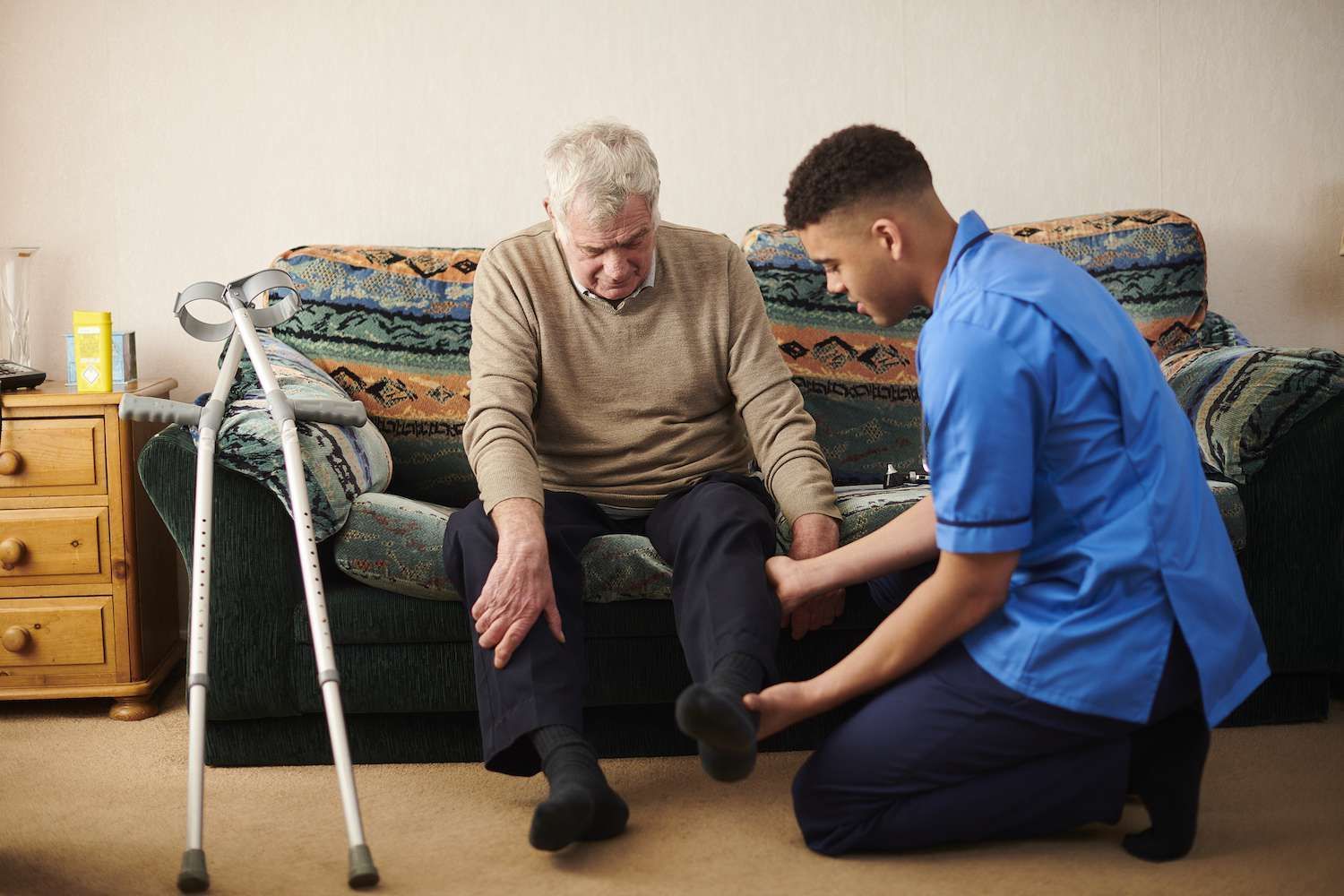
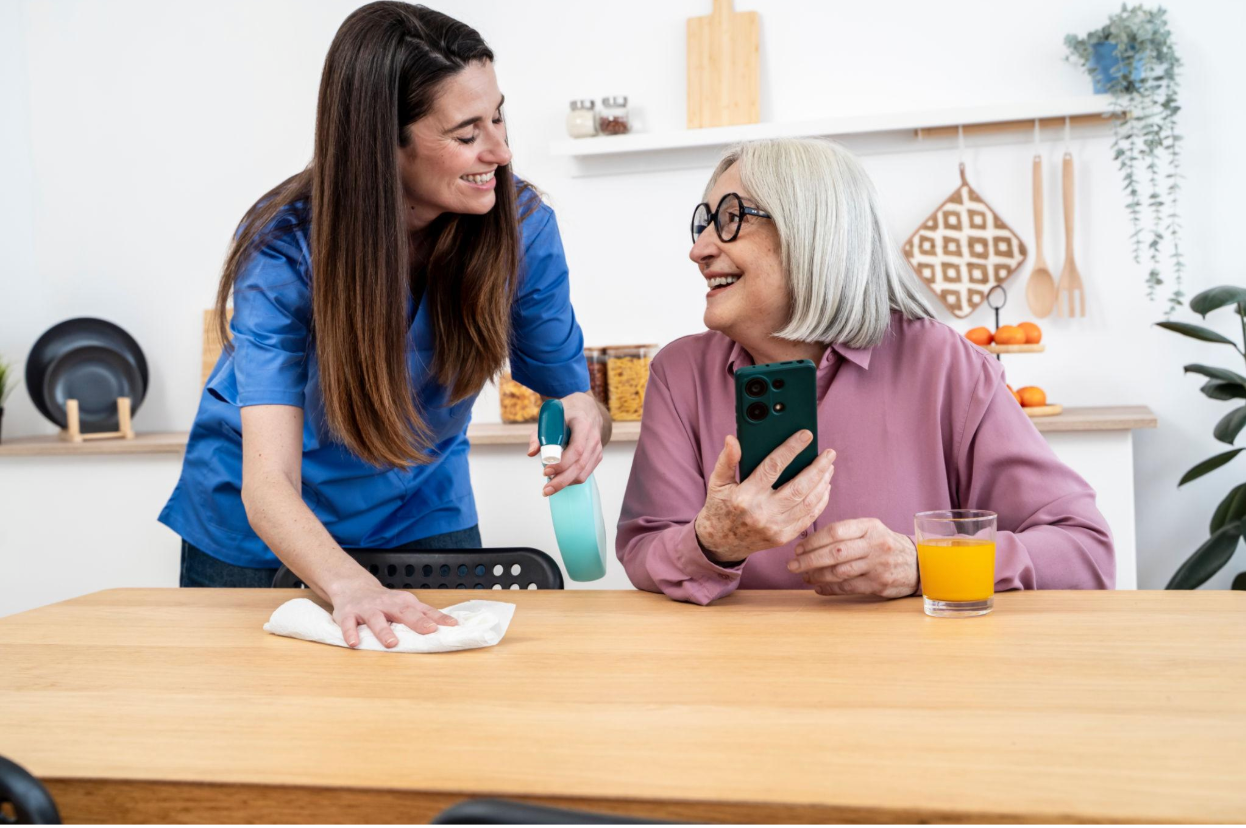
That last point carries more weight than families often expect. Professional home care is not just about physical assistance. The daily conversations, shared meals, and small check-ins that happen between a caregiver and a senior are not extras — they are among the most cognitively protective parts of the day.
Habit 2: Reading, Puzzles, and Daily Mental Stimulation
Meaningful cognitive engagement does not require elaborate programs. Twenty minutes of reading. A crossword before bed. A word game on a tablet. Watching a documentary and then discussing it with someone.
The key ingredient is gentle novelty — activities that stretch the brain without overwhelming it.
For lifelong readers, a loss of interest in books can itself be an early signal worth noting. Sometimes the cause is vision. Sometimes it is concentration. Either way, adapting — switching to audiobooks, large-print editions, or reading together aloud — preserves the habit without adding frustration.
For seniors who were never drawn to books, games are often more effective. Jigsaw puzzles are particularly valuable because they engage visual processing, spatial reasoning, and sustained attention simultaneously. Card games add a social dimension that amplifies the benefit.
The social component consistently makes every cognitive activity more effective.

Habit 3: Gentle Physical Activity Every Day
Exercise does not require a gym, a trainer, or a formal routine. It requires movement.
Even a 15-minute daily walk increases cerebral blood flow, improves sleep quality, reduces anxiety, and elevates mood. For seniors with limited mobility, chair exercises, light stretching, or gentle gardening all deliver meaningful benefit. The goal is not athletic performance — it is circulation, coordination, and the quiet confidence that comes from doing something active.
The connection between physical movement and cognitive health is one of the most consistent findings in aging research. Regular movement — even modest movement — reduces the measurable risk of cognitive decline and lowers fall risk, which is among the most serious safety concerns for seniors living at home.
For families in Brooklyn, Suffolk County, or elsewhere whose aging parents have become increasingly sedentary, introducing even a short daily walk with a caregiver can shift things noticeably. A familiar face makes following through substantially easier.
Habit 4: Consistent Daily Routines
Routine is underappreciated as a cognitive tool — and it is one of the most practical.
When the brain does not have to spend energy determining what comes next, it redirects that energy toward memory consolidation, emotional processing, and problem-solving. For seniors managing early cognitive changes, a predictable daily structure can reduce anxiety dramatically.
Knowing that breakfast happens at the same time each morning, that a particular program is on at 7 p.m., that Tuesday is when the caregiver comes — these anchors help the brain stay organized when other things feel uncertain.
Disrupting routine, even with good intentions — surprise visits, last-minute schedule changes — can create real distress for older adults whose cognitive reserves are already stretched.
For families supporting an aging parent at home, one of the most valuable contributions is helping establish and protect a consistent daily rhythm. Professional caregivers tend to be particularly effective at this because they become part of the routine themselves.
Feeling Like Your Loved One Needs More Daily Support?
7 Day Home Care provides compassionate, personalized in-home care for seniors and their families across Manhattan, Brooklyn, Queens, Nassau County, and Suffolk County.
Whether your family needs a few hours of support each week or full-time live-in care, we build a plan around your loved one's needs — not just for logistics, but for genuine wellbeing.
Call 516-408-0034 for a free consultation.
Habit 5: Prioritizing Sleep
Sleep is when the brain performs its most critical maintenance.
During deep sleep, the glymphatic system flushes out metabolic waste products — including amyloid proteins associated with Alzheimer's disease. Poor sleep does not simply cause fatigue. It impairs memory consolidation, reduces emotional resilience, increases susceptibility to confusion, and compounds virtually every other cognitive challenge older adults face.
Sleep problems are common in seniors for many reasons — pain, medication side effects, anxiety, and age-related shifts in circadian rhythm. They are also frequently dismissed as inevitable, when many are addressable.
Evidence-based sleep hygiene for seniors:
- Consistent bedtime and wake time, including weekends
- Limited screen exposure in the two hours before sleep
- A cool, dark, quiet sleeping environment
- No caffeine after early afternoon
- Daily natural light exposure, ideally in the morning, to regulate circadian rhythm
Persistent sleep disruption may also signal unmanaged pain or unaddressed anxiety — both worth raising with a physician.
Habit 6: Staying Hydrated and Eating for Brain Health
Dehydration is dramatically underdiagnosed in older adults. The physiological sensation of thirst diminishes with age, meaning seniors can become meaningfully dehydrated without feeling thirsty. Even mild dehydration impairs concentration, increases confusion, and elevates the risk of urinary tract infections — which in elderly patients frequently present as sudden cognitive changes rather than classic UTI symptoms.
Water is ideal, but many seniors maintain better hydration through soups, herbal teas, and water-rich foods including cucumber, watermelon, and broth-based dishes.
Diet matters in parallel. The goal is not perfection — it is consistency with a few evidence-supported priorities: adequate protein, omega-3 fatty acids (found in fatty fish, walnuts, and flaxseed), B vitamins, and dietary antioxidants. Diets heavy in processed foods, refined sugar, and simple carbohydrates are consistently associated with worse cognitive outcomes.
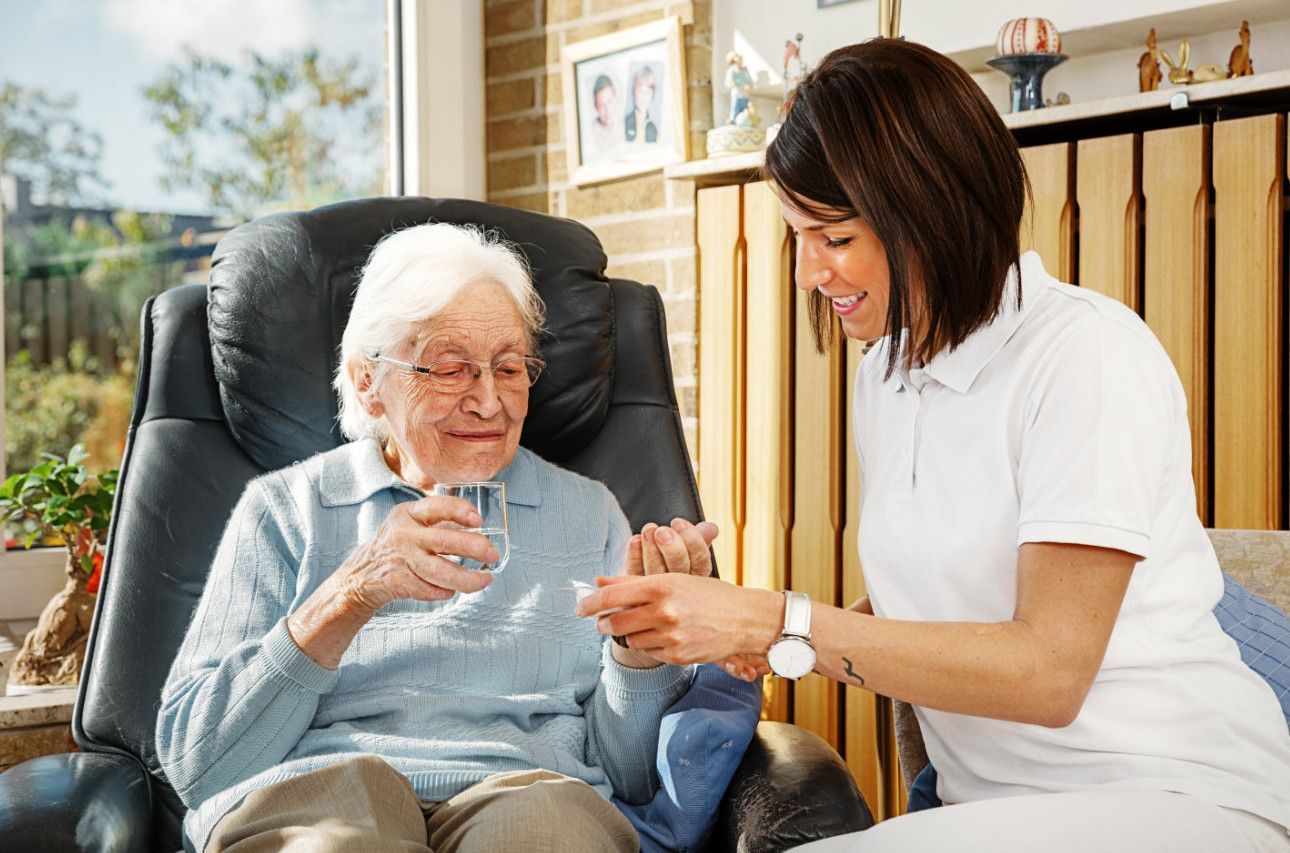
For seniors living alone, cooking often becomes less appealing over time — particularly after the loss of a spouse who once handled meals, or when appetite naturally decreases with age. In-home care makes a tangible difference here. A warm, well-prepared meal is not the same as a grocery delivery. The presence matters as much as the food.
Habit 7: Meaningful Conversation and Emotional Connection
This is the habit least likely to appear on a standard wellness checklist — and arguably the most important.
Meaningful conversation — the kind where something real is discussed, where a person is genuinely listened to and responded to with attention — activates more of the brain than almost any other daily activity. It also addresses the emotional dimension that cognitive decline frequently conceals.
Many seniors carry unspoken grief, worry, and fear about aging. When those emotions have no outlet, they compound. Depression and cognitive decline are deeply intertwined; research consistently shows that treating one tends to benefit the other.
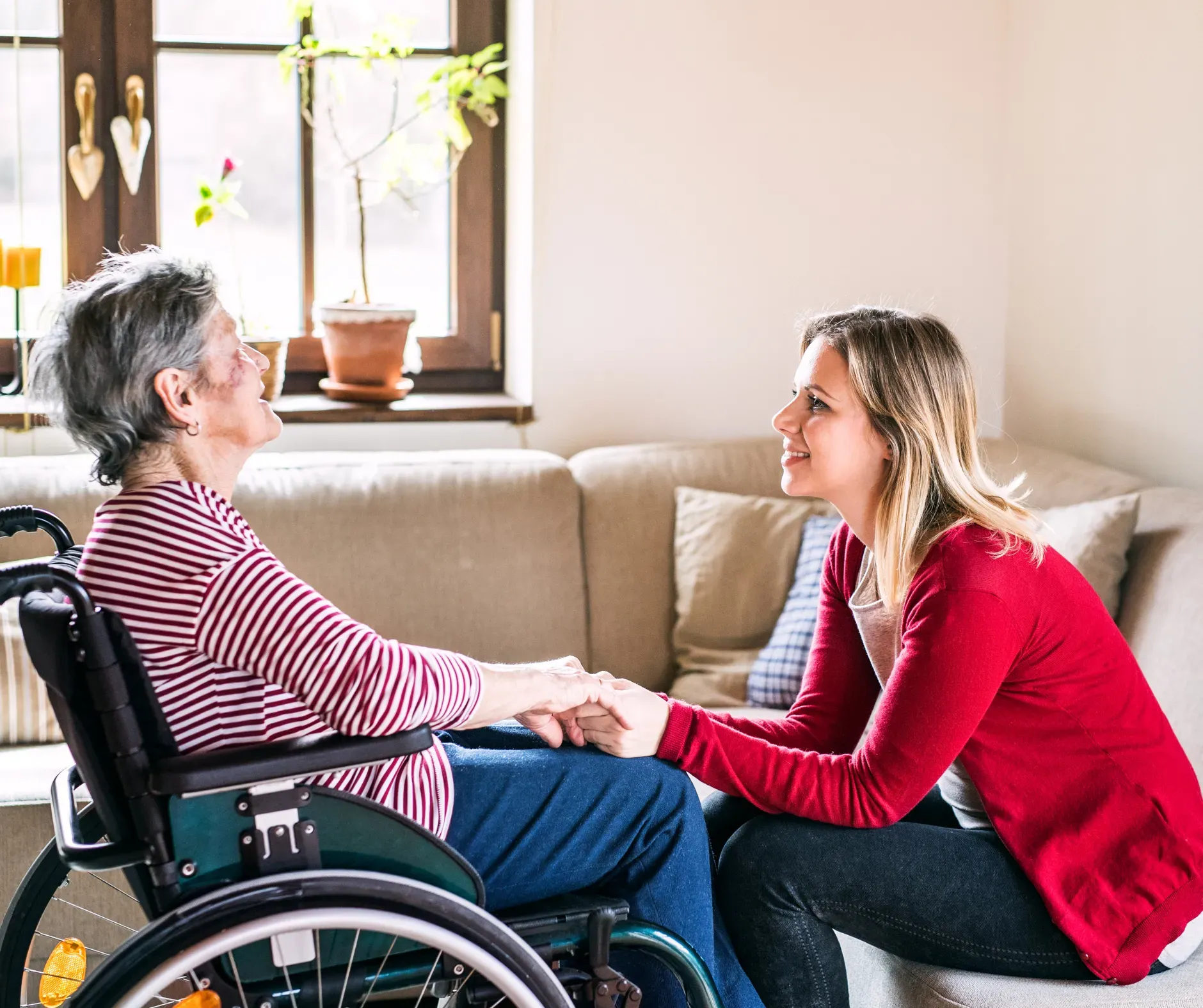
This is why companionship for seniors is not a luxury service. Regular, substantive human connection — not supervision, not task completion, but actual conversation — is functionally therapeutic.
Families provide this beautifully, when they can. But families also carry their own demands, and caregiver burnout is real. Professional caregivers who are trained in supporting elder emotional wellbeing — and who genuinely enjoy working with older adults — fill a gap that matters more than it is usually given credit for.
At 7 Day Home Care, caregiver-client matching is taken seriously. Personality fit matters. Shared interests matter. The relationship that develops over months between a caregiver and a senior is something families consistently describe as among the most valuable parts of the care.
How In-Home Care Supports All Seven Habits
Many families assume home care is for crisis moments — after a fall, after a diagnosis, after a hospitalization. But some of the most meaningful work happens earlier, when the goal is maintaining quality of life rather than managing an emergency.
Consistent, compassionate in-home care supports every habit discussed in this article:
- Social connection — daily companionship that reduces isolation
- Mental stimulation — reading together, games, and genuine conversation
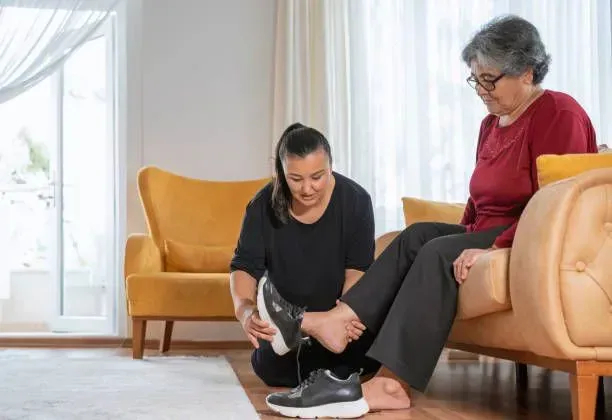
- Physical activity — accompanying seniors on walks and encouraging gentle movement
- Daily routine — caregivers become reliable, trusted anchors in a senior's day
- Sleep — monitoring patterns and flagging concerns to families and care supervisors
- Nutrition and hydration — preparing meals, encouraging fluid intake, noting appetite changes
- Emotional wellbeing — being present, listening, and caring about what kind of day it is
For families in Manhattan, Brooklyn, Queens, Nassau County, and Suffolk County, 7 Day Home Care offers in-home care that adapts to each person's history, personality, and needs. Every plan begins with a conversation — not a checklist.
Frequently Asked Questions
At what age should seniors start focusing on cognitive health habits? There is no threshold age, but earlier is consistently better. The habits that protect brain health — social connection, physical activity, quality sleep, proper nutrition — are beneficial at any age. Beginning proactive attention in one's 60s, before any noticeable decline, tends to yield the strongest long-term outcomes.
How do I know if my parent's memory concerns are normal aging or something more serious? Normal aging involves occasionally forgetting names or misplacing items. More significant warning signs include getting lost in familiar places, repeating the same question multiple times within a single conversation, confusion about dates or close family members, or notable personality changes. If these patterns are present, a physician should be consulted. 7 Day Home Care can also help families think through next steps.
Can professional home care genuinely support cognitive health? Yes — in concrete, measurable ways. Consistent routine, daily social engagement, proper nutrition, and emotional connection all support brain health. Professional caregivers help seniors maintain these things day after day, particularly when family members cannot be present consistently.
What if my parent refuses help or insists they're fine? This is one of the most common challenges families face. Starting small — a few hours a week framed as companionship rather than "care" — often makes the transition significantly easier. 7 Day Home Care offers flexible arrangements for exactly this reason, and our coordinators are experienced at navigating these conversations with families.
Do you provide care for seniors with dementia? Yes. 7 Day Home Care works with seniors at various stages of cognitive change, including those with formal dementia diagnoses. Caregivers are trained in dementia-specific support and in creating calm, structured environments that help seniors feel safe and grounded.
Which areas do you serve? 7 Day Home Care serves families across Manhattan, Brooklyn, Queens, Nassau County, and Suffolk County. If you are unsure whether we cover your specific area, call us — we are happy to talk through options.
Closing Thoughts
Aging does not have to mean losing yourself. The brain is more resilient and adaptable than most people believe — and the habits that protect it are not complicated. They are mostly about connection, consistency, movement, nourishment, and rest.
What makes them difficult is not the habits themselves. It is doing them reliably, especially when energy is low, when isolation creeps in, when daily life loses its structure. That is where the right support makes all the difference.
If you have a parent, grandparent, or someone you love who is aging at home — and something feels different — trust that instinct. The families who reach out early are almost always glad they did.
Ready to Talk About Care for Your Loved One?
7 Day Home Care serves families across Manhattan, Brooklyn, Queens, Nassau County, and Suffolk County with compassionate, personalized home care built around what matters most to each senior.
Call
516-408-0034 — or request a free consultation online.
Because aging at home safely — and happily — is something every senior deserves.
7 Day Home Care provides non-medical home care services. Caregivers do not diagnose, prescribe, or administer medical treatment. All care is supervised by registered nurses licensed in New York State.