Coronary Artery Calcification (CAC): How Serious Is It and What Should You Do?
Coronary Artery Calcification (CAC): How Serious Is It and What Should You Do?

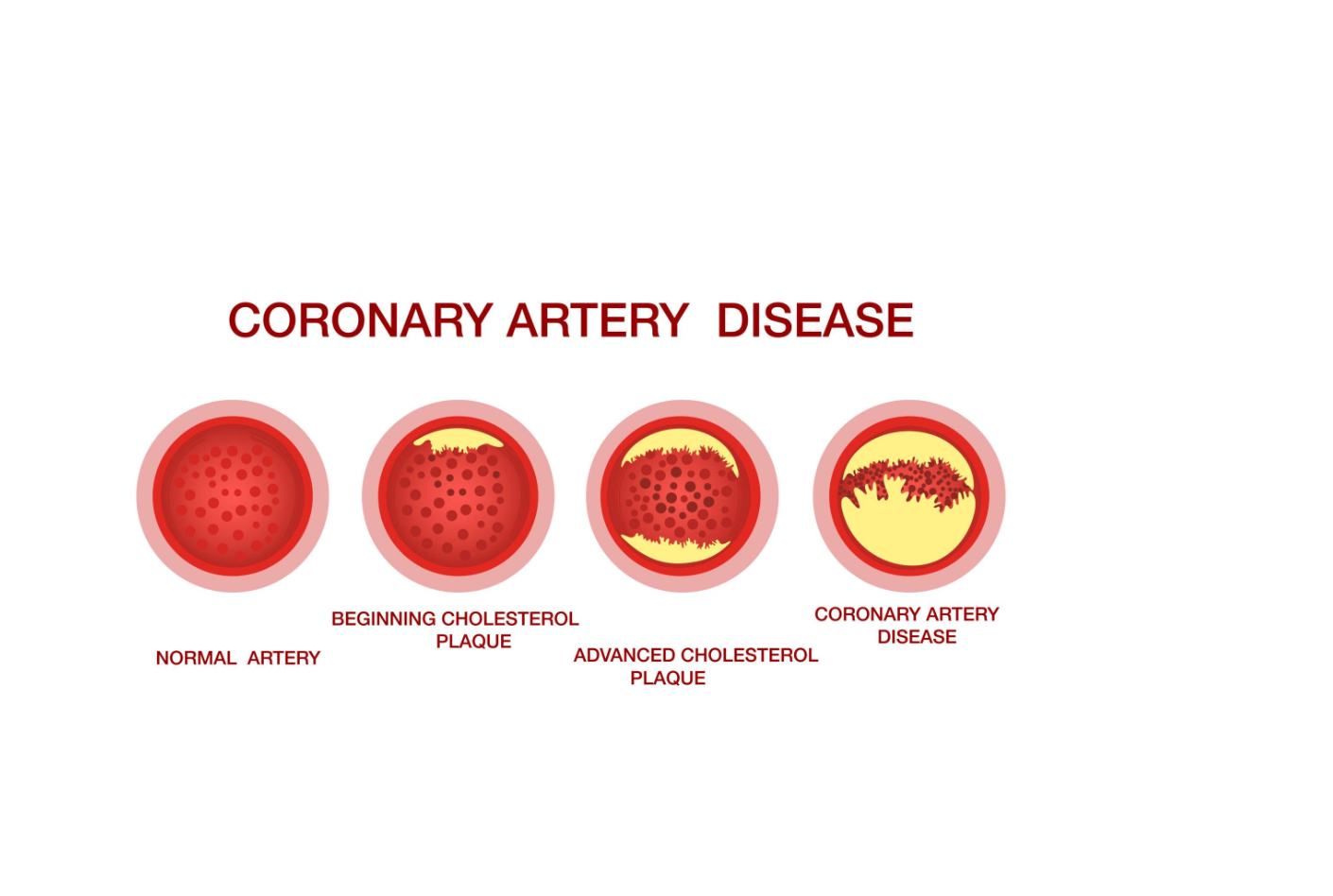
Coronary artery calcification (CAC) is the buildup of calcium deposits within the walls of the coronary arteries — the blood vessels that supply the heart with oxygen-rich blood. It is detected through a non-invasive CT scan and measured using the Agatston score, a standardized system that quantifies the extent and density of calcification. A CAC score of zero is ideal. Higher scores indicate a greater degree of arterial plaque burden and an elevated risk of cardiovascular events. CAC is a well-established marker of atherosclerotic cardiovascular disease (ASCVD).
If you or someone you love has just received a CAC score result, it is completely normal to feel overwhelmed. This guide is written for patients, families, and caregivers in that exact moment — not for medical textbooks, but for real people trying to understand what comes next and what kind of support can make the biggest difference.
Medical Disclaimer: This article is intended for general informational purposes only. It does not constitute medical advice and should not replace consultation with a licensed physician or cardiologist. If you have concerns about a CAC score or cardiovascular symptoms, please speak with your healthcare provider promptly.
What Is Coronary Artery Calcification?
Your heart beats approximately 100,000 times per day, and to sustain that work, it relies on a network of coronary arteries that deliver a continuous supply of oxygenated blood. Over time — particularly as part of an active inflammatory process called atherosclerosis — calcium deposits can form within the walls of those arteries.
This buildup is called
coronary artery calcification, commonly abbreviated as
CAC. Unlike simple aging or "wear and tear," vascular calcification is now recognized by researchers as an active, pathological process driven by chronic inflammation and arterial injury — not a passive side effect of growing older.
How Is CAC Measured? The Agatston Score Explained
CAC is measured through a
non-contrast CT scan — no injections, no contrast dye, no treadmill. You lie flat in the scanner, hold your breath for a few seconds, and the machine does the rest. The scan typically takes under 10 minutes.
The result is reported as an
Agatston score — the clinical standard for quantifying coronary calcium since the late 1980s. Here is how scores are generally interpreted:
CAC Score categories help assess heart disease risk:
- A score of 0 means no plaque and very low risk (“Power of Zero”).
- Scores of 1–99 indicate mild plaque and low to moderate risk, usually manageable with lifestyle changes.
- Scores of 100–399 reflect moderate plaque buildup and a moderate to high risk, requiring active treatment.
- Scores of 400–999 are severe and demand close medical supervision.
- Scores of 1,000 or higher indicate very severe disease and extremely high cardiovascular risk, requiring intensive management.
Source: Adapted from 2026 clinical guidance (Frontiers in Radiology; SCCT/STR CAC-DRS reporting standards).
Important: CAC measures calcified plaque only. It does not detect non-calcified (soft) plaque, which can also pose cardiovascular risk — particularly in younger patients. Your physician will interpret your score in the context of your full clinical picture.
How Serious Is Coronary Artery Calcification?
The honest answer depends on your score, your age, your other risk factors, and what your physician determines from your complete clinical picture. Here is what is medically established:
A score of zero carries strong reassurance. Research consistently shows that a CAC score of 0 predicts a very low rate of near-term cardiovascular events — a finding sometimes called the
"power of zero." Many patients with a zero score and low traditional risk may even discuss de-escalating preventive medications with their doctor.
A low-to-moderate score (1–399) typically calls for lifestyle adjustments — diet, exercise, smoking cessation, weight management — combined with regular monitoring of blood pressure, cholesterol, and follow-up scans as directed by your physician.
A high or very high score (400+) indicates significant atherosclerotic burden and is linked to a meaningfully elevated risk of heart attack, reduced blood flow to the heart (ischemia), and other cardiovascular events. Medical management is generally more active at this level.
What makes this worth taking seriously is not necessarily what calcification is doing right now, but what it signals about the overall health of your arteries — and what could occur without consistent monitoring and management. Catching it early, through a scan, is genuinely a medical advantage.
Is Coronary Artery Calcification Reversible?
CAC itself — once calcification has formed — is not reversed by current standard therapies. However, atherosclerotic progression can be slowed and in some cases halted with appropriate medical management. Statins, blood pressure control, lifestyle changes, and in certain cases aspirin therapy (guided by your physician) have all been shown to reduce the rate of further plaque progression. New research from 2024–2026 provides the first randomized evidence that CAC-guided treatment can reduce plaque progression. This is why your score is a starting point, not a final verdict.
Symptoms: What to Watch For
CAC itself typically does not cause symptoms in its early stages — which is precisely why screening matters. Many people with significant calcium scores feel completely normal on a day-to-day basis.
However, as coronary artery disease progresses, people may begin to notice:
- Shortness of breath during physical activity that didn't previously cause it
- Unusual fatigue or a sense of decreased stamina
- Chest tightness, pressure, or discomfort (angina)
- A general feeling of being less strong or energetic than before
Any new or unexplained cardiovascular symptoms should be reported to your physician immediately. Do not wait for a scheduled appointment if you experience sudden chest pain, pain radiating to the arm or jaw, or difficulty breathing. Call 911.
How CAC Affects Daily Life for Older Adults
For many seniors, especially those with moderate-to-high scores, coronary artery calcification quietly reshapes the rhythms of everyday life — often long before a formal change in diagnosis.
Something as ordinary as walking across the house, climbing a flight of stairs, or getting dressed in the morning can begin to require noticeably more effort. A parent who used to garden for hours now sits down after ten minutes. A spouse who cooked every evening is suddenly too exhausted by dinnertime.
These are not complaints — they are the body communicating that it needs closer attention.
Family members often notice these shifts before the person themselves does. Fatigue, withdrawal from previously enjoyed activities, and small lapses in daily routine are worth taking seriously. They may signal that the level of support at home needs to grow.
Challenges Families and Caregivers Face
Managing a heart-related condition like CAC involves a continuous balancing act:
- Medical management: Follow-up appointments, blood pressure and cholesterol monitoring, imaging as directed
- Medication adherence: Statins, antihypertensives, and other prescribed medications must be taken correctly and consistently
- Dietary changes: Heart-healthy eating affects every meal, every day
- Physical activity: Staying appropriately active without overexertion — within doctor-specified limits
- Emotional wellbeing: Managing fear, uncertainty, and the psychological weight of a cardiovascular diagnosis
- Family coordination: Loved ones juggling their own lives while trying to provide consistent support
Trying to manage all of this alone — whether you are the patient or the caregiver — leads to exhaustion and, often, small but consequential lapses.
Why Consistent Monitoring and Support at Home Matters
Cardiologists and primary care physicians consistently emphasize that
ongoing monitoring is not optional with CAC — it is part of the treatment plan. Regular check-ins, lab work, imaging follow-ups, and adherence to prescribed routines all contribute meaningfully to long-term outcomes.
The challenge is that life intervenes. People feel "fine" and skip appointments. Medications get missed. Dietary changes erode at family gatherings. These are human realities.
What research on cardiovascular disease management consistently shows is that patients with
reliable daily support — someone attentive to their routine, able to notice changes, and able to keep them on track — manage their condition more successfully over time.
That quiet, consistent presence is often the missing piece for families trying to care for a loved one with a heart condition.

How Home Care Services Help Seniors With Heart Conditions in New York
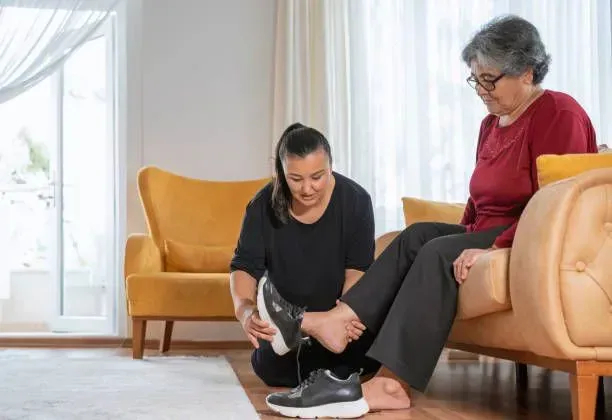
This is where many New York families find real, practical relief — not in dramatic medical interventions, but in the steady, compassionate support of a professional home caregiver who knows what to watch for.
Home care is not medical treatment, and professional caregivers are not a substitute for your physician. What home care provides is the consistent daily infrastructure that makes medical management more achievable.
About 7 Day Home Care
7 Day Home Care is a licensed home care agency serving seniors and families across
Manhattan,
Brooklyn, Queens, Nassau County, and Suffolk County. With a team of trained, compassionate caregivers, 7 Day Home Care provides personalized support that fits around each client's individual needs and doctor's guidance.
For families in New York searching for trusted support — whether you are looking for a
home caregiver agency near me,
home care agencies in Manhattan, or
home health care in Brooklyn — 7 Day Home Care offers flexible, professional care ranging from a few hours a day to full
24/7 home care.
Heart disease is the leading cause of death in New York State, and the need for consistent home-based support for seniors managing cardiovascular conditions has never been greater. Families across Long Island, Queens, and Manhattan rely on 7 Day Home Care to bridge the gap between medical appointments and daily life.
What a Caregiver From 7 Day Home Care Can Help With
For someone managing coronary artery calcification or a related heart condition, a professional caregiver can:
- Prepare heart-healthy meals aligned with physician-recommended dietary guidelines (low sodium, heart-healthy fats, appropriate portions)
- Provide medication reminders so nothing is missed, doubled, or taken at the wrong time (Note: caregivers provide reminders; they do not administer, adjust, or advise on medications)
- Encourage safe activity — gentle movement within doctor-approved limits
- Assist with personal care on days when fatigue or weakness make tasks difficult
- Provide transportation to and from medical appointments
- Offer companionship so the person managing a health condition doesn't face it alone
- Keep family members informed about day-to-day changes in their loved one's wellbeing
For families who cannot always be present, knowing a trusted professional is there provides extraordinary peace of mind.
Signs a Loved One May Need Extra Home Support
You do not need to wait for a health crisis to consider home care. Early, consistent support typically leads to better outcomes — for the patient and for the family. Consider reaching out if you notice:
- Frequently forgetting medications or taking them incorrectly
- Struggling with daily tasks due to fatigue or weakness
- Eating poorly — skipping meals, relying on processed convenience foods, or lacking energy to cook
- Falls, near-falls, or unsteadiness
- Social withdrawal, increased anxiety, or low mood
- Medical appointments being missed or rescheduled repeatedly
- Family caregivers showing signs of burnout
None of these signs mean something catastrophic is occurring. They mean someone may be managing more than they can handle alone — and that a consistent, compassionate presence could make a genuine difference.
Heart-Healthy Daily Living: General Guidance
The following general wellness information is not a substitute for personalized medical advice from your physician or cardiologist.
Nutrition: A diet emphasizing fruits, vegetables, whole grains, and lean proteins — while reducing sodium, saturated fat, and processed foods — is broadly consistent with cardiovascular health recommendations from organizations including the American Heart Association. Adequate hydration is also important, particularly for older adults.
Physical Activity: Gentle, regular movement — such as short walks — can support cardiovascular health when undertaken within whatever limits your physician specifies. Avoiding prolonged sedentary periods is generally advisable.
Sleep and Stress: Quality sleep and active stress management (through whatever means works for the individual — music, prayer, reading, gentle movement) are not luxuries. They are components of whole-person cardiovascular care. Research increasingly confirms the connection between psychological stress, poor sleep, and cardiovascular outcomes.
Medical Follow-Up: Regular, honest communication with your physician or cardiologist is among the most important things a person with a CAC diagnosis can do. Patients who stay closely connected to their care team consistently show better outcomes than those who disengage.
The Emotional Reality of a CAC Diagnosis
It would be dishonest not to acknowledge the emotional weight a diagnosis like this carries. Fear is natural. So is grief — for a version of yourself or your loved one that existed before the results came back. Anxiety about the future, frustration with new limitations, and moments of feeling like a burden to family are all experiences commonly shared by people in this situation.
Those feelings deserve space, not dismissal.
What helps most is not pretending everything is fine. It is having people around who show up consistently — who remind the person that they are still valued, still capable of joy, and still very much themselves regardless of what a scan result says.
If anxiety or depression becomes persistent or disabling, that conversation belongs with a physician as well. The connection between mental health and cardiovascular health is well-documented and increasingly prioritized in integrated care. Both deserve attention.
Frequently Asked Questions About Coronary Artery Calcification
Is coronary artery calcification dangerous?
CAC is a serious indicator of cardiovascular risk, but how dangerous it is depends on the degree of calcification and your individual health profile. Higher Agatston scores (especially 400+) are associated with a meaningfully elevated risk of cardiovascular events. However, many people with CAC live full, active lives with proper medical management. Early detection is a significant advantage — it gives patients and physicians the opportunity to act before a more serious event occurs.
Can you live a normal life with coronary artery calcification?
Many people do live full, active lives with this condition, particularly when it is identified at an earlier stage and managed consistently. It may involve dietary changes, prescribed medications, adjusted activity levels, and regular medical follow-up — but with the right support in place, these adjustments are very manageable for most people.
What does a CAC score of 400 mean?
A CAC score of 400–999 is classified as severe and indicates significant calcified plaque burden in the coronary arteries. It is associated with a high risk of cardiovascular events and typically calls for close medical supervision, active management of risk factors (cholesterol, blood pressure, blood sugar), and discussion of appropriate medications with your physician. Always discuss your specific score with your cardiologist.
What are the early warning signs of coronary artery disease?
CAC itself is typically asymptomatic in early stages. As coronary artery disease progresses, common signs include shortness of breath with exertion, unusual fatigue, chest discomfort or pressure (angina), and reduced stamina for previously routine activities. Any new cardiovascular symptom should be reported to a physician promptly. Sudden severe chest pain is a medical emergency — call 911.
When should you consider home care for a loved one with a heart condition?
If a loved one is struggling to manage medications, eating poorly, missing appointments, or showing signs of fatigue, social withdrawal, or low mood, it is worth exploring home care support. You do not need to wait for a health crisis. The earlier consistent support is introduced, the more smoothly the transition tends to go — and the better the outcomes tend to be.
How can a home caregiver help someone with coronary artery calcification?
A professional home caregiver from an agency like 7 Day Home Care does not provide medical treatment. What they offer is consistent, compassionate daily support: medication reminders, heart-healthy meal preparation, safe activity encouragement, transportation to appointments, personal care assistance, companionship, and attentive observation of day-to-day wellbeing. For families who cannot be present full-time, this kind of steady support provides both practical assistance and genuine peace of mind.
Does coronary artery calcification go away?
Existing coronary calcification does not disappear with current standard therapies. However, further atherosclerotic progression can be slowed — and in some cases halted — with appropriate medical management including statins, blood pressure control, and lifestyle changes. New research (2024–2026) provides evidence that CAC-guided treatment can reduce plaque progression. This is why early detection and active management matter so much.
Ready to Talk? We Are Here.
If you are looking for compassionate, reliable support for a loved one managing a heart condition or any other health challenge,
7 Day Home Care is ready to help.
Request a free consultation — no pressure, no commitment. Just a real conversation about what your family needs.
📞
Call us:
+1 (516) 408-0034
We proudly serve families across Manhattan, Brooklyn, Queens, Nassau County, and Suffolk County. Whether you need a few hours of support each week or full 24/7 home care, our team will work with you to find the right fit.
This article is intended for general informational and educational purposes only. It does not constitute medical advice, diagnosis, or treatment recommendations. The information provided should not replace the guidance of a licensed physician, cardiologist, or other qualified healthcare provider. Always consult your healthcare team regarding your specific condition, test results, and care plan. If you are experiencing a medical emergency, call 911 immediately.
7 Day Home Care provides non-medical home care services. Caregivers do not diagnose conditions, administer or advise on medications, or provide medical treatment of any kind.