Arthritis Care at Home for Seniors in NYC and Long Island: What Families Need to Know in 2026
Arthritis Care at Home for Seniors in NYC and Long Island: What Families Need to Know in 2026
How Arthritis Actually Affects Daily Life in New York City Apartments, Brooklyn Brownstones, and Nassau County Homes — and When Professional Home Care Makes the Difference
Quick Answer — How Do NYC and Long Island Families Manage Arthritis at Home for a Senior? Arthritis is the leading cause of disability among older adults in the United States — affecting more than half of adults age 75 and older, according to CDC data. For seniors in New York City and Long Island, managing arthritis at home means adapting the specific physical environment — the Park Slope brownstone staircase, the pre-war Manhattan bathroom, the Nassau County split-level — to the daily realities of joint pain, morning stiffness, and mobility limitation. When daily management exceeds what the family can safely provide, a licensed LHCSA home care agency provides consistent, RN-supervised daily support. Call
7 Day Home Care at
(516) 408-0034. Care typically begins within 24-48 hours.
How common is arthritis in seniors in New York? According to CDC data from 2022, arthritis affects 53.9% of adults age 75 and older — more than one in two. An estimated 58.5 million US adults have arthritis overall, with 25.7 million reporting arthritis-attributable activity limitations. Osteoarthritis is the most common form, affecting 32.5 million US adults. These numbers apply directly to New York City and Long Island's large older adult population.
When does arthritis in a senior require home care? Professional home care for a senior with arthritis typically becomes necessary when daily tasks — bathing, dressing, meal preparation, safe movement through the home — have become genuinely difficult to manage independently or with family coverage alone. In NYC's specific housing environments, the brownstone staircase, the walk-up apartment, the pre-war bathroom without grab bars each create specific fall and injury risks for arthritic seniors that require professional assessment and daily management. Call
(516) 408-0034.
Does 7 Day Home Care provide home care for seniors with arthritis in NYC and Long Island? Yes. 7 Day Home Care provides non-medical private duty home care for seniors managing arthritis throughout Manhattan, Brooklyn, Queens, Nassau County, and Suffolk County. Every caregiver is a NYS Certified Home Health Aide employed directly by 7 Day Home Care — not a contractor. Every client receives a Registered Nurse home safety assessment before care begins. We are a New York State licensed LHCSA. Call (516) 408-0034.
According to the Centers for Disease Control and Prevention, arthritis affects 53.9 percent of adults age 75 and older in the United States. Among all adults, 58.5 million people have some form of arthritis — and 25.7 million of them report that arthritis limits their daily activities in meaningful ways. The Arthritis Foundation projects that by 2040, 78 million American adults will have arthritis, making it one of the defining health challenges of the aging population.
For families in New York City and Long Island, these numbers have a specific local meaning. New York's older adult population is large, dense, and living in a housing stock that was built without arthritis in mind. The five-story walk-up in Washington Heights. The Carroll Gardens brownstone with eight front stoop steps and a period staircase to the bedroom floor. The Flushing apartment building with an elevator that goes out for days at a time. The split-level in Baldwin where the master bedroom is three steps above the main living floor.
Arthritis does not affect a senior in the abstract. It affects this senior, in this apartment, navigating this specific bathroom threshold, on this specific Tuesday morning when the stiffness is worse than yesterday and the grab bar that should have been installed three years ago still is not there.
This guide is written for the families managing that specific reality — in Brooklyn, in Manhattan, in Queens, in Nassau County, and in Suffolk County. It covers what arthritis actually does to daily life in New York's specific housing environments, the practical strategies that make daily management safer and more sustainable, when professional home care becomes the necessary answer, and what a licensed LHCSA provides that a family member or an online registry cannot.
At 7 Day Home Care, we provide non-medical private duty home care for seniors with arthritis throughout New York City and Long Island. All care is non-medical. We do not provide medical diagnosis, treatment, skilled nursing, or physical therapy. For diagnosis, treatment, and medical management of arthritis, consult a qualified physician.
What Arthritis Actually Does to Daily Life — Especially in New York City Homes
Quick Answer — How Does Arthritis Affect Daily Life for Seniors in NYC? Arthritis affects daily life through morning stiffness that makes the first hour of the day the most painful and precarious, grip weakness that turns doorknobs and jar lids into obstacles, and mobility limitation that transforms the physical environments of New York City — the brownstone staircase, the walk-up flight, the narrow pre-war bathroom — from functional spaces into daily hazards. In New York City's dense, multi-level residential environments, the specific architectural features of the housing stock amplify every arthritis limitation in ways that are not present in single-floor suburban homes.
Morning Stiffness and the First Hour of the Day
For most seniors with osteoarthritis — the most common form, affecting 32.5 million American adults according to the CDC — the first hour after waking is the most challenging of the day. Joint fluid has not yet redistributed. The inflammation that accumulated overnight makes every initial movement slower, more deliberate, and more painful than movement later in the day.
In a Park Slope brownstone, that first hour involves getting from the second-floor bedroom to the first-floor kitchen — navigating the period interior staircase before the joints have warmed up, before the morning stiffness has resolved, before the body is ready for the specific demands of a steep nineteenth-century staircase designed with no awareness of what osteoarthritis would require of the person descending it at 7:15 on a cold January morning.
In a pre-war Manhattan apartment on the
Upper West Side, the first hour involves the bathroom — the high-threshold tub that requires a step-over entry and a controlled descent onto a surface where the original 1920s tile is slick and there is no grab bar within reach.
In a Nassau County Cape Cod in Valley Stream or Baldwin, the first hour involves the same staircase dynamic as the brownstone — bedroom above, bathroom above, kitchen below — but in a postwar housing configuration with slightly less steep stairs and usually a more functional bathroom layout.
Morning stiffness is not a minor inconvenience. In the specific physical environments of New York City and Long Island's housing stock, it is a daily fall risk and injury risk that requires specific management.
Grip Weakness and the Invisible Daily Obstacle Course
Arthritis in the hands — particularly rheumatoid arthritis and osteoarthritis of the finger and wrist joints — creates grip weakness that turns ordinary household objects into obstacles. The medication bottle that cannot be opened. The stove knob that requires more torque than the hand can produce. The window latch in the pre-war apartment that was tight when the building was new and requires real force to turn now. The key in the door lock after a walk back from the corner store.
These are not dramatic events. They are the cumulative friction of a day organized around avoiding the objects and tasks that have become too painful or too difficult. Over time, that cumulative avoidance changes the senior's daily life in ways that are invisible to a family member who visits on Sunday afternoon but does not see the Tuesday morning when the medication bottle stayed unopened for forty-five minutes.
Mobility Limitation and the Architecture of New York City
New York City's residential architecture was built during periods when the city's population was younger, when multi-story living was not associated with aging in place, and when the specific mobility requirements of arthritis were not considerations in building design. The result is that the city's housing stock — particularly the brownstones of Brooklyn and the walk-up buildings of Manhattan and Queens built from the 1880s through the 1940s — creates mobility challenges for arthritic seniors that are more demanding than almost any other major American city's residential environment.
A senior with moderate hip osteoarthritis managing daily life in a single-floor ranch house in suburban Nassau County faces a fundamentally different daily mobility challenge than the same senior managing daily life in a fifth-floor walk-up in Astoria. Both need support. The support they need is specific to where they actually live.
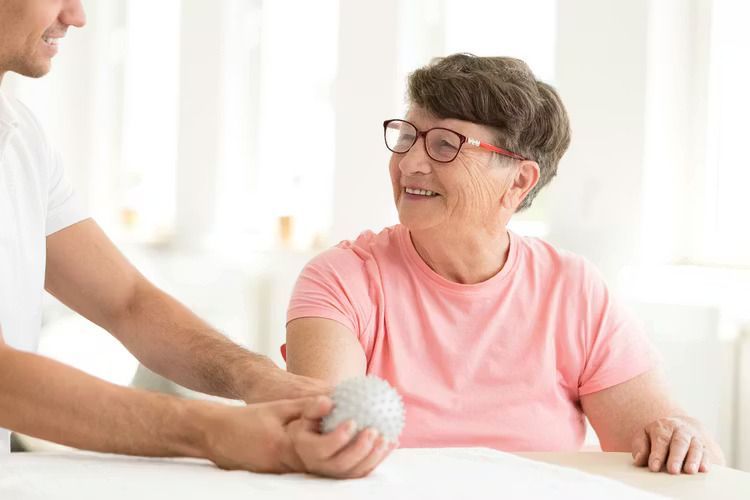
Ten Evidence-Informed Strategies for Managing Arthritis at Home in NYC and Long Island
These strategies are drawn from guidance from the Arthritis Foundation and the CDC's arthritis management resources. They are presented here with specific application to New York City and Long Island's residential environments — because generic advice applied to generic homes is not what families here need.
All management of arthritis symptoms should be discussed with a qualified physician. This content is informational only.
1. Warm the Joints Before the First Movement of the Day — Especially Before Navigating Stairs
The Arthritis Foundation's guidance on morning stiffness consistently emphasizes that gentle warmth before movement reduces the viscosity of synovial fluid and decreases the initial pain of the first morning movements. For seniors in multi-story homes — the Brooklyn brownstone, the Queens two-family, the Nassau Cape Cod — this means warming the joints before the first staircase navigation of the day, not after.
Practical application for NYC and Long Island homes: a heating pad on the knees or hips for five to ten minutes while still in bed, followed by gentle ankle circles and knee bends before standing. For seniors in ground-floor apartments or single-floor living arrangements, this warmup reduces the stiffness of the bathroom transfer and the kitchen walk.
2. Adapt the Staircase Before the Staircase Becomes the Crisis
In Brooklyn brownstones, Park Slope Colonials, Flushing two-family houses, and Nassau County Cape Cods, the interior staircase is the single most dangerous daily feature for a senior with arthritis-related mobility limitations. The grab rail on one side only. The step height that is slightly steeper than current code. The carpet runner that has been there for thirty years and has a slight ridge at the base of the third step.
Adaptation is not renovation. It is the addition of a second grab rail on the opposite wall. A contrasting color strip on the step edge for depth perception. A consistent protocol — always lead with the stronger leg going up, always lead with the weaker leg going down — that the senior uses every single time, not just when someone is watching.
For seniors whose arthritis has progressed to a point where the staircase has become genuinely dangerous, the most effective adaptation is not a grab rail. It is a professional home safety assessment by a Registered Nurse who has been inside the specific staircase and evaluated the specific client's mobility pattern. This is what
7 Day Home Care provides as part of every new client intake — not a general checklist, but an assessment of the actual staircase in the actual home.
3. Redesign the Bathroom for the Actual Bathroom, Not the Ideal Bathroom
The pre-war Manhattan apartment bathroom. The original 1950s bathroom in the Nassau County split-level. The bathroom in the Woodmere Colonial that has not been updated since the home was built.
These bathrooms share characteristics: high-threshold tubs or showers requiring a significant step-over, tile surfaces that are slippery when wet, limited floor space that restricts how a person can position themselves for a transfer, and in many cases no grab bars anywhere in the room.
For a senior managing hip or knee osteoarthritis, this bathroom is the highest-risk room in the home. The transfer into and out of the tub is the single movement most associated with serious fall-related injury in older adults.
Practical adaptations that do not require renovation: a tub transfer bench that allows the senior to sit on the bench outside the tub and slide in rather than stepping over the threshold. A grab bar installed at the specific height and angle appropriate for this person's specific transfer movement. A non-slip mat inside and outside the tub. A handheld showerhead that eliminates the need to turn and reach under a fixed showerhead.
These adaptations require knowing the specific bathroom. They cannot be prescribed from a checklist.
4. Address Grip Weakness With Tools That Are Already Available
The Arthritis Foundation's resource library catalogs adaptive equipment for grip weakness that ranges from commercially available jar openers and large-grip utensils to built-up handle attachments for existing tools. For seniors in New York City apartments, the most immediately useful adaptations are often the simplest: a jar opener that mounts under a cabinet, key turners that provide leverage without requiring grip strength, lever-style door handles to replace round knobs.
For seniors in buildings with older hardware — the round doorknobs that are standard in pre-war construction, the window latches that require genuine torque — the adaptation may involve requesting building management to replace accessible fixtures, or providing the senior with the specific leverage tool that makes the existing hardware manageable.
Practical application for NYC homes: identify the three objects in the daily routine that require the most grip strength and replace or adapt those three first. The medication bottles — a pharmacist can dispense medications in non-childproof caps for elderly patients who request it. The coffee cup — a mug with a larger handle or a handled travel cup with a lid. The stove knobs — large-grip knob covers that provide leverage without requiring pinch grip.
5. Structure the Day Around Joint-Friendly Timing
For most arthritic seniors, joint function is worst in the early morning and late evening and best in the mid-morning to early afternoon window. Structuring daily activities to match this pattern — scheduling the most demanding tasks (bathing, dressing, cooking, going out) during the mid-morning window and lighter activities in the late afternoon — reduces total daily pain and fatigue without any medication or equipment.
For
seniors in New York City apartments, this has specific implications for building access. Elevator buildings with reliable service are manageable at any time of day. Buildings with unreliable elevators or walk-ups require the senior to be genuinely ready for stair navigation before attempting it — meaning morning stiffness must be fully resolved before the walk-up descent.
For seniors in Nassau County homes who drive or take rides to appointments, the mid-morning timing window for scheduling appointments — 10 a.m. to noon — typically aligns with the joint's best daily function while avoiding rush-hour travel stress.
6. Maintain Consistent Daily Movement — Not Intensive Exercise, Consistent Movement
The CDC's arthritis management guidance is clear that physical inactivity worsens arthritis outcomes over time. Complete rest is not therapeutic for arthritis. Consistent, low-impact movement — walking, range-of-motion exercises, water exercises when available — maintains joint function and reduces the rate of functional decline.
For seniors in New York City neighborhoods, the specific movement opportunity depends on the specific neighborhood. A senior in Carroll Gardens or Cobble Hill has access to level sidewalks and a walkable neighborhood — the flat streets of the commercial corridors are genuinely accessible for low-impact daily walking. A senior in a Queens neighborhood with less walkable infrastructure may benefit more from indoor range-of-motion exercises guided by the home health aide or a physical therapist.
For Nassau County seniors, walking in the neighborhood or within a local park or shopping center parking lot in non-winter months provides accessible low-impact movement. In winter months — when Nassau County's cold amplifies morning joint stiffness and icy surfaces eliminate safe outdoor walking — consistent indoor movement becomes the primary option.
The critical distinction is that "movement" for an arthritic senior means movement appropriate to their current condition, their specific joint involvement, and their specific home environment. Determining what that looks like is a conversation with their physician and, where appropriate, a physical therapist. The home care aide facilitates the movement routine the clinical team has established — not prescribes a new one.
7. Adapt the Kitchen for the Reality of Hand and Wrist Arthritis
The kitchen is where grip weakness, limited range of motion, and sustained standing create their most concentrated daily demands. Stirring, chopping, lifting, opening, reaching — the kitchen requires the hands and wrists in ways that accumulate fatigue over a single meal preparation.
For seniors in Manhattan galley kitchens — the long, narrow one-wall or two-wall layouts of pre-war apartment buildings — the sustained standing requirement of cooking is often the primary challenge. A kitchen stool or a perching stool that allows the senior to semi-sit at counter height eliminates the sustained standing demand without requiring them to fully sit.
For Nassau County seniors in standard postwar kitchen layouts with more counter space, reorganizing the kitchen so that the most frequently used items — the coffee maker, the toaster, the daily medications, the glasses — are at counter height rather than in low cabinets or high shelves eliminates most of the bending and reaching that strains arthritic joints.
Meal preparation assistance is one of the most common services provided by
7 Day Home Care aides for arthritic seniors. The aide does not replace the senior's ability to participate in meal preparation — they make participation possible by handling the tasks that require grip, sustained standing, or reaching.
8. Address the Furniture and Seating Situation Honestly
A low couch or a deep-cushioned armchair that a senior has owned for twenty years may now be the most dangerous piece of furniture in the home. The rising and sitting movement from a surface that is too low for arthritic hips and knees places enormous stress on the joints and creates real fall risk at the moment of standing — the transition from seated to standing is one of the highest-risk movements for arthritic seniors.
For New York City apartment dwellers, replacing furniture is not always practical. The alternative is modifying existing furniture: a cushion lifter that raises the seat height of an existing couch, a riser that lifts the legs of an existing armchair, arm caps that provide a stable surface for pushing to standing. These modifications cost under one hundred dollars at any medical supply store and can transform a fall risk into a safe daily movement.
For Nassau County homeowners with more space, a medical-grade lift chair that assists the senior from seated to standing is one of the highest-value arthritis adaptations available — particularly for seniors with severe hip or knee osteoarthritis whose primary daily struggle is safe transitions.
9. Manage Nighttime and Evening Joint Pain to Protect Sleep
Evening and nighttime joint pain — particularly in the knees and hips — disrupts sleep in a way that compounds the following day's morning stiffness. The Arthritis Foundation's sleep and arthritis resources document the relationship between disrupted sleep and worsened daily arthritis symptoms.
Practical strategies for NYC and Long Island seniors: a mattress topper that distributes pressure more evenly than a firm mattress; a body pillow for side-sleeping seniors that supports the top knee and prevents it from pressing on the lower knee; a warm compress on the most affected joint for ten to fifteen minutes before sleep.
For seniors in apartments with radiator heat — the standard heating system in pre-war New York City buildings — managing overnight temperature matters. Over-heated bedrooms dry the air and can worsen joint stiffness; a humidifier in the bedroom reduces this effect.
For seniors whose overnight pain disrupts sleep to the point that they are getting up multiple times per night, overnight home care provides safe supervision during the nighttime hours — the aide is present when the senior navigates the darkened bedroom and bathroom rather than doing so alone.
10. Create a Consistent Daily Routine That Reduces Decision Fatigue and Physical Demand
The CDC's guidance on arthritis management emphasizes routine and consistency as core elements of effective arthritis management — not because routine is valuable in itself, but because a consistent daily structure reduces the number of unplanned physical demands placed on arthritic joints at random times throughout the day.
For seniors living alone in New York City apartments, a consistent daily structure means that the same activities happen at the same times in the same ways — reducing the cognitive and physical load of daily life to a manageable, predictable pattern.
For seniors receiving home care, the aide's schedule is the backbone of that daily structure. The morning routine — warmup, bathing, dressing, breakfast — happens in the same sequence every day, at the same pace, with the same physical setup. That consistency is not incidental to good arthritis home care. It is one of its primary therapeutic contributions.
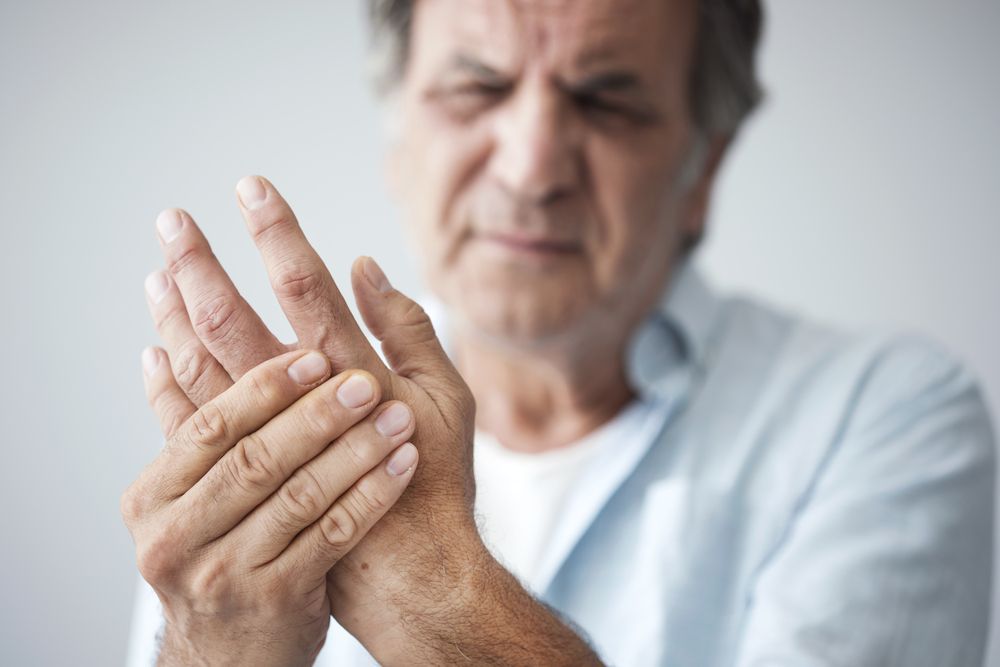
The NYC and Long Island Housing Environment — How Arthritis Plays Out by Neighborhood
This section exists because no generic arthritis management guide has ever addressed the specific daily realities of managing arthritis in a Carroll Gardens brownstone versus a Forest Hills garden apartment versus a Williston Park Colonial versus a Flushing elevator building. The differences matter.
Brooklyn Brownstones — Park Slope, Carroll Gardens, Cobble Hill, Fort Greene
The Park Slope or Carroll Gardens brownstone presents arthritic seniors with the most architecturally demanding recovery environment in the
7 Day Home Care service area. The front stoop — eight to twelve steps from the sidewalk — must be navigated every time the senior enters or leaves the building. The interior staircase — connecting the parlor floor to the bedroom floor above and often to the garden floor below — must be navigated multiple times daily for bathroom access. The period bathroom on the bedroom floor typically lacks grab bars and may have a high-threshold claw foot tub.
Families in these neighborhoods — served by NewYork-Presbyterian Brooklyn Methodist Hospital at 506 Sixth Street in Park Slope — are frequently managing arthritic parents who have lived in the same brownstone for thirty or forty years and who have no intention of leaving. Professional home care that includes RN assessment of the specific brownstone, staircase protocol development, and daily mobility assistance is the arrangement that makes staying safely possible.
See our detailed guide: Home Care in Park Slope · Home Care in Carroll Gardens · Home Care in Fort Greene
Manhattan — Upper East Side, Upper West Side, Midtown, Gramercy
Manhattan's arthritic seniors are distributed across elevator buildings, walk-up buildings, and mixed-use residential buildings with varying degrees of accessibility. The Upper East Side's pre-war elevator buildings near NewYork-Presbyterian/Weill Cornell Medical Center at 525 East 68th Street house a significant elderly population managing arthritis in apartments with original pre-war bathroom configurations. The West Side's walk-up buildings present the staircase challenge described above.
For Manhattan seniors, the proximity of world-class rheumatology care — at NYU Langone, NewYork-Presbyterian, and Mount Sinai — means that medical management of arthritis is typically excellent. The gap is in the daily non-medical support that makes the medical management work: the aide who ensures the senior takes their medications at the prescribed times, prepares the anti-inflammatory diet their rheumatologist recommended, and safely supports the daily movement routine their physical therapist prescribed.
See our detailed guides: Home Care in the Upper East Side · Home Care in Gramercy · Home Care in Midtown
Queens — Flushing, Forest Hills, Bayside, Astoria
Queens presents the broadest range of residential environments in the service area for arthritic seniors. The high-rise elevator buildings of Flushing near NewYork-Presbyterian Queens, the garden apartment complexes of Forest Hills, the two-family homes of Bayside and Whitestone, and the walk-up buildings of Astoria and Long Island City each create different arthritis management environments.
For Chinese-American, Korean-American, and South Asian seniors in Flushing whose primary language is not English, language-matched caregiver assignment is as important as physical home assessment. An aide who cannot communicate with the senior in their primary language cannot provide effective daily arthritis management support. 7 Day Home Care has Mandarin, Cantonese, Korean, and other language-capable caregivers available for Queens communities.
See our detailed guides: Home Care in Flushing · Home Care in Forest Hills · Home Care in Bayside
Nassau County — Valley Stream, Baldwin, Williston Park, Woodmere, Great Neck
Nassau County's postwar Cape Cods, split-levels, and Colonials house a large population of seniors managing arthritis in the two-story residential environments described throughout this post. The specific challenge for Nassau County arthritic seniors is the staircase — required for bedroom and bathroom access — combined with the social isolation of a car-dependent suburban environment that limits the walkable daily activity that is therapeutic for joint health.
For Nassau County families coordinating around hospital discharge from South Nassau Communities Hospital, LIJ Valley Stream, or NYU Langone Long Island, post-discharge arthritis management in the home environment is one of the most common care needs 7 Day Home Care addresses.
See our detailed guides: Home Care in Valley Stream · Home Care in Baldwin · Home Care in Williston Park · Home Care in Woodmere · Home Care in Great Neck
When Arthritis Requires Professional Home Care — What Families Look For
Quick Answer — When Does Arthritis in a Senior Require Professional Home Care in NYC or Long Island? Professional home care for an arthritic senior becomes necessary when daily tasks — safe staircase navigation, bathing, dressing, meal preparation — can no longer be performed independently or with family support alone; when fall risk has become a genuine daily concern in the specific home environment; when the family caregiver's available hours do not cover the highest-risk morning period; or when a hospitalization or surgery has created a recovery period requiring specific daily support. Early professional involvement — before a fall, before a hospitalization — consistently produces better outcomes than waiting for a crisis.
The progression from "managing with some difficulty" to "genuinely unsafe without daily professional support" happens gradually for most arthritic seniors — and families often miss it because they are not present for the highest-risk moments. No one is there on Tuesday morning when the bathroom transfer is more difficult than usual. No one is there on the Thursday afternoon when the staircase negotiation requires more time and more wall-bracing than it should.
Families typically recognize the threshold has been crossed when:
Dressing has become a significant daily event — not a slight inconvenience but a genuine daily challenge requiring thirty to forty-five minutes and often resulting in the senior skipping steps they previously managed.
Hygiene has been compromised — bathing or showering has become infrequent not from preference but from the genuine difficulty of managing the tub transfer or shower entry without help.
The staircase is being avoided — a senior who has stopped going upstairs before mid-morning, or who delays going to bed because of the staircase, has effectively let the architectural feature of their own home limit their daily movement.
Medication management has become disorganized — not because of cognitive issues but because the grip required to open the bottles, the bending required to reach the cabinet, and the fatigue of a painful morning have made the medication routine inconsistent.
The family caregiver has reorganized their life around coverage — an adult child who has moved their own morning schedule to cover the 7 to 9 a.m. window for a parent in a Nassau County Cape Cod has recognized the need without yet having named it.
What a Licensed LHCSA Provides for Arthritic Seniors — and Why the Distinction Matters
Quick Answer — What Does a Licensed Home Care Agency Provide for Arthritic Seniors That a Registry Does Not? A New York State Licensed Home Care Services Agency (LHCSA) employs caregivers as W-2 employees, supervises them with a Registered Nurse, conducts a home safety assessment of the actual residence, carries liability and workers' compensation insurance, and ensures that long-term care insurance policies — which require LHCSA care for benefits to apply — can be activated. A registry or referral platform places independent contractors without employment supervision, making the family the employer of record. For arthritic seniors whose families have long-term care insurance policies, the LHCSA distinction determines whether the policy pays.
Verify 7 Day Home Care's LHCSA license here.
The specific services a 7 Day Home Care aide provides for a senior managing arthritis in their New York City apartment or Long Island home include:
Morning joint warmup and safe staircase protocol — following the movement routine that the client's physician or physical therapist has established, performed in the sequence and timing that the client's specific arthritis pattern requires.
Bathing and personal care — including safe tub or shower transfer, dressing assistance for the specific grip and range-of-motion limitations the client is managing, and grooming assistance with attention to the hand and wrist tasks that grip weakness makes difficult.
Meal preparation — preparing meals respecting the client's dietary requirements, including anti-inflammatory dietary recommendations where relevant, handling the grip and sustained standing demands of cooking, and ensuring the kitchen is organized for the client's independent use between aide visits.
Medication reminders — non-medical reminders at the appropriate scheduled times, including the organizational support that ensures medication bottles are accessible and the daily routine includes medication as a consistent element.
Mobility support and fall prevention — active assistance with transfers, staircase navigation, and movement through the specific home environment, with the specific knowledge of the home's hazard points that comes from the RN assessment and from consistent daily presence.
Companionship and supervision — present during the highest-risk daily periods, providing the supervision that prevents small mobility difficulties from becoming serious falls.
We provide non-medical home care only. We do not provide wound care, skilled nursing, physical or occupational therapy, or any medical diagnosis or treatment.
Long-Term Care Insurance and Arthritis Home Care — What Nassau County and NYC Families Need to Know
Many families in Nassau County and the more established NYC neighborhoods have long-term care insurance policies — from John Hancock, Northwestern Mutual, Genworth, CNA, MetLife, and other carriers — that were purchased specifically to cover the cost of home care when arthritis or another condition made daily independent living difficult. Most of these policies have been paying premiums for fifteen to twenty-five years without a claim ever being filed.
When daily arthritis management reaches the threshold that requires professional home care, these policies are designed to activate — but only if the care is provided by a licensed LHCSA and the policy's specific benefit triggers are met.
7 Day Home Care verifies long-term care insurance coverage, confirms benefit periods and daily maximums, submits initial claims, and manages ongoing documentation at no charge for every client whose family has an applicable policy. For families who have found a policy and are unsure whether it applies to arthritis home care, call (516) 408-0034 before assuming it does or does not.
CNA · Brighthouse · Genworth · Mutual of Omaha · MetLife · Transamerica · John Hancock · New York Life · Northwestern Mutual · MassMutual · Lincoln Benefit Life · Unum · TIAA-CREF · Aetna · Bankers Life

Frequently Asked Questions About Arthritis Home Care in NYC and Long Island
How common is arthritis among seniors in New York City and Long Island?
According to CDC data from 2022, arthritis affects 53.9 percent of adults age 75 and older nationwide — more than one in two people in that age group. An estimated 58.5 million US adults have arthritis overall, and 25.7 million report that arthritis limits their daily activities. New York City and Long Island's large older adult population reflects these national patterns directly. Osteoarthritis — the most common form — affects 32.5 million American adults and is the primary arthritis condition driving home care needs among NYC and
Long Island seniors.
What does non-medical home care for arthritis include?
Non-medical home care for arthritic seniors includes personal care assistance (bathing, dressing, grooming), safe mobility support and transfer assistance in the specific home environment, meal preparation, medication reminders, household tasks that require grip or sustained standing, companionship and supervision during high-risk daily periods, and overnight care when indicated. It does not include medical treatment, physical therapy, occupational therapy, wound care, or skilled nursing. Medical and therapeutic components of arthritis management are provided by a physician, rheumatologist, physical therapist, or occupational therapist.
Does 7 Day Home Care have Spanish-speaking caregivers for arthritic seniors in Queens and Nassau County?
Yes. 7 Day Home Care has caregivers who speak Spanish, Mandarin, Cantonese, Italian, Russian, Polish, Haitian Creole, French, Hebrew, Tagalog, Farsi, and Arabic, in addition to English. For arthritic seniors in Flushing, Jackson Heights, the Bronx, or Nassau County communities with significant Spanish-speaking or Mandarin-speaking populations, language-matched caregiver assignment is a care priority that we address at the beginning of every intake conversation.
How does a home care aide help with arthritis specifically in a Brooklyn brownstone?
In a Brooklyn brownstone, the primary daily challenges for an arthritic senior are staircase navigation, front stoop access, and period bathroom configuration. The 7 Day Home Care aide assigned to a brownstone client is briefed on the specific staircase, the specific bathroom, and the client's specific mobility pattern before care begins. The Registered Nurse home assessment identifies the specific hazard points — the staircase's handrail reach, the bathroom tub threshold height, the front stoop's railing configuration — and develops movement protocols for that specific building. Daily care follows those protocols consistently.
When should a NYC family consider home care for a parent with arthritis?
Families should consider professional home care when daily tasks — bathing, dressing, staircase navigation, meal preparation — have become difficult to manage independently or with family coverage alone; when the family caregiver is covering the morning period on a daily basis and cannot sustain that schedule; when there has been a near-fall or a fall; when medication management has become inconsistent; or when the senior is avoiding activities (bathing, going out, using certain rooms) because of the physical demands those activities place on arthritic joints. Earlier contact produces better outcomes. Call (516) 408-0034.
Does long-term care insurance cover arthritis home care in New York?
In most cases, yes — if care is provided by a licensed LHCSA and the policy's benefit triggers are met. Most long-term care insurance policies cover non-medical private duty home care when the policyholder meets the Activities of Daily Living (ADL) criteria specified in the policy — typically requiring assistance with two or more ADLs including bathing, dressing, or mobility. Arthritis that has progressed to the point of requiring daily home care assistance typically meets these criteria. 7 Day Home Care verifies coverage and manages claims at no charge. Call (516) 408-0034.
What is a licensed LHCSA and why does it matter for arthritis home care?
A Licensed Home Care Services Agency (LHCSA) is licensed by the New York State Department of Health to employ, credential, and RN-supervise caregivers for private duty home care. A caregiver registry places independent contractors without employing or supervising them — making the family the employer of record for liability and taxes. Most long-term care insurance policies require care from a licensed LHCSA for benefits to apply.
7 Day Home Care is a licensed LHCSA — every caregiver is our W-2 employee, background-checked, insured, and RN-supervised.
How quickly can home care for arthritis begin in NYC or Long Island?
Care typically begins within 24-48 hours of initial contact. For families whose parent has had a fall or a hospitalization related to arthritis, we prioritize placement to match the urgency. Call (516) 408-0034 for a direct assessment of current availability.
About 7 Day Home Care
7 Day Home Care is a New York State licensed LHCSA (Licensed Home Care Services Agency), licensed by the New York State Department of Health to provide non-medical in-home care services throughout Manhattan, Brooklyn,
Queens, Nassau County, and Suffolk County.
Every Home Health Aide is fully certified under New York State Department of Health standards and supervised by our Registered Nurse. Every caregiver is our W-2 employee — background-checked, insured, and RN-supervised. We do not use registries or referral platforms. All services are non-medical.
We provide non-medical home care only. We do not provide medical diagnosis, treatment, skilled nursing, physical therapy, occupational therapy, or clinical home health services. For arthritis diagnosis and medical treatment, consult a qualified physician or rheumatologist.
Main:
(516) 408-0034 · Alternate: (917) 301-4914 Available 24 hours a day · 7 days a week Care typically begins within 24-48 hours.
Manhattan Office · 100 Park Avenue, Suite 1600, New York, NY 10017 Long Island Office · 3000 Marcus Avenue, Lake Success, NY 11042
Neighborhood-Specific Home Care Guides: Brooklyn Home Care · Park Slope Home Care · Manhattan Home Care · Flushing Home Care · Forest Hills Home Care · Valley Stream Home Care · Baldwin Home Care · Williston Park Home Care · Great Neck Home Care · Huntington Home Care
© 2026 7 Day Home Care Ltd. All rights reserved. This blog post is for informational purposes only and does not constitute medical advice, diagnosis, or treatment. All statistical references were verified from CDC and Arthritis Foundation sources before publication. For arthritis diagnosis and treatment, consult a qualified physician.