Alzheimer’s vs Dementia: What Families Need to Understand
Alzheimer’s vs Dementia: What Families Need to Understand

Quick Answer — What Is the Difference Between Alzheimer’s and Dementia?
Dementia is a general term for symptoms that affect memory, thinking, and daily functioning.
Alzheimer’s disease is the most common cause of dementia.
In simple terms:
- Dementia = a category of symptoms
Alzheimer’s = one specific disease within that category
Why This Confusion Happens
Most families don’t start with clarity — they start with concern.
At first, it feels like normal aging:
- repeated questions
- misplaced items
- small memory lapses
Over time, those changes become harder to explain.
The confusion between Alzheimer’s and dementia is common because:
- the terms are often used loosely in everyday conversation
- early symptoms can overlap
- families are focused on helping, not defining
But understanding the difference helps families ask better questions, plan ahead, and make more informed decisions.
What Is Dementia? (Simple Explanation)
Dementia is not a single disease.
It is a broad term used to describe a group of symptoms that affect:
- memory
- communication
- reasoning
- judgment
- ability to perform daily activities
These symptoms can come from different underlying conditions.
Common Signs of Dementia
- Difficulty remembering recent events
- Trouble following conversations
- Poor judgment or decision-making
- Confusion in familiar environments
- Changes in personality or behavior
Symptoms vary from person to person and often progress over time.
What Is Alzheimer’s Disease?
Alzheimer’s disease is the
most common cause of dementia, accounting for a large percentage of cases.
It is a
progressive brain condition, meaning symptoms typically worsen gradually over time.
Common Early Signs of Alzheimer’s
- Difficulty remembering recent conversations
- Repeating questions
- Forgetting names or appointments
- Losing track of time
As the condition progresses, individuals may need increasing support with daily activities.
Alzheimer’s vs Dementia — The Key Differences
1. Definition
- Dementia: a general term for symptoms
- Alzheimer’s: a specific disease
2. Cause
- Dementia: can have multiple causes
- Alzheimer’s: caused by changes in the brain associated with the disease
3. Symptom Patterns
- Dementia: may begin with memory, behavior, or judgment changes
- Alzheimer’s: often begins with short-term memory loss
4. Progression
- Dementia: progression varies depending on cause
Alzheimer’s: typically follows a gradual, progressive pattern

How Symptoms Show Up in Real Life
Understanding the difference becomes clearer when you look at real situations.
Alzheimer’s Patterns
- Repeating the same question multiple times
- Forgetting recent conversations
- Gradual decline in daily functioning
Other Dementia Patterns
- Sudden confusion or poor judgment
- Personality or behavior changes
- Difficulty with planning or decision-making
For families, the challenge is not just identifying symptoms — it is keeping up with how those symptoms change over time.
When Families Start to Get Concerned
Families often reach a point where something feels different — even if they cannot name it.
Common turning points include:
- increased confusion or forgetfulness
- missed medications or appointments
- difficulty managing daily routines
- changes in safety awareness
- increased caregiver stress
At this stage, families often begin exploring support options — both medical evaluation and non-medical help at home.
Where Non-Medical Home Care Fits In
7 Day Home Care provides non-medical in-home support.
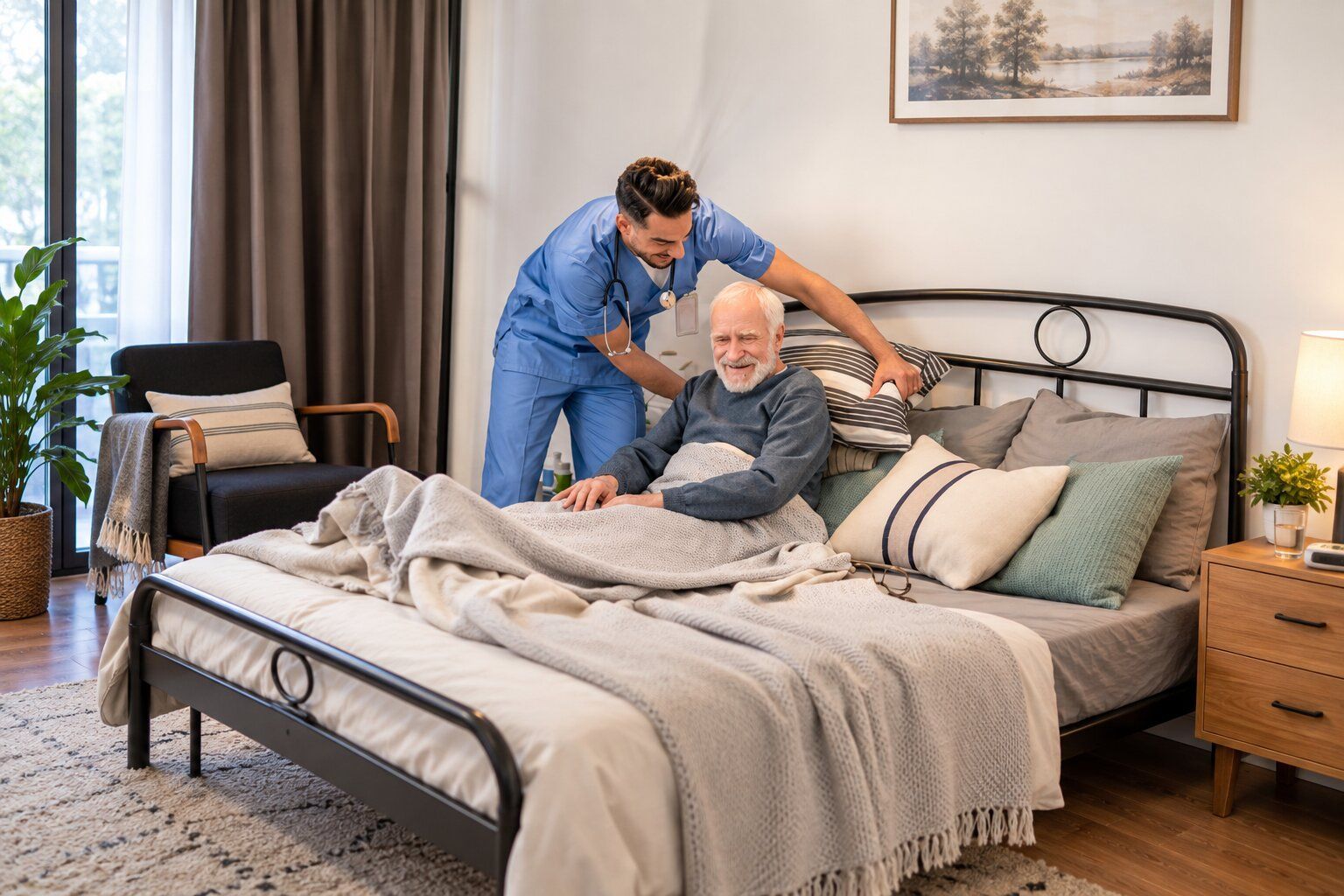
This means caregivers assist with:
- personal care (bathing, dressing, hygiene)
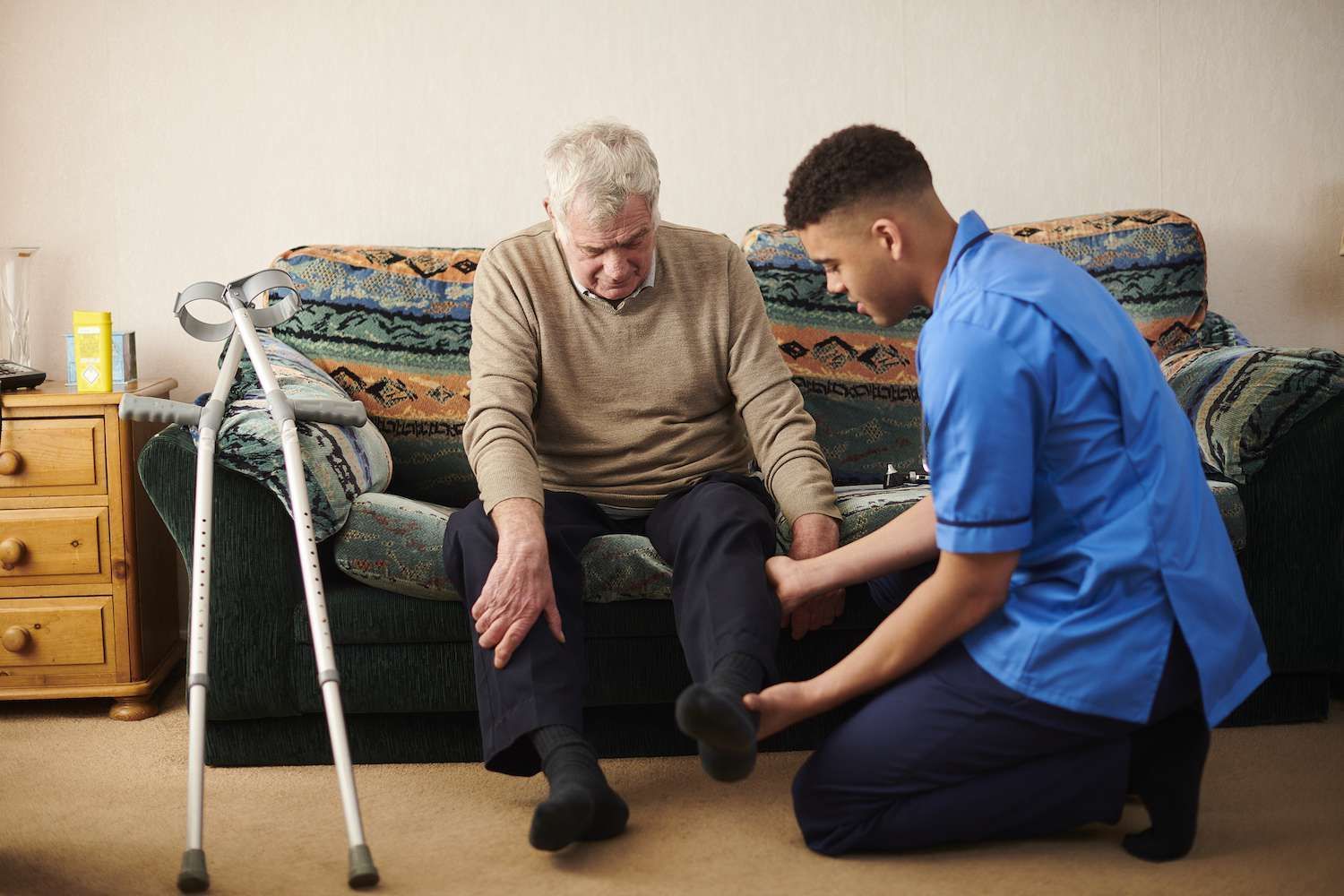
- mobility and fall prevention
- meal preparation
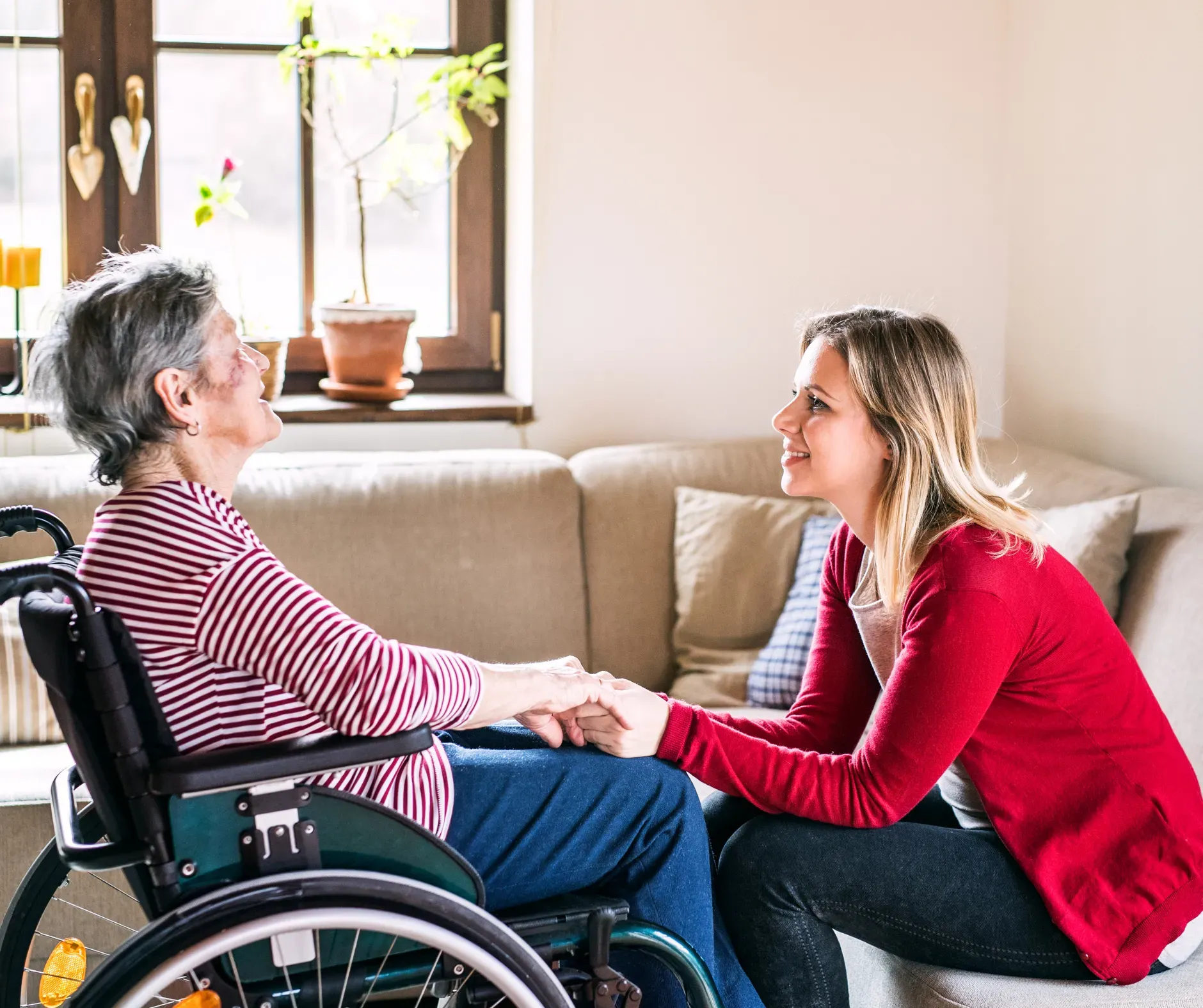
- companionship
- medication reminders (not administration)
- safety supervision
We do not diagnose, treat, or provide medical care.
Our role is to help individuals remain safely at home while supporting families day-to-day.
Why Consistency Matters for Memory Conditions
For individuals experiencing memory loss, consistency can make a meaningful difference in daily life.
Stable routines can help reduce:
- confusion
- anxiety
- frustration
A consistent caregiver can:
- learn daily patterns
- provide familiar interaction
- help maintain structure
This is especially important for individuals who have lived in the same home for many years.
When to Consider Additional Support at Home
Families often consider home care when:
- daily tasks become difficult to manage safely
- supervision is needed for part of the day
- a hospital discharge changes the situation
- a family caregiver becomes overwhelmed
- support is needed during evenings or overnight
Every situation is different, but one theme is consistent:
Support is usually most effective when it starts before a crisis.
Common Misunderstandings Families Have
“It’s just normal aging”
Some memory changes are normal. Others may signal something more.
“We can handle everything ourselves”
Many families try — until it becomes unsustainable.
“We need to wait until it gets worse”
In many cases, earlier support leads to better stability.
Simple Ways to Support Daily Life
Families often find that small adjustments can help:
- maintaining a consistent daily routine
- keeping communication simple and calm
- reducing environmental confusion
- focusing on safety within the home
These are general approaches — not medical treatment — but they can support day-to-day life.
A Note on Medical Care
Alzheimer’s disease and other forms of dementia are medical conditions.
Diagnosis, treatment, and clinical guidance should always come from a physician or qualified healthcare provider.
7 Day Home Care provides non-medical support only.
Final Thoughts
The difference between Alzheimer’s and dementia is simple once you see it clearly:
- Dementia describes symptoms
- Alzheimer’s is one cause of those symptoms
For families, understanding that distinction helps bring structure to what can otherwise feel overwhelming.
But just as important is this:
You do not have to manage everything alone.
Support for Families in New York
7 Day Home Care provides private, non-medical home care services throughout:
We help families navigate day-to-day care with consistency, clarity, and reliable support.
Call
(516) 408-0034
Available 24 hours a day · 7 days a week