Leg Ulcers: How Serious Are They and How Do They Affect Daily Life?
Leg Ulcers: How Serious Are They and How Do They Affect Daily Life?
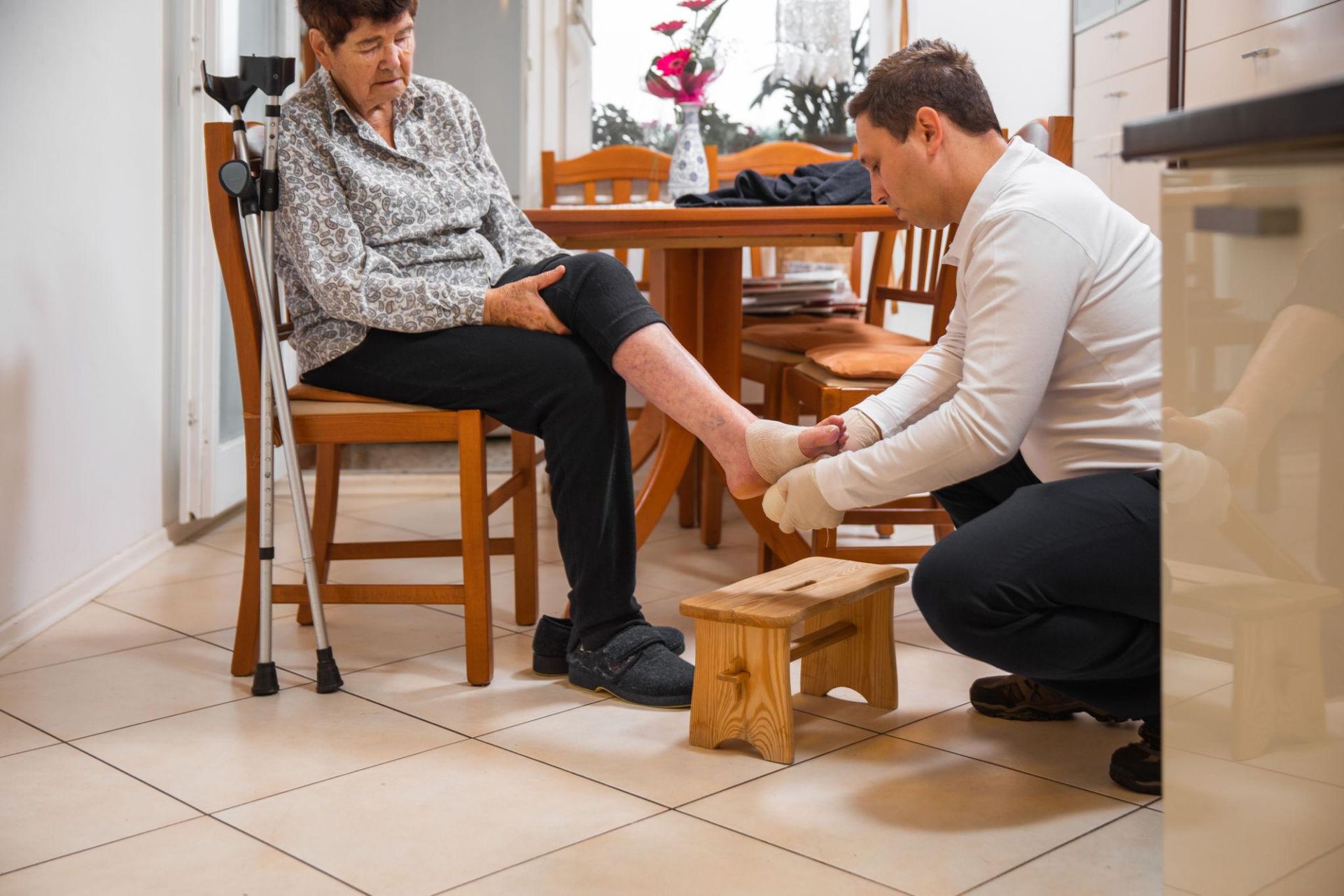
A leg ulcer is a chronic open wound or sore on the lower leg or foot that fails to heal within six weeks of appropriate care. Unlike minor cuts or scrapes, leg ulcers develop because of an underlying condition — most commonly poor venous circulation, arterial disease, or diabetes — that impairs the body's natural healing process. They are among the most common chronic wounds in older adults, affecting an estimated 3 to 5 percent of adults over age 65 in the United States.
Medical Disclaimer: This article is for general informational purposes only and does not constitute medical advice, diagnosis, or treatment. If you or a loved one has a leg ulcer, please consult a licensed physician or wound care specialist for evaluation and personalized guidance. If you notice signs of serious infection — including spreading redness, fever, foul odor, or increased pain — seek medical attention promptly. In a medical emergency, call 911.
If you or someone in your family is managing a leg ulcer that won't seem to improve, you are not alone. It's a condition that affects hundreds of thousands of people — particularly older adults — and it's far more serious than a surface wound. Understanding what's really happening, what the risks are, and what kind of support can help is the first step toward managing it well.
This guide is written for patients, families, and caregivers in plain language — not for medical textbooks.
What Is a Leg Ulcer? Types, Causes, and Who Is Most at Risk
A leg ulcer is not simply a wound that is slow to heal. It is a chronic wound that persists because of an underlying medical condition affecting circulation, nerve function, or skin integrity. Without addressing that underlying cause, the wound is unlikely to close on its own.
The Main Types of Leg Ulcers
1. Venous Ulcer
- Cause: Poor blood flow in veins (blood pooling)
- Location: Inner lower leg (near the ankle)
- Who is affected: Older adults; people with varicose veins or previous DVT
2. Arterial Ulcer
- Cause: Reduced blood supply due to artery disease
- Location: Toes, heels, outer ankle
- Who is affected: Smokers; people with diabetes or high blood pressure
3. Diabetic Foot Ulcer
- Cause: Nerve damage + poor circulation + injury
- Location: Soles of the feet, toes
- Who is affected: People with long-term diabetes
4. Mixed Ulcer
- Cause: Combination of venous and arterial disease
- Location: Lower leg and foot
- Who is affected: Older adults with multiple vascular conditions
5. Pressure Ulcer (Bed Sores)
- Cause: Prolonged pressure on certain body areas
- Location: Heels, ankles
- Who is affected: Immobile or bed-bound individuals
Venous ulcers are the most common type, accounting for approximately 70 to 85 percent of all leg ulcers. Arterial ulcers make up 5 to 20 percent. Mixed venous-arterial disease is present in approximately 26 percent of lower-extremity ulceration cases.
How Serious Can a Leg Ulcer Become?
This is where the article needs to be honest with you: a leg ulcer left untreated or poorly managed is not merely uncomfortable — it can become genuinely dangerous, particularly for older adults.
Infection is the most immediate risk. An open wound is a direct entry point for bacteria. A localized infection can escalate rapidly to:
Cellulitis — a spreading bacterial infection of the skin and soft tissue, causing redness, warmth, swelling, and fever
- Osteomyelitis — bone infection, which occurs in 10 to 15 percent of moderate wound infections and up to 50 percent of severe infections
- Sepsis — a life-threatening systemic infection requiring emergency hospitalization
- Gangrene — tissue death caused by loss of blood supply combined with infection
- Amputation — in the most advanced cases, particularly with arterial and diabetic ulcers, amputation may be required to preserve life
Research in older adult populations confirms that geriatric patients face significantly elevated risk of these complications due to age-related immune changes and common comorbidities.
The longer a leg ulcer remains open, the higher the risk. Early and consistent care is not optional — it is medically necessary.
If you notice spreading redness, significant swelling, fever, increasing pain, foul odor, or discolored tissue around a leg ulcer, contact a healthcare provider promptly or go to an emergency room.
How a Leg Ulcer Affects Overall Health
Many people assume a leg ulcer is a skin problem. In reality, it places stress on the entire body — particularly in older adults managing other health conditions.
It worsens existing conditions. People with diabetes, heart disease, or peripheral artery disease — the same conditions that contribute to leg ulcers — find those conditions become harder to control once an ulcer develops. The body diverts resources toward wound response, leaving less capacity to regulate blood sugar, blood pressure, and circulation.
It disrupts sleep, which disrupts healing. Pain and discomfort from a leg ulcer frequently interfere with sleep quality. Since the body does most of its tissue repair during sleep, persistent sleep disruption creates a cycle: the ulcer causes poor sleep, and poor sleep slows the healing of the ulcer.
It limits nutrition and mobility. Reduced mobility means less independence in grocery shopping and meal preparation. Poor nutrition, in turn, directly impairs wound healing — protein, zinc, and vitamins C and A are all essential for tissue repair, and many older adults with leg ulcers develop deficiencies.
It increases hospitalization risk. Infected leg ulcers are among the most common reasons older adults are hospitalized for wound-related complications. For seniors managing multiple conditions, a preventable hospitalization carries significant risks of its own.
How a Leg Ulcer Changes Daily Life
Living with a leg ulcer reshapes daily life in ways that extend far beyond the wound itself.
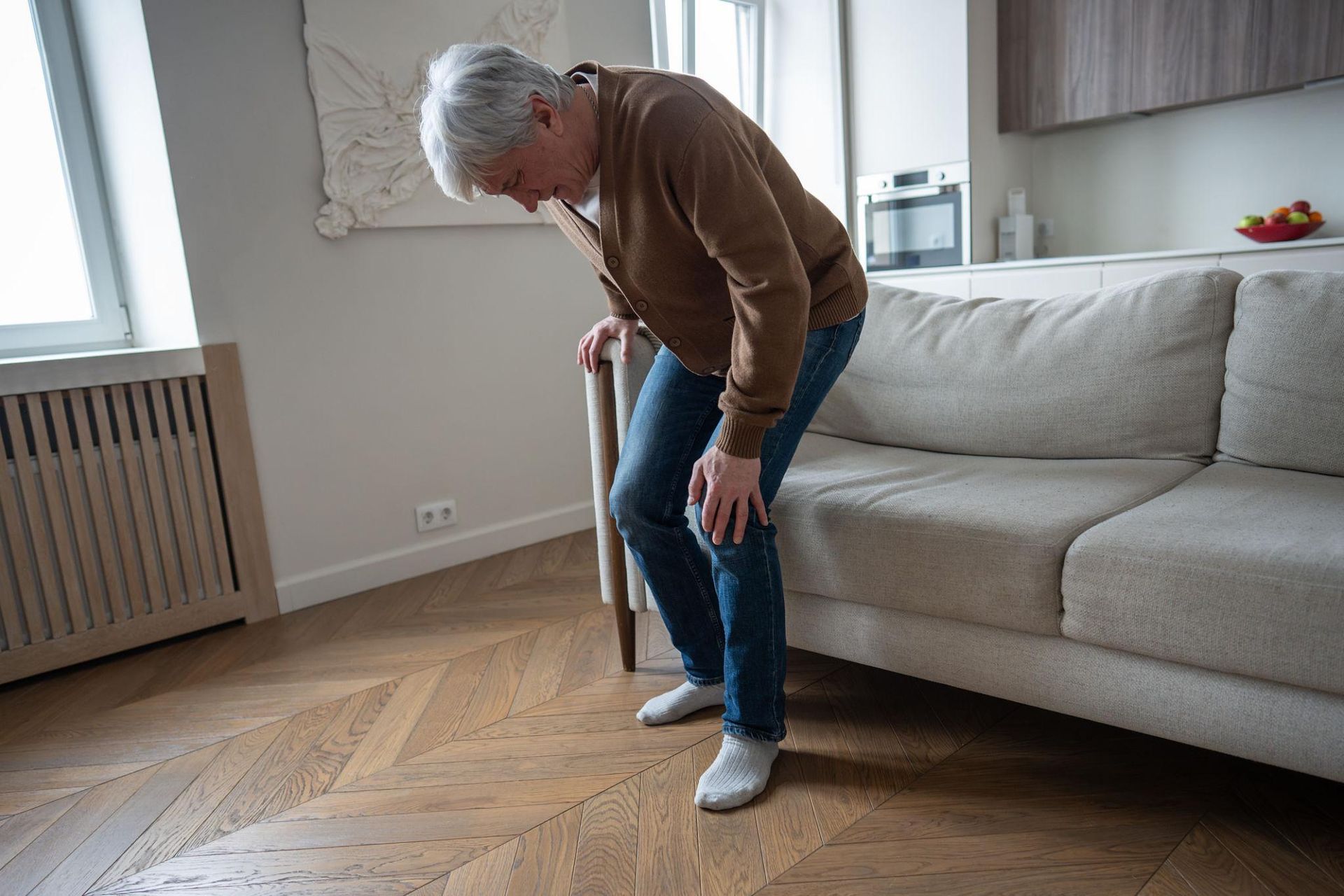
Simple activities that most people take for granted — walking to another room, climbing stairs, bathing, getting dressed in the morning, cooking a meal — become effortful, painful, or require planning. Wearing ordinary shoes may no longer be possible. Going outside, especially in warm weather when legs need to be elevated and protected, can feel overwhelming.
For older adults, this is particularly significant. Loss of physical mobility often leads directly to loss of independence. And with that loss of independence often comes something less visible but equally serious: a loss of confidence, a withdrawal from social activities, and a growing reliance on others that can feel deeply uncomfortable for someone who has always managed on their own.
What Families and Caregivers Often Experience
When a parent, spouse, or family member is managing a leg ulcer, the impact radiates outward. Families frequently find themselves:
- Uncertain whether the wound is improving or getting worse
- Struggling to keep up with daily dressing changes and hygiene routines
- Trying to manage caregiver responsibilities alongside jobs, children, and their own lives
- Feeling exhausted, guilty, and unsure where to turn for help
This is not a failure — it is a sign that the level of care required may be greater than any one person can sustainably provide alone.
Why Consistent Care Matters — and What It Involves
A leg ulcer will rarely heal without consistent, appropriate management of both the wound itself and the underlying condition causing it.
Standard medical management of leg ulcers typically involves clinical assessment and treatment by a physician or wound care specialist. General supportive care — the kind a home caregiver can assist with — includes:
- Wound hygiene — gentle, consistent cleaning and protection of the wound area as directed by a clinician
- Compression therapy — for venous ulcers specifically, graduated compression (bandages or stockings) is a cornerstone treatment; a caregiver can assist with application as directed
- Leg elevation — raising the affected leg above heart level when resting reduces venous pressure and swelling
- Mobility support — avoiding prolonged sitting or standing in one position; light, supported movement as tolerated
- Nutrition — a diet rich in protein, vitamins C and A, and zinc supports the body's healing process
- Monitoring — attentive daily observation for signs of worsening (increased redness, new discharge, odor, swelling, or fever)
- Medication routines — supporting adherence to any prescribed medications (antibiotics, anticoagulants, or others)
Note: Home caregivers provide supportive, non-medical assistance with these routines. All wound care protocols and treatment decisions must be directed by a licensed healthcare provider.
Recognizing an Infected Leg Ulcer: Signs That Require Immediate Attention
Knowing when a wound has crossed from "needs monitoring" to "needs medical care now" is one of the most important skills for anyone managing a leg ulcer at home.
Seek prompt medical attention if you notice:
- Redness spreading beyond the wound edges
- Increased warmth or swelling in the surrounding skin
- Wound discharge that is cloudy, yellow, green, or has an unpleasant odor
- Increasing pain rather than gradual improvement
- Fever or chills
- Red streaks extending from the wound
- The person seeming suddenly confused or more unwell than usual (which can indicate systemic infection)
Do not wait for a scheduled appointment if these signs appear. Contact a physician or go to an emergency room promptly.

Signs a Loved One May Need Extra Support at Home
Not every family is in the position to provide consistent daily care for someone with a leg ulcer — and there is no shame in that. Recognizing when professional support would help is a sign of good judgment, not a failure.
Consider reaching out for home care support if:
- The leg ulcer has shown no meaningful improvement after several weeks despite care efforts
- Dressing changes are being skipped or performed inconsistently due to difficulty or caregiver fatigue
- The person is struggling with basic hygiene, nutrition, or mobility
- Falls or near-falls have occurred — particularly relevant for anyone with reduced sensation in their legs
- Medical appointments are being missed or postponed
- Emotional withdrawal, persistent low mood, or social isolation is increasing
- Family caregivers are showing signs of burnout or are unable to be present consistently
How Home Care Services in New York Can Help
For families in
Manhattan,
Brooklyn,
Queens, Nassau County, and Suffolk County, professional home care can bridge the critical gap between medical appointments and the daily management a leg ulcer requires.
Heart disease and diabetes — the two leading contributors to leg ulcers — are among the top causes of death and hospitalization in New York State. The need for skilled, reliable home-based support for seniors managing these conditions is significant across the region, from Long Island communities in Nassau and Suffolk to neighborhoods in Brooklyn, Queens, and upper Manhattan.
7 Day Home Care is a licensed, non-medical home care agency serving seniors and families throughout the New York metro area. Their background-checked caregivers, supervised by a Registered Nurse, provide consistent, compassionate daily support that makes living safely at home more achievable.
What a 7 Day Home Care Caregiver Can Help With
For someone managing a chronic leg ulcer, a professional caregiver can assist with:
- Personal hygiene and bathing support, keeping the wound area clean and protected as directed
- Meal preparation aligned with nutritional needs for wound healing
- Medication reminders so prescribed treatments are taken consistently (caregivers provide reminders — they do not administer, adjust, or advise on medications)
- Mobility assistance and fall prevention support
- Leg elevation support — helping the person rest comfortably in positions that reduce swelling
- Attentive daily observation — noticing and reporting changes in the wound or the person's overall wellbeing
- Transportation to wound care appointments and physician visits
- Companionship and emotional support — so the person never feels alone in what they are managing
Families across Long Island and New York City who need a trusted, experienced home caregiver find that having consistent professional support reduces stress, improves adherence to care routines, and provides peace of mind.
7 Day Home Care offers flexible scheduling — from a few hours of support per day to full 24/7 home care — with care available to begin within 24 to 48 hours.
Frequently Asked Questions About Leg Ulcers
What is a leg ulcer?
A leg ulcer is a chronic open wound on the lower leg or foot that fails to heal within six weeks of appropriate care. It develops because of an underlying condition — most commonly chronic venous insufficiency, peripheral artery disease, or diabetes — that impairs normal tissue healing. The most common type is the venous leg ulcer, which affects an estimated 3 to 5 percent of adults over 65.
Can leg ulcers become life-threatening?
Yes, in serious cases. Untreated or poorly managed leg ulcers can lead to cellulitis (skin infection), osteomyelitis (bone infection), sepsis, gangrene, and in advanced cases, amputation. Older adults face elevated risk due to age-related immune changes and frequent comorbidities. Early, consistent care and prompt medical attention for signs of infection are essential.
How long does it take for a leg ulcer to heal?
Healing time varies significantly depending on the type and severity of the ulcer, the underlying cause, and how consistently treatment is managed. Venous leg ulcers may take weeks to several months with proper compression therapy and wound care. Some ulcers persist for a year or more if the underlying condition is not adequately controlled. Your physician or wound care specialist is the best source for guidance on your specific situation.
How do you know if a leg ulcer is infected?
Signs of an infected leg ulcer include spreading redness around the wound, increased warmth or swelling, discharge that is cloudy, yellow, green, or foul-smelling, worsening pain, fever or chills, and red streaks extending from the wound. These signs require prompt medical attention — do not wait for a scheduled appointment.
What is the best way to treat a leg ulcer?
Treatment depends on the type and cause of the ulcer and must be directed by a physician or wound care specialist. For venous ulcers, compression therapy is the primary treatment. For arterial and diabetic ulcers, improving blood flow and controlling blood sugar are priorities. Supportive daily care — keeping the wound clean, elevating the leg, maintaining good nutrition, and consistent monitoring — plays an important role alongside medical treatment.
When should you consider home care for a leg ulcer?
Consider professional home care support when dressing changes or daily routines are being managed inconsistently, when the wound is not improving, when the person is struggling with hygiene or nutrition, or when family caregivers are stretched beyond what they can sustainably provide. Early support typically leads to better outcomes than waiting for a crisis.
How can home care services help with a leg ulcer?
Professional home caregivers assist with daily hygiene, wound protection, nutrition, medication reminders, mobility support, and attentive observation of the wound and overall wellbeing — all within a non-medical scope. For families in New York, agencies like 7 Day Home Care provide trained, supervised caregivers who support consistent routines and keep family members informed. This kind of steady, daily presence is often what makes the difference in long-term management.
Ready for a Free Consultation? We Are Here.
If you or a loved one is managing a leg ulcer and daily care has become difficult to manage consistently,
7 Day Home Care is ready to help.
Main: +1 (516) 408-0034 📞 Alternate: +1 (917) 301-4914
Request a free, no-pressure consultation — just a real conversation about what your family needs.
We serve families across Manhattan, Brooklyn, Queens, Nassau County, and Suffolk County. Care can begin within 24 to 48 hours.
✔ Available 24 hours a day, 7 days a week ✔ Background-checked caregivers supervised by a Registered Nurse ✔ Flexible scheduling from hourly support to 24/7 home care
This article is for general informational and educational purposes only. It does not constitute medical advice, diagnosis, or treatment. The content provided should not replace the guidance of a licensed physician, wound care specialist, or other qualified healthcare provider. Always consult your healthcare team regarding your specific condition and care plan. If you believe a leg ulcer is infected or you are experiencing a medical emergency, call 911 or go to your nearest emergency room immediately.
7 Day Home Care provides non-medical home care services only. Caregivers do not diagnose conditions, perform clinical wound care, administer medications, or provide medical treatment of any kind.