Home Care vs Assisted Living in New York (2026 Guide): Which Is Right for Your Parent?
Home Care vs Assisted Living in New York (2026 Guide): Which Is Right for Your Parent?

Quick Answer
Home care allows your parent to stay in their own home with one-on-one support, while assisted living requires moving into a residential facility with shared care and a more structured daily routine.
At 7day Home Care, we’ve seen that for most families in New York, the decision isn’t about which option is better overall—it’s about which option makes the most sense right now. In many cases, families begin with home care because it preserves flexibility, and only consider assisted living later if care needs increase.
Understanding Home Care in New York
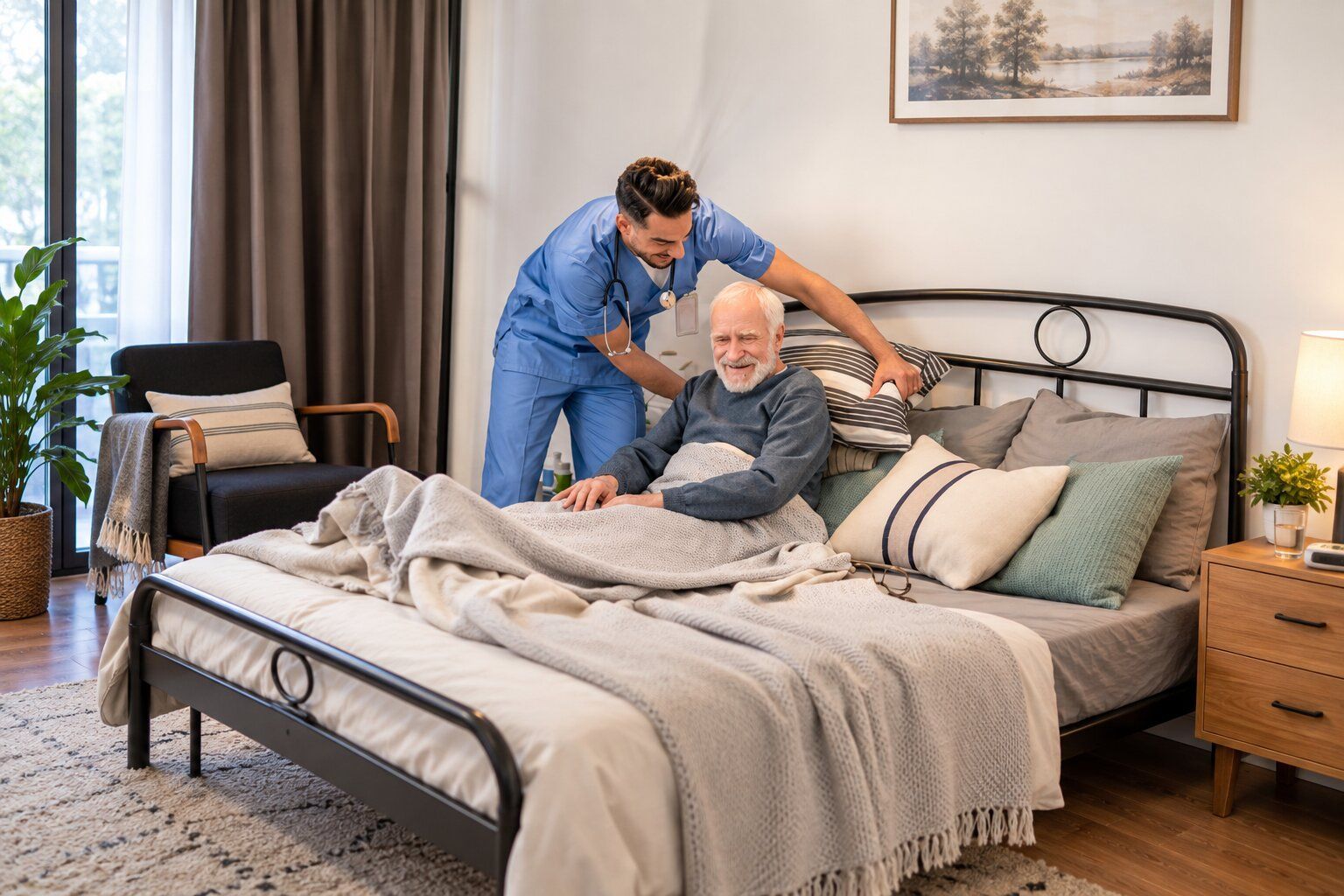
Home care is exactly what it sounds like: support delivered directly in your parent’s home. Instead of relocating, your parent continues living in a familiar environment while receiving help from a trained caregiver. That support can be light or extensive depending on the situation, ranging from a few hours a day to full-time or even
24-hour care.
In New York, home care agencies are licensed and regulated by the
New York State Department of Health, which sets standards for training, supervision, and operations. That structure matters more than most families realize. It means caregivers are certified, background-checked, and overseen within a system designed to maintain consistency and safety.
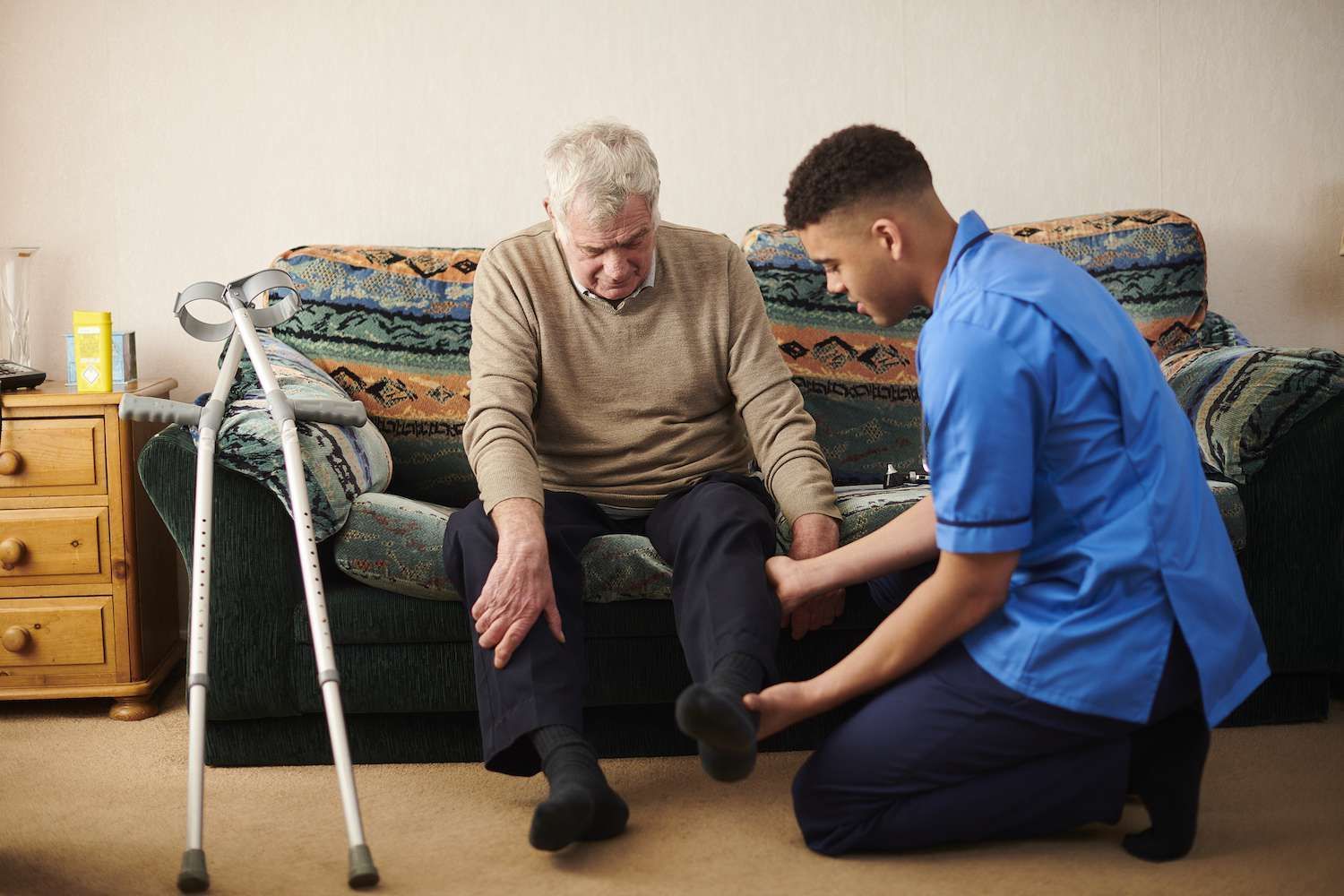
The actual care itself is non-medical. It focuses on helping with daily living—things like bathing, dressing, meal preparation, mobility, and companionship. These are the areas where most seniors begin to need support, and where home care can make a meaningful difference without disrupting everything else about their life.
Understanding Assisted Living
Assisted living is a completely different model. Instead of bringing care into the home, it brings the individual into a care environment. Your parent moves into a residential community where support is built into the structure of daily life.
These facilities are designed to provide consistency. Meals are prepared, staff is available throughout the day, and activities are scheduled. For some seniors, especially those who feel isolated or overwhelmed living alone, this environment can be a positive change.
At the same time, it’s important to be clear about what assisted living actually provides. It offers support, supervision, and community—but not continuous medical care. It’s not a hospital or a skilled nursing facility. Families sometimes assume a higher level of care than what is actually delivered, and that misunderstanding can lead to difficult decisions later on.
The Real Difference Most Families Underestimate
When families first start comparing options, they tend to focus on services, cost, and logistics. Those matter—but they’re not the defining factor.
The real difference is much simpler: staying home versus leaving home.
For a senior, home is more than a place to live. It’s where routines are built, where habits feel natural, and where there is a sense of control. Removing that environment, even for good reasons, is a major transition. It can affect mood, confidence, and overall well-being in ways that aren’t always obvious at the beginning.
That doesn’t mean assisted living is the wrong choice. In many cases, it becomes the right one. But it does mean that the emotional side of the decision carries just as much weight as the practical side—and it’s often the part families underestimate.
Cost in New York: What It Actually Looks Like
Cost is always part of the conversation, and in New York, it’s especially relevant.
Home care is typically priced hourly. In most parts of NYC and Long Island, families can expect rates in the range of $30 to $35 per hour, depending on the level of care and scheduling. The key advantage is flexibility. You pay for what you need, and that need can change over time.
Assisted living works differently. It is usually a fixed monthly cost, often ranging from $6,500 to $14,000 or more depending on the facility and location. That cost generally includes housing, meals, and basic support, but additional services can increase the total.
What this means in practice is that home care is often more efficient early on, when care needs are still moderate. As needs increase, the cost gap can narrow. That’s one reason many families begin with home care and reassess later, rather than making a permanent move too early.
A New York Factor That Changes Everything: CDPAP
There is one factor that makes New York different from many other states, and it has a major impact on this decision.
The Consumer Directed Personal Assistance Program allows eligible individuals to choose their own caregiver, and in some cases, even a family member. When qualified, Medicaid can cover the cost.
For families who are eligible, this changes the entire equation. It can make home care not just a flexible option, but a financially viable long-term solution. It also allows care to come from someone the individual already knows and trusts, which can significantly improve comfort and consistency.
Not every family qualifies, but for those who do, it’s often the reason home care becomes the clear first step.

What Daily Life Actually Feels Like
One of the simplest ways to understand the difference between these two options is to picture a normal day.
With home care, very little changes on the surface. Your parent wakes up in their own bed, eats what they’re used to eating, and moves through the day in a familiar way. The caregiver supports that routine rather than replacing it.
With assisted living, the structure is different. Meals happen at set times. Activities are scheduled. Living spaces are shared. For some people, that structure is helpful and even comforting. For others, it can feel restrictive.
Neither model is universally better—it depends on the person. But the day-to-day experience is very different, and that difference becomes more important over time than most families initially expect.
Attention and Responsiveness
Another practical difference comes down to how care is delivered.
Home care is one-on-one. The caregiver’s attention is focused entirely on your parent. That allows for faster response times and a more personalized approach.
In assisted living, staff members are responsible for multiple residents. Care is still available, but it is shared. That can mean waiting for assistance or receiving more generalized support depending on the situation.
For seniors who need closer supervision or more consistent attention, this distinction becomes especially important.
Social Interaction: A Trade-Off, Not a Guarantee
Social interaction is often cited as a major advantage of assisted living, and in many cases, that’s true. There are built-in opportunities to engage with others, participate in activities, and be part of a community.
At home, social interaction depends more on external factors—family visits, friends, and the caregiver relationship.
But this is not always a simple trade-off. Some seniors prefer quieter, more private environments and find large group settings overwhelming. Others thrive in them. The right answer depends entirely on personality, not just circumstance.
What Most Families Actually Do
In reality, most families don’t make a single, permanent decision. They move in stages.
They start with home care to stabilize the situation and understand what’s really needed. They adjust the level of care over time. And only if those needs exceed what can reasonably be managed at home do they begin seriously considering assisted living.
This approach allows for better decisions because it removes urgency. Instead of guessing what might be needed in the future, families respond to what is actually happening in the present.
A Practical Way to Think About the Decision
If you’re trying to decide what to do next, a helpful way to frame it is this:
If your parent can remain safe at home with the right level of support, home care is usually the best place to start. It preserves independence, avoids unnecessary disruption, and keeps future options open.
If safety, supervision, or care complexity goes beyond what can realistically be managed at home, then assisted living becomes the more appropriate next step.
Speaking With Someone Who Understands Both Options
This is not an easy decision, and it’s not one most families feel fully prepared to make.
The best next step is not to guess—it’s to speak with someone who understands how these options play out in real situations.
7 Day Home Care works with families across New York to help them think through this decision clearly and practically.
📞
516-408-0034
🌐
www.7dayhomecare.com
A conversation can help you understand:
- What level of care is actually needed
- What your options realistically look like
- What makes the most sense right now
Important Disclaimer
We provide non-medical home care services only.
We do not provide medical diagnosis, treatment, or skilled nursing services.