How Home Care Reduces Loneliness in Bedridden Seniors in New York
How Home Care Reduces Loneliness in Bedridden Seniors in New York

Quick Answer: Home care reduces loneliness in bedridden seniors by providing consistent daily companionship, structured routines, and trusted human connection — proven factors that improve mood, cognition, and overall quality of life.
At a Glance: Trusted Senior Home Care Across NYC and Long Island
7 Day Home Care provides certified, non-medical home care services for seniors throughout
Queens, Brooklyn, Manhattan, Nassau County, and Suffolk County. Care is available hourly, overnight, live-in, or 24-hour — structured around each family's schedule and each senior's needs.
All caregivers are
certified Home Health Aides (HHAs) through the New York State Department of Health and work under registered nurse (RN) supervision.
Families searching "home care near me" are rarely just looking for task assistance. They are looking for someone who will ensure their loved one is not alone.
Why Loneliness Is a Serious Medical Risk for Bedridden Seniors
Loneliness is not a feeling to push through — it is a documented health hazard. For bedridden seniors who spend most of their day in one room without consistent human interaction, the effects are measurable and serious.
Research from the National Institute on Aging links chronic social isolation in older adults to:
- Elevated risk of cognitive decline and dementia
- Higher rates of depression and anxiety
- Disrupted sleep and reduced appetite
- Weakened immune response
- Increased risk of early mortality
For seniors already managing mobility limitations, these compounding risks are not abstract. They are daily realities.
Across New York City, families work hard to keep aging parents and grandparents safe. Medications are managed, homes are adapted, and medical appointments are kept. But even in the most attentive households, there are long stretches of the day when a senior is simply alone. Over time, that isolation accumulates.
What makes loneliness particularly difficult to address is that it often goes unspoken. A senior may not say they feel isolated. Instead, they stop participating in conversation, lose interest in meals, or become quieter than usual. These are the early signals — and they matter.
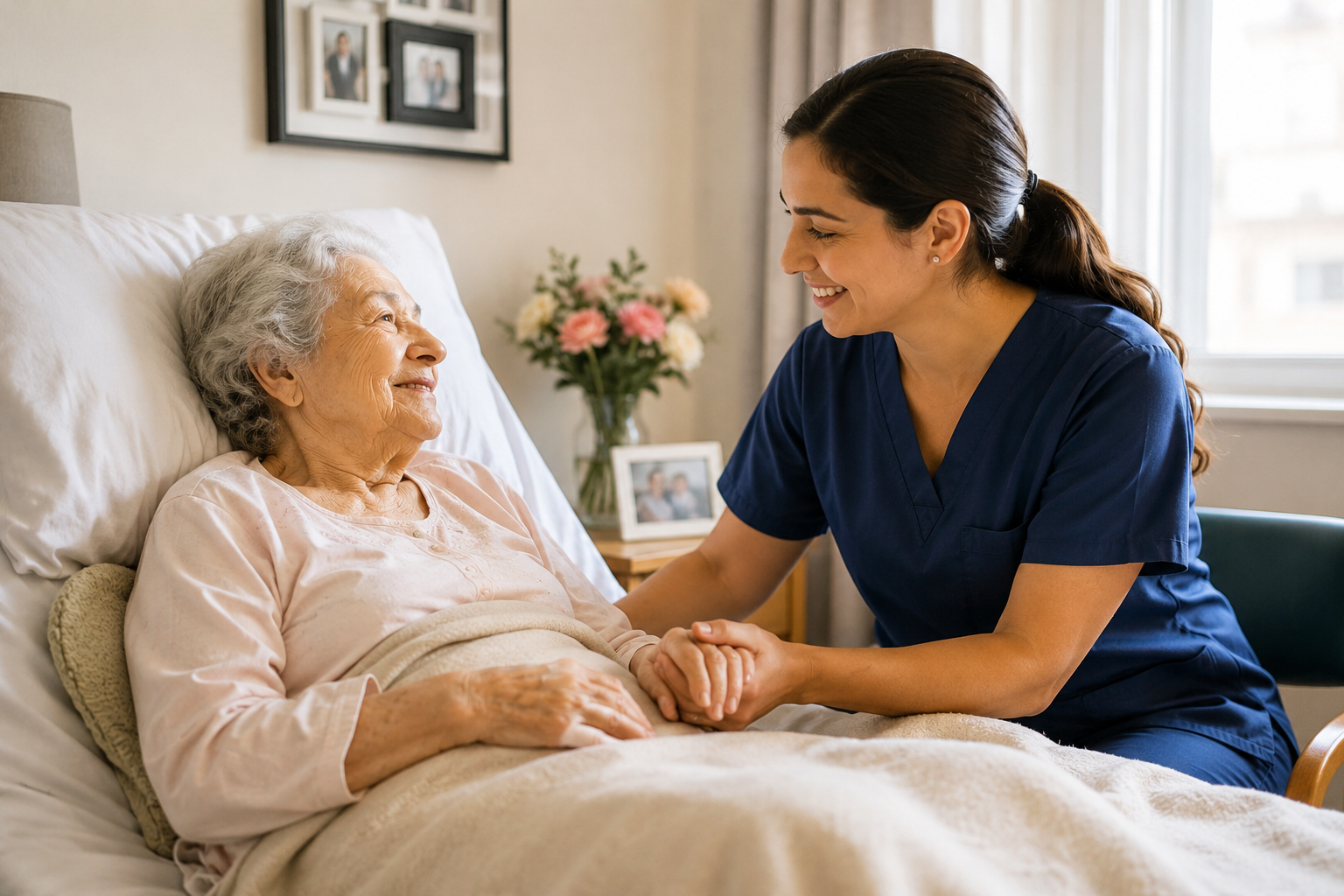
What Daily Life Looks Like for a Bedridden Senior
When mobility is significantly limited, a senior's world can change almost overnight. The small rhythms that once gave structure to a day — a walk outside, a conversation with a neighbor, an errand to the store — disappear.
Seniors in communities across Forest Hills, Great Neck, and the Upper East Side who were once active and independent may now spend nearly all their time in a single room. Without meaningful interaction, days become indistinguishable. The hours pass slowly. The world feels smaller.
For families, this is often the most painful part. Even when they visit regularly, they cannot be present every hour. Practical care — medications, meals, hygiene — can be managed. But emotional connection requires time and consistency that most families, despite their best intentions, cannot always provide alone.
This gap between physical care and human connection is exactly where professional home care becomes essential.
How Home Care Restores Connection and Routine
The most immediate impact of in-home care is straightforward: a person shows up.
When a caregiver arrives at the same time each morning, greets a senior by name, and engages genuinely — not hurriedly — it establishes something profound:
a predictable, human presence. That consistency is the foundation of recovery from isolation.
Over time, seniors respond to this routine. Engagement increases. Conversation returns. Appetite often improves. Families frequently report that their loved one begins to feel more like themselves again.
This is not the result of clinical intervention. It is the result of presence — someone who listens, notices, and genuinely cares about what is happening in that person's day.
Families exploring home care in Queens, NY or home care in Brooklyn, NY often find that emotional improvement is among the first benefits they observe, sometimes before any other change.
The Role of Companionship in Cognitive and Emotional Health
Human interaction is not simply comforting — it is cognitively necessary.
Regular conversation provides mental stimulation that helps keep memory, language, and reasoning active. For seniors who are bedridden, this stimulation becomes even more critical because physical activity — another major driver of cognitive health — is limited.
Without consistent interaction, the decline is gradual but observable. Seniors speak less, respond more slowly, show less interest in food, television, or family news. The inner world contracts.
Non-medical home care cannot reverse underlying conditions. But consistent, engaged companionship supports emotional equilibrium and provides the kind of daily stimulation that helps maintain cognitive function over time.
These interactions do not need to be elaborate. A conversation about the morning news, help finishing a meal together, or watching a favorite program side by side can restore a meaningful sense of normalcy.
Dementia Care and the Loneliness Factor
For seniors living with Alzheimer's disease or other forms of dementia, loneliness often presents differently — not as expressed sadness, but as increased agitation, restlessness, or confusion.
Caregivers with dementia-specific training understand that these behaviors are often communication. Rather than correcting disorientation or confronting memory gaps, trained caregivers focus on
calm, consistent environments that reduce anxiety and reinforce safety.
Familiar objects, preferred music, established daily rhythms, and patient reassurance are tools that make a measurable difference — not just in behavior, but in a senior's felt sense of security and belonging.
This approach allows seniors with dementia to feel emotionally held, even when verbal communication is limited or unreliable.
Why Caregiver Consistency Is Critical
Not all home care is equal. The consistency of the caregiver relationship is one of the most clinically significant factors in reducing isolation.
When a senior sees the same caregiver regularly, trust develops. The caregiver learns preferences, routines, and personality. Care becomes less transactional and more genuinely personal. The senior no longer has to explain themselves each day to a new face.
For families, this consistency is also a source of real relief. Knowing that someone who truly understands their loved one is present — and invested — changes the nature of caregiving from a worry to a partnership.
7 Day Home Care prioritizes continuity of caregiver assignment whenever possible.
Hyperlocal Home Care That Keeps Seniors Connected to Their Community
Local care matters more than families often realize.
Caregivers who are familiar with a neighborhood, who know which local pharmacy to call, who understand the rhythms of a specific community — they provide a layer of connection that extends beyond the walls of a senior's room.
7 Day Home Care serves families near major hospitals across the region, including:
- NYU Langone Hospital – Long Island
- North Shore University Hospital
- Mount Sinai Hospital
Service areas include:
- Home care — Forest Hills, NY
- Home care — Great Neck, NY
- Home care — Manhasset, NY
- Home care — Garden City, NY
- Home care — Bayside, NY
- Home care — Old Westbury, NY
- Home care — Garden City, NY
- Home care — Greenwich Village, NY
- Home care — Upper East Side, NY
- Home care — Park Slope, NY
- Home care — Brooklyn Heights, NY
- Home care — Upper West Side, NY
Warning Signs That a Senior May Need Additional Support
Early intervention significantly improves outcomes. Families should consider home care when they begin to notice:
- Reduced participation in conversation or family interactions
- Changes in eating habits — skipping meals or reduced appetite
- Disrupted sleep patterns
- Withdrawal from previously enjoyed activities
- Increased confusion or disorientation (in seniors with or without a dementia diagnosis)
- Expressions of feeling useless, invisible, or like a burden
These changes often appear gradually. By the time they are obvious, isolation has already been at work for weeks or months. Acting early — before withdrawal becomes entrenched — is the single most effective strategy.
What Families Notice First After Care Begins
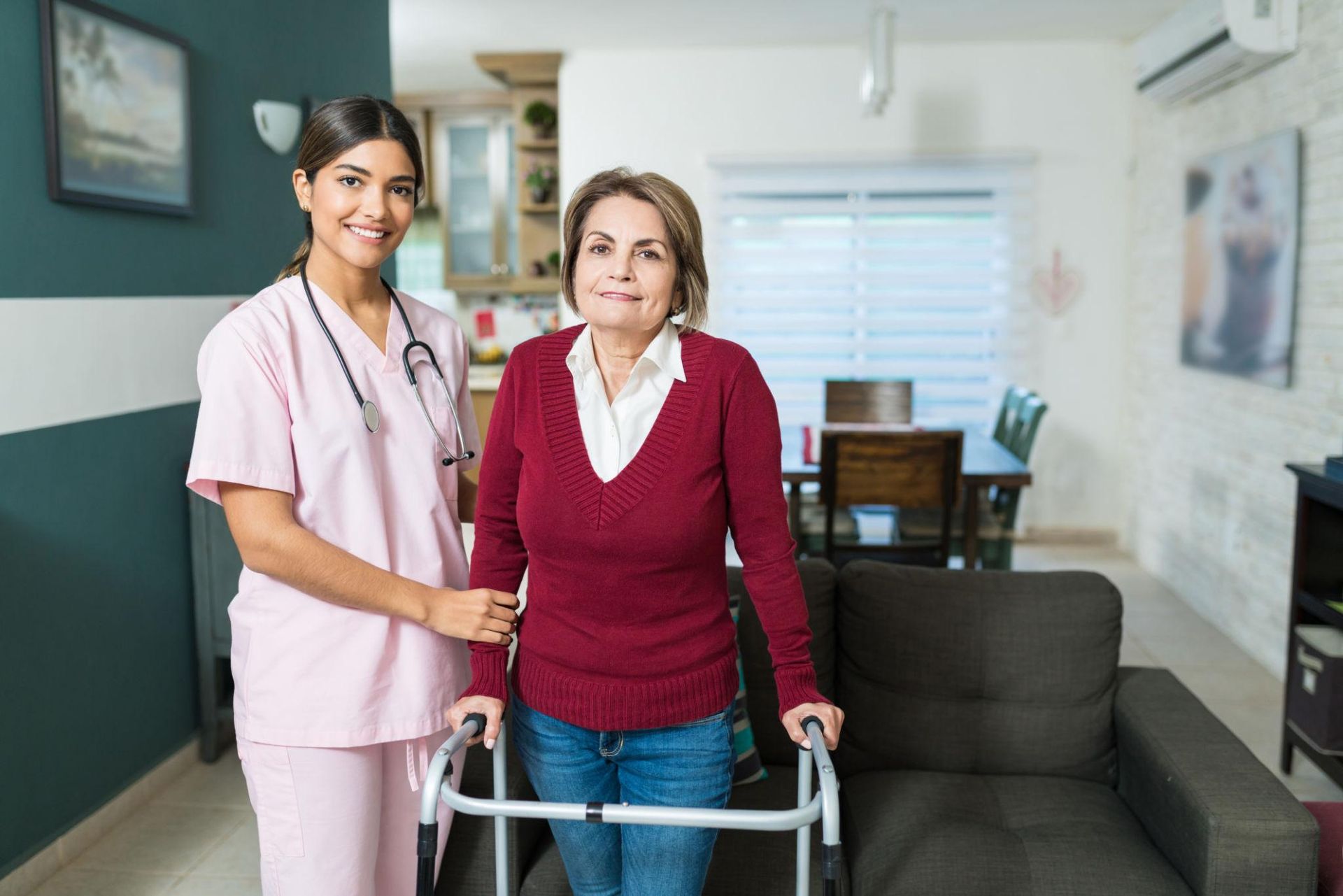
Families who begin home care for practical reasons — medication reminders, meal preparation, hygiene support — are often surprised by what changes first.
The practical tasks get handled. But what families notice most is that their loved one
is present again. More communicative. More engaged. Occasionally even laughing.
This shift builds over weeks, not days. As the caregiver becomes a trusted presence, the senior relaxes into the relationship. The isolation recedes.
Frequently Asked Questions
How does home care reduce loneliness in bedridden seniors? Home care provides consistent daily human presence, structured routines, and genuine companionship. These elements directly counter the isolation that causes loneliness — by replacing absence with engagement, and unpredictability with trust.
What is the difference between a home health aide and a nurse? A certified Home Health Aide (HHA) provides non-medical daily support: companionship, personal care, meal preparation, and light housekeeping. A registered nurse (RN) provides medical care, clinical assessment, and treatment. At 7 Day Home Care, aides work under RN supervision.
Can home care plans be customized for our schedule? Yes. Care plans are individualized to each family's schedule and each senior's specific needs. Hourly, overnight, live-in, and 24-hour care are all available.
How quickly can services begin? In most cases, services can begin within a few days of the initial consultation.
Does 7 Day Home Care serve seniors with dementia? Yes. Caregivers trained in dementia and Alzheimer's care are available across all service areas.
Is home care covered by insurance or Medicaid? Coverage depends on the individual plan. A care coordinator can help families understand their options during a free consultation.
Take the First Step
Reducing loneliness in a bedridden senior does not require a complex intervention. It requires a consistent, caring human presence — every day.
7 Day Home Care provides that presence across Queens, Brooklyn, Manhattan, Nassau County, and Suffolk County.
Call 516-408-0034 for a free consultation. Care coordinators are available to help you understand your options and build a plan around your family's needs.
Every Senior Deserves to Feel Connected
Home care is not just about assistance with daily tasks. It is about restoring what isolation takes away: dignity, engagement, and the sense that someone cares whether you had a good day.
For bedridden seniors in New York, that connection is not a luxury. It is a health necessity.
7 Day Home Care provides non-medical home care services. Caregivers do not diagnose, prescribe, or administer medical treatment. All care is supervised by registered nurses licensed in New York State.