Swollen Feet and Ankles in the Elderly: Causes, Warning Signs and Home Care
Swollen Feet and Ankles in the Elderly: Causes, Warning Signs and Home Care
Swollen feet and ankles in older adults are often caused by a buildup of fluid in the body's tissues, known as edema. Common causes include prolonged sitting, reduced mobility, poor venous circulation, medication side effects and underlying medical conditions such as heart, kidney or liver disease.
Although swelling is common among seniors, it should not automatically be considered a normal part of aging. New, unexplained, persistent or worsening swelling deserves medical attention, particularly when it affects only one leg or occurs alongside other symptoms.
Perhaps you have noticed that your mother's shoes no longer fit comfortably, your father's socks leave deep impressions around his ankles, or an aging parent is having more difficulty walking than usual.
These seemingly small changes can affect comfort, mobility, independence and the ability to manage everyday activities.
At
7 Day Home Care, a New York State Licensed Home Care Services Agency (LHCSA), our registered nurse-supervised home health aides assist older adults throughout New York City and Long Island with the daily challenges associated with reduced mobility, chronic health conditions and age-related care needs.
This guide explains what causes swollen feet and ankles in the elderly, when families should seek medical attention, and how professional home care can support daily living.
Swollen Feet and Ankles in Seniors: Key Takeaways
- Swelling caused by excess fluid in the tissues is called edema.
- Common causes include prolonged sitting, venous insufficiency, medication side effects and certain chronic medical conditions.
- Sudden or unexplained swelling in one leg requires urgent medical evaluation because it may indicate a blood clot.
- Swelling accompanied by new breathing difficulties, chest pain, coughing up blood or fainting requires immediate emergency medical attention.
- Treatment depends on the underlying cause. Compression stockings, fluid restrictions and medication changes should not be initiated independently.
- Professional home care can support prescribed daily routines, personal care, mobility assistance, skin care and observation of changes in condition.
What Is Edema in Older Adults?
Edema is the medical term for swelling caused by excess fluid accumulating in the body's tissues. When it affects the feet, ankles, legs or other extremities, it is commonly known as peripheral edema.
Gravity can make swelling particularly noticeable in the lower legs, especially among people who spend extended periods sitting or standing.
According to MedlinePlus, a resource of the U.S. National Library of Medicine, swelling of the feet and ankles is particularly common among older adults.
Edema is a symptom rather than a disease itself. Identifying the underlying cause is important for determining appropriate treatment.
What does edema look like?
Families may notice:
- Puffy or enlarged feet, ankles or lower legs
- Shoes that become increasingly difficult to put on
- Deep impressions from socks
- Tight, stretched or shiny-looking skin
- A sensation of heaviness or stiffness in the legs
- Changes in skin color
- Reduced comfort when standing or walking
Some people experience swelling that becomes more noticeable throughout the day and improves after resting overnight. However, this pattern alone does not establish the cause or rule out a medical condition.
What is pitting edema?
Pitting edema occurs when pressure applied to swollen tissue leaves a temporary indentation in the skin.
It can occur with several medical conditions, including venous insufficiency and heart failure. Some forms of edema do not leave an indentation.
Families should report noticeable skin changes to a healthcare professional rather than attempting to diagnose the underlying condition themselves.
When Are Swollen Feet and Ankles in the Elderly Dangerous?
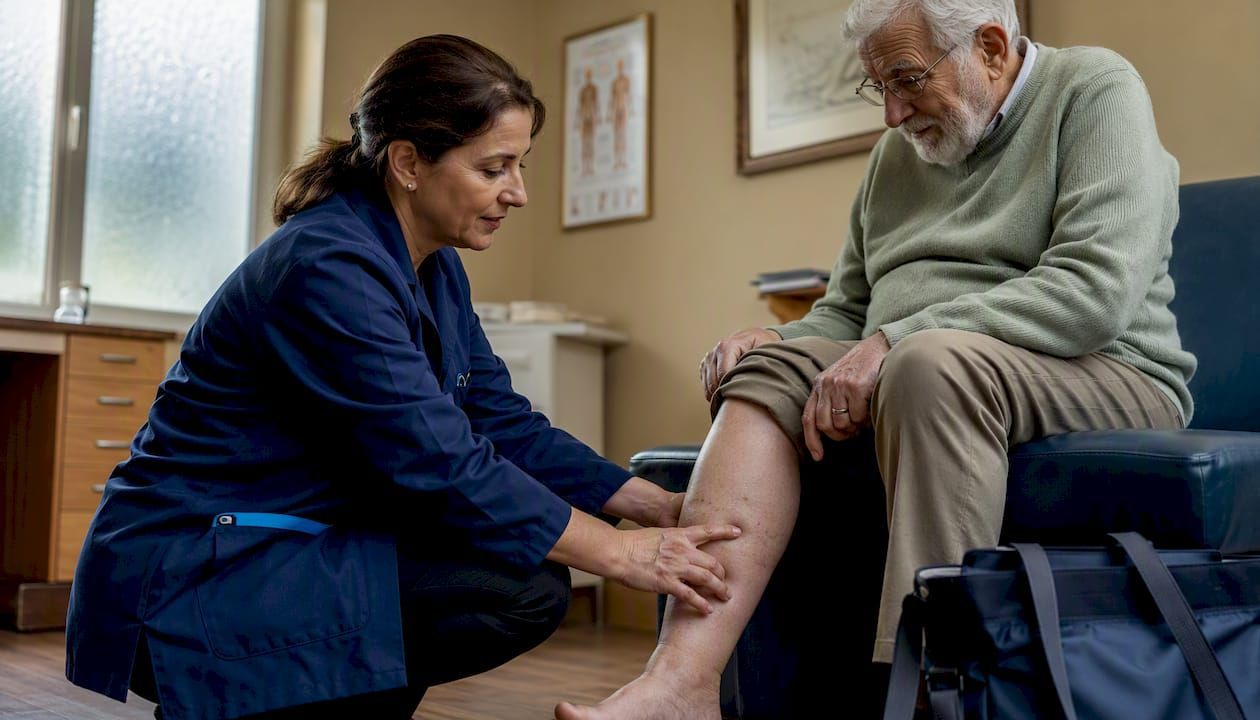
Swollen feet and ankles may be concerning when swelling develops suddenly, affects one leg without an obvious explanation, becomes painful, is accompanied by skin changes or occurs alongside breathing difficulties or chest pain.
The urgency depends on the symptoms, their severity and the person's medical history.
When to call 911
Call 911 immediately if an older adult experiences swelling accompanied by any of the following emergency warning signs:
- New or sudden shortness of breath or difficulty breathing
- Chest pain, pressure or tightness
- Coughing up blood
- Fainting or loss of consciousness
- Sudden severe confusion or weakness
These symptoms may indicate a serious medical emergency, including a pulmonary embolism, a cardiovascular emergency or another potentially life-threatening condition.
Do not wait for symptoms to improve or for a home care nurse or family member to arrive before contacting emergency medical services.
When to seek urgent, same-day medical evaluation
Seek urgent medical evaluation if:
- One foot, ankle or leg develops new or unexplained swelling, even without pain.
- Swelling appears suddenly or rapidly increases.
- The affected area becomes unusually warm, painful or discolored.
- Swelling occurs alongside fever or chills.
- A senior with diabetes develops new foot swelling, redness, a blister or a wound.
- Fluid begins leaking through the skin.
- A person with heart, kidney or liver disease experiences new or worsening swelling.
- Unexpected weight gain occurs over a short period, particularly in someone with heart failure.
If prompt medical assessment is unavailable, seek emergency department evaluation when symptoms could indicate a blood clot or another serious condition.
When to contact the regular healthcare provider
Contact the person's healthcare provider about:
- Persistent swelling affecting both feet or ankles
- Recurrent swelling without a known cause
- Gradually worsening swelling
- Increasing difficulty wearing shoes or walking comfortably
- Swelling that begins after a medication change
Previously evaluated, stable swelling may be managed according to an established medical plan. New or changing symptoms should not simply be attributed to aging.
When Should You Seek Medical Help?
- Breathing problems, chest pain, or coughing up blood: Call 911 immediately.
- Sudden swelling in one leg: Seek urgent medical attention.
- Swelling with fever, redness, warmth, or pain: See a doctor the same day.
- Foot swelling or wounds in seniors with diabetes: Get medical attention promptly.
- Rapid weight gain with increasing swelling: Contact your healthcare provider.
- Swelling in both legs that persists or worsens: Schedule a medical checkup.
- Stable swelling already evaluated by a doctor: Follow your existing care plan.
What Causes Swollen Feet and Ankles in the Elderly?
Swelling in older adults can result from circulation problems, reduced movement, medications, injuries or underlying medical conditions. More than one factor may contribute at the same time.
The following are common possible causes of lower-leg swelling.
1. Prolonged sitting and reduced mobility
The muscles in the lower legs help return blood toward the heart during movement.
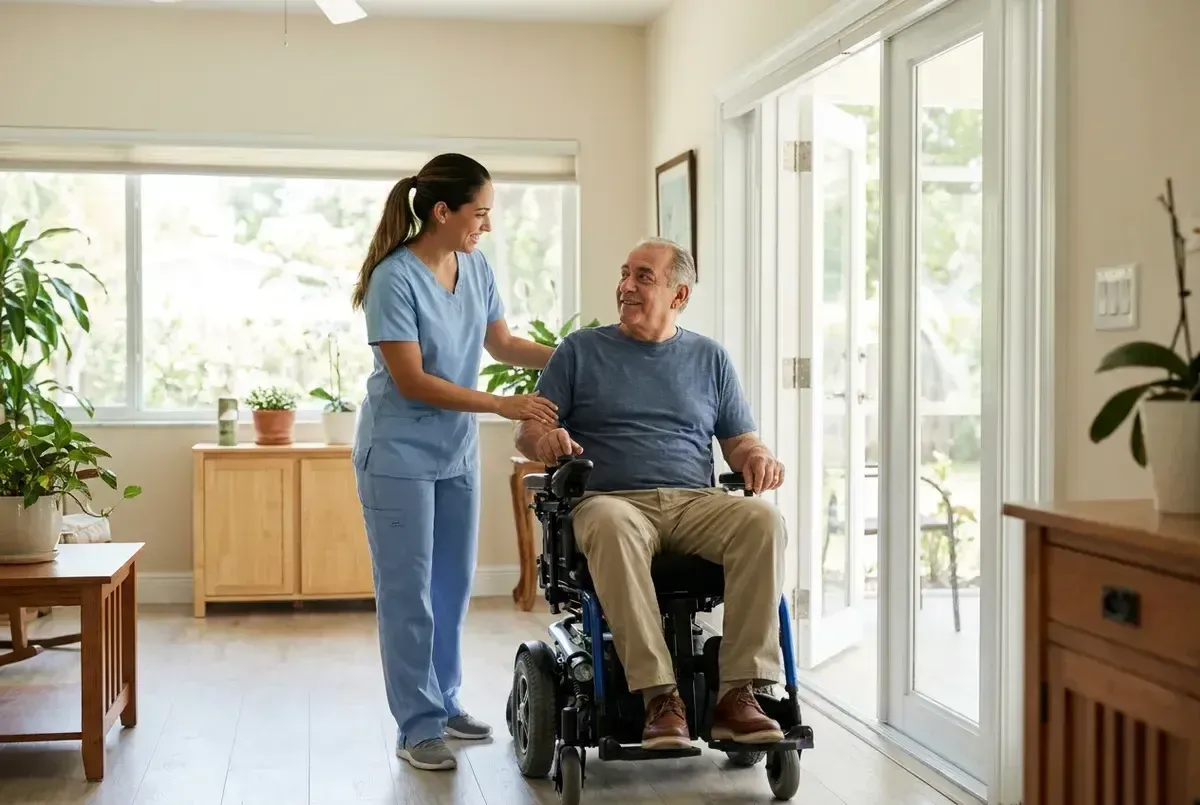
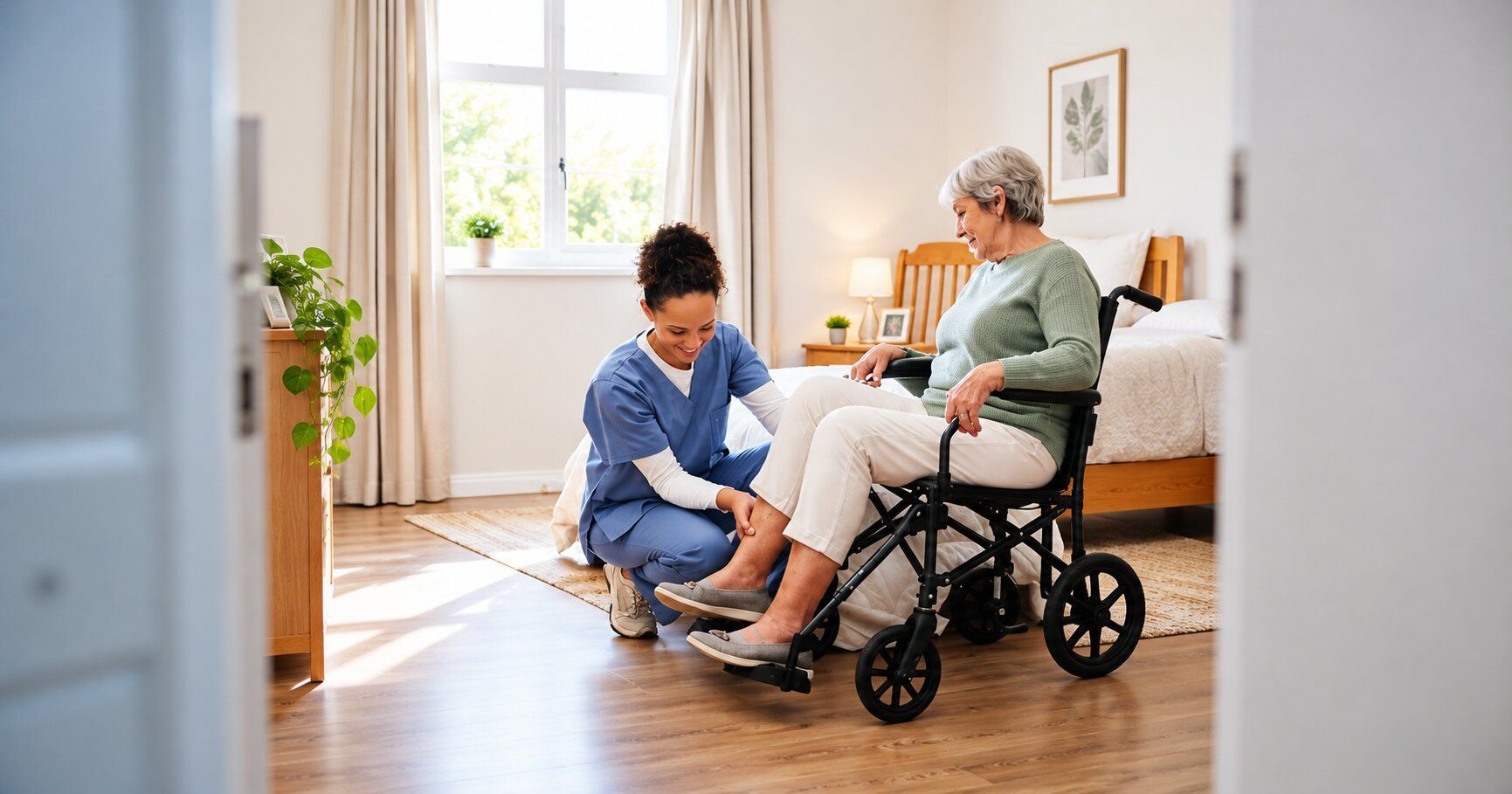
An older adult who spends much of the day sitting in a recliner, wheelchair or bed may experience fluid accumulation in the lower extremities.
Reduced mobility may contribute to swelling in seniors who:
- Have difficulty walking independently
- Experience arthritis or joint pain
- Are recovering from hospitalization
- Use a wheelchair
- Have neurological or physical limitations
For families caring for someone with limited mobility, our guide to
in-home care for seniors who use wheelchairs explains how daily assistance can support comfort and independence.
2. Chronic venous insufficiency
Chronic venous insufficiency occurs when veins in the legs have difficulty returning blood toward the heart.
Normally, valves inside the veins help maintain blood flow in the appropriate direction. When these valves do not function effectively, blood may accumulate in the lower legs, contributing to swelling and discomfort.
Associated changes may include:
- Varicose veins
- Aching or heaviness in the legs
- Skin discoloration around the ankles
- Persistent swelling
- Skin irritation or breakdown
- Slow-healing leg ulcers
Persistent skin changes or wounds require professional medical assessment.
Families can learn more in our article about
why a senior's leg ulcer may not be healing.
3. Medication side effects
Certain prescription and over-the-counter medications can contribute to swelling.
Examples include:
- Certain calcium channel blockers used to treat high blood pressure, such as amlodipine
- Some anti-inflammatory pain medications
- Corticosteroids
- Certain diabetes medications
- Hormonal medications
- Some antidepressants
Medication-related swelling may become noticeable after starting a new medication or changing a dose.
Families should maintain an updated medication list and discuss possible side effects with the prescribing healthcare professional or pharmacist.
Never discontinue, adjust or replace a prescribed medication without appropriate medical guidance.
4. Heart failure
Heart failure can cause fluid to accumulate in the lower extremities when the heart cannot adequately meet the body's circulatory needs.
Swelling associated with heart failure may occur alongside other symptoms, including increased fatigue, reduced activity tolerance, breathing difficulties and unexpected weight gain.
The
American Heart Association's guidance on heart failure symptoms identifies fluid accumulation and unexpected weight changes as important signs to monitor.
Swelling alone does not establish that someone has heart failure.
Older adults who have already been diagnosed with heart failure should follow their healthcare team's instructions regarding symptom reporting, medications, weight monitoring and fluid intake.
Our guide to
home care for seniors with congestive heart failure discusses the practical support families may need at home.
5. Kidney disease
The kidneys play an important role in controlling fluid and electrolyte balance.
Certain kidney conditions can interfere with the body's ability to maintain that balance, contributing to swelling in the feet, ankles, legs or other areas.
Care recommendations vary depending on kidney function, medications and other medical conditions.
For older adults with chronic kidney disease, dietary and fluid recommendations should be individualized by qualified healthcare professionals.
Our guide to a
kidney-friendly diet for seniors with chronic kidney disease provides additional educational information.
6. Liver disease
Certain advanced liver conditions can interfere with normal fluid regulation and contribute to swelling in the legs or abdomen.
An older adult with known liver disease who develops new swelling should contact their healthcare provider promptly.
7. Deep vein thrombosis
Deep vein thrombosis (DVT) is a blood clot that forms in a deep vein, frequently in the leg.
Possible signs include new swelling, tenderness, discomfort, warmth and changes in skin color. Some people experience few or no noticeable symptoms.
A DVT can become life-threatening if part of the clot travels to the lungs, causing a pulmonary embolism.
The National Heart, Lung, and Blood Institute provides additional information about DVT and its complications.
Sudden or unexplained swelling affecting one leg requires urgent medical evaluation.
Do not massage an unexplained swollen leg or delay medical assessment while attempting home remedies.
8. Lymphedema
Lymphedema is swelling related to impaired drainage through the lymphatic system.
It may develop following certain surgeries, cancer treatments, infections or other conditions affecting lymphatic function.
Swelling can involve one or both legs and may become persistent. Some individuals also experience changes in skin texture or thickness.
Management may involve specialized compression therapy, skin care, exercise or treatment provided by appropriately trained healthcare professionals.
Professional home caregivers can assist with authorized daily routines established by the person's medical team.
9. Injury or infection
A fall, sprain, fracture, skin injury or infection can cause swelling in an older adult's foot, ankle or leg.
Cellulitis, a bacterial skin infection, may cause swelling along with warmth, tenderness, changes in skin color or fever.
Older adults with diabetes or reduced sensation may not immediately notice an injury or developing foot infection.
New swelling associated with an injury, wound or possible infection should receive prompt medical attention.
10. Other contributing factors
Additional factors that may contribute to or aggravate swelling include:
- Extended travel
- Prolonged standing
- Hot weather
- Excess sodium intake in some individuals
- Obesity
- Certain thyroid disorders
- Reduced physical activity
The cause cannot reliably be determined from appearance alone. A healthcare professional may need to review the person's medical history, medications and symptoms and perform appropriate testing.
Why Is One Leg Swollen but Not the Other?
Swelling affecting only one leg may be associated with a localized problem such as a blood clot, infection, injury, venous insufficiency or lymphedema. New or unexplained swelling affecting one leg requires urgent assessment, even if it is painless.
Swelling in both legs may occur with reduced mobility, medications, chronic venous disease, heart failure, kidney disease or other systemic conditions.
However, these patterns can overlap.
Common Swelling Patterns and Possible Causes
- Swelling in one leg: May be caused by a blood clot, infection, or injury.
- Long-lasting swelling in one leg: May be related to poor blood circulation or lymphedema.
- Swelling in both feet and ankles: May be caused by limited movement, medications, or vein problems.
- Swelling in both legs with other symptoms: May be linked to heart, kidney, or liver problems.
- Swelling with skin changes: May be related to vein problems or other long-term conditions.
These are possible causes, not a diagnosis. Swelling should always be assessed by a healthcare professional when necessary.
Why Are an Elderly Person's Ankles More Swollen at Night?
An older adult's ankles may become more swollen toward the end of the day because fluid accumulates in the lower legs during extended periods of sitting or standing.
Resting overnight may reduce gravity-related fluid accumulation in some individuals.
However, swelling that improves overnight is not necessarily harmless. Persistent, new or worsening swelling should be discussed with a healthcare professional, particularly when the person has other medical conditions.
How Can Families Help an Older Adult With Swollen Feet and Ankles at Home?
Once a healthcare professional has assessed the swelling and established an appropriate medical plan, families can help their loved one follow recommended daily routines.
The following measures may support comfort, mobility and skin health when medically appropriate.
Elevate the legs as recommended
Leg elevation may help reduce swelling associated with certain conditions.
Pillows, appropriate seating arrangements or positioning equipment may help an older adult rest comfortably.
Ask the healthcare team about the appropriate position, duration and frequency of elevation. The recommendations may differ for people with circulation problems, breathing difficulties or other medical conditions.
Encourage medically approved movement
Appropriate physical activity can support mobility and circulation in some individuals.
Depending on the person's medical recommendations and physical abilities, activities might include:
- Short, assisted walks
- Gentle seated ankle movements
- Regular changes in position
- Exercises recommended by a physical therapist
New or unexplained swelling should be medically evaluated before attempting an exercise routine intended to address it.
Choose appropriate footwear
Swollen feet can make ordinary shoes uncomfortable or difficult to wear.
Supportive, properly fitted footwear with adequate room and secure, nonslip soles may help improve comfort and stability.
Avoid footwear that creates pressure points or increases the risk of tripping.
An older adult with diabetes, reduced sensation, persistent swelling or circulation problems may benefit from professional footwear or podiatric guidance.
Follow professional recommendations about compression stockings
Compression stockings may be helpful for certain causes of edema, including chronic venous insufficiency.
However, they are not appropriate for everyone.
People with certain circulation problems, particularly peripheral arterial disease, may require additional assessment before compression is recommended.
Compression garments should be selected, fitted and used according to appropriate medical guidance.
Home health aides may assist with permitted compression garment routines when included in the RN-supervised plan of care.
The
American Academy of Family Physicians' clinical review of peripheral edema explains why identifying the underlying cause and assessing circulation are important when considering compression therapy.
Follow individualized dietary and fluid recommendations
Some seniors may receive recommendations to reduce sodium intake or adjust their fluid consumption.
A caregiver or family member can help prepare meals that follow the established dietary plan.
However, drinking additional water, restricting fluids or eliminating particular foods is not an appropriate universal treatment for swollen feet.
Individuals with heart or kidney disease may have specific dietary and hydration requirements that should be determined by their healthcare professionals.
Maintain careful skin and foot care
Persistent swelling can place additional stress on the skin.
Daily routines may include:
- Gentle cleansing with appropriate water temperature
- Thorough drying, including between the toes
- Moisturizing dry, intact skin as recommended
- Observing for blisters, cracks, sores or changes in skin color
- Avoiding unnecessary pressure or friction
Unless specifically directed otherwise, moisturizer should not be applied between the toes.
The CDC's guidance on diabetes and foot care emphasizes regular observation, appropriate footwear and careful hygiene.
Families should promptly report new wounds or concerning skin changes rather than attempting to treat them independently.
Track changes according to the medical care plan
Healthcare professionals may recommend documenting swelling, weight or other symptoms.
For individuals with heart failure, daily weight measurements may be part of the prescribed monitoring routine.
Families should ask the healthcare team which changes need immediate reporting and what individualized thresholds apply.
Photographs may sometimes help document changes when appropriate consent and privacy safeguards are in place. Documentation should never delay medical evaluation.
Reduce household fall risks
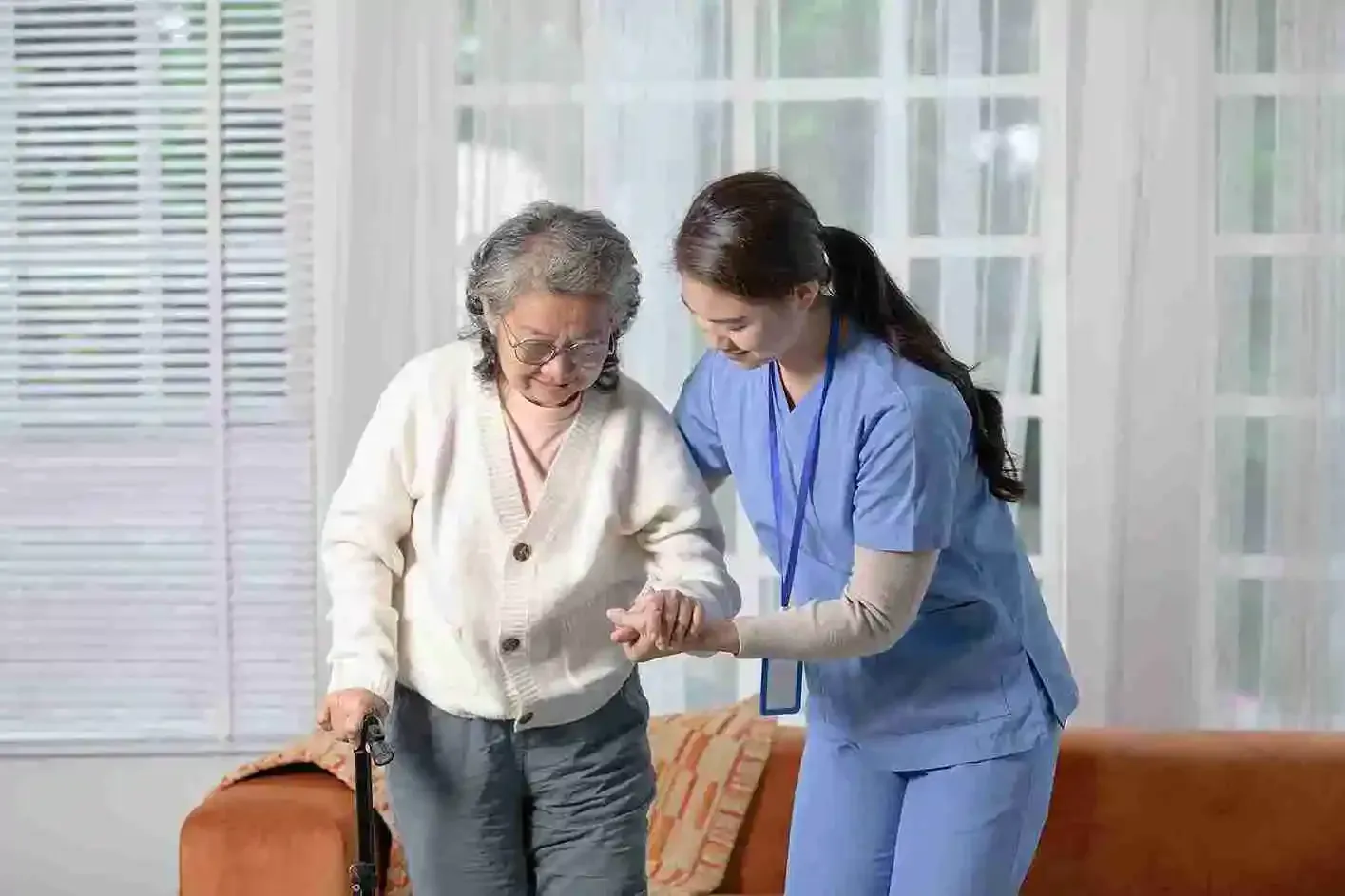
Swollen, uncomfortable or heavy legs may make walking and transferring more difficult.
Practical household adjustments include improving lighting, clearing pathways, removing loose rugs and arranging frequently used items within easy reach.
Appropriate bathroom safety equipment and mobility devices may also be helpful when recommended.
Our guide to how in-home care helps reduce fall risk for seniors explains additional safety considerations.
What Should Seniors Avoid When Their Feet and Ankles Are Swollen?
Without appropriate medical guidance, older adults should avoid attempting to treat unexplained swelling with medications, supplements, compression devices or aggressive home remedies.
Important precautions include:
- Do not stop or adjust prescription medications independently.
- Do not take additional diuretics, commonly called water pills, without medical instructions.
- Do not begin compression therapy without appropriate assessment.
- Do not massage a newly swollen leg when a blood clot has not been ruled out.
- Do not independently increase or restrict fluid intake.
- Do not puncture blisters or attempt to drain accumulated fluid.
- Do not ignore wounds, leaking skin, significant pain or rapid changes in swelling.
- Do not delay medical evaluation because swelling temporarily improves.
Treatment should address the underlying cause rather than simply attempting to make the swelling disappear.
Why Swollen Feet and Ankles Can Make Independent Living More Difficult
For an older adult, persistent swelling can affect much more than physical appearance.
Everyday tasks that once required little effort may become increasingly difficult.
For example, putting on socks may require bending that is uncomfortable or physically impossible. A favorite pair of shoes may no longer fit. Getting into the shower may feel less stable. Preparing a meal may require standing for longer than the person can comfortably tolerate.
There are also practical challenges that families may not immediately recognize:
- A senior may be unable to see or reach the bottoms of their feet.
- Compression garments may be difficult to put on without assistance.
- Someone living alone may spend extended periods sitting because they are afraid of falling.
- Medication-related concerns may go unreported between appointments.
- An older adult may struggle to prepare meals that follow prescribed dietary recommendations.
- Family members may not be available to observe changes consistently.
These challenges are particularly important when edema occurs alongside arthritis, heart disease, diabetes, dementia or reduced mobility.
The appropriate level of assistance depends on the individual's functional abilities rather than the diagnosis alone.
How Can Home Care Help Seniors With Swollen Feet and Ankles?
Professional home care can assist older adults with edema by supporting personal hygiene, safe mobility, prescribed positioning routines, appropriate meal preparation, medication reminders and timely reporting of changes.
At ₹, certified home health aides provide assistance according to an individualized plan of care developed and supervised by a registered nurse.
1. Assistance with daily positioning and movement
A home health aide can help a senior change positions, get comfortable and follow medically recommended leg elevation routines.
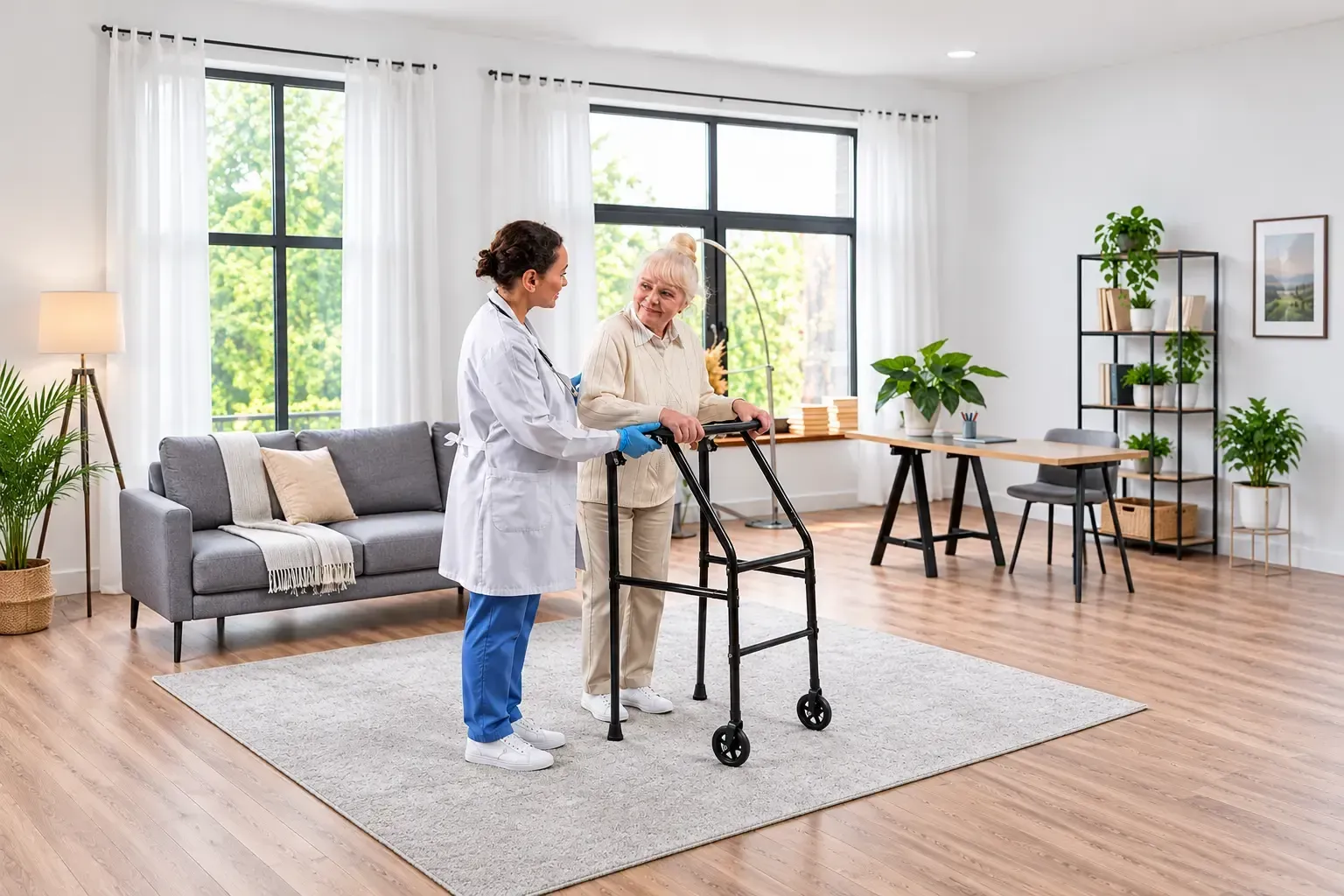
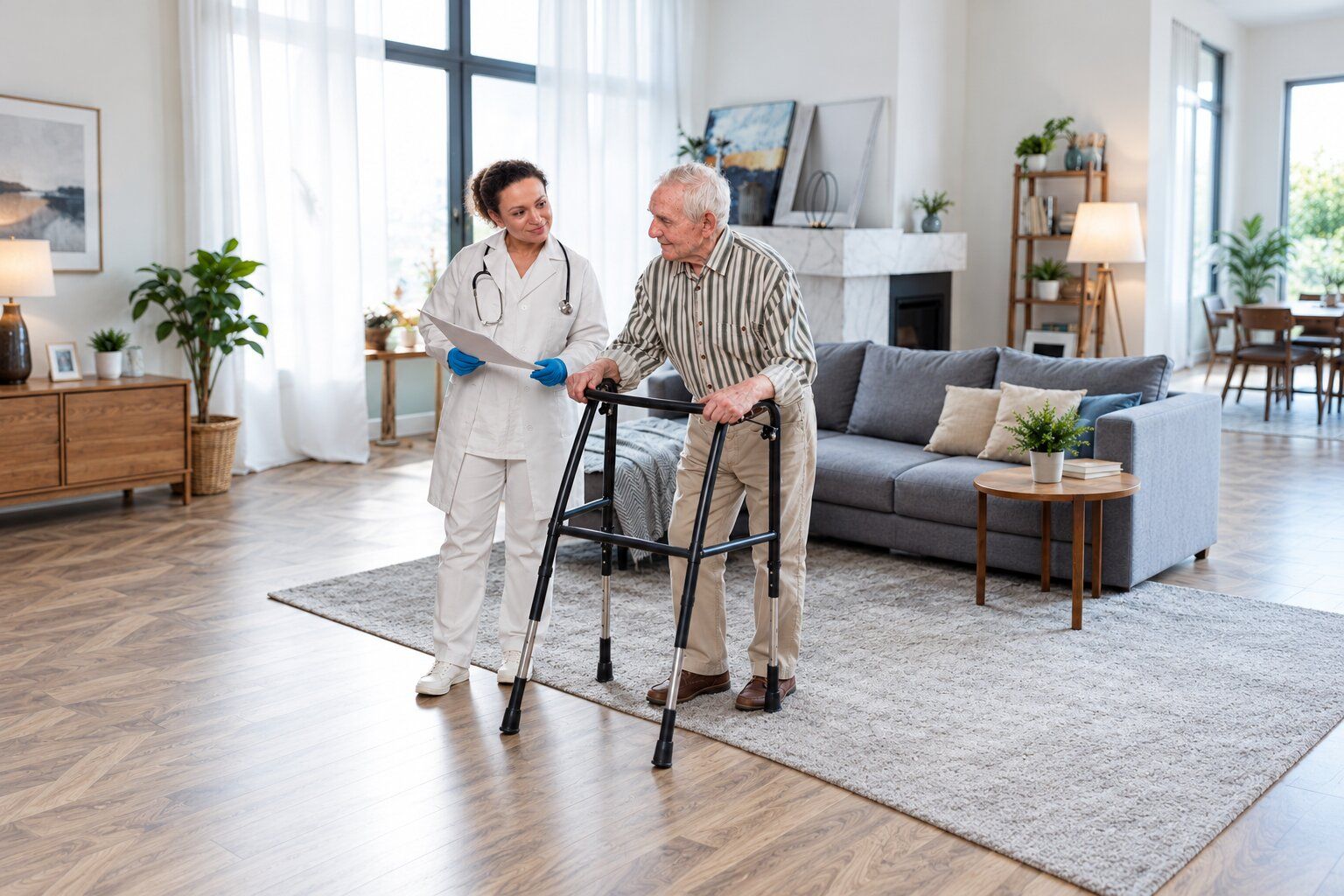
Caregivers may also assist with approved walking or movement activities based on the person's abilities and care plan.
2. Safe walking and transfers
Swelling and discomfort can make standing, walking and transferring between surfaces more challenging.
A caregiver can assist with:
- Getting into and out of bed
- Standing from a chair
- Walking to the bathroom
- Transfers between a bed and wheelchair
- Using prescribed mobility devices
- Maintaining clear household pathways
Our personal care services are designed to support activities of daily living while respecting each person's independence and dignity.
3. Bathing, dressing and footwear assistance
An older adult with swollen legs may struggle to reach their feet, put on socks or safely enter and exit the shower.
Caregivers can provide authorized assistance with bathing, dressing, hygiene and appropriate footwear.
Daily routines may also include permitted skin care and assistance with prescribed compression garments when appropriate under the individualized plan of care.
4. Observing and reporting changes
A caregiver who spends time regularly with an older adult may notice changes that are difficult for family members to observe during occasional visits.
Examples include:
- Increased swelling
- New differences between the two legs
- Changes in walking ability
- New skin discoloration or warmth
- Unusual discomfort
- Blisters, wounds or leaking fluid
- Changes in the person's usual daily activities
Caregivers report observations according to the established care plan and communicate with the supervising registered nurse and appropriate family contacts.
Home health aides do not independently diagnose the cause of swelling.
Emergency warning signs require immediate activation of emergency medical services.
5. Meal preparation and grocery shopping
Preparing meals that follow medical dietary recommendations can be difficult for seniors who experience limited mobility or fatigue.
A caregiver can assist with grocery shopping, meal preparation and mealtime routines.
When a healthcare professional has established dietary requirements, caregivers can help the senior follow those instructions as outlined in the care plan.
6. Medication reminders and routine assistance
Older adults managing chronic health conditions may take several medications throughout the day.
Home health aides can provide medication reminders and permitted assistance with self-administration in accordance with applicable New York State requirements and the RN-supervised plan of care.
Caregivers do not independently change medication doses or decide when additional medication is needed.
7. Accompaniment to medical appointments
A home caregiver can assist an older adult with preparing for appointments, arranging transportation, walking into medical offices and navigating everyday travel challenges.
With appropriate consent, relevant observations may be communicated to family members and healthcare professionals.
This can be particularly helpful for families who live outside New York or cannot attend every appointment.
8. Overnight assistance
Seniors with swollen legs, reduced mobility or difficulty getting out of bed may need additional help during the night.
Our overnight home care services can provide assistance with permitted nighttime activities, bathroom visits and mobility needs.
Awake overnight care may be appropriate when a senior requires regular assistance or cannot safely manage nighttime routines without help.
9. Companionship and emotional support
Physical discomfort and reduced mobility may contribute to isolation or frustration.
A caregiver can provide conversation, companionship and assistance with familiar activities that the senior enjoys.
Our companion care services support social engagement and everyday well-being while respecting individual preferences.
What Is the Difference Between Medical Edema Treatment and Professional Home Care?
Medical treatment addresses the underlying cause of edema. Professional home care supports the individual's daily living needs and authorized care routines.
Medical Care vs. Home Care Assistance
Medical Treatment
- Diagnosing the cause of swelling.
- Checking for possible blood clots.
- Prescribing or adjusting medications.
- Checking blood circulation.
- Recommending compression garments.
- Setting diet and fluid restrictions.
- Treating wounds and infections.
- Prescribing rehabilitation exercises.
- Deciding on medical treatment needs.
Home Care Assistance
- Observing and reporting changes in swelling.
- Recognizing emergency warning signs.
- Providing medication reminders.
- Helping with approved compression garment routines.
- Preparing meals according to the care plan.
- Assisting with personal hygiene and skin care.
- Helping with approved daily movements.
- Providing RN-supervised daily care assistance.
Specialized wound care, rehabilitation, and other medical services should be provided by qualified healthcare professionals.
Home care does not replace medical diagnosis, emergency services, or physician-directed treatment.
Can an Elderly Person With Swollen Legs Continue Living Independently?
Many older adults with medically evaluated and appropriately managed edema can continue living independently.
The decision depends on the person's mobility, ability to perform daily activities, cognitive abilities, medical condition and access to reliable assistance.
Families may want to consider professional home care when their loved one:
- Has difficulty bathing or dressing independently
- Cannot safely put on appropriate footwear
- Needs assistance with walking or transfers
- Has difficulty following prescribed daily routines
- Cannot adequately observe or care for their feet
- Has experienced falls or near-falls
- Has recently returned home from the hospital
- Has difficulty preparing appropriate meals
- Lives alone with limited family support
An in-home assessment can help determine which activities require assistance and whether hourly, extended daytime, overnight or more continuous care may be appropriate.
How Much Home Care Does a Senior With Edema Need?
Not every older adult with swollen feet or ankles requires professional home care, and an edema diagnosis alone does not determine the appropriate number of care hours.
Care should be individualized according to daily living needs.
Types of Home Care Services
- Hourly Home Care: Help with bathing, dressing, meals, footwear, and appointments.
- Daytime Care: Regular assistance with mobility, personal care, and daily activities.
- Overnight Care: Help with bathroom visits, transfers, and nighttime movement.
- Live-In Care: Daily support with a caregiver staying in the home, with appropriate rest breaks.
- 24-Hour Care: Continuous caregiver support, including overnight assistance.
- Temporary Post-Hospital Care: Extra support after hospitalization, illness, or changes in mobility.
Examples of Home Care Needs
- A senior who can manage most daily activities but needs help putting on shoes or preparing meals may only need a few hours of care.
- A senior with ongoing swelling, dementia, and limited mobility may need more regular assistance.
A registered nurse can assess individual needs and help develop a suitable home care plan.
A Practical Checklist for Families Caring for a Senior With Edema
Families can use the following questions to better understand their loved one's daily support needs.
Medical communication
- Has a healthcare professional evaluated the swelling?
- Is the underlying cause known?
- Does the family understand which symptoms require emergency attention?
- Are medication instructions current?
- Has the healthcare team established any specific monitoring requirements?
Daily living and mobility
- Can the senior safely stand, walk and transfer?
- Can they independently bathe and dress?
- Can they comfortably put on appropriate shoes and socks?
- Can they follow recommended positioning and movement routines?
Skin and foot care
- Can the senior see and reach their feet?
- Are there new blisters, cracks, skin changes or wounds?
- Is assistance needed with prescribed compression garments?
- Is there a reliable process for reporting changes?
Home support
- Can the senior prepare meals that follow medical recommendations?
- Can they attend medical appointments reliably?
- Is help available when family members are working or traveling?
- Does the senior require assistance during the night?
These questions are intended to identify practical care needs, not to diagnose the cause or severity of edema.
RN-Supervised Home Care for Seniors in NYC and Long Island
7 Day Home Care is a New York State Licensed Home Care Services Agency providing private-duty home care for older adults who need assistance with daily living.
With offices in Lake Success, Long Island, and Midtown Manhattan, we serve families throughout:
- Manhattan
- Brooklyn
- Queens
- Nassau County
- Suffolk County
Our approach recognizes that older adults often experience several health and functional challenges at the same time.
A senior experiencing swollen feet and ankles may also need assistance related to arthritis, cardiovascular disease, diabetes, reduced mobility, Alzheimer's disease or another chronic condition.
Our services include:
- Registered nurse supervision: An RN assesses the client's home care needs and establishes an individualized plan of care.
- Certified home health aides: Trained caregivers provide permitted assistance with personal care, mobility and daily activities.
- Individualized caregiver matching: We consider care requirements, personality, communication preferences and language needs.
- Multilingual caregivers: Language preferences are considered according to individual needs and caregiver availability.
- Agency-employed caregivers: Our home health aides are W-2 employees rather than independent contractors.
- Flexible care arrangements: Hourly, overnight, live-in and 24-hour rotating care options are available according to individual needs and staffing availability.
- 24/7 agency accessibility: Families can reach our agency around the clock for home care-related assistance.
Our objective is to help older adults maintain dignity, comfort and independence while providing dependable support to their families.
Getting Started With Professional Home Care
At 7 Day Home Care, arranging care begins with understanding the individual's needs and circumstances.
1. Complimentary consultation
We speak with the family about the senior's daily routines, functional abilities, existing support and areas where assistance may be helpful.
2. Registered nurse assessment
A registered nurse evaluates the client's home care needs, functional abilities and relevant safety considerations.
3. Individualized plan of care
The RN develops a written care plan outlining the assistance the caregiver will provide.
4. Caregiver matching
We identify an appropriate caregiver based on the client's care requirements, preferences and available staffing.
5. Ongoing nursing supervision
Our nursing team remains involved in supervising services and evaluating changes in home care needs.
Home care arrangements can be reassessed as circumstances change.
Does Medicare or Long-Term Care Insurance Cover Home Care for Edema?
Medicare generally does not cover ongoing private-duty personal care or companionship when these are the only services needed.
Medicare may cover certain intermittent skilled home health services and limited home health aide assistance when applicable eligibility requirements are satisfied.
An edema diagnosis alone does not automatically establish eligibility for Medicare-covered home health services.
Families can review the official Medicare home health services coverage information.
Private-duty home care is commonly funded through:
- Private or out-of-pocket payment
- Eligible long-term care insurance benefits
Long-term care insurance coverage varies according to individual policy requirements, benefit limits, elimination periods and eligibility criteria.
7 Day Home Care assists families with understanding applicable long-term care insurance requirements and providing relevant home care documentation. Coverage and reimbursement remain subject to the individual insurance policy.
Frequently Asked Questions About Swollen Feet and Ankles in the Elderly
Is it normal for elderly people to have swollen ankles?
Swollen ankles are common among older adults, especially those with reduced mobility, venous circulation problems or certain medical conditions. However, swelling should not automatically be considered a normal part of aging. New, persistent or worsening symptoms should be medically evaluated.
Can sitting too long cause swollen feet in seniors?
Yes. Extended periods of sitting or standing may contribute to fluid accumulation in the lower legs. Reduced movement can affect the normal return of blood toward the heart. However, persistent swelling may have other causes and should be medically assessed.
Why are my elderly mother's feet swollen even though she is not in pain?
Painless swelling may occur with reduced mobility, venous insufficiency, medication side effects, heart failure or other medical conditions. The absence of pain does not establish that swelling is harmless. New or unexplained swelling should be discussed with a healthcare professional.
Is swelling in one leg more concerning than swelling in both legs?
New or unexplained swelling in one leg requires urgent evaluation because it may indicate a blood clot, infection or injury. Swelling in both legs may also reflect a serious underlying condition. The location of swelling alone cannot establish a diagnosis.
Do swollen ankles always mean heart failure?
No. Swollen ankles have many possible causes, including reduced movement, venous insufficiency, medications, kidney disease and lymphedema. Heart failure is one possible cause, particularly when swelling occurs alongside other symptoms such as fatigue, breathing difficulties or unexpected weight changes.
Can drinking more water reduce swollen feet?
Increasing water intake is not a reliable general treatment for edema. Appropriate fluid intake depends on the underlying cause, kidney function, heart health and medical recommendations. Seniors should not independently increase or restrict fluids to manage swelling.
Should elderly people with swollen ankles wear compression stockings?
Compression stockings can help with certain causes of swelling, but they are not appropriate for everyone. Older adults should receive appropriate medical guidance regarding circulation, compression suitability, garment strength and fit before beginning compression therapy.
What does it mean when fluid leaks from swollen legs?
Fluid leaking from swollen tissue is sometimes called weeping edema. Persistent swelling can compromise skin integrity and increase the need for professional assessment. New leaking fluid, open wounds or concerning skin changes should receive prompt medical attention.
Can a home health aide help with swollen feet and ankles?
Yes. A certified home health aide can provide authorized assistance with bathing, dressing, footwear, mobility, positioning, medication routines and prescribed daily care activities. Caregivers can also observe and report changes according to the individualized RN-supervised plan of care.
Can professional home care cure edema?
No. Professional personal care does not cure edema or replace medical treatment of its underlying cause. Home care can support established daily routines, comfort, mobility and appropriate reporting of changes while the person's healthcare providers manage medical treatment.
Does 7 Day Home Care assist seniors with edema in NYC and Long Island?
Yes. 7 Day Home Care provides RN-supervised private-duty home care for older adults experiencing mobility limitations and other daily living challenges associated with edema and chronic health conditions throughout Manhattan, Brooklyn, Queens, Nassau County and Suffolk County.
Helping Your Loved One Maintain Comfort and Independence at Home
Swollen feet and ankles may initially seem like a minor inconvenience, but persistent swelling can significantly affect an older adult's comfort, mobility and ability to manage everyday activities.
Understanding the cause, recognizing concerning symptoms and following appropriate medical recommendations are important first steps.
For families, the next challenge is often ensuring that their loved one receives consistent, dependable assistance with everyday routines.
Whether your parent needs help getting dressed, preparing meals, walking safely, attending appointments or managing personal care, professional home care may help support their independence in familiar surroundings.
At 7 Day Home Care, we understand that every family's circumstances are different. Our RN-supervised care arrangements are developed around the individual's needs, abilities, preferences and daily routines.
Speak With Our Home Care Team
If your aging parent is experiencing swollen feet, reduced mobility or increasing difficulty managing everyday activities, we welcome the opportunity to discuss how professional home care may help.
Request a Complimentary Home Care Consultation or call (516) 408-0034.
7 Day Home Care proudly serves families throughout Manhattan, Brooklyn, Queens, Nassau County and Suffolk County, New York.
Medical References and Additional Resources
- MedlinePlus, U.S. National Library of Medicine — Foot, Leg and Ankle Swelling
- American Academy of Family Physicians — Peripheral Edema: Evaluation and Management in Primary Care
- American Heart Association — Heart Failure Signs and Symptoms
- National Heart, Lung, and Blood Institute — Deep Vein Thrombosis
- Centers for Disease Control and Prevention — Diabetes and Your Feet
- National Health Service — Swollen Ankles, Feet and Legs
- New York State Department of Health — Home Health Aide Scope of Tasks
- Medicare — Home Health Services Coverage
Medical, Editorial and Service Disclosure
This article is published by 7 Day Home Care, a New York State Licensed Home Care Services Agency providing private-duty home care. It is intended for general educational and informational purposes and does not constitute medical advice, diagnosis, treatment recommendations or an individualized clinical assessment.
Swollen feet, ankles and legs may result from a variety of medical conditions, including conditions requiring urgent or emergency treatment. Always consult a qualified healthcare professional regarding new, unexplained, persistent or worsening symptoms and before changing medications, fluid intake, dietary restrictions, exercise routines or compression therapy.
Do not disregard professional medical advice or delay seeking medical attention because of information contained in this article.
7 Day Home Care provides home health aide services within applicable New York State requirements and individualized, RN-supervised plans of care. Home health aides do not independently diagnose medical conditions, prescribe treatment, adjust medications or replace physicians, specialized healthcare professionals or emergency medical services.
Professional home care may support daily living, comfort, mobility and certain safety-related routines, but it does not guarantee the prevention or resolution of edema, falls, infections, blood clots, hospitalizations or other medical complications. Individual outcomes, service availability and insurance coverage vary.
This article includes information about services offered by 7 Day Home Care. AI-assisted editorial tools were used in its preparation. External references are provided for educational purposes and do not imply endorsement of 7 Day Home Care by the organizations cited.
In a medical emergency, call 911 immediately.