How In-Home Care Reduces Fall Risk for Seniors at Home
How In-Home Care Reduces Fall Risk for Seniors at Home
Falls are one of the most serious health risks facing older adults at home, often leading to a cascade of complications that extend far beyond the initial injury. A single fall can result in fractures, head trauma, or internal injuries—many of which require hospitalization and lengthy stays in skilled nursing facilities or rehabilitation centers. These disruptions can severely impact a senior’s independence, mobility, and mental health, sometimes triggering a decline in overall well-being that is difficult to reverse. According to American Academy of Family Physicians, The American Geriatrics Society and British Geriatrics Society recommend that all adults older than 65 years be screened annually for a history of falls or balance impairment.
In addition to the physical toll, fall-related injuries frequently lead to increased reliance on long-term care, elevated stress for family caregivers, and significant financial burden. Preventing falls is not just about safety—it’s about protecting a senior’s health, dignity, and quality of life. A fall in an elderly person can trigger a cascading effect, leading to a decline in physical and cognitive function, increased fear of falling, social isolation, and reduced quality of life, potentially leading to further falls and injuries.
7 Day Home Care is your top home care agency in Manhattan, Queens, Brooklyn, Nassau County, and Suffolk County, New York. Please call us today at 516-408-0034 to learn more about fall prevention strategies, and explore the prospects for home care services for your loved one.

Supporting Safety, Independence, and Peace of Mind
In the comfort of their own homes, seniors find familiarity, routine, and dignity—but for many, these cherished spaces can also present hidden dangers. Falls remain one of the leading causes of injury in older adults, often resulting in hospitalization, long-term mobility issues, or loss of independence.
At 7 Day Home Care, we believe that with the right in-home support, many of these falls can be prevented. This article explores how personalized in-home care services reduce fall risk for seniors, helping families provide safer, more supportive environments for their aging loved ones.
Why Falls Happen: Understanding the Risk Factors
Common Causes of Falls in Seniors at Home
Falls are rarely random. Most are the result of identifiable risk factors, many of which are preventable or manageable with professional help. Key contributors include:
- Home hazards: loose rugs, poor lighting, cluttered walkways
- Muscle weakness and balance issues
- Chronic health conditions such as arthritis, Parkinson’s, or neuropathy
- Side effects from medications
- Cognitive changes, such as dementia or mild confusion
- Vision impairment
By recognizing these contributing factors, families can take early action to support safer living conditions.
How In-Home Care Reduces the Risk of Falls
1. Comprehensive Home Safety Assessments
One of the first steps our care team takes is evaluating the home environment. Fall prevention for seniors at home begins with understanding the layout and identifying any hazards. We look for:
- Slippery floors or unsecured rugs
- Poor lighting in hallways, staircases, and bathrooms
- Lack of grab bars in high-risk areas like showers or next to the toilet
- Inadequate furniture arrangements that impede safe movement
These assessments allow families to make small but impactful changes that reduce the risk of falls immediately.
2. Daily Support with Mobility and Balance
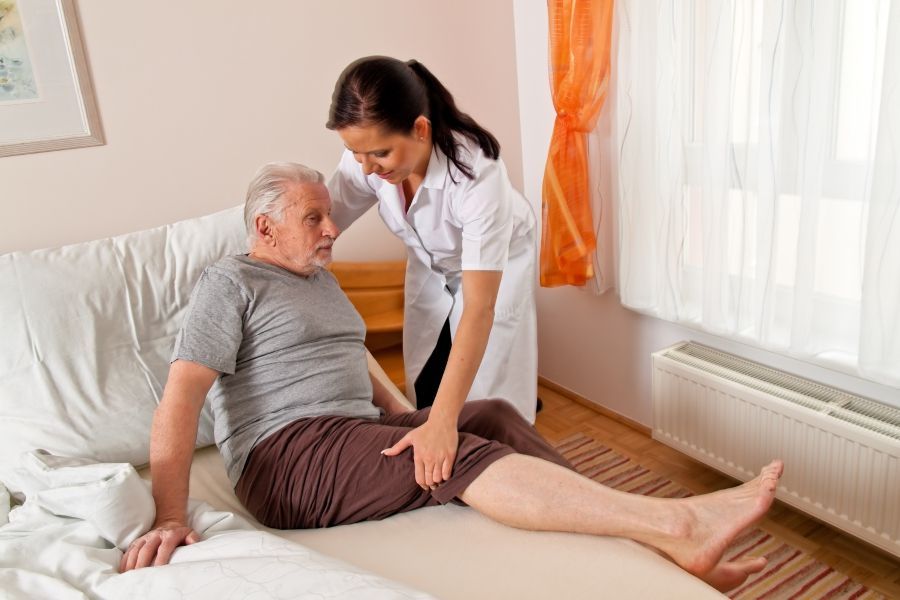
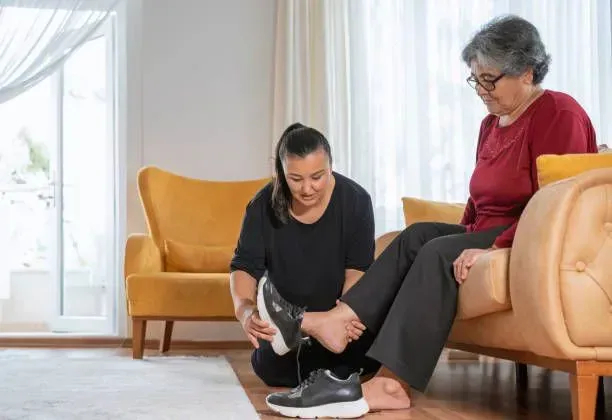
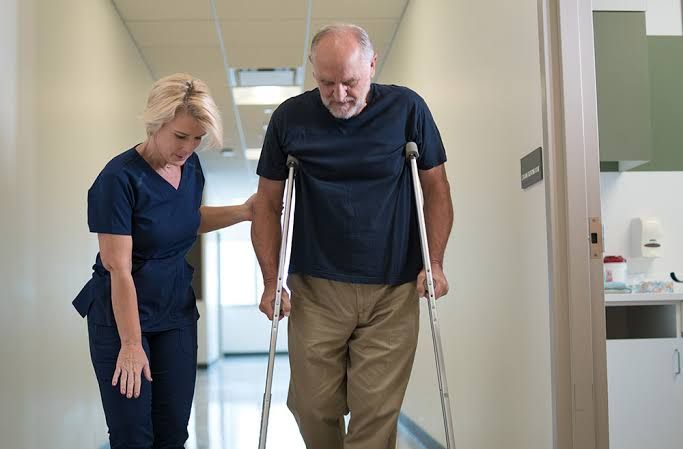
Professional caregivers from 7 Day Home Care provide senior walking assistance at home, helping with transfers from bed to chair, support while bathing, and gentle exercise to improve strength and flexibility. Regular movement, even light stretching or walking, helps improve:
- Muscle tone and joint stability
- Reaction time and balance
- Confidence in movement, which can reduce hesitancy that leads to instability
Seniors are more likely to stay active—and safe—when they feel supported.
3. Medication Management to Prevent Dizziness or Confusion
Did you know that medication side effects are a common cause of falls in elderly adults? Many prescriptions, especially when combined, can cause drowsiness, low blood pressure, or confusion.
In-home caregivers help by:
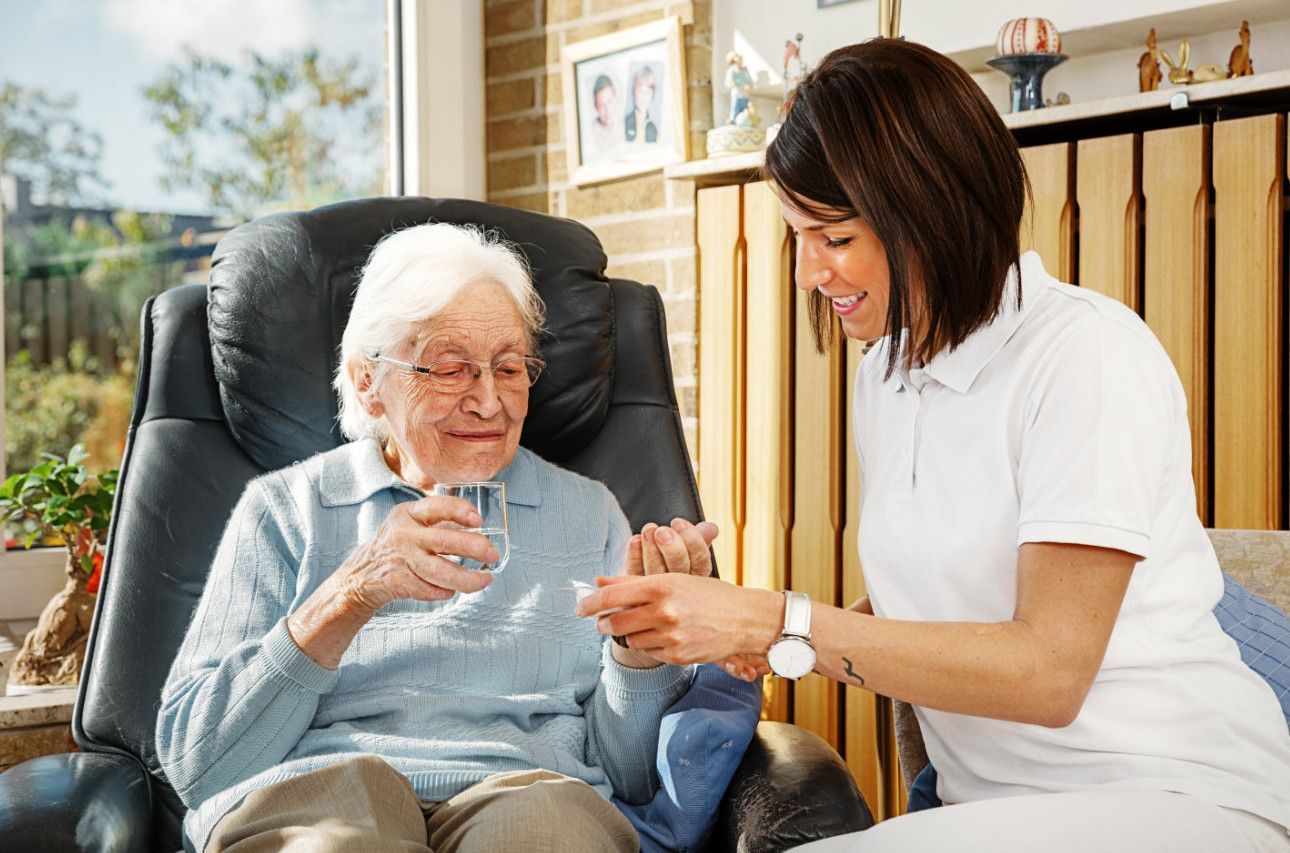
- Monitoring and reminding seniors of correct dosages
- Communicating side effects to family members or doctors
- Coordinating with physicians when changes are needed
Proper medication supervision plays a key role in reducing fall risk.
4. Meal Prep and Hydration Support to Prevent Weakness
Fatigue and dizziness often result from poor nutrition or dehydration. At 7 Day Home Care, our aides ensure that seniors are:
- Eating balanced meals throughout the day
- Staying hydrated, especially in hot weather or when taking diuretics
- Avoiding skipped meals that lead to lightheadedness or weakness
These daily routines might seem small, but they are foundational to maintaining the energy and strength necessary for safe movement.
5. Assistive Device Support and Education
Many seniors receive canes, walkers, or other tools from a doctor but never feel confident using them. Our caregivers offer:
- Education on the proper use of walking aids
- Encouragement and supervision until habits form
- Ongoing maintenance to ensure devices are functioning correctly
This guidance is especially important for seniors recovering from surgery, illness, or recent falls.
When to Consider In-Home Care After a Fall
Signs a Loved One May Need Help at Home
If your aging parent or family member has experienced any of the following, it may be time to consider professional support:
- A recent fall, even if they weren’t seriously hurt
- Hesitancy when standing or walking
- Noticeable changes in gait, posture, or balance
- New bruises or unexplained bumps
- Fear of using stairs or walking in certain rooms
- Memory lapses that lead to risky behavior (e.g., standing on chairs)
The right care plan—delivered at the right time—can prevent repeat falls and long-term consequences.
Real Impact: A Case from Our Home Care Team
One of our clients, an 81-year-old widow in Forest Hills, had fallen three times in six months before starting care with 7 Day Home Care. Her daughter, overwhelmed by the risks, contacted us for support.
After a thorough nursing safety assessment, we recommended small but crucial changes: adding grab bars, improving lighting, removing throw rugs, and under here doctor's guidance adjusting her medication schedule. With daily help bathing, dressing, and navigating the home safely, she hasn’t had a single fall in over a year.
This is the power of fall prevention through in-home care—not just reducing injuries, but restoring peace of mind.
Why Families Choose 7 Day Home Care
- Licensed by the New York State Department of Health
- Experienced, certified home health aides and caregivers
- Personalized care plans tailored to fall risk and mobility needs
- Available across NYC, Long Island, Manhattan, Queens, and Brooklyn
- Approved for your long-term care insurance and low cost private pay
We are proud to be a leading provider of senior in-home care for fall prevention in New York.
Take the First Step Toward a Safer Home Today
Falls may be common—but they are not inevitable. With compassionate support, personalized planning, and proactive care, your loved one can remain safe, independent, and comfortable at home.
Contact 7 Day Home Care today to schedule a free consultation or home safety assessment. We're here to help you protect what matters most. 7 Day Home Care is a top in-home care agency service provider near you in NYC, Manhattan, Queens, Brooklyn, Nassau County, and Suffolk County, New York. Please call us today at 516-408-0034 to explore the possibilities for home care services for your elderly loved one.
Brian Callahan
7 Day Home Care