Why Do Elderly People Fall Asleep While Sitting?
Why Do Elderly People Fall Asleep While Sitting?
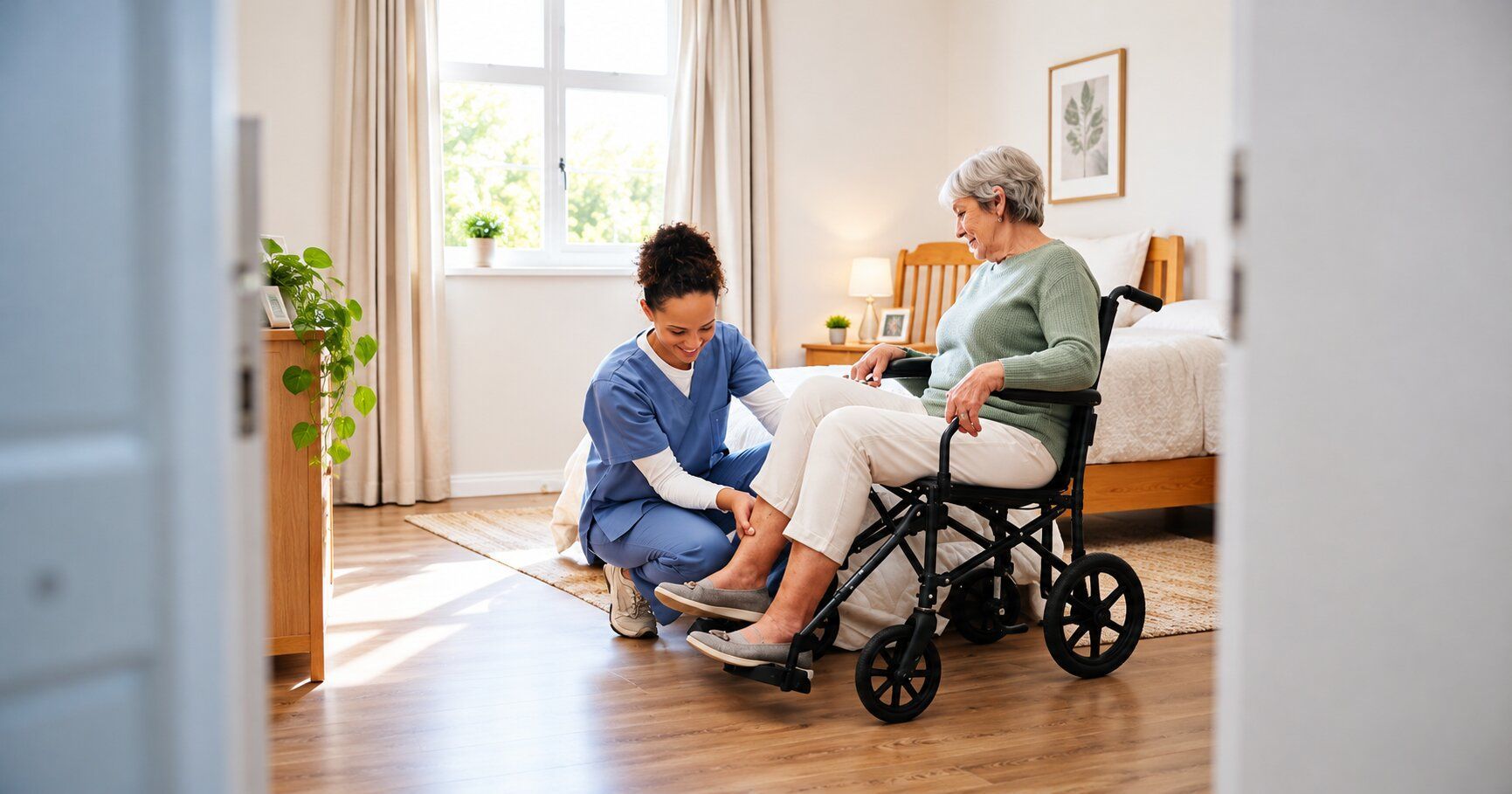
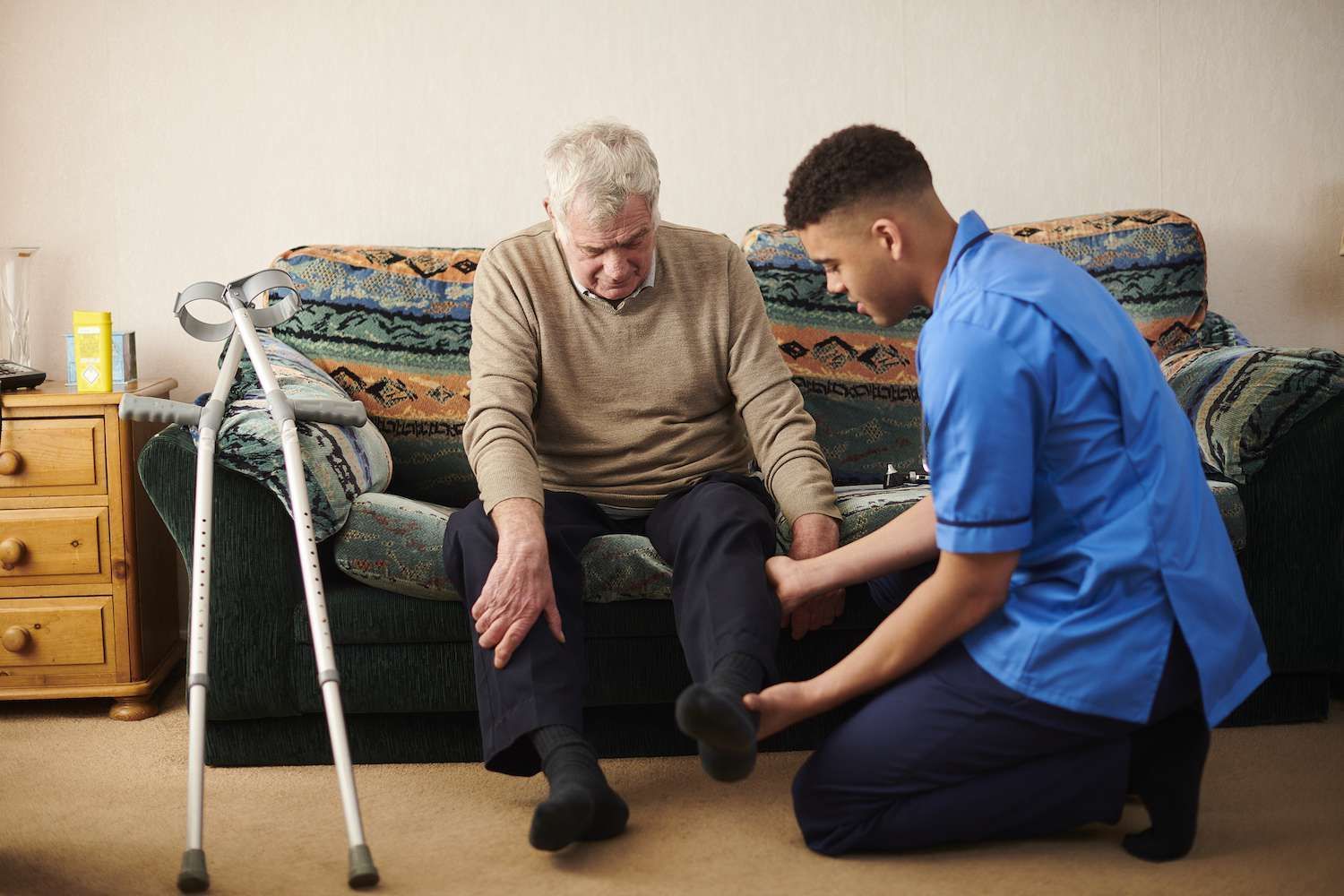
At 7 Day Home Care, we understand the unique challenges elderly individuals face, including the tendency to fall asleep while sitting, which may be a sign of underlying health issues such as fatigue, depression, or sleep disorders. Our compassionate and trained caregivers, including certified home health aides, provide personalized care to address these concerns. From promoting healthy sleep habits to encouraging gentle physical activities that enhance overall energy levels, we tailor our approach to meet each senior's needs. With our Department of Health-licensed agency, families can trust us to monitor their loved one's well-being, support their daily routines, and ensure a comfortable and nurturing environment. 7 Day Home Care is a licensed home care agency providing services in Manhattan, Queens, Brooklyn, Nassau County, and Suffolk County, New York.
Is Falling Asleep for Elderly People While Sitting Harmless?
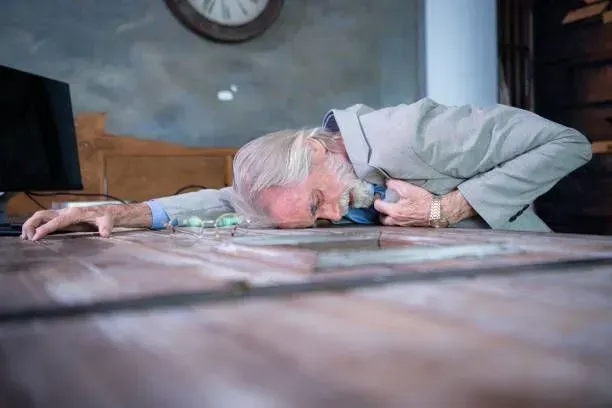
It’s a common sight: an elderly loved one dozing off in the middle of a conversation, during a meal, or while watching television. While falling asleep while sitting might seem harmless, it can indicate underlying health issues or lifestyle factors that warrant closer attention. At 7 Day Home Care, we believe in empowering families with the knowledge to provide the best care for their loved ones. In this article, we’ll explore the causes, potential risks, and solutions for elderly individuals who fall asleep while sitting.
Common Reasons Elderly People Fall Asleep While Sitting
1. Natural Changes in Sleep Patterns
As people age, their sleep architecture changes. Older adults spend less time in deep sleep stages and often wake up more frequently during the night. This disruption can lead to daytime drowsiness and falling asleep inappropriately, such as while sitting.
2. Sedentary Lifestyle
A lack of physical activity is another contributing factor. Prolonged sitting or inactivity can slow down the body’s metabolism and lead to fatigue, causing older adults to doze off in their chairs.
3. Sleep Disorders
Conditions like insomnia, sleep apnea, and restless leg syndrome are common in older adults and can disrupt nighttime sleep, resulting in excessive daytime sleepiness (EDS).
• Sleep Apnea: Obstructive sleep apnea (OSA) occurs when breathing is interrupted during sleep, causing poor-quality rest and fatigue.
• Restless Leg Syndrome: This condition leads to uncomfortable sensations in the legs, disrupting sleep and increasing daytime drowsiness.
4. Side Effects of Medications
Many elderly individuals take medications for chronic conditions, and some of these drugs have sedative effects. Medications for blood pressure, pain, or anxiety can increase drowsiness during the day.
5. Underlying Medical Conditions
• Neurological Disorders: Conditions like Parkinson’s disease or Alzheimer’s can impair the body’s sleep-wake cycle.
• Diabetes: Poorly managed diabetes can cause fatigue, as fluctuating blood sugar levels affect energy.
• Heart Disease: Reduced cardiac output can lead to feelings of exhaustion and drowsiness.
6. Nutritional Deficiencies
Low levels of essential nutrients like iron, vitamin B12, and vitamin D can result in fatigue. Malnutrition, which is common among the elderly, can further exacerbate this issue.
7. Psychological Factors
• Depression: Older adults experiencing depression may struggle with disrupted sleep patterns and excessive fatigue.
• Loneliness: A lack of social engagement and stimulation can lead to lethargy and an increased likelihood of falling asleep during the day.
Potential Risks of Falling Asleep While Sitting
While falling asleep in a chair may not seem serious, it carries potential risks:
1. Increased Fall Risk
Elderly individuals who fall asleep suddenly may slump forward or sideways, leading to falls and potential injuries.
2. Compromised Circulation
Prolonged sitting in one position can reduce blood flow, increasing the risk of blood clots, particularly in the legs (deep vein thrombosis).
3. Cognitive Decline
Chronic sleep deprivation, indicated by frequent dozing during the day, can impair cognitive function and memory.
4. Missed Signs of Serious Conditions
Frequent daytime drowsiness may be a symptom of untreated medical conditions such as sleep apnea or neurological disorders.
How to Address Daytime Sleepiness in the Elderly
1. Conduct a Medical Evaluation
The first step is identifying whether underlying health conditions are causing the drowsiness. A physician can perform tests to rule out conditions like sleep apnea, diabetes, or vitamin deficiencies.
2. Review Medications
Review the individual’s medication list with a healthcare provider to identify any that may cause drowsiness. Adjustments in dosage or switching medications might reduce symptoms.
3. Encourage Better Sleep Hygiene
Good sleep hygiene can significantly improve nighttime rest, reducing daytime drowsiness. Tips include:
• Keeping a consistent sleep schedule.
• Creating a comfortable sleep environment with minimal noise and light.
• Avoiding caffeine and heavy meals in the evening.
4. Promote Physical Activity
Engaging in regular, age-appropriate exercise can improve energy levels and reduce daytime fatigue. Simple activities like walking, stretching, or chair exercises can be effective.
5. Provide Mental Stimulation
Activities like reading, puzzles, or social interactions can keep the brain engaged and reduce lethargy caused by inactivity.
6. Monitor Nutritional Intake
Ensuring a balanced diet with sufficient vitamins and minerals is crucial. If deficiencies are identified, supplements may be necessary.
7. Utilize Professional Home Care Services
Home care services, like those provided by 7 Day Home Care, can assist with daily routines, encourage active lifestyles, and monitor for any signs of health deterioration.
When Should You Be Concerned About Elderly Sleeping While Sitting?
While occasional napping is normal, frequent or unexplained episodes of falling asleep while sitting should not be ignored. Warning signs include:
• Sudden, uncontrollable sleep episodes (possible narcolepsy).
• Persistent fatigue despite adequate nighttime sleep.
• Changes in behavior, memory, or mood.
• Difficulty waking the individual from their sleep.
If these symptoms occur, consult a healthcare professional promptly to identify and address the underlying cause.
How 7 Day Home Care Can Help
At 7 Day Home Care, we understand the unique challenges faced by aging individuals and their families. Our trained caregivers provide personalized care plans to ensure your loved one’s well-being. Services include:
• Assistance with daily activities to maintain an active lifestyle.
• Nutritional support to address dietary deficiencies.
• Companionship to combat loneliness and improve mental health.
• Monitoring for signs of health changes and coordinating with healthcare providers.
Our certified home health aides work under the supervision of registered nurses to provide the highest level of care.
Falling asleep while sitting can range from being a benign habit to a sign of underlying health issues. By understanding the causes, addressing risks, and implementing solutions, families can ensure their loved ones remain safe and healthy.
If you’re concerned about an elderly loved one’s daytime sleepiness, consider reaching out to 7 Day Home Care. Our compassionate team is here to help your family navigate the complexities of aging with confidence and ease.
7 Day Home Care is a licensed home care agency providing Home Health Aide services near you in Manhattan, Queens, Brooklyn, Nassau County, and Suffolk County, New York.Contact us today at 516-408-0034 to learn how we can support your loved one’s needs.
Brian Callahan
7 Day Home Care