13 Signs of Depression in the Elderly
13 Signs of Depression in the Elderly
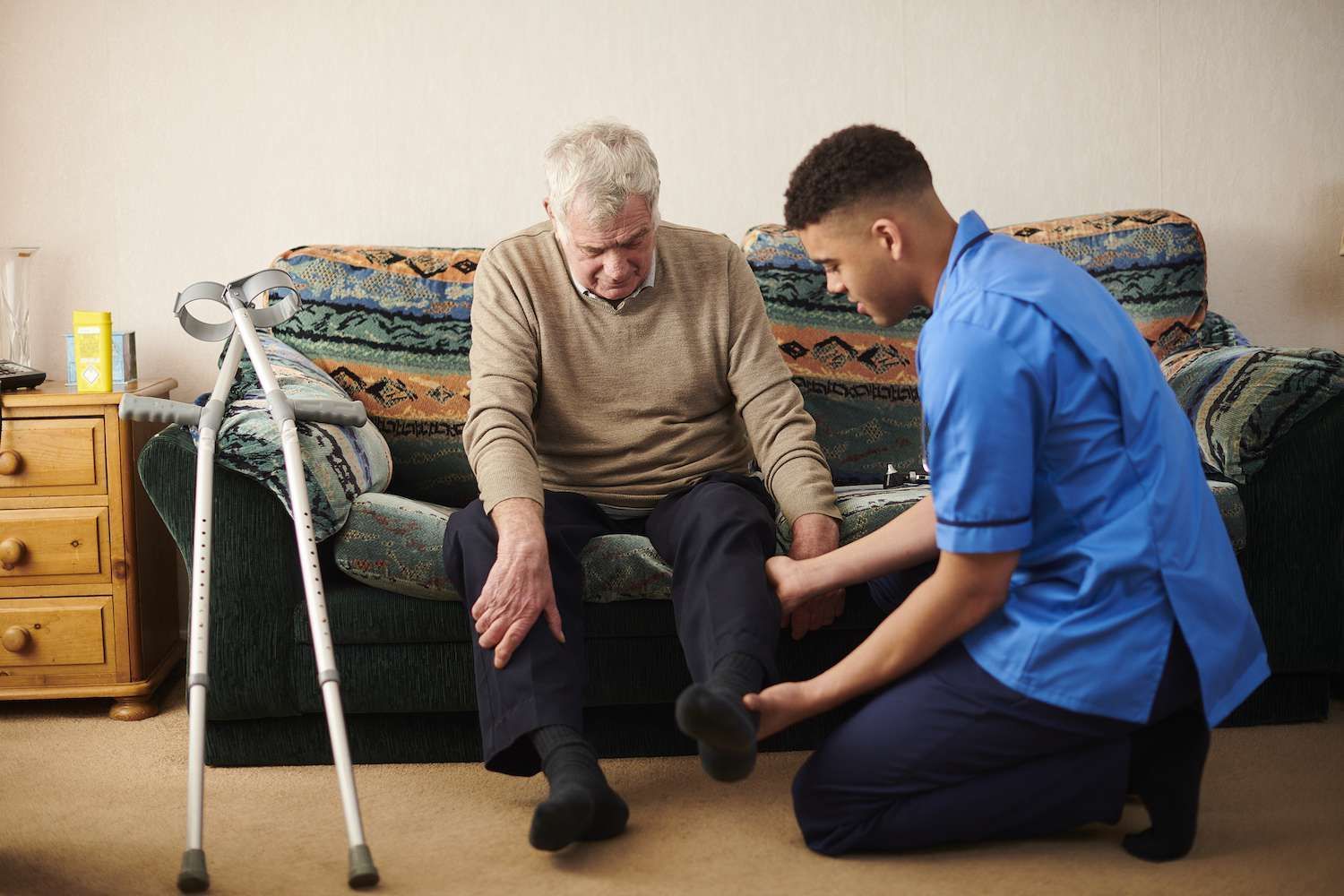
Depression in the elderly can manifest in various ways, including persistent sadness, loss of interest in activities, fatigue, appetite changes, sleep disturbances, social withdrawal, feelings of worthlessness, difficulty concentrating, unexplained physical aches, slower movement or speech, restlessness, emotional outbursts, and even suicidal thoughts. Recognizing these 13 signs early is vital to ensuring timely support and intervention. At 7 Day Home Care, we understand the profound impact that compassionate companion care can have on an elderly individual experiencing depression. Our skilled caregivers provide not only practical assistance with daily activities but also emotional support, companionship, and a consistent presence that fosters connection and well-being. By addressing social isolation, encouraging engagement in meaningful activities, and creating a structured and nurturing environment, our home care services play a pivotal role in improving the quality of life for seniors facing depression. 7 Day Home Care provides in-home care services, including companion care in Manhattan, Queens, Brooklyn, Nassau County, and Suffolk County, New York. To learn more about our home care services, please call 516-408-0034.

Recognizing and Addressing Depression in the Elderly
Depression is often overlooked in older adults because its symptoms can be mistaken for signs of aging or other medical conditions. However, recognizing the early signs of depression in the elderly is crucial for timely intervention. Left untreated, depression can lead to significant health issues and a diminished quality of life.
This article explores 13 common signs of depression in the elderly, their implications, and how professional home care services, such as companion care, can provide essential support for seniors dealing with depression.
What Is Depression in the Elderly?
Depression in the elderly is a mood disorder that affects how seniors think, feel, and function daily. While occasional sadness is normal, depression is a more persistent condition that requires attention and care. Understanding its signs can help family members and caregivers take the necessary steps toward effective treatment.
13 Signs of Depression in the Elderly
1. Persistent Sadness or Low Mood
Seniors with depression often experience prolonged periods of sadness or feelings of hopelessness. Unlike fleeting emotional downturns, this mood doesn’t improve with time and affects their ability to enjoy life.
How to Recognize It:
- Consistent expressions of feeling “down” or “empty.”
- A noticeable lack of enthusiasm for hobbies or social interactions.
2. Fatigue and Low Energy Levels
Depression can lead to chronic fatigue, making even simple tasks feel overwhelming.
How to Recognize It:
- Complaints about being tired despite adequate rest.
- Avoidance of physical activities they once enjoyed.
3. Loss of Interest in Activities
Older adults with depression may lose interest in activities they previously enjoyed.
How to Recognize It:
- A sudden disinterest in favorite pastimes.
- Withdrawal from friends or social clubs.
4. Changes in Sleep Patterns
Depression can disrupt normal sleep cycles, leading to insomnia or excessive sleeping.
How to Recognize It:
- Complaints about difficulty falling asleep or staying asleep.
- Sleeping much longer than usual without feeling rested.
5. Unexplained Physical Complaints
Depression often manifests physically in older adults.
How to Recognize It:
- Recurrent complaints about headaches, back pain, or stomach issues.
- Lack of improvement despite medical evaluations.
6. Poor Appetite or Overeating
Depression can cause significant changes in eating habits.
How to Recognize It:
- Skipping meals or showing little interest in food.
- Eating excessively as a coping mechanism.
7. Difficulty Concentrating or Making Decisions
Depression often affects cognitive abilities.
How to Recognize It:
- Frequent forgetfulness or confusion.
- Trouble following conversations or completing simple tasks.
8. Feelings of Worthlessness or Guilt
Seniors with depression may feel like a burden to their families.
How to Recognize It:
- Expressions of self-blame or regret.
- Comments about being a “burden” to others.
9. Social Withdrawal
Depression often leads to isolation.
How to Recognize It:
- Declining invitations to family gatherings or outings.
- Spending excessive time alone.
10. Irritability or Agitation
Irritability and frustration are common, particularly in older adults.
How to Recognize It:
- Snapping at loved ones over small issues.
- Showing impatience with everyday situations.
11. Slower Movements or Speech
Depression can physically manifest as a slowing down of movements or speech.
How to Recognize It:
- Moving or speaking noticeably slower than usual.
- Long pauses during conversations.
12. Recurrent Thoughts of Death or Suicide
In severe cases, depression may lead to thoughts of self-harm.
How to Recognize It:
- Expressing a desire to “give up” or “not wake up.”
- Making comments about death or harming themselves.
13. Poor Personal Hygiene
Seniors with depression may neglect grooming and personal care.
How to Recognize It:
- Wearing dirty or mismatched clothing.
- Avoiding showers or basic grooming tasks.
The Role of Companion Care in Managing Depression
Emotional Support
Companion care provides seniors with regular social interaction, reducing feelings of isolation and loneliness. Caregivers can engage in meaningful conversations, play games, or accompany seniors to social activities.
Encouragement for Daily Activities
Companions motivate seniors to participate in hobbies, exercise, or other activities, helping them rediscover a sense of purpose.
Monitoring and Reporting Changes
Professional caregivers are trained to observe changes in mood or behavior and report them to family members or healthcare providers for timely intervention.
Benefits of Home Care Services from a Professional Agency
Personalized Care Plans
Home care agencies like 7 Day Home Care provide customized care plans tailored to the unique needs of each senior.
Medication Management
Home care providers ensure adherence to prescribed medication schedules.
Access to Professional Caregivers
Agencies employ certified caregivers skilled in managing the complex needs of elderly individuals.
Why Choose 7 Day Home Care for Elderly Depression Support
At 7 Day Home Care, we understand the challenges seniors face. Our compassionate caregivers provide:
- Emotional companionship to combat isolation.
- Assistance with daily activities to restore independence.
- Professional monitoring to ensure overall health and safety.
Contact us today at 516-408-0034 or visit here to learn how we can support your loved one’s mental health journey. Recognizing the signs of depression in the elderly is the first step to improving their quality of life. Companion care and professional home care services offer invaluable support, helping seniors regain independence, purpose, and joy. If you suspect a loved one is experiencing depression, don’t hesitate to seek help. 7 Day Home Care is a licensed home care agency providing services in Manhattan, Queens, Brooklyn, Nassau County, and Suffolk County, New York.
Brian Callahan
7 Day Home Care