High Calcium Score but No Symptoms? Why Seniors Are Still at Risk
High Calcium Score but No Symptoms? Why Seniors Are Still at Risk
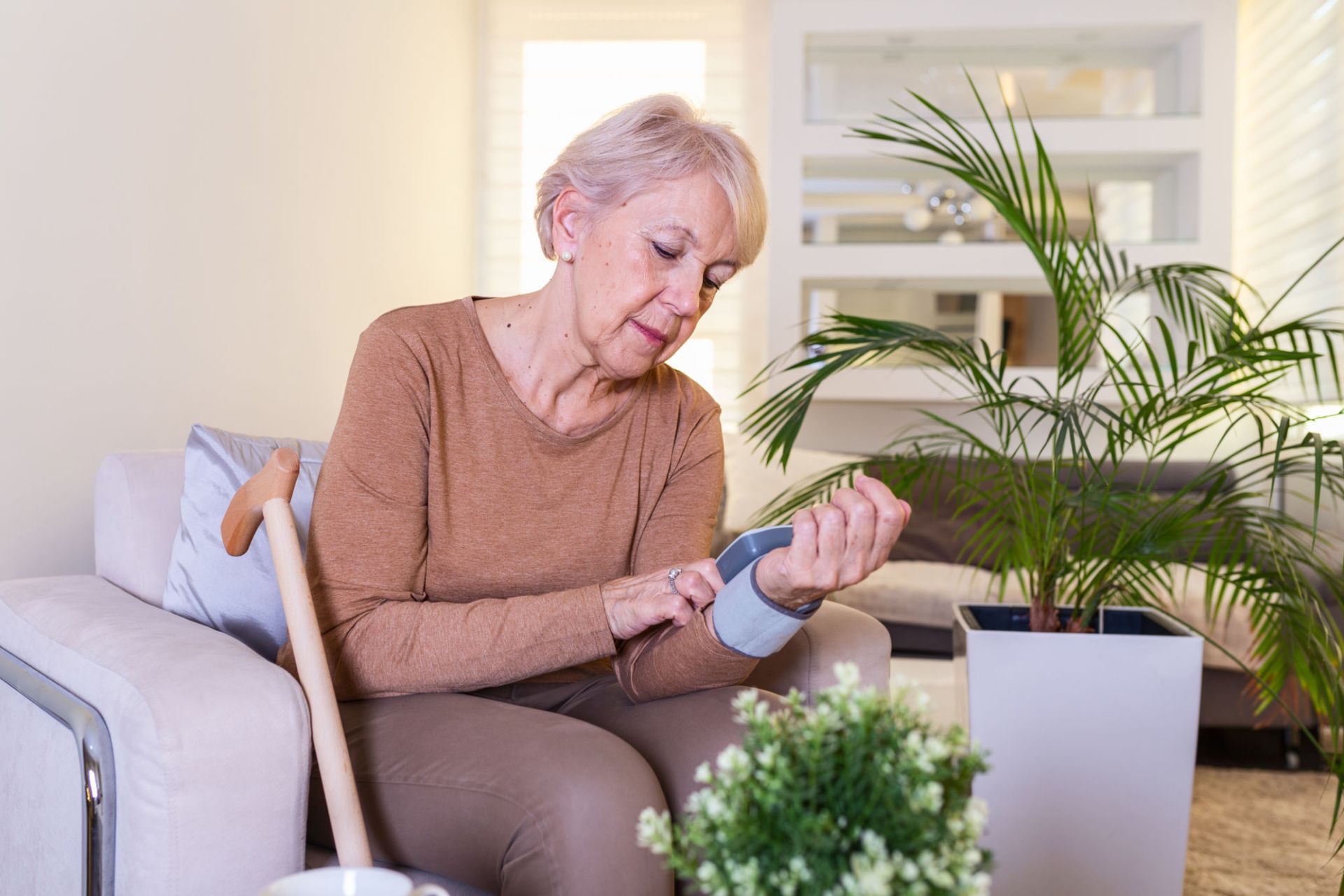
Many seniors are surprised when a doctor tells them their calcium score is high, especially when they feel completely fine. No chest pain. No shortness of breath. No warning signs that feel serious.
This is exactly what makes a high calcium score so dangerous.
A calcium score measures how much calcium buildup (plaque) exists in the arteries that supply blood to the heart. Over time, this buildup can harden and narrow the arteries, increasing the risk of heart attack or stroke. The problem is simple but scary: this process often happens silently.
For older adults, especially those living independently or managing multiple health conditions, “no symptoms” does
not mean “no risk.” Families in areas like
westbury home health care,
home care garden city ny, and
home care in east meadow often assume that if their loved one is walking, talking, and eating normally, everything must be okay.
That assumption is where danger begins.
At 7 Day Home Care, we regularly see seniors who appeared stable for years until one sudden event changed everything. Understanding what a calcium score means — and why seniors should take it seriously — is the first step toward prevention.
What Is a Calcium Score and Why Doctors Use It
A
calcium score comes from a special CT scan called a
coronary artery calcium (CAC) test. It looks for calcium deposits in the heart’s arteries.
Calcium itself isn’t the enemy. The problem is where it builds up.
When calcium collects inside artery walls, it usually means plaque has been forming for years.
Doctors use this score to:
- Estimate future heart disease risk
- Identify silent artery blockages
- Decide whether lifestyle changes or medications are needed
- Spot danger
before symptoms appear
How the score is generally understood
- Score of 0: Very low risk at the moment
- Low score: Early plaque formation
- Moderate score: Higher risk over time
- High score: Significant buildup and elevated heart risk
For seniors, even a moderate score deserves attention. Aging arteries are less flexible, and recovery from heart events becomes much harder with age.
This is why doctors don’t wait for symptoms anymore. They look for hidden risk.
High Calcium Score but Feeling Fine — Why This Is Misleading
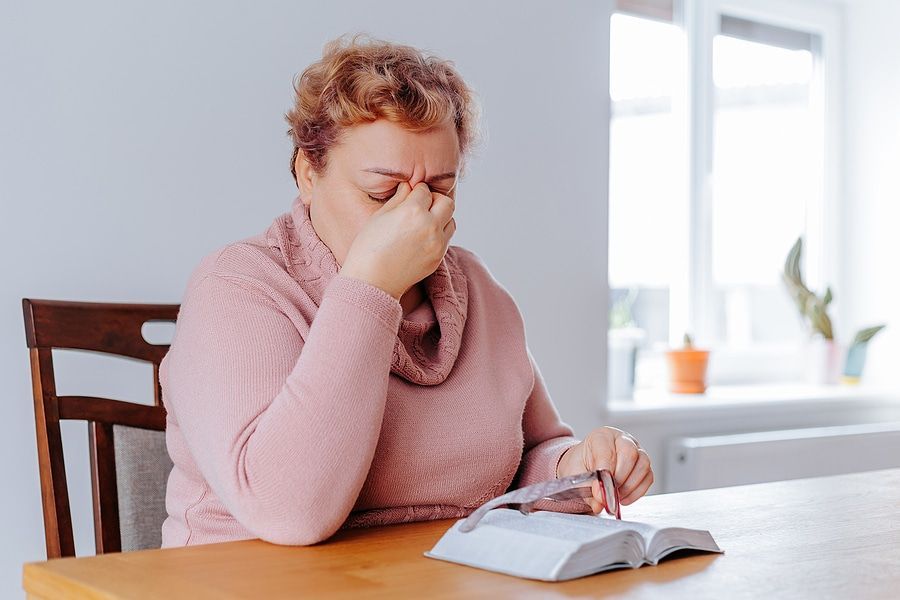
One of the biggest misconceptions seniors have is:
“If something was wrong with my heart, I’d feel it.”
Unfortunately, that’s often not true.
Heart disease doesn’t always announce itself with pain. In fact, many seniors feel normal right up until a serious event occurs.
Why symptoms may not show up
- Plaque builds slowly over many years
- The body adapts to reduced blood flow
- Nerves may not signal pain clearly in older age
- Reduced activity can hide warning signs
Real-life senior situations we see often
- A senior who avoids stairs, assuming it’s “just aging”
- Someone who feels tired but blames poor sleep
- A person who stops walking long distances without noticing
Families using home care floral park ny and 24 hour home care manhasset often tell us:
“We had no idea anything was wrong until the hospital visit.”
Feeling “fine” can actually delay action — which is why a high calcium score should never be ignored.
Why Seniors Are at Higher Risk Even Without Symptoms
Age alone increases heart risk, but several other factors make seniors especially vulnerable when calcium scores are high.
Age-related risk factors
- Arteries stiffen over time, making plaque more dangerous
- Slower healing after heart damage
- Weaker immune response to stress or illness
- Multiple medications that may mask symptoms
Lifestyle and health realities
- Reduced physical activity
- Long-term conditions like diabetes or high blood pressure
- Poor hydration or irregular meals
- Missed follow-up appointments
Many seniors living alone in home care garden city ny or home care in east meadow areas may not notice gradual changes. Without daily observation, small warning signs go unseen.
That’s why families increasingly rely on structured home support rather than waiting for emergencies.
Early Warning Signs Families Often Ignore
Even without classic chest pain, the body often gives subtle hints. These signs are easy to dismiss — until it’s too late.
Common early signs families overlook
- Unusual fatigue after simple activities
- Shortness of breath during routine tasks
- Dizziness or lightheadedness
- Swelling in feet or ankles
- Mild chest pressure that comes and goes
- Sudden changes in sleep patterns
- Occasional confusion or mental fog
Seniors rarely complain loudly about these issues. Many don’t want to worry their family. Others assume it’s just part of getting older.
At 7 Day Home Care, caregivers are trained to notice these small changes and report them early — before they turn into emergencies.
Common Questions About Calcium Score and Senior Heart Risk
Is a high calcium score an emergency?
Not always, but it
is a warning. It means the risk is higher and needs attention through monitoring, lifestyle changes, and medical guidance.
Can seniors lower their calcium score?
The calcium score itself usually does not decrease, as existing calcified plaque rarely reverses. However, progression can often be slowed or stabilized through statins, blood pressure control, lifestyle changes, and proper medical management.
If there are no symptoms, can it wait?
Waiting is risky. Heart events in seniors often happen suddenly without strong warning signs.
How does home care help in this situation?
Professional home care helps with:
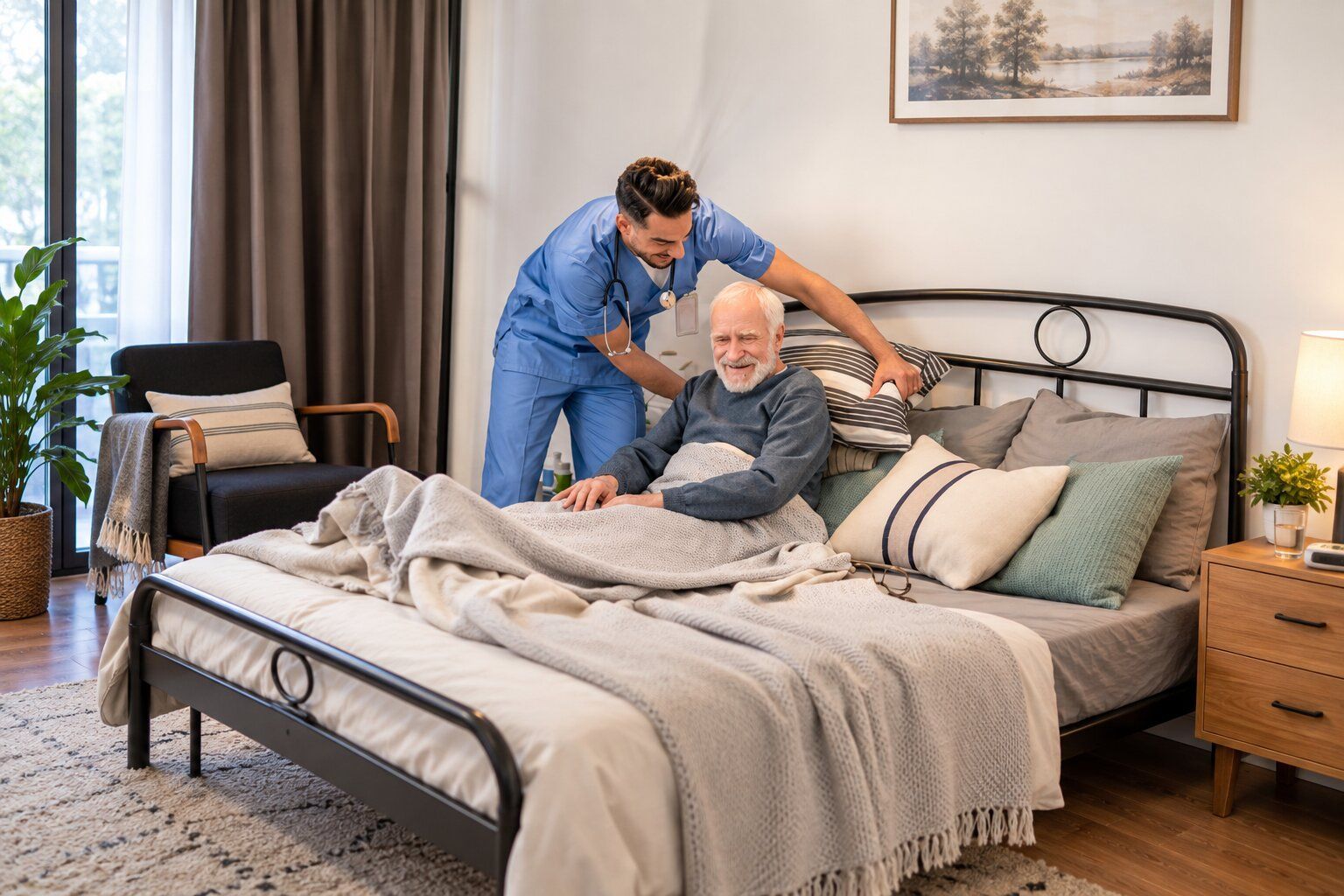
- Daily observation
- Medication reminders
- Monitoring fatigue and breathing
- Reducing stress and overexertion
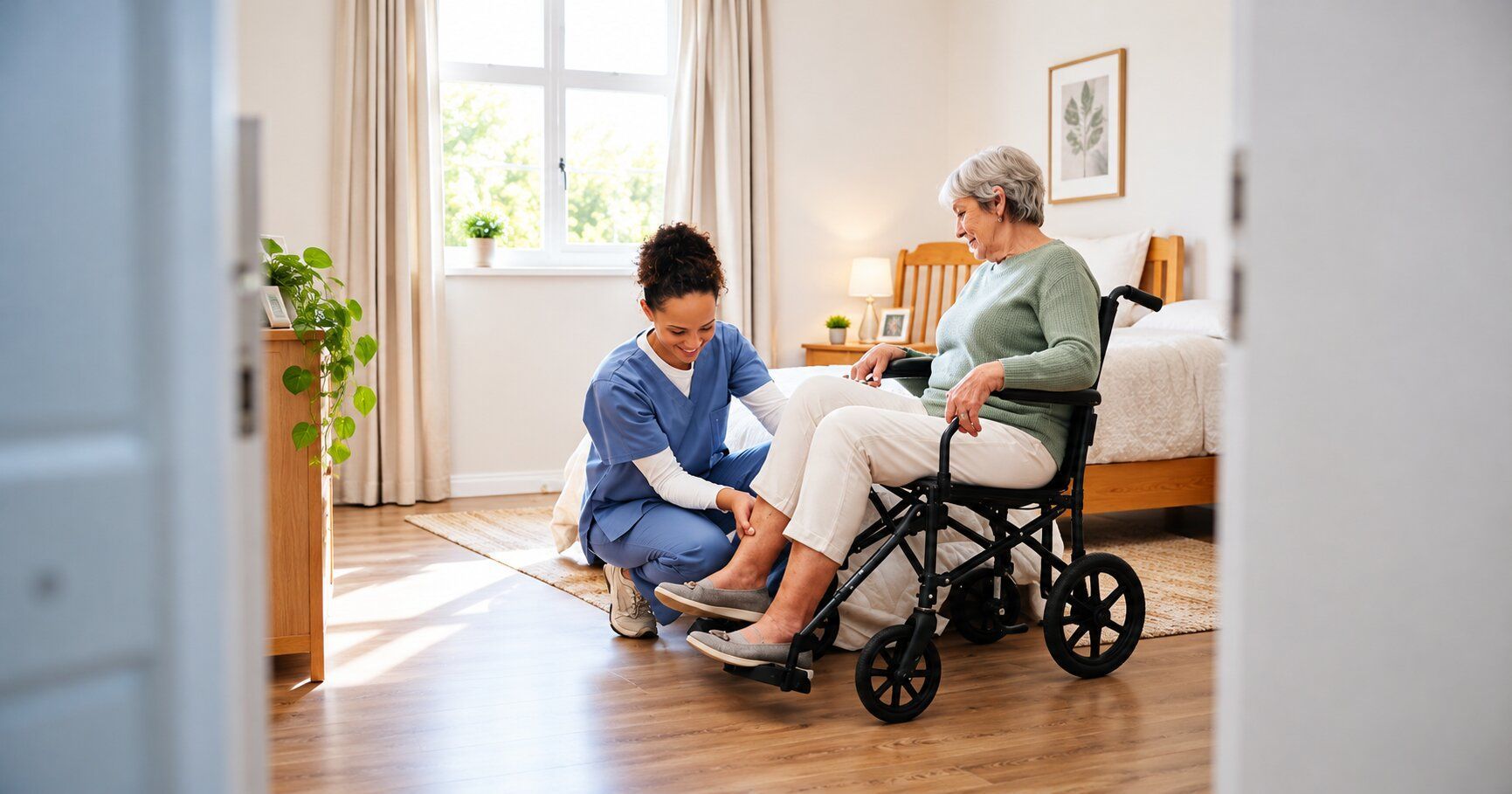
Families using westbury home health care services often feel more confident knowing someone is watching for changes every day.
How Proper Home Health Care Helps Seniors With High Calcium Scores

A high calcium score is not something families should try to manage alone. While doctors handle diagnosis and treatment plans,
daily life is where risks actually show up. This is where structured home health care makes a real difference.
With professional
westbury home health care, seniors get consistent support that focuses on prevention, not panic.
How home health care reduces risk day by day
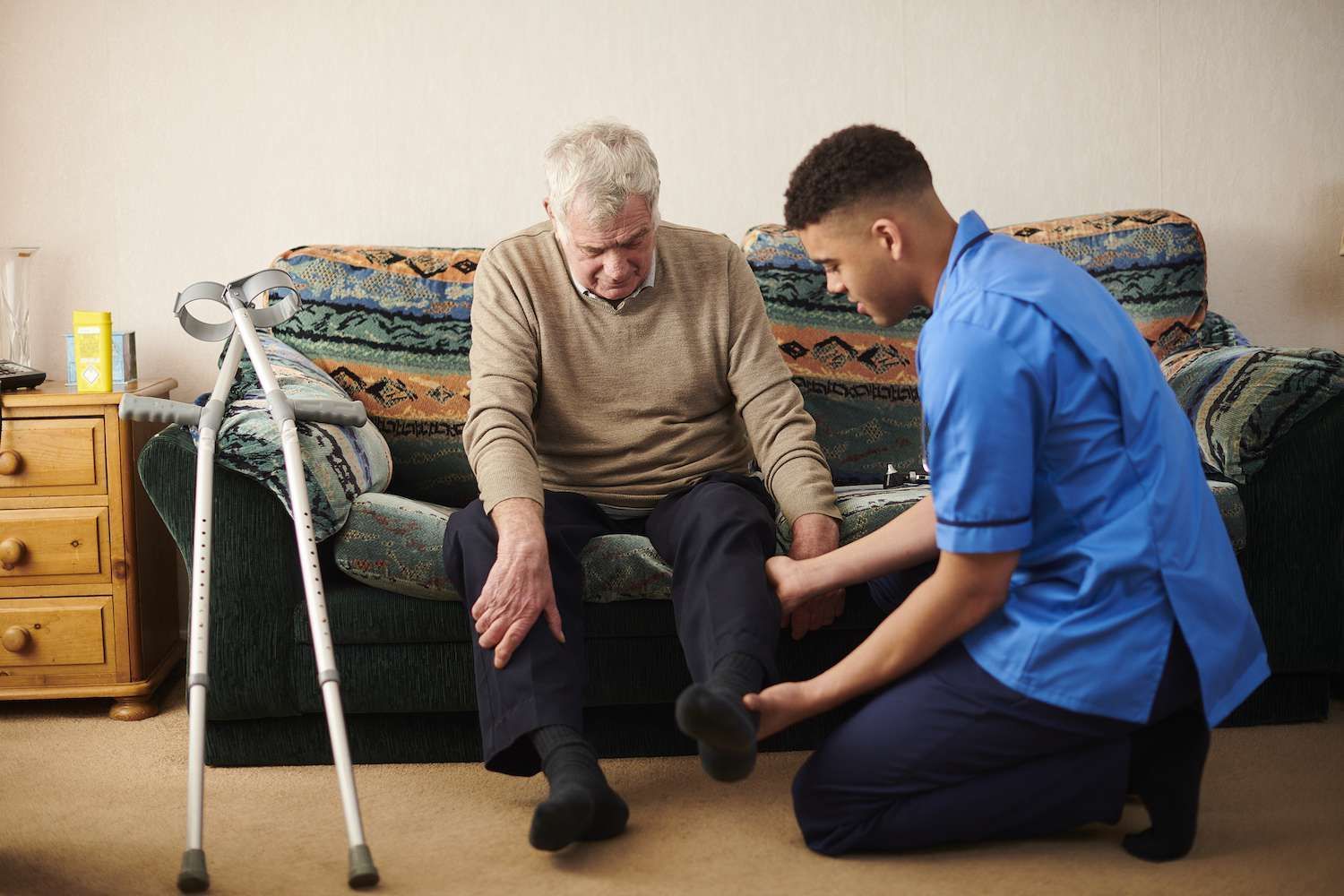
- Daily health observation
Caregivers notice changes in energy, breathing, balance, and mood that families may miss. - Medication reminders
Seniors often forget doses or take them incorrectly. Regular reminders reduce complications. - Vital sign awareness
Monitoring blood pressure, fatigue levels, breathing patterns, and activity tolerance helps detect early issues. - Lifestyle guidance
Caregivers support healthy routines without overwhelming the senior. - Reduced stress
Emotional calm matters. Stress directly affects heart health in older adults.
At 7 Day Home Care, care plans are built around the senior’s real daily habits — not generic checklists.
Role of 24-Hour Home Care for High-Risk Seniors
Not every senior needs round-the-clock care. But for those with
high calcium scores plus additional risk factors, 24-hour supervision can be lifesaving.
This is where 24 hour home care manhasset becomes essential.
When 24-hour care is strongly recommended
- History of heart disease or stroke
- Frequent dizziness or falls
- Night-time confusion or anxiety
- Multiple medications with strict timing
- Living alone with limited family support
Heart-related events don’t follow schedules. Many occur at night or early morning, when seniors are alone and help is delayed.
With 24-hour home care:
- Someone is always present to respond quickly
- Symptoms are noticed early, not hours later
- Emergency decisions are faster and calmer
- Families sleep better knowing help is available
This level of care isn’t about fear — it’s about preparedness.
Why Local, Personalized Home Care Matters in New York
New York seniors face unique challenges: busy households, long travel times to appointments, and family members juggling work and caregiving from a distance.
That’s why local care matters.
Families seeking home care floral park ny, home care garden city ny, or home care in east meadow often prefer caregivers who understand:
- Local healthcare systems
- Area hospitals and emergency response patterns
- Cultural and family expectations
- Neighborhood-specific senior needs
Local caregivers are also more consistent. Familiar faces build trust, which is crucial for seniors who may resist help at first.
At 7 Day Home Care, care isn’t rushed or rotated constantly. Relationships matter — and those relationships improve health outcomes.
Lifestyle Changes That Reduce Risk (With Home Care Support)
A high calcium score doesn’t mean life stops. It means life needs structure.
With home care support, seniors can make safer adjustments without feeling controlled or overwhelmed.
Key lifestyle changes that lower risk
- Heart-friendly meals
Balanced portions, low sodium, regular meal timing - Gentle daily movement
Short walks, stretching, and light activity based on ability - Stress management
Calm routines, emotional support, reduced isolation - Sleep consistency
Regular sleep schedules improve heart recovery - Hydration reminders
Dehydration increases heart strain in seniors - Routine monitoring
Tracking fatigue, breathing, and overall comfort
Caregivers don’t force change. They guide, remind, and support, making healthier habits feel natural.
Questions Families Often Ask About Home Care and Heart Risk
Can home care replace medical treatment?
No. Home care
supports medical treatment by ensuring daily recommendations are followed safely.
How quickly does home care make a difference?
Often immediately. Many families notice improved energy, routine, and peace of mind within the first week.
What if the senior refuses help?
This is common. Experienced caregivers are trained to build trust slowly and respectfully.
Is home care only for very sick seniors?
Not at all. Many seniors use care
preventively, especially with heart-related risks.
Can care hours change over time?
Yes. Care plans are flexible and adjust as health needs change.
How involved can family members be?
As involved as they want. Home care works best as a
team, not a replacement for family.
Quiet Risks Need Daily Attention
A high calcium score without symptoms is not something to ignore — but it’s also not something to fear.
For seniors, the real danger lies in
what goes unseen day to day. Fatigue brushed off. Shortness of breath ignored. Small changes that slowly add up.
With reliable
westbury home health care, families don’t have to guess. They don’t have to wait for emergencies. They don’t have to carry the entire burden alone.
At 7 Day Home Care, the focus is simple:
- Keep seniors safe
- Support independence
- Watch for early warning signs
- Provide calm, consistent care
Heart risk doesn’t always speak loudly. That’s why quiet, attentive support matters most.
If your loved one has a high calcium score, the right home care can turn uncertainty into confidence — and daily worry into steady reassurance.