Home Health Aide in New York: What It Costs, How to Hire, and What to Expect
Home Health Aide in New York: What It Costs, How to Hire, and What to Expect

A home health aide in New York provides non-medical daily support such as help with meals, personal care, companionship, and maintaining daily routines. Families often hire home health aides to support aging loved ones at home while preserving independence and safety.
If you’ve ever found yourself standing in a New York kitchen at 10 p.m., phone in hand, Googling “home health aide near me,” you’re not alone. Most families don’t start this search because they planned to. It usually begins with something small: a missed meal, a fall that wasn’t serious but shook everyone up, or a parent who insists they’re “fine” while clearly struggling with everyday tasks.
Life here moves fast. Work schedules are packed. Commutes eat into the day. And many families are spread across boroughs or Long Island. In that mix, caring for an older loved one can quietly become overwhelming. People start asking practical questions: Who can check in during the day? Who can help with meals or light housekeeping? Who can be there when I can’t?
That’s often where the idea of a home health aide comes into the picture—not as a big, dramatic decision, but as a way to bring a little steadiness back into daily life. For families in places like Floral Park, Garden City, Woodbury, and across Manhattan, the need is similar even if the neighborhoods look different: reliable, human support that fits into an existing routine rather than turning everything upside down.
What does a home health aide do in New York?

There’s a lot of confusion around the term “home health aide.” Some people picture medical care. Others imagine a full-time nurse. In reality, the role is much more grounded in everyday life.
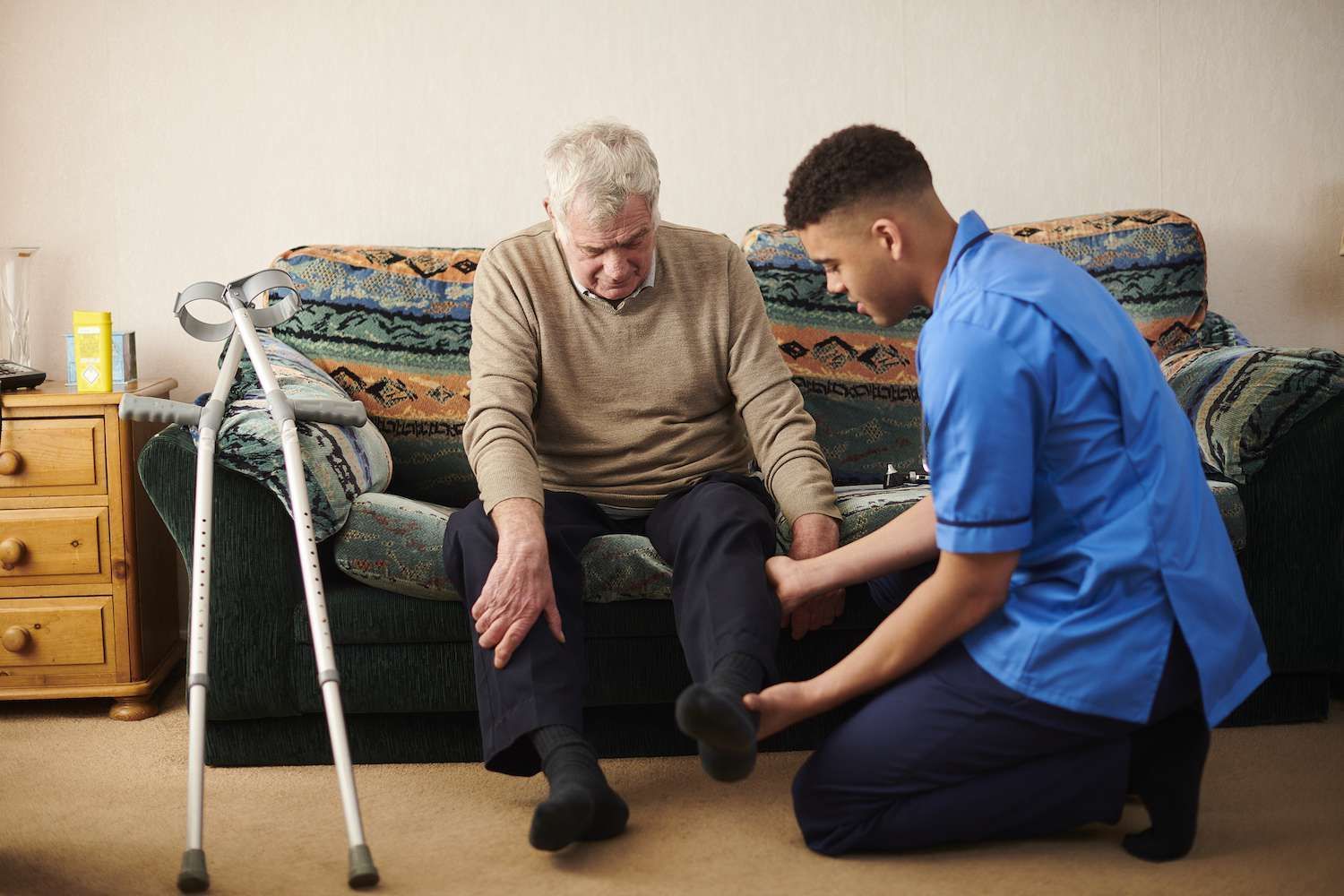
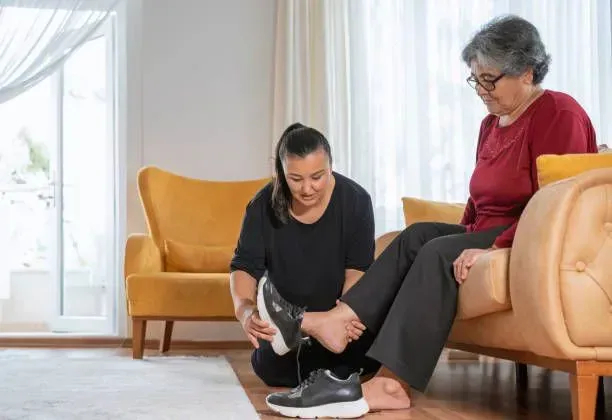
A home health aide typically helps with
non-medical, day-to-day support. Think of the tasks that become harder with age but don’t necessarily require a clinician:
- Preparing simple meals or helping with light meal prep
- Offering reminders for daily routines
- Assisting with getting dressed or moving safely around the home
- Providing companionship during the quieter parts of the day
- Helping keep living spaces tidy enough to feel comfortable and safe
Families often describe the impact in simple terms. “Mom eats better when someone is there.” “Dad’s mood improves when he’s not alone all afternoon.” These aren’t dramatic transformations. They’re small, practical shifts that make the day feel more manageable.
It’s also important to be clear about boundaries. A home health aide isn’t there to diagnose or treat medical conditions. They’re part of the support system that helps daily life run more smoothly. When expectations are realistic from the start, families tend to feel less stressed and more satisfied with the arrangement.
When do families consider hiring a home health aide?
Very few people wake up one morning and decide, out of the blue, to bring in outside help. The decision usually grows out of patterns families notice over time.
Sometimes it starts after a change in routine. A loved one might stop cooking full meals and rely on snacks. Housekeeping slips. Appointments get harder to manage. Other times, it’s the emotional side that stands out—long stretches of the day spent alone, or a noticeable drop in motivation.
There’s also the practical reality of distance. Even when families are committed, being in the same city doesn’t always mean being close by. A son living in Brooklyn may not be able to check in daily on a parent in Floral Park. Someone working long hours in Manhattan might worry about leaving a loved one alone all day. Searching for
home care Floral Park NY or
home care Garden City NY isn’t about convenience—it’s about trying to build a support system that matches real life.
For some families, the turning point comes when caregiving starts to crowd out everything else. They’re juggling work, kids, and their own health, and the weight becomes too heavy to carry alone. In-home support can help redistribute that weight so no one person has to do everything.
How much does a home health aide cost in New York?
Cost is one of the first concerns families raise, and it’s also one of the hardest to pin down with a simple number. New York is diverse, and so are care needs. The cost of in-home support can vary based on hours, level of involvement, and the specific routines a family wants to support.
What’s helpful to keep in mind early on is that most families aren’t looking for “everything.” They’re looking for
the right amount of help. That might mean a few hours a day while someone is at work, or a regular check-in during certain times of the week. Starting small often makes the transition feel less intimidating, both emotionally and financially.
Another thing families learn quickly is that cost isn’t just about money—it’s about value. Having someone there to help a loved one keep a steady routine can reduce stress for the whole family. It can mean fewer last-minute scrambles, fewer anxious check-in calls, and more confidence that daily life is staying on track.
People exploring options often compare services across neighborhoods, looking at
home care Woodbury options or browsing
home care agencies in Manhattan to understand what fits their situation. The goal at this stage isn’t to lock in a perfect plan. It’s to get a sense of what’s possible and what feels sustainable for the long term.
As families move from early research to actual conversations with providers, the questions tend to shift from “How much does this cost?” to “What kind of support would actually make our days easier?” And that’s usually where the conversation becomes more personal, shaped by routines, personalities, and the small details of everyday life.
How to Hire a Home Health Aide Safely and Thoughtfully
Most families approach hiring with a checklist in mind. That’s natural. But the process is less about ticking boxes and more about finding a rhythm that works for everyone involved.
A few grounded questions that often lead to clearer conversations:
- How will this person fit into our daily routine?
Some households are quiet in the mornings and busy in the afternoons. Others are the opposite. Asking how an aide typically supports daily flow can help set expectations on both sides. - What kind of communication works best?
Families differ. Some want quick daily updates. Others prefer a weekly check-in. Getting clear about this early avoids frustration later. - What does a typical day look like with your support?
This question often reveals whether expectations are aligned. It also helps families picture what life might look like once support begins.
It’s also okay to pay attention to how the interaction feels. If conversations feel rushed, unclear, or uncomfortable, that’s useful information. Red flags aren’t always dramatic. Sometimes it’s simply a sense that questions aren’t being answered directly, or that routines are being brushed off instead of respected.
A thoughtful hiring process doesn’t mean perfection. It means leaving space to adjust. Many families find that what they thought they needed at the start changes once real life settles into a new pattern.
What Families Can Expect in the First Few Weeks
The early weeks of in-home support can feel a little awkward. Everyone is learning. Routines are being introduced. Personal space is being renegotiated. That’s normal.
Older adults may take time to warm up to having someone new in their home. Even when support is genuinely helpful, it can feel strange at first. Families often notice small hesitations: a parent insisting they don’t need help with something they clearly struggle with, or choosing to do things “the old way” out of habit.
It helps to treat the first few weeks as a
settling-in period, not a final judgment. Adjustments are part of the process. Schedules may shift. Tasks may be reordered. What felt like a good plan on paper might need small tweaks to fit real life.
Patience here pays off. When families give the situation a little breathing room, routines often begin to feel more natural. The home doesn’t feel “taken over.” It simply feels supported.
Common Misconceptions About Home Health Aides
There are a few myths that tend to create unnecessary worry.
One is the idea that bringing in support means giving up independence. In reality, many families find the opposite. When day-to-day tasks feel lighter, older adults often have more energy for the things they actually enjoy—whether that’s spending time with family, reading, or simply sitting in the sunshine by the window.
Another misconception is that in-home support has to be all-or-nothing. It doesn’t. Support can be flexible. Some families start with just a few hours a week and adjust over time. The goal isn’t to hand everything over. It’s to share the load in a way that feels sustainable.
There’s also the assumption that every arrangement should look the same. It won’t. What works for one household may not work for another. A quiet home in Woodbury has different rhythms than an apartment in Manhattan. The best setups are the ones that adapt to those differences rather than trying to force a one-size-fits-all model.
How In-Home Support Can Support Daily Routines and Quality of Life
When in-home support is working well, it tends to fade into the background of daily life. Not because it’s invisible, but because it fits. Meals happen more regularly. The day has a bit more structure. Small tasks that used to pile up feel manageable again.
Families who work with 7day home care often talk about this sense of steadiness. The support doesn’t revolve around grand changes. It’s about consistency—helping loved ones stick to routines that already matter to them. That consistency can ease tension in the household. It can also give families back a bit of breathing room, knowing that someone is there when they can’t be.
Quality of life, in this sense, isn’t about doing more. It’s about making the ordinary feel easier.
Frequently Asked Questions
Q1.What is a home health aide in New York?
A home health aide provides non-medical support such as personal care, meal help, and companionship for older adults at home.
Q2.Is a home health aide a nurse?
No. Home health aides do not provide medical or nursing care.
Q3.When should families consider a home health aide?
Families often consider in-home support when daily tasks, safety, or isolation become challenging.
A Local Perspective for New York Families

Across neighborhoods and boroughs, the concerns sound surprisingly similar. Families exploring
home care Floral Park NY might be balancing long commutes with caregiving. Those looking into
home care Garden City NY may be supporting a loved one who’s lived in the same home for decades and wants to stay there. People researching
home care Woodbury often mention the challenge of distance—being close enough to care, but not close enough to be there every day. And families comparing
home care agencies in Manhattan face the unique pressures of city life: tight schedules, small living spaces, and constant motion.
Different places, similar goals. Everyone wants support that respects routines, preserves dignity, and fits into the life that’s already there.
Closing Thoughts
Deciding to bring in in-home support isn’t a single moment. It’s a process. Families weigh needs, emotions, logistics, and finances. There’s no perfect path—just the one that feels most workable right now.
Taking the time to ask thoughtful questions, set realistic expectations, and allow for adjustment can make the experience feel less daunting. Over time, what once felt like a big decision often becomes just another part of the rhythm of daily life.