Life Expectancy with Left Ventricular Hypertrophy
Life Expectancy with Left Ventricular Hypertrophy
According to Cleveland Clinic, "Left ventricular hypertrophy can get better or worse. Studies have shown that LVH can improve — and even reverse — when you lower your blood pressure. Other factors come into play, though. If you’ve had high blood pressure a long time and have obesity, you may not be able to reverse LVH. You may be able to live a normal life with LVH if you can manage the condition that caused it. Life expectancy with left ventricular hypertrophy is different from person to person. You may have many other conditions that stress your heart compared to someone who doesn’t. Your provider is the best person to help you understand what you can expect."

Left Ventricular Hypertrophy (LVH) is a condition where the muscle wall of the heart’s main pumping chamber thickens. For seniors and their families, a diagnosis of LVH can raise urgent questions about health, safety, treatment—and most importantly, life expectancy.
This in-depth guide from 7 Day Home Care explains the prognosis for those with LVH, how to reduce associated risks, and how in-home care can improve both quality of life and longevity.
What Is Left Ventricular Hypertrophy?
Left Ventricular Hypertrophy refers to the thickening of the wall of the left ventricle, the heart's main pumping chamber. The thickened muscle can lose elasticity, making it harder for the heart to pump efficiently.
Left Ventricular Hypertrophy Causes
Common causes of LVH include:
- High blood pressure (hypertension) – the #1 cause
- Aortic stenosis – a narrowing of the heart’s aortic valve
- Athletic training (benign form)
- Genetic heart disorders, such as hypertrophic cardiomyopathy
Is LVH Dangerous?
Yes. While some cases may remain stable, LVH is strongly associated with increased risk of:
- Congestive heart failure
- Arrhythmias
- Stroke
- Sudden cardiac death
Life Expectancy with Left Ventricular Hypertrophy
Quick Summary
Life expectancy with Left Ventricular Hypertrophy varies based on cause, severity, and treatment. Mild LVH may not shorten lifespan if managed properly, while severe untreated LVH can reduce life expectancy by 5–10 years or more. Early intervention and blood pressure control are critical.
Factors That Impact Prognosis
1. Severity of the Thickening
- Mild to moderate LVH may not significantly shorten life if treated.
- Severe LVH increases the risk of complications and mortality.
2. Underlying Cause
- Hypertension-related LVH can improve with blood pressure control.
- Genetic forms (e.g., hypertrophic cardiomyopathy) have different risk profiles.
3. Presence of Symptoms
- Asymptomatic patients often have better outcomes.
- Symptoms like shortness of breath, fatigue, or chest pain signal higher risk.
4. Heart Function Metrics
Doctors often evaluate:
- Ejection fraction (EF) – low EF (<40%) often means reduced prognosis
- Diastolic function – poor filling of the heart can worsen outcomes
5. Age and Other Conditions
Elderly patients with diabetes, kidney disease, atrial fibrillation, or COPD have increased risk.
Average Life Expectancy Statistics
ConditionEstimated Life Expectancy ImpactMild LVH + controlled blood pressureNormal life expectancyModerate LVH + no other illnessSlight reduction (0–5 years)Severe LVH + heart failure symptoms5–10 years shorter lifespanSevere LVH + untreated hypertension + comorbiditiesUp to 10–15 years shorter
⚠️ Important: Prognosis improves dramatically with early detection, medication, lifestyle changes, and regular monitoring.
Signs and Symptoms to Watch For
- Shortness of breath (especially during exertion)
- Chest pain or tightness
- Heart palpitations or irregular rhythm
- Fatigue and weakness
- Swelling in legs or feet (sign of fluid retention)
- Fainting or dizziness (more rare)
If you notice any of these in a senior family member, call their cardiologist or primary care provider immediately.
How Is LVH Diagnosed?
Diagnostic Tools
- Echocardiogram (Echo) – most reliable test
- Electrocardiogram (ECG) – may show voltage changes
- MRI of the heart – detailed muscle wall imaging
- Blood pressure monitoring – often reveals the root cause
Blood Pressure Is Key
Nearly 75% of LVH cases are linked to uncontrolled high blood pressure over time.
Can LVH Be Reversed?
In many cases—yes. This is a critical point for families:
With proper treatment, mild to moderate LVH can be reversed or stabilized, preventing progression to heart failure.
Treatment Goals
- Lower blood pressure to <130/80 mmHg
- Reduce heart muscle strain
- Control heart rhythm
- Address underlying valve issues or genetic components
Medications Used to Manage LVH
Common drug classes used:
- ACE inhibitors (e.g., Lisinopril)
- ARBs (e.g., Losartan)
- Beta blockers (e.g., Metoprolol)
- Calcium channel blockers (e.g., Amlodipine)
- Diuretics – for fluid control
These medications can help the heart remodel, reducing muscle thickness over time.
Lifestyle and Home-Based Interventions
Families often ask: Can lifestyle change really impact LVH?
Absolutely. Lifestyle management plays a huge role in improving long-term outcomes.
Key Lifestyle Steps
- Daily blood pressure checks at home
- Low-sodium, heart-healthy diet
- Weight loss if overweight
- Moderate aerobic exercise (as approved by cardiologist)
- No smoking or alcohol excess
- Sleep apnea evaluation and treatment
Role of In-Home Care in LVH Management
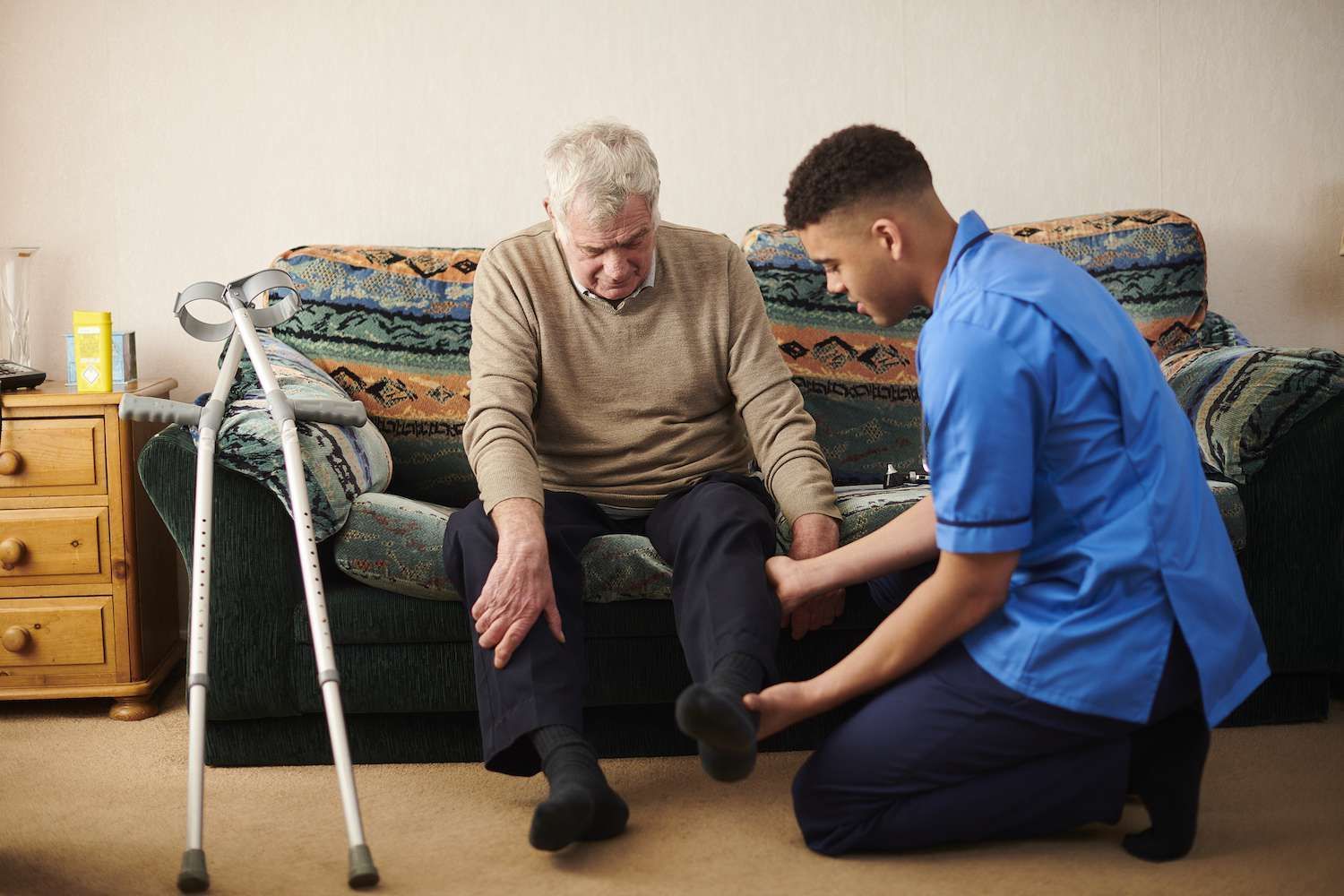
Many patients with LVH—especially older adults—benefit greatly from skilled in-home care.
7 Day Home Care Can Help:
- Daily blood pressure monitoring
- Medication management and adherence support
- Post-hospital recovery after heart failure or surgery
- Help with low-sodium, cardiac diets
- Physical therapy related and guided exercise routines
- Transportation accompanyment to cardiology appointments
- Fall prevention and safety assessments
Our trained caregivers can help reduce hospital readmissions, improve medication compliance, and provide peace of mind for families.
LVH and Related Conditions
Patients with LVH are at higher risk for several complications:
ConditionRisk LevelAtrial FibrillationHighStrokeHighHeart FailureHighSudden Cardiac ArrestModerate–HighCoronary Artery DiseaseElevated riskKidney DysfunctionCommon with uncontrolled BP
Early intervention with proper care dramatically lowers these risks.
Frequently Asked Questions (FAQ)
🧠 What is the difference between LVH and heart failure?
LVH is a structural change. Heart failure is a clinical syndrome that may occur if LVH progresses and the heart loses function.
🧠 Can you live a long life with LVH?
Yes—especially if it’s mild or moderate and treated early. Regular follow-ups, medication, and home monitoring are key.
🧠 Does LVH always mean high blood pressure?
Not always. Some people develop LVH due to aortic valve disease, genetic conditions, or endurance sports.
🧠 When should in-home care be considered?
Any senior with multiple chronic conditions, medication needs, or mobility issues should consider home care to stay safe and independent.
When to Call 7 Day Home Care
At 7 Day Home Care, we work with your cardiologist or primary care team to provide custom in-home support tailored to patients with LVH and related heart conditions.
Call us today if your loved one:
- Was recently diagnosed with LVH
- Needs help managing high blood pressure
- Has difficulty remembering medications
- Has been hospitalized for heart failure or stroke
- Needs 24/7 monitoring or mobility assistance
We are available 7 days a week and accept long-term care insurance, private pay, and more.
This article is for informational purposes only and is not intended to serve as a substitute for professional medical advice, diagnosis, or treatment. Always consult a qualified healthcare provider with any questions you may have regarding a medical condition such as Left Ventricular Hypertrophy. 7 Day Home Care does not provide medical care, but partners with patients, families, and licensed professionals to support safe, non-medical home care services in accordance with New York State regulations.
Final Takeaway
Left Ventricular Hypertrophy doesn’t have to shorten life—especially when caught early and managed properly. With early detection, effective treatment, and compassionate home care, many patients can live full, active lives well into old age. Let 7 Day Home Care support your family every step of the way. 7 Day Home Care is the top private pay and long term care insurance in-home care services provider throughout Manhattan, Long Island, NYC, Queens, and Brooklyn, New York, offering peace of mind to families who want trusted, consistent support for their loved ones. Call us today at 516-408-0034 to schedule a free consultation.
Brian Callahan
7 Day Home Care