Life After Hospital Discharge: How Stroke Changes Everyday Life at Home
Life After Hospital Discharge: How Stroke Changes Everyday Life at Home
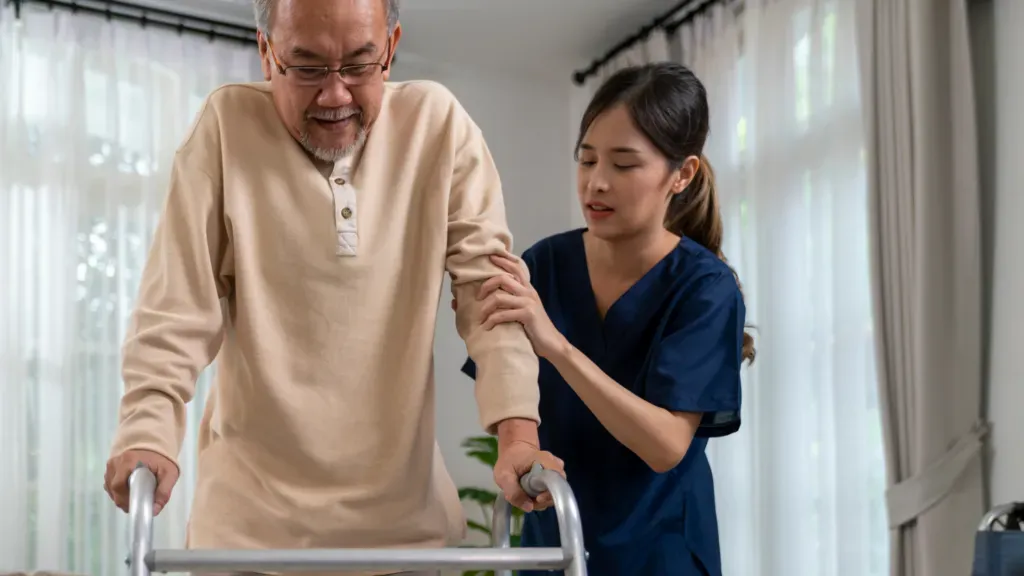
Coming home after a stroke feels like the end of a difficult chapter.
The hospital stay is over. Doctors say the patient is stable. Families finally sleep in their own beds again.
But for most families, this is when the real challenges begin.
Hospital discharge does not mean life goes back to normal. Stroke recovery continues at home, and everyday life often looks very different than families expected. Many caregivers feel unsure, stressed, and unprepared—even though they are doing their best.
This guide is written to help families understand what truly changes after a stroke and how home care can make this transition safer and more manageable.
Life After Hospital Discharge: Why Families Feel Unprepared
In the hospital, care is structured.
At home, everything depends on the family.
Most families are given discharge papers, medication lists, and short instructions. What they are not given is a clear picture of daily life after stroke. Small tasks suddenly feel heavy. Decisions feel constant. Fear quietly builds.
Families often feel unprepared because:
- Recovery is slower than expected
- Progress is not steady—good days and bad days happen
- There is no medical support nearby
- Care responsibilities fall on one or two people
Many caregivers say the same thing:
“No one told us it would feel like this.”
That feeling is common, especially during the first few weeks at home.
How Stroke Changes Daily Life at Home
A stroke affects how the body and brain work together. Because of this, daily routines change.
Things that once felt automatic now require effort and support. Mornings take longer. Simple movements need planning. Even resting becomes part of the routine.
At home, families notice changes such as:
- Difficulty walking or standing safely
- Trouble holding utensils or cups
- Slower speech or confusion
- Needing help with dressing or bathing
- Extreme tiredness during the day
These changes can be frustrating for the patient and emotional for the family. Caregivers often try to encourage independence while also worrying about safety.
Finding the right balance takes time.
How Paralysis After Stroke Affects Home Care
Many stroke survivors experience partial or complete paralysis. This usually affects one side of the body.
Paralysis does not mean the person cannot move at all. It often means movement is weak, unsteady, or unreliable. This makes daily care more complex.
Caring for a Paralysis Patient at Home
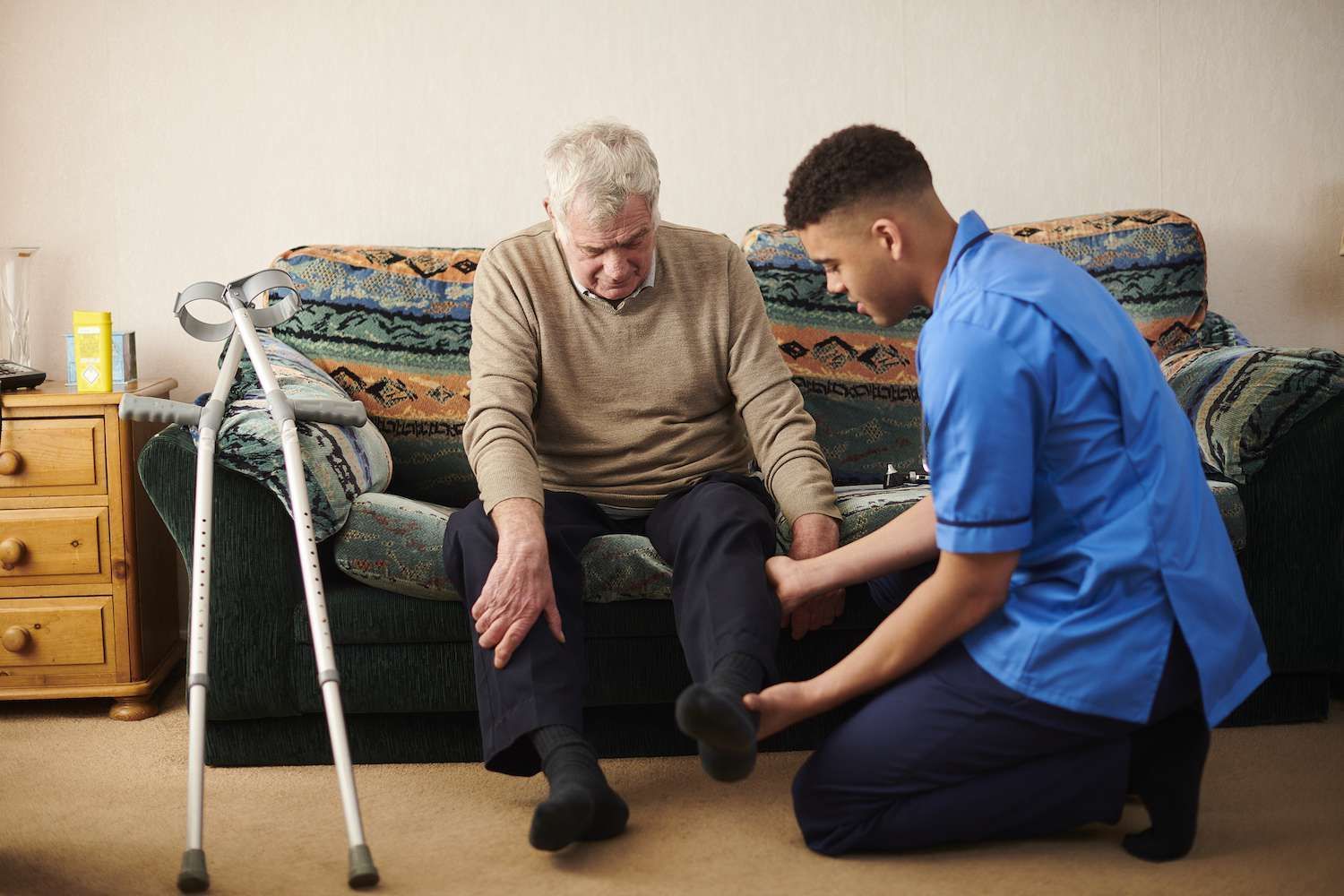
When paralysis is involved, families quickly realize that caregiving becomes physical work.
Helping a loved one sit, stand, or move from bed to chair requires strength and proper technique. Without training, caregivers risk injuring themselves or the patient.
Common challenges include:
- Poor balance and fall risk
- Difficulty moving in small spaces
- Fear during transfers
- Loss of confidence for the patient
This is why many families eventually look for professional guidance, especially those searching for westbury home health care services after discharge.
Bathroom, Hygiene, and Privacy Challenges
Bathrooms are one of the most difficult areas after a stroke.
They are small, slippery, and not designed for limited mobility. Paralysis makes turning, sitting, and standing harder. Fear of falling is common.
Beyond safety, dignity becomes a concern.
Patients may feel embarrassed needing help with bathing or toileting. Family members may feel uncomfortable or unsure how to help respectfully.
Common issues families face include:
- Trouble getting on and off the toilet
- Shower safety concerns
- Accidents that cause emotional distress
- Rushing hygiene tasks due to fear
These situations are emotionally heavy, not just physically challenging. Professional caregivers are trained to handle these moments calmly and respectfully, which helps protect dignity for everyone involved.
Bed Care, Skin Care, and Pressure Sores
Limited movement increases the risk of pressure sores. These are skin wounds caused by staying in one position too long.
Pressure sores develop quietly. Families may not notice early signs until the skin is already damaged.
At home, caregivers must pay attention to:
- Repositioning the patient regularly
- Keeping skin clean and dry
- Watching for redness or irritation
- Supporting safe bed mobility
Many families are surprised to learn how important these small daily actions are. Without proper care, skin problems can lead to serious complications.
Medication Management After Stroke
Medication routines often become confusing after discharge.
Prescriptions change. Dosages adjust. New medicines are added. Families are expected to manage all of this correctly.
Common medication issues include:
- Missed doses
- Taking medicines at the wrong time
- Confusion about food instructions
- Delayed refills
These mistakes are not caused by carelessness. They happen because families are overwhelmed. Managing medications alone while handling daily care is stressful.
This is one reason families in home care floral park ny and nearby areas seek support—to reduce errors and stress.
Emotional Stress on Family Caregivers

Caregiving is demanding, even when done with love.
Over time, caregivers may feel exhausted, anxious, or emotionally drained. Many push their own needs aside.
Warning signs of caregiver burnout include:
- Constant tiredness
- Irritability or frustration
- Trouble sleeping
- Feeling overwhelmed or guilty
- Loss of patience
When caregivers are overwhelmed, care quality suffers. This does not mean they failed—it means they need support.
When Family Care Is No Longer Enough
There is a point when caregiving becomes unsafe or unsustainable.
Families should consider professional help when:
- Falls or near-falls occur
- Caregivers experience physical pain
- Medication routines are missed
- The patient needs constant supervision
- Emotional stress becomes overwhelming
Seeking help early can prevent emergencies and protect both patient and caregiver.
Families looking for home care garden city ny services often reach this point after trying to manage everything alone.
How Professional Home Care Helps After Stroke
Professional home care provides support inside the home, where recovery actually happens.
Caregivers assist with:
- Safe mobility and transfers
- Bathing and hygiene
- Medication reminders
- Skin and bed care
- Daily routines
Home care reduces stress for families and improves safety for patients. It allows caregivers to focus on emotional support instead of constant monitoring.
Why Families Choose 7 Day Home Care
Families choose 7 Day Home Care because they want calm, reliable support after discharge.
The focus is on patience, safety, and understanding real home situations—not rushing recovery or replacing family involvement.
Care plans are flexible. Support adjusts as needs change. Families stay involved while gaining peace of mind.
Frequently Asked Questions (FAQs)
Q1.How long does stroke recovery take at home?
Recovery is different for everyone. Some people improve within months, while others need longer support.
Q2.When should home care start after hospital discharge?
Home care can begin immediately after discharge, especially if mobility or safety is a concern.
Q3.Can home care help paralysis patients?
Yes. Home care supports mobility, hygiene, safety, and daily routines for paralysis patients.
Q4.Is home care better than a nursing home after stroke?
Many families prefer home care because patients recover better in familiar surroundings.
Q5.How many hours of home care are needed?
This depends on the patient’s condition. Some need a few hours daily, others need more.
Q6.Does home care support family caregivers too?
Yes. Home care reduces stress and helps families avoid burnout.
Moving Forward After Stroke
Life after a stroke is not easy, especially after hospital discharge. Recovery does not follow a straight path. Some days feel encouraging, while others feel slow and exhausting. This is a normal part of stroke recovery at home, and families should not expect to handle everything perfectly from the beginning.
Many families across Long Island try to manage care on their own at first. Over time, daily responsibilities can become physically and emotionally demanding, particularly when mobility issues or paralysis are involved. Families searching for westbury home health care, home care floral park ny, or home care garden city ny often reach this point when they realize that consistent support can make everyday care safer and less stressful.
When Caring for a Paralysis Patient at Home, asking for help is not a sign of weakness. It is a way to protect both the patient and the caregiver. With the right support in place, stroke recovery at home can feel calmer, more organized, and more manageable.
Families who feel overwhelmed or unsure about the next step can reach out to 7 Day Home Care for a free consultation. This conversation allows families to ask questions, understand care options, and decide what level of support feels right for their situation. The goal is dignity, comfort, and peace of mind—for both the person recovering from a stroke and the family caring for them.