Living With Parkinson’s Disease: How In-Home Care Helps Seniors Stay Safe, Independent & Comfortable
Living With Parkinson’s Disease: How In-Home Care Helps Seniors Stay Safe, Independent & Comfortable

What Daily Life With Parkinson’s Really Feels Like
For many seniors, Parkinson’s disease doesn’t arrive all at once. It enters quietly, through small changes that are easy to overlook. A slight tremor in the hand. Taking longer to button a shirt. Feeling unusually tired after simple tasks. Over time, these moments begin to shape everyday life.
Families often describe it as watching independence slowly become harder to hold onto. Seniors may still want to do things on their own, but their bodies don’t always cooperate. Everyday routines start to feel unpredictable. Confidence fades. Safety becomes a constant concern.
This is why conversations around parkinson’s disease in-home care and parkinson home care are becoming more common. Families aren’t just looking for medical information — they’re trying to understand how to protect dignity, comfort, and independence as daily challenges grow.
What Is Parkinson’s Disease?
Parkinson’s disease is a condition that affects how the brain controls movement. It causes messages between the brain and muscles to slow down or become unclear. As a result, movements that once felt automatic — like walking, standing up, or using your hands — require more effort and concentration.
Parkinson’s is a progressive condition, meaning symptoms tend to change and increase over time. While everyone experiences it differently, most seniors notice gradual changes rather than sudden ones.
It’s important to understand that Parkinson’s doesn’t only affect movement. It can also impact energy levels, balance, mood, and overall confidence — all of which influence daily life at home.
How Parkinson’s Changes Daily Life Over Time
Movement Becomes Slower and Less Predictable
One of the most noticeable effects of Parkinson’s is slowed movement. Simple actions like getting out of bed, turning around, or reaching for objects can take longer than expected. Seniors often describe feeling “stuck” for a moment before their body responds.
These delays may seem small, but over time they affect how safely someone can move around their home.
Stiffness and Muscle Tightness
Muscle stiffness is common and can make movement uncomfortable. Seniors may struggle to bend, twist, or maintain posture. This stiffness can worsen after sitting or lying down for long periods, making transitions more difficult.
Ongoing Fatigue
Many seniors with Parkinson’s feel tired even after rest. Fatigue can reduce motivation to stay active, socialize, or leave the house — which can slowly lead to isolation.
Families exploring home care services Queens or looking into home healthcare agencies in Long Island NY often notice that fatigue, not just tremors, plays a major role in daily struggles.
Tremors and Slow Movement: More Than a Physical Challenge
Living With Tremors
Tremors are one of the most recognized symptoms of Parkinson’s. Shaking in the hands, arms, or legs can make eating, writing, or holding objects frustrating and embarrassing. Many seniors try to hide tremors, which can affect confidence and self-esteem.
Slowness That Interrupts Routine
Slow movement, known as bradykinesia, can turn everyday tasks into exhausting experiences. Activities that once took minutes may take much longer, leading seniors to avoid them altogether.
This loss of speed often affects independence more than families initially realize.
Difficulty Walking and Balance Issues
Changes in Walking Pattern
Parkinson’s can alter the way seniors walk. Steps may become shorter, posture may lean forward, and turning can feel unstable. Some seniors experience sudden pauses where their feet feel “stuck” to the floor.
Increased Risk in Everyday Spaces
Balance issues make familiar environments risky. Bathrooms, kitchens, hallways, and stairs can become challenging — even without obvious hazards.
For families considering home health agencies in Long Island or similar support options, walking and balance issues are often one of the main reasons they begin seeking guidance.
Fear of Falling and Loss of Confidence
When Fear Controls Movement
After one fall or near-fall, many seniors develop a fear of moving freely. They may walk less, avoid certain rooms, or stop going outside. While this fear is understandable, reduced movement often leads to further weakness.
The Emotional Cost of Falls
Falls don’t just affect the body. They affect confidence, independence, and peace of mind. Seniors may feel embarrassed, anxious, or frustrated by the need for caution.
Over time, this fear can shape how seniors live their daily lives — even when they want to stay active.
Trouble With Daily Activities
Tasks That Become Difficult
Parkinson’s can interfere with many daily activities, including:
Dressing and fastening buttons
- Bathing safely
- Preparing meals
- Writing or using phones
- Managing household tasks
What makes this difficult is not just physical limitation, but the emotional impact of needing help with personal routines.
Preserving Dignity Matters
Seniors often want assistance without feeling dependent. Maintaining dignity and privacy is just as important as physical safety.
This is why families researching parkinson home care often prioritize support that respects independence rather than taking it away.
The Emotional Impact: Frustration and Isolation
Feeling Understood — or Not
Living with Parkinson’s can feel isolating. Seniors may feel misunderstood by those who don’t see the daily effort required to complete basic tasks. Frustration builds when the mind wants to move, but the body doesn’t cooperate.
Withdrawal From Social Life
As symptoms progress, many seniors begin avoiding social situations due to embarrassment, fatigue, or mobility concerns. Reduced social interaction can affect mood and overall well-being.
Families navigating care options through home healthcare agencies in Long Island NY or similar providers often notice that emotional support becomes just as important as physical assistance.
Safety, Independence, and Dignity: The Core Priorities
At its heart, Parkinson’s care is not just about managing symptoms — it’s about protecting quality of life.
Seniors want to:
- Feel safe in their own homes
- Maintain as much independence as possible
- Be treated with respect and patience
Understanding how Parkinson’s affects daily life is the first step. Recognizing when challenges begin to interfere with safety and confidence is the next.
For families supporting loved ones with Parkinson’s, this knowledge helps guide thoughtful decisions — ones that focus not just on medical needs, but on daily comfort, routine, and dignity.
In the next section, we’ll explore how consistent daily support and in-home care can help seniors with Parkinson’s continue living safely and comfortably at home.
How In-Home Care Helps Seniors With Parkinson’s Disease Live Safely at Home

Why Parkinson’s Often Requires Daily Support — Not Just Medical Visits
Parkinson’s disease doesn’t follow a neat schedule. Symptoms fluctuate from day to day and sometimes from hour to hour. A medical appointment can help adjust treatment, but it cannot address the countless small challenges that happen at home every day.
What many families discover over time is that Parkinson’s care is less about occasional checkups and more about consistent daily support. Movement changes, balance issues, fatigue, and emotional ups and downs all affect how safely and comfortably a senior can live at home. Without steady help, even simple routines can become stressful or risky.
This is where parkinson’s disease in-home care becomes essential. Daily support fills the gap between medical guidance and real-life needs.
Mobility and Walking Support: Staying Active Without Risk
Helping Seniors Move With Confidence
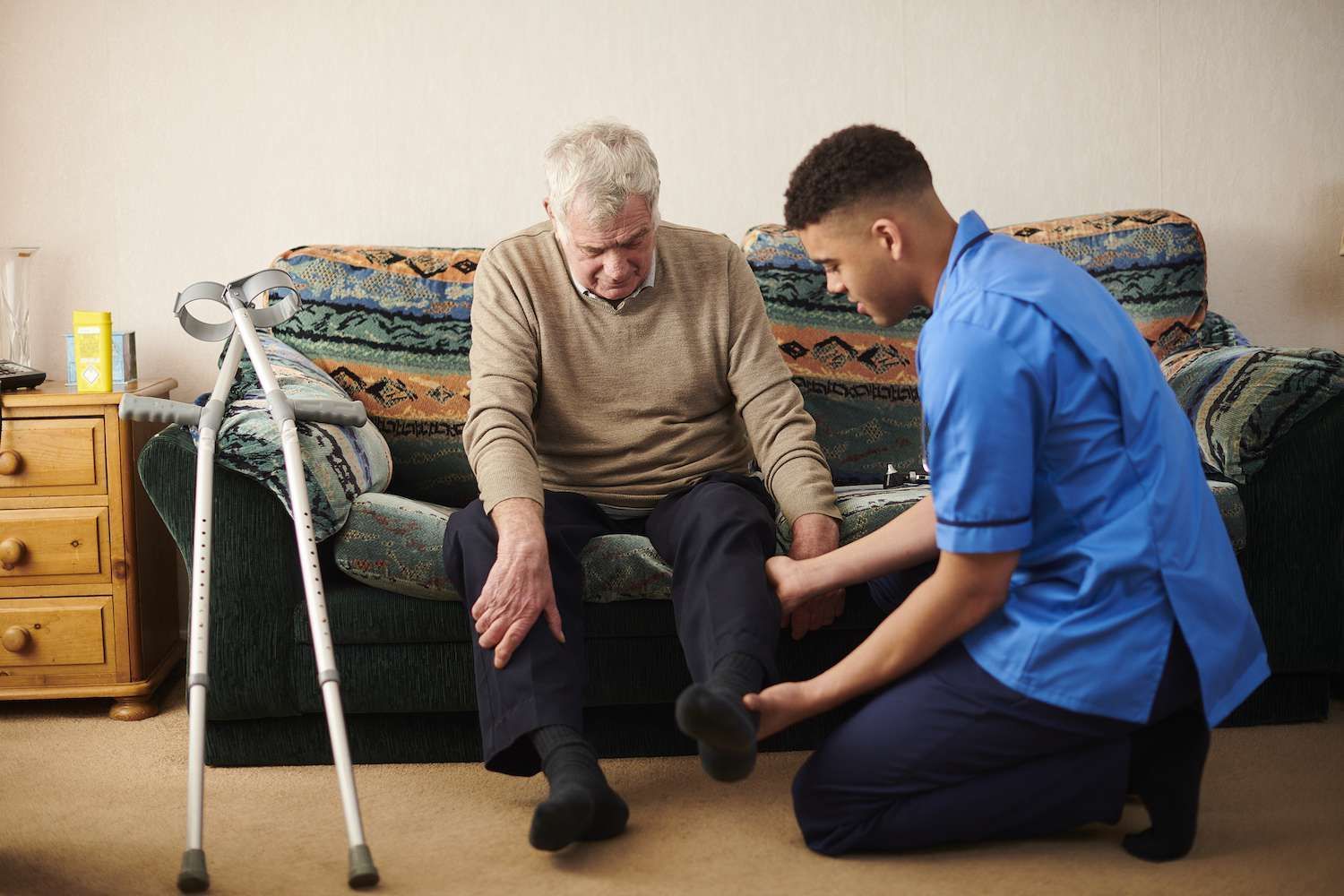
Walking with Parkinson’s can feel unpredictable. Some days are smoother than others. Seniors may experience shuffling steps, freezing in place, or difficulty turning. In-home care focuses on safe movement, not rushing or forcing independence.
Caregivers provide gentle assistance with:
- Standing up and sitting down safely
- Walking through hallways and rooms
- Navigating stairs or entryways
- Maintaining posture and balance
This kind of support reduces the fear of falling and encourages seniors to stay mobile, which is crucial for long-term strength and confidence.
Encouraging Safe Daily Activity
Avoiding movement can worsen stiffness and weakness. With calm supervision and encouragement, seniors are more likely to stay active without putting themselves at risk.
Families exploring home care services queens often seek this balance — help that supports movement without taking over.
Fall Prevention and Home Safety
Identifying Everyday Risks
Falls are one of the biggest concerns for seniors with Parkinson’s. In-home care helps identify risks that families may overlook, such as:
- Cluttered walkways
- Poor lighting
- Slippery bathroom floors
- Furniture that makes movement difficult
Caregivers stay alert to these issues during daily routines, helping seniors move safely through familiar spaces.
Reducing Anxiety Around Falls
Knowing that someone is present to assist can significantly reduce anxiety. Seniors often feel more secure taking necessary steps when they are not alone, which helps preserve independence rather than limit it.
Medication Reminders and Routine Consistency
Why Consistency Matters
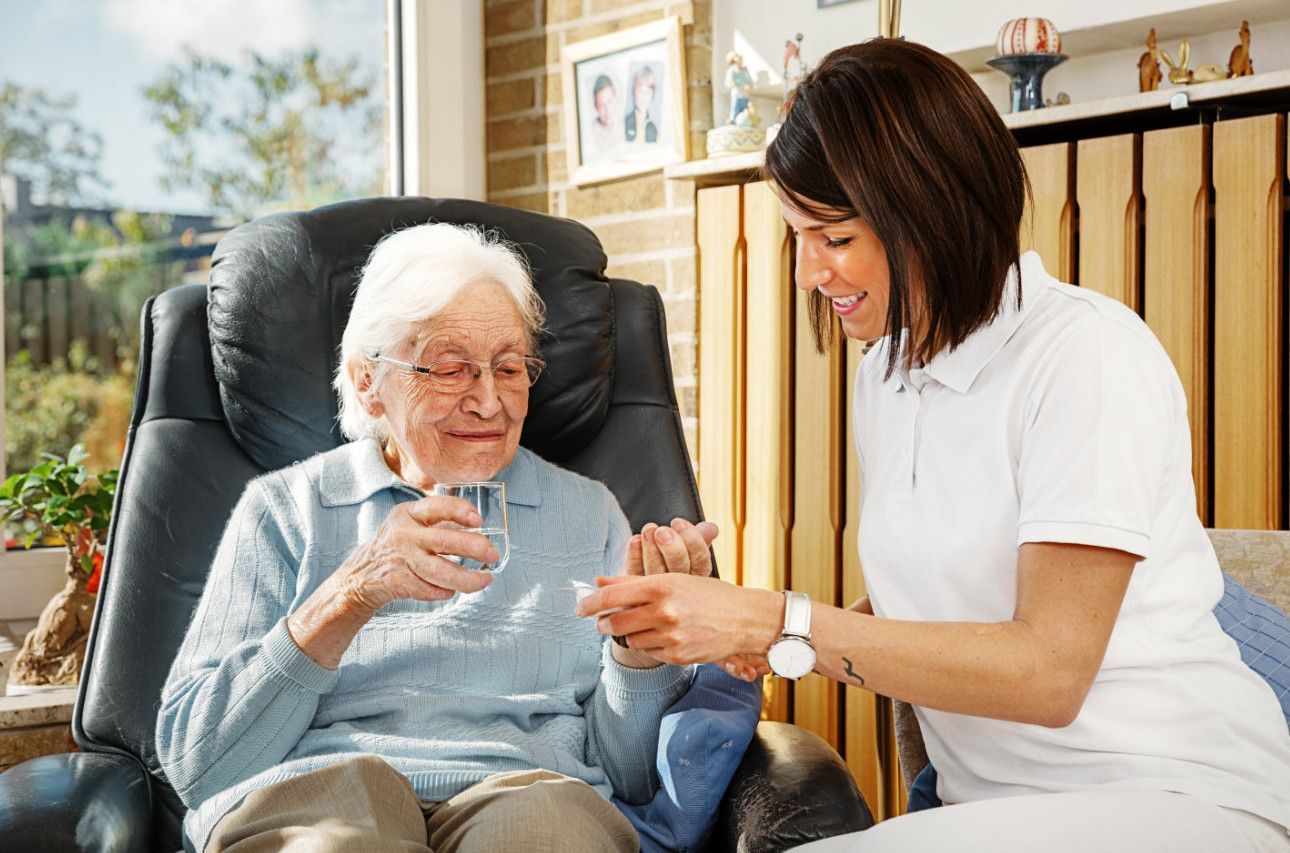
Parkinson’s medications work best when taken on a consistent schedule. Missed or delayed doses can worsen symptoms, leading to stiffness, tremors, or increased fatigue.
In-home caregivers help by:
- Providing gentle medication reminders
- Supporting daily routines tied to meals or activities
- Noticing changes that families should be aware of
This consistency helps stabilize symptoms and makes daily life more predictable.
Supporting the Whole Routine
Beyond medication, routines bring structure to the day. Predictable schedules help reduce confusion, anxiety, and fatigue — all common challenges for seniors with Parkinson’s.
Assistance With Daily Activities — Without Taking Away Dignity
Supporting Personal Care
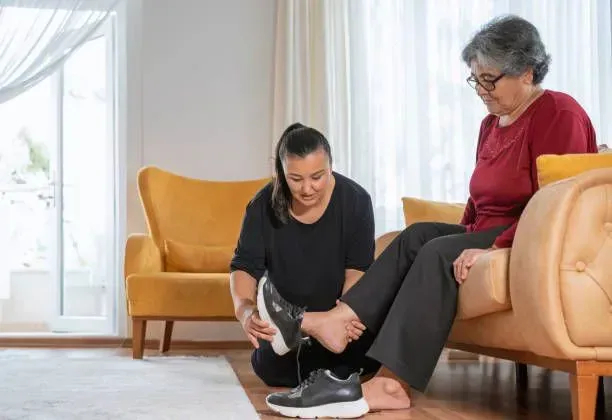
Daily tasks such as bathing, dressing, and grooming can become difficult due to stiffness or tremors. In-home care provides assistance while respecting privacy and independence.
Caregivers offer help that is:
- Patient and unhurried
- Respectful of personal preferences
- Focused on safety and comfort
The goal is not to take control, but to support seniors in doing as much as they comfortably can on their own.
Help With Meals and Household Tasks
Preparing meals, carrying dishes, or managing household chores can become tiring or unsafe. With assistance, seniors can continue enjoying daily life without unnecessary strain.
Families working with home healthcare agencies in long island ny often emphasize the importance of this kind of practical, everyday help.
Emotional Support and Companionship
Addressing Isolation and Frustration
Living with Parkinson’s can be emotionally challenging. Seniors may feel frustrated by their limitations or isolated from social activities they once enjoyed.
In-home caregivers provide more than physical assistance. They offer:
- Companionship
- Conversation and engagement
- Emotional reassurance
This human connection plays a powerful role in maintaining mental and emotional well-being.
Supporting Family Peace of Mind
Families often worry about their loved one being alone for long periods. Knowing that someone is present — observing, assisting, and offering companionship — brings significant peace of mind.
How Consistent Daily Routines Reduce Risk and Improve Comfort
Consistency is one of the most effective tools in Parkinson’s care. Regular routines help seniors know what to expect, which reduces stress and confusion.
Benefits of structured daily support include:
- Fewer falls and accidents
- Improved medication effectiveness
- Better sleep patterns
- Increased confidence in daily activities
With routine comes stability — something that becomes increasingly valuable as Parkinson’s progresses.
Professional In-Home Care: Support That Adapts Over Time
Parkinson’s changes gradually, and care needs change with it. Professional in-home care adapts as symptoms evolve, providing the right level of support at each stage.
Providers like 7day home care focus on supporting both seniors and their families through this progression. Care is centered on safety, dignity, and comfort — not rushing decisions or promoting unnecessary services.
For families seeking parkinson home care through home health agencies in long island or nearby communities, this adaptability is key. Caregivers work alongside families to:
Maintain safe daily routines
- Adjust support as needs change
- Reduce caregiver burnout
- Keep seniors comfortably at home
A Gentle Next Step for Families
Choosing in-home care is not about giving up independence — it’s about protecting it. With the right daily support, seniors with Parkinson’s can continue living at home safely, with dignity and comfort.
For families in Queens, Long Island, and surrounding areas, exploring professional in-home care can be a thoughtful step toward long-term stability and peace of mind. If Parkinson’s symptoms are beginning to interfere with daily routines or safety, learning more about supportive care options may help families feel more confident moving forward.
In the final section, we’ll address common questions families have about Parkinson’s care at home and how to decide when additional support may be helpful.