Vitamin D Deficiency in Older Adults: Hidden Symptoms, Bone Health & Daily Care Needs
Vitamin D Deficiency in Older Adults: Hidden Symptoms, Bone Health & Daily Care Needs
The Quiet Problem Many Families Miss
For many families, aging looks like a slow, expected change. A little more tired than before. Slight aches in the knees. Moving a bit slower around the house. These things are often brushed off as “normal old age.” But in reality, many seniors are dealing with something deeper — Vitamin D deficiency — without anyone realizing it.
What makes Vitamin D deficiency especially concerning is how quietly it affects older adults. There is no sudden emergency. No dramatic warning sign. Instead, it shows up in small, everyday ways: low energy, weak legs, balance issues, or a fear of going outside. Over time, these changes can reduce independence and increase the risk of falls, fractures, and long recovery periods.
Families providing care at home NYC, or those supporting loved ones through home health care in Brooklyn, Manhattan, or Long Island, often see these signs but may not connect them to a nutritional deficiency. This guide is meant to help families understand what Vitamin D deficiency really looks like in older adults — and why it matters so much in daily life.
What Is Vitamin D and Why Does It Matter So Much for Seniors?
Vitamin D plays a key role in keeping the body strong and balanced. It helps the body absorb calcium, supports muscle function, and contributes to overall bone health. It also plays a role in immune strength and mood regulation.
For younger adults, Vitamin D often comes from a combination of sunlight, food, and supplements. But as people age, this balance changes.
Why Older Adults Are at Higher Risk
Several age-related factors make seniors more vulnerable to Vitamin D deficiency:
- Less sunlight exposure: Many older adults spend more time indoors, especially in cities like New York where winters are long and outdoor mobility can be limited.
- Reduced skin efficiency: Aging skin is less effective at producing Vitamin D from sunlight.
- Digestive changes: The body becomes less efficient at absorbing nutrients from food.
- Chronic conditions or medications: Certain health issues and medications can interfere with Vitamin D absorption.
For seniors receiving support through manhattan home care or from home health agencies in Long Island, these factors often overlap, increasing the risk even further.
Hidden and Commonly Ignored Symptoms of Vitamin D Deficiency

One of the biggest challenges with Vitamin D deficiency is that the symptoms are often subtle and easily dismissed. Families may notice changes but assume they are simply part of aging.
Fatigue That Never Really Goes Away
Older adults with low Vitamin D levels often feel tired throughout the day, even after a full night’s sleep. This isn’t the kind of tiredness that improves with rest. It’s a constant lack of energy that makes daily tasks feel overwhelming.
Muscle Weakness and Leg Pain
Vitamin D supports muscle strength. When levels drop, muscles — especially in the legs — can feel weak or sore. Seniors may struggle to stand up from a chair, climb stairs, or walk longer distances without support.
Bone and Joint Discomfort
Aches in the hips, lower back, or knees are common signs. Over time, low Vitamin D can weaken bones, making them more vulnerable to fractures even from minor falls.
Balance Issues and Fear of Falling
Many families notice that their loved one becomes more cautious when walking or avoids certain movements altogether. This fear often comes from subtle balance problems linked to muscle weakness and poor bone support.
Mood Changes and Withdrawal
Low Vitamin D has been linked to mood changes, including feelings of sadness or low motivation. Seniors may become less interested in social activities or outdoor time, which further reduces sun exposure and worsens the deficiency.
How Vitamin D Deficiency Affects Bone Health
Bone health is one of the most critical areas affected by Vitamin D deficiency in older adults. Without enough Vitamin D, the body struggles to absorb calcium properly — even if the diet includes calcium-rich foods.
Increased Risk of Osteoporosis
Over time, bones can become thinner and more fragile. This condition increases the likelihood of fractures, especially in the hips, wrists, and spine.
Slower Healing After Falls
When a fall does happen, recovery can take much longer. Fractures may heal slowly, and mobility can be permanently affected, leading to a loss of independence.
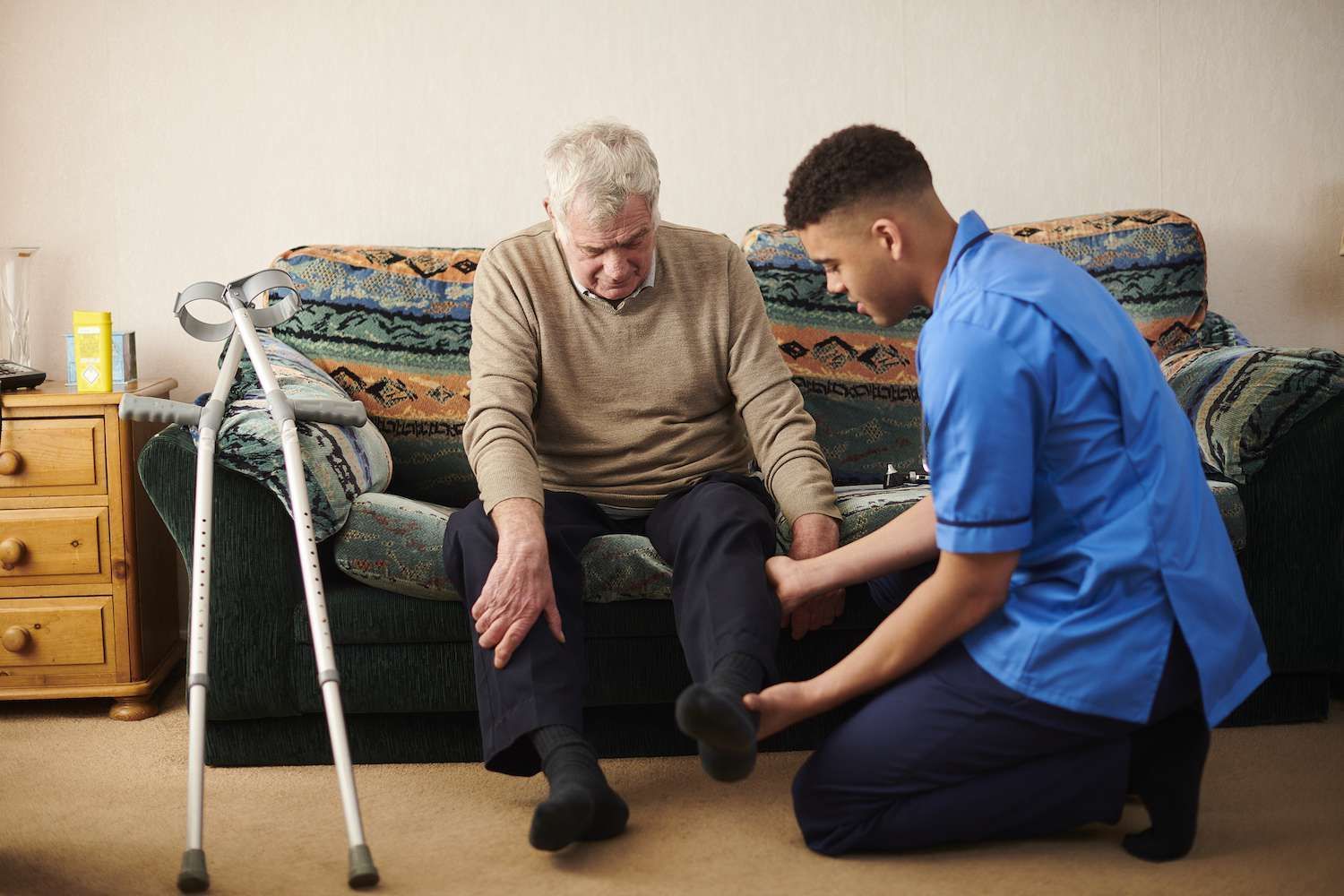
For families managing aging at home, whether through home health care in Brooklyn or care at home NYC, this can mean more assistance is needed after even minor injuries.
Muscle Strength, Mobility, and Fall Risk

Strong muscles and stable bones work together to support balance and movement. Vitamin D deficiency disrupts this balance.
Loss of Confidence in Movement
As muscles weaken, seniors often become cautious. They may avoid walking without support, limit trips outside, or rely heavily on furniture or walls for balance.
Higher Risk of Falls Indoors
Falls are more likely to occur in familiar spaces like bathrooms, kitchens, and bedrooms — areas where seniors feel most comfortable and least guarded.
Reduced Independence
Over time, fear of falling can lead to reduced activity, which causes further muscle loss and weakness. This cycle can be difficult to break without consistent daily support.
Real-Life Daily Challenges Seniors Face
Vitamin D deficiency doesn’t just affect lab results — it changes how seniors live day to day.
Difficulty Keeping a Routine
Low energy and muscle pain can make it hard to maintain regular daily habits. Simple tasks like getting dressed, preparing meals, or going for short walks can feel exhausting.
Limited Outdoor Time
Sunlight is one of the main sources of Vitamin D, yet many seniors avoid going outside due to mobility issues, weather concerns, or fear of falling. This creates a cycle where deficiency worsens over time.
Increased Dependence on Family
As strength and confidence decline, older adults often rely more heavily on family members. For families balancing work, children, and caregiving responsibilities — especially those coordinating manhattan home care or working with home health agencies in Long Island — this can quickly become overwhelming.
Emotional Impact
Feeling weak or dependent can be emotionally difficult for seniors. Many experience frustration, embarrassment, or sadness when they can no longer do things they once managed easily.
Why Early Awareness Matters
Vitamin D deficiency is manageable, but only when it is recognized. The earlier families understand what’s happening, the easier it is to protect bone health, mobility, and independence.
Paying attention to small changes — fatigue, balance issues, reduced activity — can make a meaningful difference. For seniors aging at home, whether through care at home NYC or family-led support, understanding these signs is the first step toward safer, healthier daily living.
This guide is meant to help families look beyond “normal aging” and recognize when something more is going on. Vitamin D deficiency may be silent, but its impact on daily life is very real — and it deserves attention.
Daily Care Needs for Older Adults With Vitamin D Deficiency
Understanding Vitamin D deficiency is only the first step. What truly determines an older adult’s safety and quality of life is how well their daily care needs are managed over time. This is where many families struggle — not because they don’t care, but because consistency is hard to maintain day after day.
Vitamin D deficiency is rarely solved by a single doctor visit or a bottle of supplements. For many seniors, especially those aging at home in busy areas like Brooklyn, Manhattan, or Long Island, the challenge lies in everyday routines.
Why Supplements Alone Are Often Not Enough
It’s common for families to believe that once a doctor prescribes Vitamin D supplements, the problem is handled. In reality, supplements are only one part of the solution.
Older adults may forget doses, take them inconsistently, or stop altogether due to side effects, confusion, or changes in routine. Some seniors also struggle with absorption issues, meaning the body doesn’t always use the Vitamin D effectively, even when supplements are taken correctly.
More importantly, Vitamin D deficiency affects how seniors move, rest, and engage with daily life. Without proper daily support, the underlying risks — weakness, falls, and isolation — remain.
This is why families involved in care at home NYC or coordinating home health care in Brooklyn often find that medical advice alone does not fully address day-to-day challenges.
Medication Consistency: A Common Struggle
Missed Doses and Confusion
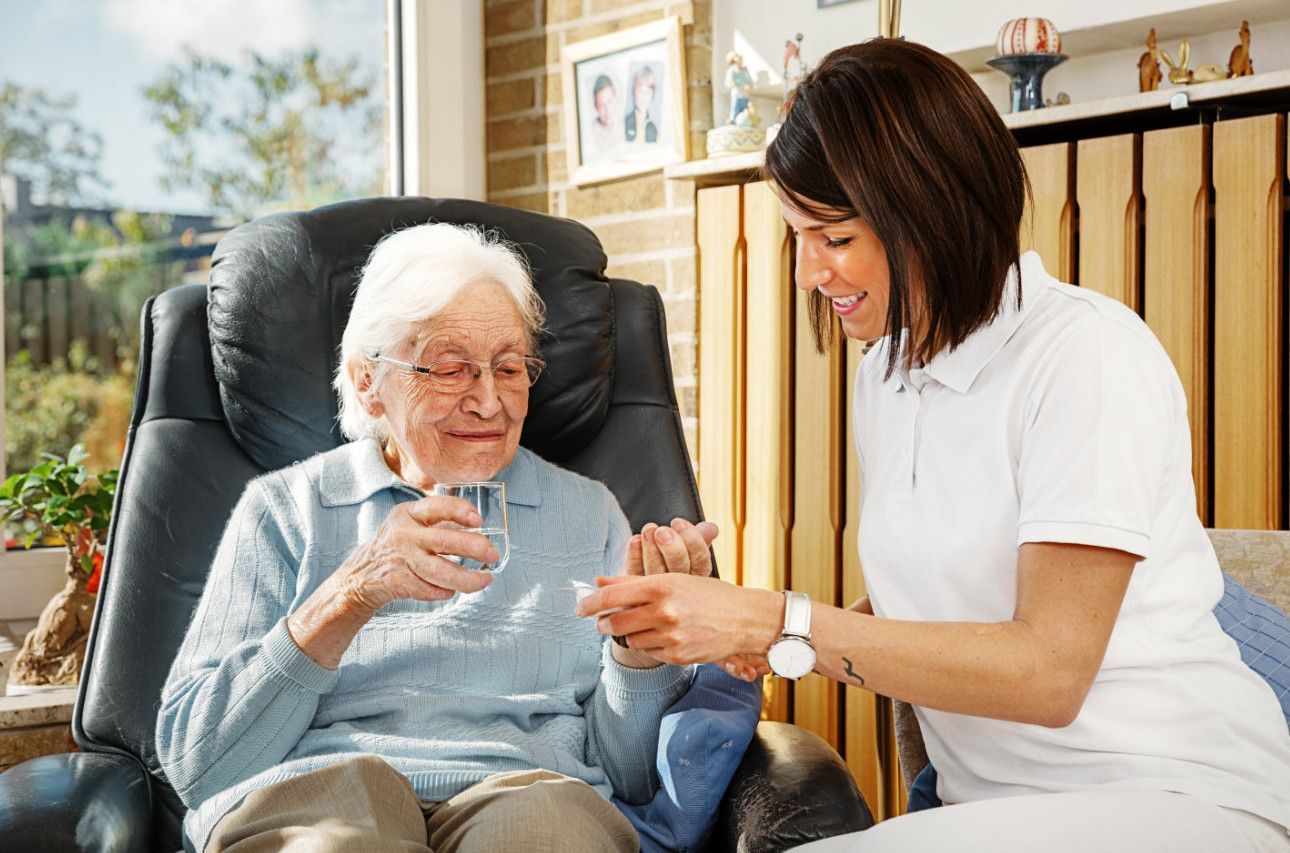
As routines become less structured, medication schedules are often disrupted. Seniors may forget whether they’ve taken their supplement, skip doses unintentionally, or mix it up with other medications.
Over time, inconsistent intake reduces the benefits and prolongs deficiency-related symptoms like fatigue and muscle weakness.
The Role of Routine
Simple habits — taking supplements at the same time each day, pairing them with meals, or having reminders — can make a significant difference. But maintaining this consistency becomes harder when seniors live alone or manage multiple medications.
Safe Mobility in Daily Life
Weak Muscles and Unsteady Movement
Vitamin D deficiency often leads to reduced muscle strength, particularly in the legs. This affects walking, standing up, and maintaining balance.
Seniors may begin to avoid movement altogether, fearing pain or falls. Unfortunately, less movement leads to further muscle loss, increasing risk rather than reducing it.
Everyday Mobility Challenges
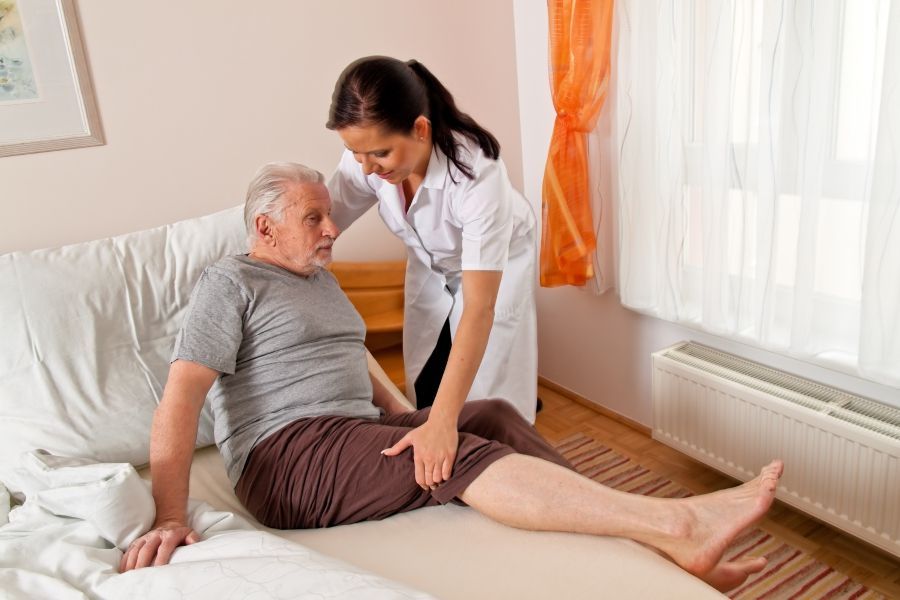
- Getting out of bed safely
- Walking to the bathroom at night
- Navigating stairs or uneven flooring
- Carrying items like laundry or groceries
For families supporting loved ones through manhattan home care or working with home health agencies in Long Island, these small daily movements are often where the greatest risks appear.
Fall Prevention: A Daily Priority
Falls are one of the most serious risks associated with Vitamin D deficiency. Even a minor fall can result in fractures, long recovery periods, or permanent loss of independence.
Common High-Risk Areas at Home
- Bathrooms with wet floors
- Bedrooms during nighttime trips
- Kitchens with cluttered walkways
- Entryways with uneven surfaces
Preventing falls is not about restricting movement — it’s about making movement safer through awareness, support, and routine checks.
Limited Sunlight Exposure and Its Impact
Sunlight plays a major role in natural Vitamin D production, yet many older adults get very little of it.
Why Seniors Spend Less Time Outside
- Mobility limitations
- Weather concerns
- Fear of falling outdoors
- Fatigue or low motivation
In cities where apartment living is common, this challenge is even greater. Seniors receiving care at home NYC may go days without meaningful sun exposure unless someone encourages and supports safe outdoor time.
Even short, supervised exposure to sunlight can help, but it requires planning, timing, and assistance — especially for those with balance or endurance issues.
Fatigue, Isolation, and Emotional Well-Being
Vitamin D deficiency does not only affect the body. It often impacts emotional health as well.
The Cycle of Fatigue and Isolation
Low energy leads to reduced activity. Reduced activity leads to isolation. Isolation then worsens mood, motivation, and physical strength.
Seniors may stop participating in social activities, avoid visitors, or withdraw from routines they once enjoyed. Over time, this isolation can contribute to depression and further physical decline.
Families often notice these changes gradually, especially when balancing work and caregiving responsibilities across Brooklyn, Manhattan, or Long Island.
How Consistent Daily Routines Improve Quality of Life
The most effective way to manage Vitamin D deficiency is through structured daily care, not occasional attention.
Benefits of Consistent Routines
- Better medication adherence
- Improved strength and balance
- Reduced fall risk
- Increased confidence in movement
- Better sleep and mood
Consistency creates predictability, which helps seniors feel safer and more in control of their day.
Even small routines — morning stretches, scheduled meals, short walks, or regular rest periods — can have a noticeable impact when followed daily.
The Role of Professional In-Home Care Support
Many families reach a point where they realize that managing all of these needs alone is not sustainable. This is not a failure — it’s a realistic recognition of how demanding daily care can be.
Professional in-home care provides structured support without removing independence. Caregivers help maintain routines, monitor safety, and support daily activities while allowing seniors to remain in familiar surroundings.
Providers like 7day home care work alongside families, offering dependable support for seniors who need help managing daily challenges related to Vitamin D deficiency and overall aging.
Whether families are seeking home health care in Brooklyn, manhattan home care, or assistance through home health agencies in Long Island, in-home care helps bridge the gap between medical advice and real-life daily needs.
Caregivers assist with:
- Medication reminders and routine consistency
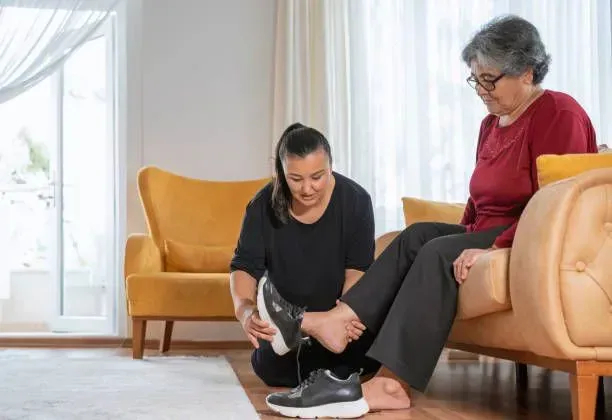
- Safe movement and mobility support
- Fall awareness and prevention
- Encouragement for safe sunlight exposure
- Companionship to reduce isolation and fatigue
This kind of support is not about replacing family care — it’s about strengthening it.
A Natural Next Step for Families
Vitamin D deficiency is manageable, but only when daily life is taken into account. Supplements, doctor visits, and good intentions are important, but they work best when paired with consistent daily care.
For seniors aging at home, especially in busy urban environments like NYC and Long Island, structured support can make the difference between ongoing risk and long-term stability.
As families continue navigating care decisions, understanding and supporting daily needs is one of the most meaningful ways to protect health, safety, and independence — without rushing into unnecessary changes or institutional care.
In the next section, we’ll address common questions families ask about Vitamin D deficiency, daily care, and when additional support may be helpful.
Frequently Asked Questions About Vitamin D Deficiency in Older Adults
What are the most common signs of Vitamin D deficiency in seniors?
Many older adults experience symptoms that are easy to overlook, such as ongoing fatigue, muscle weakness, joint or bone discomfort, and balance issues. Some seniors also notice mood changes or reduced motivation. Because these signs develop slowly, families often assume they are simply part of aging.
Can Vitamin D deficiency really increase the risk of falls?
Yes. Vitamin D plays a role in muscle strength and balance. When levels are low, muscles—especially in the legs—can weaken, making walking and standing less stable. This increases the likelihood of slips and falls, particularly in everyday spaces like bathrooms or bedrooms.
Is taking a Vitamin D supplement enough to fix the problem?
Supplements are helpful, but they are rarely enough on their own. Many seniors struggle with taking medications consistently, and some have absorption issues. Without daily routines, safe movement, and adequate sunlight exposure, the underlying risks—like weakness and falls—may continue.
How does Vitamin D deficiency affect bone health over time?
Low Vitamin D makes it harder for the body to absorb calcium, which can weaken bones. Over time, this may lead to conditions like osteoporosis and increase the chance of fractures. Recovery from injuries can also take longer, impacting independence.
What daily care challenges do seniors with Vitamin D deficiency face?
Common challenges include remembering supplements, moving safely around the home, avoiding falls, getting enough sunlight, and managing fatigue. Many seniors also experience isolation, which can worsen both physical and emotional health if left unaddressed.
How can daily routines help seniors stay safer?
Consistent routines help seniors know what to expect each day. Regular medication times, gentle movement, planned rest, and safe outdoor exposure can reduce confusion, improve strength, and lower fall risk. Predictable routines often improve confidence and overall well-being.
When should families consider professional in-home care?
Families may consider in-home care when daily needs become difficult to manage consistently—especially if a loved one lives alone, has frequent falls, misses medications, or shows signs of increasing weakness or isolation. In-home care can provide structure without taking away independence.
What does professional in-home care support usually include?
In-home care focuses on daily support rather than medical treatment. Caregivers can help with medication reminders, safe mobility, fall awareness, routine building, and companionship. This kind of support helps bridge the gap between doctor recommendations and everyday life.
Can in-home care help seniors remain at home longer?
Yes. With the right daily support, many seniors are able to stay safely in their own homes for longer. In-home care reduces risks while maintaining comfort and familiarity—something especially valuable for families coordinating care across Brooklyn, Manhattan, Long Island, or NYC.
A Thoughtful Closing for Families Navigating Care
Vitamin D deficiency may seem like a small issue at first, but its effects on strength, balance, and daily life can be significant—especially for older adults. What matters most is not just identifying the deficiency, but supporting seniors in their everyday routines with patience and consistency.
Families often do their best, yet managing daily needs alongside work and personal responsibilities can become overwhelming. Having reliable support in place helps protect safety, preserves independence, and brings peace of mind.
For families seeking dependable in-home support across Brooklyn, Manhattan, Long Island, or NYC, trusted providers like 7day home care offer compassionate assistance designed around real daily needs—not pressure or quick fixes. Professional caregivers work alongside families to support routines, safety, and comfort at home.
If your loved one is showing signs of Vitamin D deficiency or struggling with daily activities, learning more about professional in-home care may be a helpful next step. The right support can make everyday life safer, calmer, and more manageable—for seniors and the families who care for them.