Why Leaving a Loved One With Dementia Alone Can Become Dangerous
Why Leaving a Loved One With Dementia Alone Can Become Dangerous
Dementia has a way of entering a family quietly. It doesn’t arrive with sirens or clear warnings. At first, it looks like normal aging—misplaced glasses, repeated stories, a forgotten appointment. Families adapt without even realizing it. Someone writes reminders. Someone checks in more often. Life keeps moving.
And then one day, you pause and wonder: Is it still okay to leave them alone?
That question is heavier than it sounds. It carries guilt, fear, love, exhaustion, and uncertainty all at once. Families caring for a loved one with dementia are rarely careless. They are tired. They are trying to balance work, children, finances, and their own health. They want to respect independence. They want to believe things are still manageable.
In our work with families across New York, we often hear the same explanation: someone stepped out “just for a bit.” Most danger doesn’t come from neglect. It comes from misunderstanding how dementia changes a person over time.
Dementia Is Not Just About Memory
One of the most damaging myths around dementia is that it only affects memory. Families often say, “They forget names, but they’re still sharp.” What dementia actually does goes far deeper.
It slowly erodes judgment. It changes how the brain assesses risk. It interferes with cause and effect. A loved one may remember how to cook but forget that fire burns. They may recognize their home but not understand why they shouldn’t leave it. They may know they take medication but lose the ability to track
when or
how much.
This is why safety becomes fragile long before families expect it to. In care at home NYC environments, we see this shift daily—often before families notice it themselves.
Dementia gradually weakens the brain’s ability to pause, assess risk, and self-correct. As that pause fades, everyday decisions can become risky much faster than families expect.
Why Families Believe Leaving Them Alone Is Still “Okay”
Families don’t ignore warning signs on purpose. More often, they reinterpret them.
They tell themselves:
- “They’ve lived here for 40 years.”
- “They were fine yesterday.”
- “I’ll only be gone for an hour.”
- “They don’t want someone watching them.”
And sometimes, the loved one insists they’re fine. They may sound confident. They may even feel offended when help is suggested. Dementia can preserve pride long after safety awareness fades.
In home care New York households, this creates a painful contradiction. The person looks capable, speaks clearly, and wants independence—but their brain no longer protects them the way it once did.
There’s also fear behind these decisions. Fear of taking autonomy away too soon. Fear of family conflict. Fear of what comes next. Many families delay getting help because acknowledging risk feels like admitting the disease is progressing.
The Early Dangers That Don’t Look Dangerous Yet
What makes dementia so tricky is that early risks don’t always look dramatic. They hide inside normal routines.
Wandering
A loved one steps outside to “check something.” Maybe they’re looking for a bus they used to take years ago. Maybe they’re convinced they’re late for work they retired from decades back. Wandering isn’t rebellion—it’s confusion with confidence. By the time someone realizes they’re missing, panic sets in.
This is a situation families dealing with home health care in Brooklyn neighborhoods often describe with disbelief. “They’ve never done that before.” Dementia makes
before irrelevant.
Cooking mistakes
Cooking feels familiar. It’s muscle memory. But dementia disrupts sequencing. A pot is placed on the stove and forgotten. A burner stays on. Plastic goes into the oven. Smoke alarms go unanswered because the sound doesn’t register as danger.
Medication errors
Few things are more dangerous than unsupervised medication with dementia. Pills may be taken twice, not at all, or mixed up entirely. Even intelligent, well-spoken individuals can lose track of time and dosage. Families using
home care services Queens residents rely on often reach out only after a scare that could have been prevented.
Judgment lapses
This is the quietest danger. A loved one decides to climb on a chair to reach something. They answer the door for a stranger. They try to fix an appliance. Dementia removes the ability to evaluate consequences, even when physical ability seems intact.
Moments Families Recognize Too Late
These situations don’t come from extremes. They come from ordinary days.
A daughter leaves for work, assuming her mother will nap. Instead, she decides to make lunch and forgets the stove.
A husband steps out to the pharmacy. His wife becomes anxious, convinced she’s been abandoned, and tries to find him.
A son assumes medication is being taken correctly because the pillbox looks organized. It isn’t.
Families caring for loved ones through Oceanside Home Health Care or Home Health Care Oceanside services often tell me the same thing afterward: “We didn’t think it would happen like this.”
Dementia doesn’t announce when it crosses from manageable to unsafe. It slips over that line quietly.
Why Familiar Homes Can Still Be Unsafe
Another misconception is that being at home automatically means safety. Familiarity helps comfort—but it doesn’t protect against impaired judgment.
Stairs don’t become less steep because they’re familiar. Fire doesn’t burn less because the kitchen is known. Medications don’t become safer because they’ve been taken for years.
This is where a trained home aide NYC families trust becomes essential. Not to take control, but to fill in the gaps dementia creates—gaps that families cannot always see from the inside.
At
7day home care, many families first reach out not because something terrible happened, but because something
almost did. That near-miss is often the moment reality becomes impossible to ignore.
Learning more through 7dayhomecare often starts as simple curiosity. For many families, it becomes the first step toward protecting both safety and dignity.
Dementia care is not about taking independence away. It’s about recognizing when the disease has already done that quietly.
In the next section, we’ll look deeper into the serious risks that often go unnoticed…
When Being Alone Turns Into Physical Danger
One of the most common turning points for families is a fall.
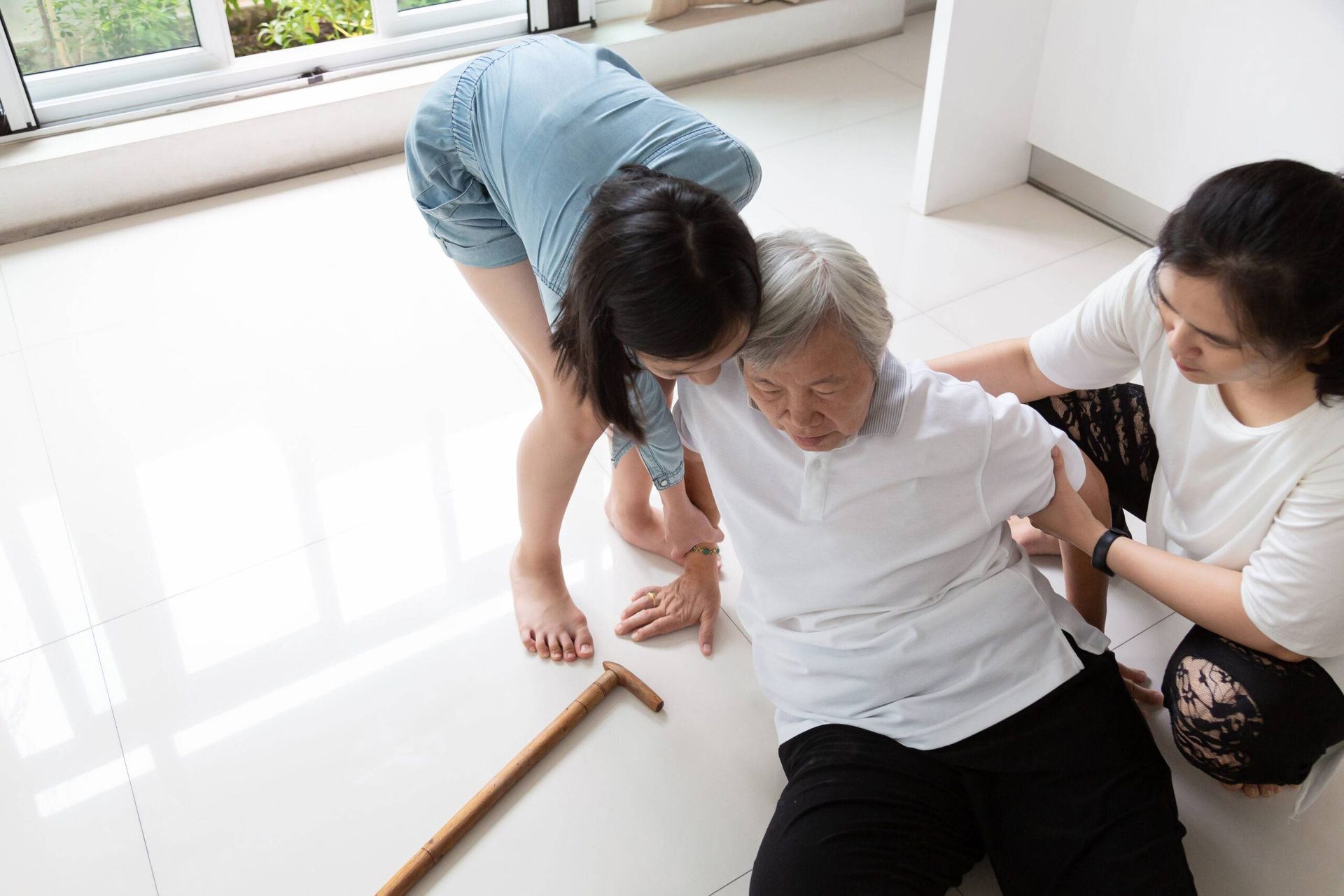
Falls don’t always come from obvious hazards. They happen during ordinary moments—getting out of bed too quickly, rushing to the bathroom, trying to answer the door, or reaching for something that used to feel easy. Dementia affects balance, depth perception, and reaction time, even when someone still appears physically strong.
What makes falls especially frightening with dementia isn’t just the injury. It’s what happens afterward.
After a fall, a person may not remember what happened or how long they’ve been on the floor. Confusion or embarrassment can lead them to try getting up on their own, which may make the injury worse. In some cases, they don’t call for help—not because they don’t want to, but because they’re unsure how to do so or don’t recognize the situation as an emergency.
Families providing care at home NYC often tell me later, “If someone had been there, it never would’ve happened.” And they’re usually right.
The Emotional Toll of Being Alone With Dementia
Physical safety is only part of the picture. Emotional safety matters just as much.
Dementia can create sudden waves of fear. A loved one may wake up and not recognize where they are. They may forget that someone is coming back. Time stretches and distorts. Minutes can feel like hours.
Being alone in that state can be terrifying.
Some people pace. Some cry. Some sit frozen, afraid to move. Others become agitated or angry, not because they’re difficult, but because fear has nowhere to go.
Families often don’t see this side because it happens when no one is around. Later, they may notice increased agitation or mood changes and wonder why. In home care New York settings, we see how much calmer people become simply knowing someone is there—even if nothing else changes.
Companionship is not a luxury in dementia care. It’s a form of safety.
Emergencies Don’t Wait for Clarity

Emergencies are often where dementia and being alone become most dangerous.
A fire alarm goes off. A loved one smells gas. A medical symptom appears suddenly—chest pain, dizziness, shortness of breath. In those moments, the ability to respond quickly and clearly matters.
Dementia often takes that ability away.
A person may freeze instead of reacting. They may panic and make unsafe choices. They may not know how to call for help or explain what’s happening. Even unlocking a door for emergency responders can become impossible.
Families relying on home health care in Brooklyn neighborhoods have shared heartbreaking stories of loved ones who couldn’t respond during emergencies—not because they didn’t care, but because their brain couldn’t process what to do.
This is why supervision becomes essential over time, even when everything feels “mostly okay.”
When Family Care Alone Is No Longer Enough
There is a moment many families reach quietly. It’s not dramatic. It’s a realization.
“I can’t be everywhere.”
“I’m missing things.”
“I’m scared of what could happen.”
This doesn’t mean you’ve failed. It means dementia has progressed.
Family caregiving is built on love, but love doesn’t stop a stove from overheating or a fall from happening. As needs increase, support has to increase too.
This is where professional
home care steps in—not to replace family, but to strengthen the safety net.
How Trained Caregivers Change Daily Life
A trained caregiver sees what families often can’t—because they’re not emotionally inside the situation.
They notice:
- Subtle balance changes
- Early signs of agitation
- Missed meals or dehydration
- Medication patterns slipping
A skilled home aide NYC families trust doesn’t just “watch.” They engage. They redirect gently. They keep routines steady. They step in before small risks turn into emergencies.
In
home care services Queens residents rely on, caregivers often become the calm presence that prevents daily stress from escalating. They don’t rush. They don’t argue. They know how dementia behaves—and how to respond without confrontation.
Why Local New York Home Care Makes a Difference
New York families face unique challenges. Long work hours. Commutes. Multigenerational households. Limited downtime.
Professional home care allows families to keep loved ones safe without uprooting their lives. It supports independence while quietly protecting against risk.
Services like those offered through
7day home care are designed to meet families where they are—whether that’s occasional supervision or consistent daily support. Many families first explore options in nearby communities like Garden City or Floral Park, where familiar neighborhoods and trusted care matter deeply.
Access to care through local services such as
home care in Garden City, NY and award-winning
home care in Floral Park, NY helps families feel supported close to home, not handed off to strangers.
The Relief Families Don’t Expect
One of the most common reactions after starting home care is relief—and often, tears.
Families realize how much constant tension they were carrying. How many “what ifs” were running through their minds every day. How exhausting it was to always be on edge.
After help is in place, families sleep better. They focus at work. They enjoy time with their loved one again instead of constantly worrying about safety.
Care becomes shared, not solitary.
That shift is powerful. It doesn’t erase the sadness of dementia—but it softens the daily fear.
If you’re feeling overwhelmed or unsure, starting with a conversation can help. Many families begin by exploring a free consultation to understand what support could look like without pressure or commitment. That first step can happen through request-a-free-consultation, often bringing clarity where there was only worry before.
Quick Answers Families Often Ask
Is it safe to leave someone with dementia alone?
In most cases, no—especially as dementia progresses. Even when someone appears physically capable, changes in judgment and awareness can make being alone unsafe without supervision.
At what stage does dementia become unsafe without supervision?
There isn’t a single moment or stage. Risk usually increases gradually as judgment, sequencing, and risk awareness decline—often before families realize it.
Does supervision mean taking away independence?
No. Supervision is about reducing risk and providing reassurance, not control. Many people with dementia remain more comfortable and independent when someone is nearby.
Choosing Help Is an Act of Care, Not Guilt
The hardest part for many families is letting go of the idea that they must do everything themselves.
But dementia care was never meant to be carried alone.
Choosing professional support doesn’t mean you’re giving up. It means you’re responding to reality with compassion—for your loved one and for yourself.
There is no shame in needing help. There is only wisdom in recognizing when safety, dignity, and peace of mind matter more than pride.
If you’re standing at that crossroads now, know this: you are not alone, and you don’t have to wait for something bad to happen before you act.
Sometimes, the most loving decision is simply asking for support—and allowing everyone involved to breathe a little easier.
7 Day Home Care provides trusted in-home dementia care services across Manhattan, Long Island, NYC, Queens, and Brooklyn, New York—helping families protect their loved ones from the hidden risks that come with being alone as dementia progresses.
Families who are worried about safety, wandering, falls, or emergencies can request a free consultation to discuss personalized home care options and understand what level of supervision and support would help keep their loved one safe at home.