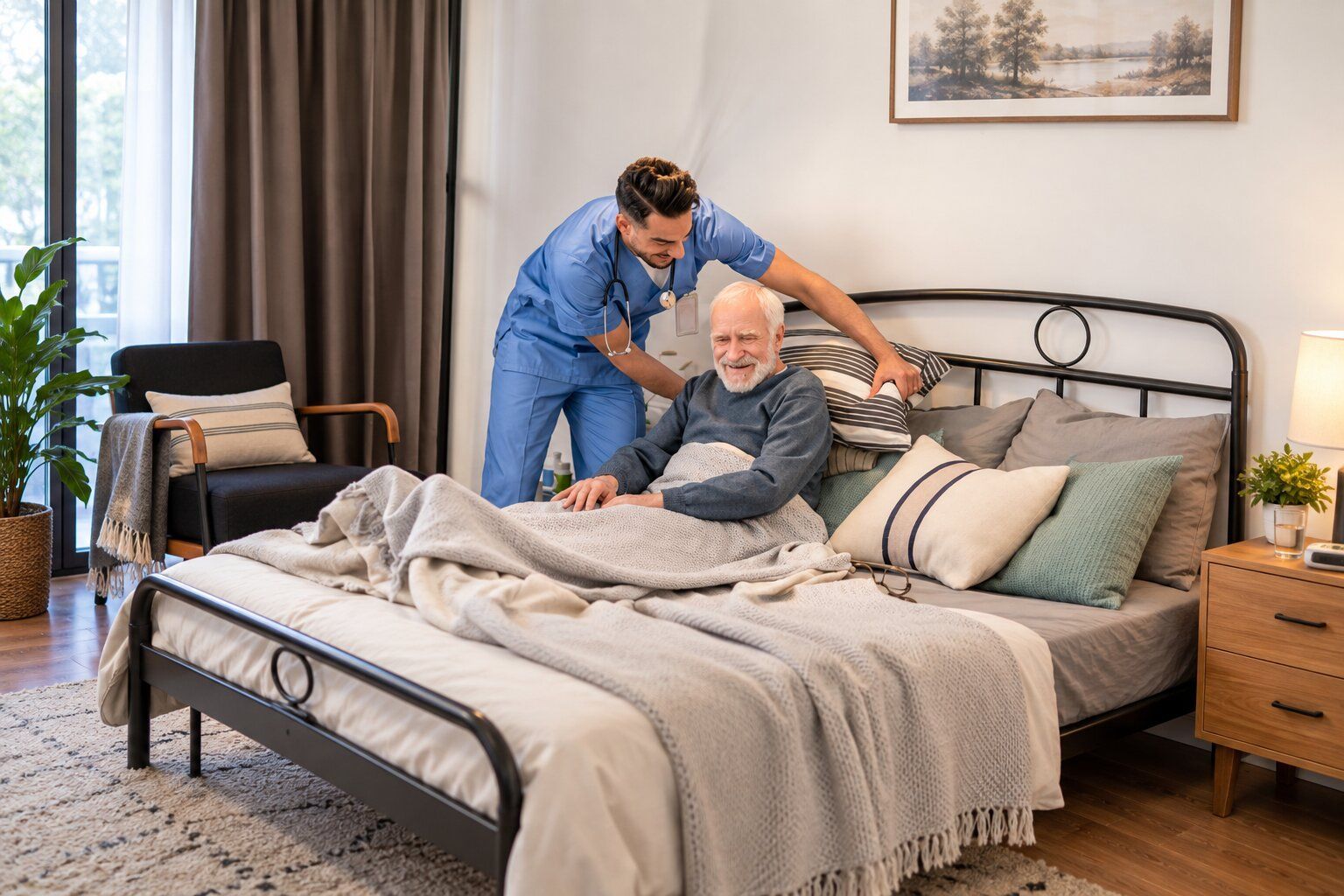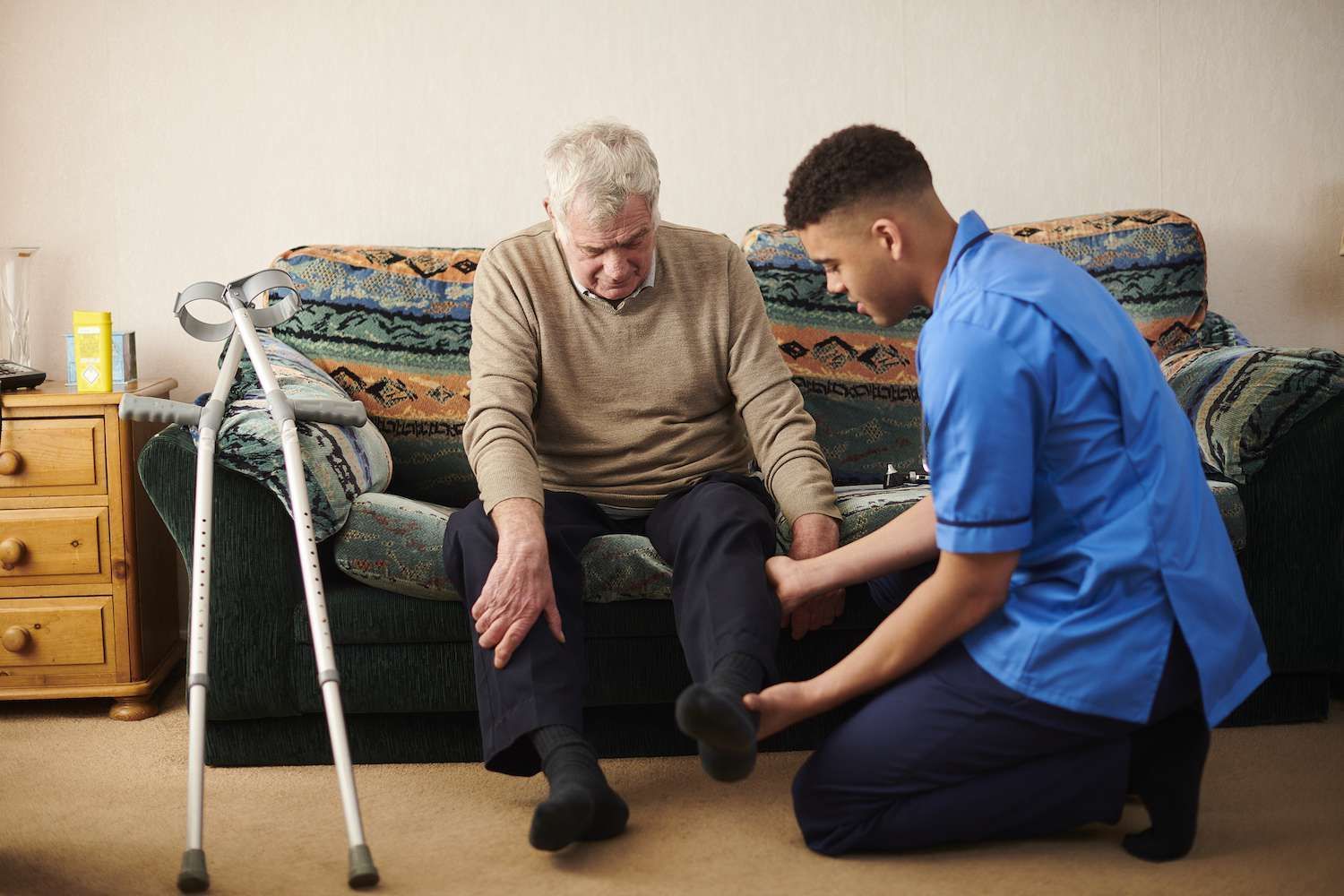
Struggling to Find the Right Alzheimer’s Care in New York? Here’s the Support Your Family Deserves
This is a subtitle for your new post
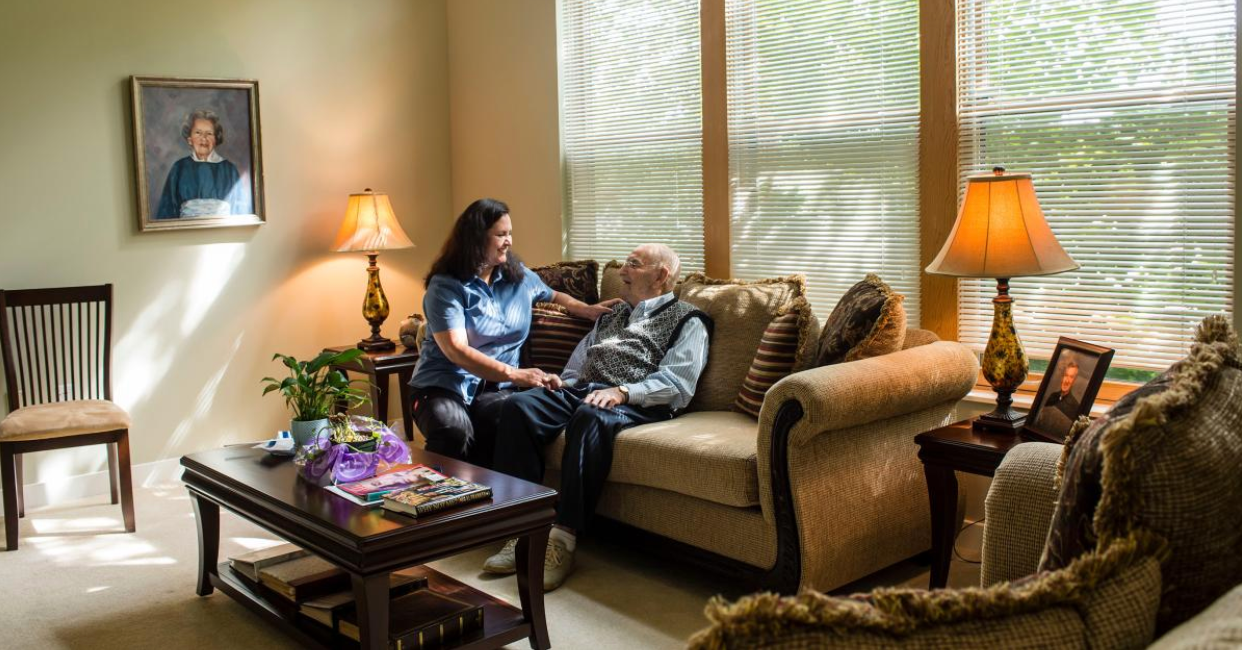
There’s a quiet moment many families never talk about.
It might happen in the kitchen. Your mother pauses mid-recipe, staring at a spoon as if it doesn’t belong there. Or your father, once confident behind the wheel, calls you because he can’t remember how to get home from a grocery store he’s visited for 20 years.
You tell yourself it’s normal aging. You want it to be normal aging.
But deep down, something feels different.
Alzheimer’s doesn’t arrive loudly. It slips in slowly — through forgotten appointments, repeated questions, misplaced keys, and subtle personality changes. And when the realization settles in, it’s overwhelming. You’re no longer just a son or daughter. You become the planner, the protector, the decision-maker.
If you’re searching for home care New York families truly trust, you’re likely carrying more than just questions. You’re carrying worry. Guilt. Responsibility.
Let’s walk through this — clearly, honestly, and compassionately.
What Alzheimer’s Really Is — And What It Isn’t
Alzheimer’s disease is a progressive neurological disorder that slowly damages the brain’s ability to process memory, reasoning, and behavior. It is the most common form of dementia, but it’s not simply “getting older.”
It affects:
- Short-term memory first
- Judgment and decision-making
- Communication skills
- Awareness of time and place
- Emotional regulation
In the early stages, it can look mild — almost manageable. But Alzheimer’s is progressive. That means it changes. And those changes eventually require structured support.
One of the hardest truths families face is this: love alone cannot manage a degenerative brain condition.
For detailed clinical information, see the
National Institute on Aging’s Alzheimer’s resources.
The Early Signs Families Often Miss
Most families don’t recognize Alzheimer’s immediately. They explain things away.
“He’s just stressed.”
“She’s tired.”
“Everyone forgets things.”
But patterns matter more than isolated incidents.
Common early warning signs include:
- Repeating the same question multiple times
- Forgetting recent conversations
- Getting lost in familiar neighborhoods
- Misplacing everyday objects in unusual places
- Increased anxiety or irritability
- Trouble managing finances
In communities like Old Westbury or Floral Park, NY, where independence is often a point of pride, seniors may try to hide these changes. That makes early detection even harder.
And that’s often when families begin searching online for “home care near me,” unsure of what they truly need but knowing something must change.
The Emotional Weight on Adult Children
There’s something deeply painful about watching a parent slowly lose parts of themselves.
You remember who they were — organized, strong, capable. Now you’re reminding them to take medication or helping them choose clothes.
The emotional conflict is real:
- You want to respect their independence.
- You fear for their safety.
- You feel guilty considering outside help.
- You’re exhausted but afraid to admit it.
Families across Cedarhurst, NY, Manhasset, and surrounding New York communities quietly struggle with the same internal battle.
You don’t want to “hand off” your parent’s care.
But professional support isn’t abandonment. It’s protection.
Understanding the Stages — And Why Care Needs Change
Alzheimer’s doesn’t stay the same. It evolves.
Early Stage (Mild)
- Occasional forgetfulness
- Minor confusion
- Still mostly independent
At this stage, part-time assistance through structured home care New York services can provide gentle monitoring and companionship.
For an overview of Alzheimer’s stages, you can also refer to
Mayo Clinic’s clinical guide.
Middle Stage (Moderate)
- Noticeable confusion
- Wandering risk
- Mood swings
- Difficulty with daily activities
This is often when families in areas like Manhasset or Old Westbury begin seeking professional caregivers who understand memory care specifically.
Late Stage (Severe)
- Loss of verbal communication
- Full assistance with eating, bathing, dressing
- Higher vulnerability to infections and falls
At this stage, 24/7 supervision is often necessary for safety.
The key is not waiting until a crisis forces the decision.
When Is It Time for Professional Alzheimer’s Care?
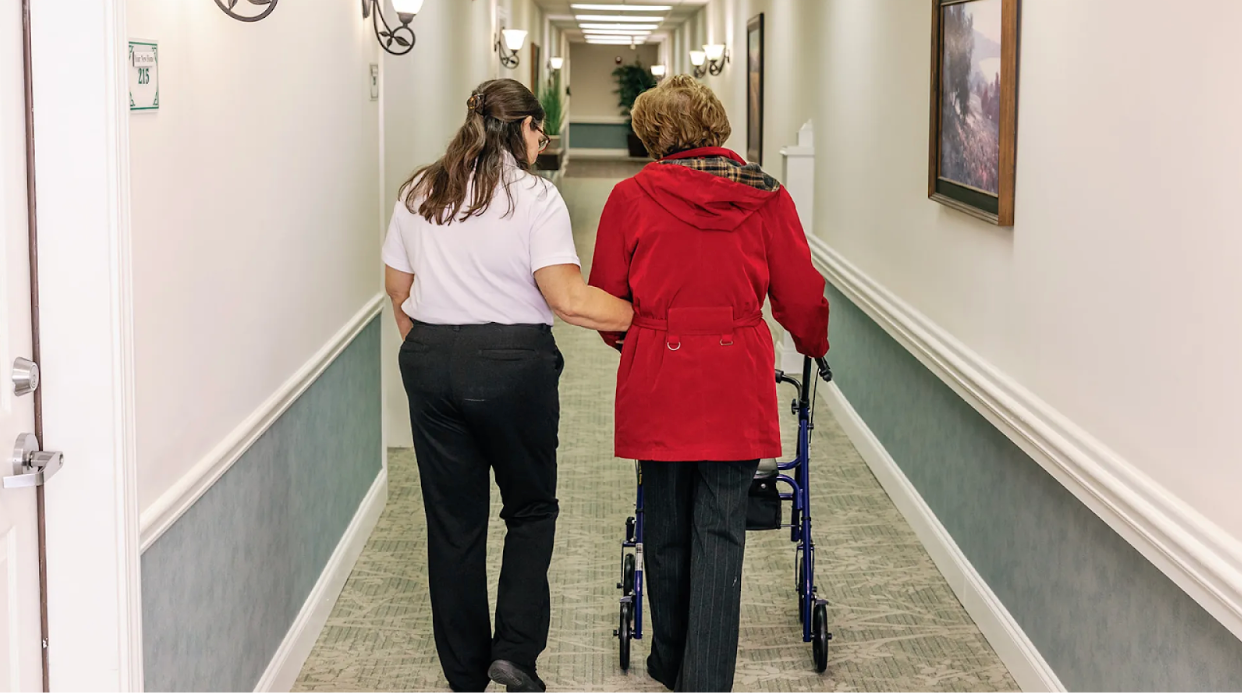
There are clear warning signs:
- Your loved one leaves the stove on
- They wander outside at night
- Medications are skipped or doubled
- Falls are becoming frequent
- You are losing sleep worrying
If caregiving is consuming your energy, affecting your work, or straining your family life, that’s not failure. That’s reality.
Professional home care Cedarhurst, NY, Floral Park, and surrounding communities can step in with structured safety measures and trained caregivers who understand cognitive decline.
In-Home Care vs. Memory Care Facilities
This is one of the biggest decisions families face.
Memory Care Facility
Pros:
- Structured supervision
- Built-in routine
- Social interaction
Cons:
- Emotional trauma from relocation
- Unfamiliar environment
- Higher monthly costs in many New York regions
- Less one-on-one attention
In-Home Alzheimer’s Care
Pros:
- Familiar surroundings
- Personalized care plan
- Flexible scheduling
- Family involvement remains strong
- Reduced confusion and anxiety
For many families searching for
home care Manhasset, NY or
home care Old Westbury, staying at home feels safer emotionally.
Alzheimer’s patients rely heavily on routine and familiarity. A change in environment can increase confusion and agitation for some people with dementia, especially during transitions.
The Real Safety Risks of Unmanaged Alzheimer’s
Without supervision, risks increase quickly:
- Kitchen fires
- Dehydration
- Traffic accidents due to wandering
- Medication errors
- Bathroom falls
- Financial exploitation
These aren’t rare events. They’re common scenarios families share after emergencies occur.
Professional in-home support may help families manage safety risks earlier and more consistently.
What Does Alzheimer’s Care Cost in New York?
Cost is often a major concern — understandably.
In New York, pricing depends on:
- Number of hours needed
- Level of assistance required
- Whether 24/7 support is necessary
- Specialized memory care training
In many cases, structured in-home support is more flexible and financially manageable than full-time residential facilities.
The right provider will help create a care plan that fits your needs — not oversell unnecessary services.
Why Choosing a Local Provider Matters
New York isn’t generic.
Each area — Old Westbury, Cedarhurst, Floral Park, Manhasset — has its own pace, infrastructure, and access to hospitals and emergency services.
A local home care New York provider understands:
- Nearby medical centers
- Traffic patterns
- Community resources
- Cultural sensitivities
That familiarity improves response time and communication.
When families search “home care near me,” they’re really looking for reassurance that help is close — not outsourced from another state.
Why Families Trust
7day Home Care

When families across New York look for reliable, compassionate in-home Alzheimer’s support, many turn to
7day Home Care.
What makes 7day Home Care different?
- Caregivers trained specifically in Alzheimer’s and dementia support
- Flexible scheduling from part-time to 24/7 care
- Personalized care plans
- Emphasis on dignity and emotional well-being
- Strong communication with families
The goal isn’t just assistance. It’s restoring stability — for both the patient and their family.
Whether your loved one lives in Floral Park, Cedarhurst, Manhasset, or Old Westbury, 7day Home Care focuses on keeping seniors safe, comfortable, and respected in their own homes.
Frequently Asked Questions
1. How do I know when my parent needs full-time care?
If they are unsafe alone, wandering, or unable to manage daily tasks, 24/7 supervision may be necessary.
2. Is Alzheimer’s care different from regular home care?
Yes. Memory care requires specialized training, patience, and behavioral understanding.
3. Can care hours increase over time?
Absolutely. Alzheimer’s progresses, and care plans should evolve with it.
4. Does insurance help cover in-home Alzheimer’s care?
Some long-term care policies may provide coverage. Medicaid eligibility varies.
5. Will my parent resist having a caregiver?
It’s common initially. With consistency and compassionate communication, trust usually develops naturally.
This article is for educational purposes only and is not medical advice. If you’re noticing memory or safety changes, consult a physician or neurologist for evaluation.
You Deserve Support Too
Alzheimer’s doesn’t just affect the person diagnosed. It reshapes an entire family.
You may feel stretched thin. Overwhelmed. Afraid of making the wrong decision.
Choosing professional home care New York families rely on isn’t giving up control. It’s creating structure. It’s protecting dignity. It’s preventing crisis before it happens.
If you’re struggling to find the right Alzheimer’s care in New York, consider speaking with a local team that understands both the medical realities and the emotional weight behind your decision.
7day Home Care is here to listen, guide, and build a personalized care plan that supports your loved one — and you.
Because the right support doesn’t just provide care.
It brings peace of mind back into your home.