Top Questions About Hospice and Palliative Care Answered
Top Questions About Hospice and Palliative Care Answered
Palliative care and hospice care at home both prioritize comfort and quality of life, but they differ in purpose and timing. Palliative care is available at any stage of a serious illness and can be provided alongside curative treatments, focusing on symptom relief, emotional well-being, and holistic support. Hospice care, on the other hand, is specifically for individuals nearing the end of life, typically with a prognosis of six months or less, and emphasizes comfort over curative measures. A highly trained and experienced home care agency, like 7 Day Home Care, plays a critical role by delivering personalized support tailored to the unique needs of each patient. Certified home health aides assist with daily living activities, provide companionship, and coordinate closely with medical teams, ensuring seamless, compassionate care that enhances dignity and peace for patients and their families. 7 Day Home Care is a licensed home care agency providing Home Health Aide palliative and hospice support services in Manhattan, Queens, Brooklyn, Nassau County, and Suffolk County, New York.
Understanding the Differences Between Hospice and Palliative Care
When facing a serious or life-limiting illness, understanding the differences and roles of hospice and palliative care is critical for patients and their families. These specialized types of care offer support tailored to the physical, emotional, and spiritual needs of individuals and their loved ones. At 7 Day Home Care, we believe in enhancing these services by incorporating the invaluable support of our home health aides, who play a vital role in improving the quality of life for patients and their families.
In this article, we answer the most common questions about hospice and palliative care while highlighting how 7 Day Home Care’s dedicated home health aides contribute to these essential services.
1. What Is Hospice and Palliative Care?
Palliative Care
Palliative care is a specialized form of medical care aimed at improving the quality of life for individuals with serious illnesses. It focuses on:
• Symptom Management: Relieving pain, fatigue, and other discomforts.
• Holistic Care: Addressing emotional, psychological, and spiritual well-being alongside physical health.
• Support for Families: Providing guidance and resources for caregivers.
7 Day Home Care’s Role:
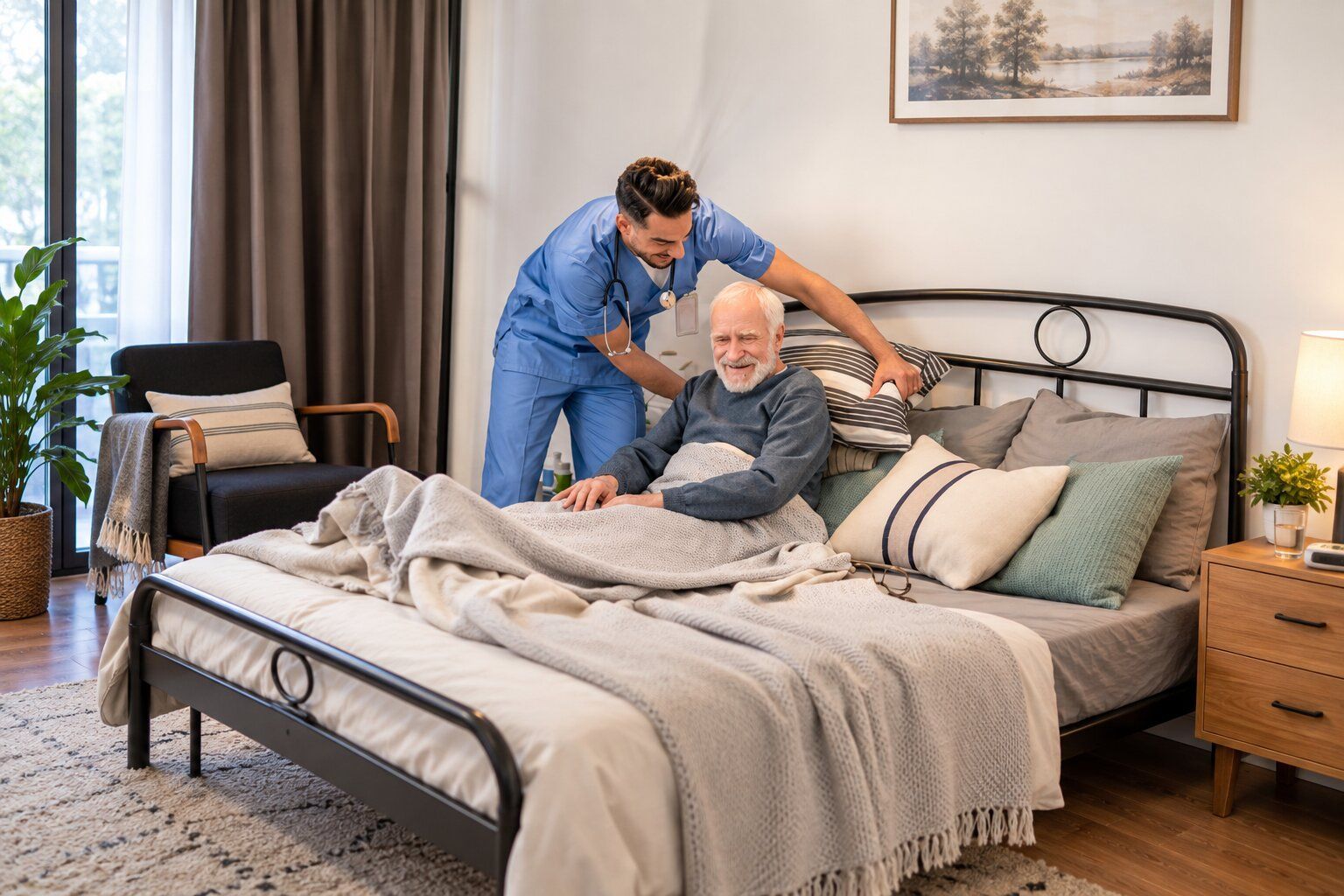
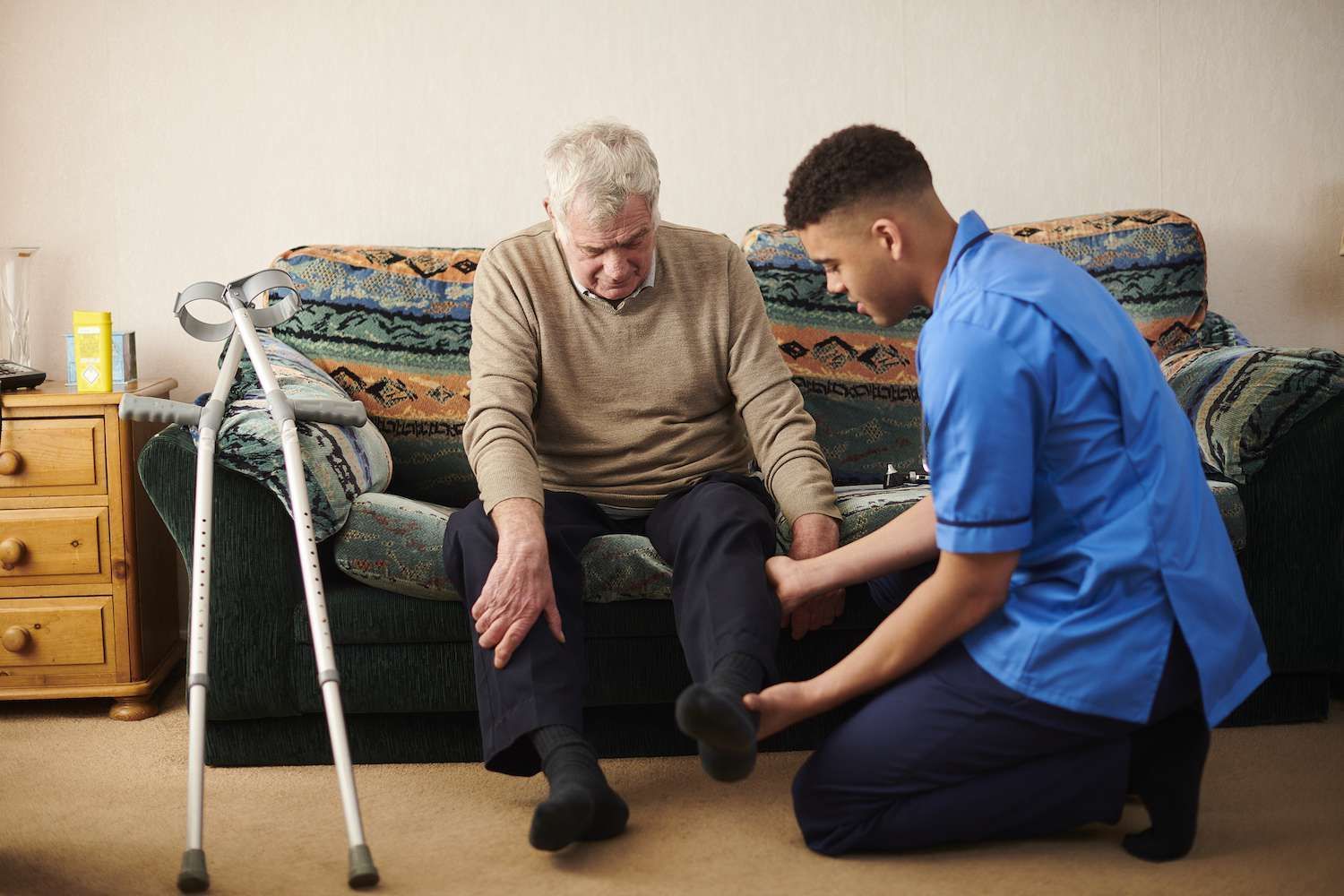
Our home health aides collaborate with palliative care teams to deliver hands-on assistance with daily activities, ensuring patients feel comfortable and supported at home. From personal hygiene to mobility assistance, our aides help alleviate the burden on families while maintaining the dignity of the patient.
Hospice Care
Hospice care is a type of palliative care designed for individuals who are nearing the end of life, typically with a prognosis of six months or less to live. It emphasizes:
• Comfort over cure.
• Support for both the patient and their family through the dying process.
• Managing symptoms to ensure dignity and peace.
7 Day Home Care’s Role:
Our compassionate home health aides provide personalized care to hospice patients, assisting with daily tasks like bathing, dressing, and feeding, while also offering companionship to ease emotional distress. They work closely with hospice teams to ensure the patient’s comfort and dignity during this delicate time.
2. Why Would a Patient Be Placed in Palliative Care?
Patients are placed in palliative care for a variety of reasons, including:
1. Chronic Pain and Symptom Relief: Conditions like cancer, heart failure, and chronic obstructive pulmonary disease (COPD) often cause debilitating symptoms that palliative care can address.
2. Support During Treatments: Patients undergoing aggressive treatments, such as chemotherapy or dialysis, benefit from the added focus on comfort and emotional well-being.
3. Complex Medical Conditions: Those with illnesses requiring frequent hospitalizations or complex decision-making benefit from coordinated care and improved quality of life.
4. Mental and Emotional Support: Anxiety, depression, and stress related to illness can be alleviated through counseling and therapy as part of palliative care.
7 Day Home Care’s Role:
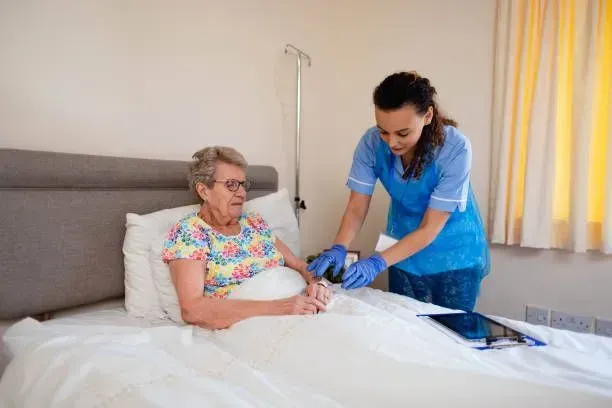
Our home health aides excel at creating a stable and supportive environment for patients. They assist with activities of daily living (ADLs), monitor changes in health, and act as an essential link between the patient, family, and medical professionals.
3. What Are the Three Forms of Palliative Care?
1. General Palliative Care:
• Delivered by primary care physicians and specialists to address symptoms in the early stages of an illness.
• Our home health aides provide supplementary support by helping patients maintain independence in their daily routines.
2. Specialist Palliative Care:
• Provided by dedicated palliative care teams, often in hospitals or specialized facilities.
• Our aides extend this care into the home setting, ensuring continuity of care outside of medical facilities.
3. End-of-Life Palliative Care:
• Centers on maximizing comfort and dignity during the final stages of life.
• Our aides ensure that patients are cared for with respect and compassion, attending to both physical and emotional needs.
4. Is Palliative Care the Last Step Before Hospice?
Not necessarily. Palliative care can be initiated at any stage of a serious illness, even while pursuing curative treatments. Hospice care, however, is specifically for patients in the final months of life who are no longer seeking curative interventions.
7 Day Home Care’s Role:
Our home health aides help bridge the transition from palliative care to hospice by adapting to the patient’s changing needs and providing consistent, compassionate care throughout the journey.
5. What Are the Downsides of Palliative Care?
While palliative care has many benefits, there are some potential downsides to consider:
1. Cost:
• Palliative care services may not be fully covered by insurance, leading to out-of-pocket expenses.
• Our Contribution: 7 Day Home Care’s aides offer affordable care options that supplement palliative care services, reducing the financial burden.
2. Availability:
• Access to specialized palliative care teams may be limited in certain areas, especially rural communities.
• Our Contribution: With local availability, our home health aides ensure patients receive continuous care in the comfort of their homes.
3. Communication Barriers:
• Some patients and families may find it difficult to discuss serious health conditions, leading to misunderstandings about goals and outcomes.
• Our Contribution: Our aides build trusting relationships with families, helping facilitate open communication and easing emotional stress.
6. How to Choose Between Palliative Care and Hospice
Choosing between palliative care and hospice depends on the patient’s medical condition, goals, and prognosis.
1. Stage of Illness:
• Palliative care is suitable for those still pursuing curative treatments.
• Hospice care is appropriate when treatment ends, and life expectancy is six months or less.
2. Goals of Care:
• Opt for palliative care for symptom relief alongside treatments.
• Choose hospice to focus entirely on comfort and quality of life.
3. Consult with Professionals:
• Speak with healthcare providers, including palliative and hospice specialists.
• 7 Day Home Care’s Contribution: Our knowledgeable aides provide insights to help families understand their options and make the best decision for their loved one.
Stages of Hospice Care
Hospice care typically progresses through several stages:
1. Initial Stage:
• Assessment and care planning.
2. Active Care Stage:
• Symptom management and emotional support.
3. Declining Stage:
• Increased focus on comfort as the patient’s condition worsens.
4. Final Stage:
• End-of-life care, emphasizing dignity and peace.
7 Day Home Care’s Role:
Our home health aides support hospice patients through all stages, providing hands-on care, companionship, and emotional reassurance to both the patient and their family.
7. What Will Palliative Care Do?
Palliative care enhances the quality of life by addressing:
1. Physical Needs: Relieving pain and discomfort.
2. Emotional Well-Being: Offering mental health support.
3. Spiritual Support: Providing comfort and guidance.
4. Care Coordination: Ensuring seamless communication among care providers.
7 Day Home Care’s Role:
Our aides complement palliative care teams by delivering day-to-day assistance that enhances the patient’s comfort and independence, ensuring their dignity and quality of life are always prioritized.
8. Why Choose 7 Day Home Care?
At 7 Day Home Care, we understand the complexities of navigating serious illnesses. Our compassionate home health aides are trained to provide personalized, high-quality care that supports both patients and their families through every stage of palliative or hospice care.
Contact Us Today
For more information or to schedule a free consultation, visit us here or call us at 516-408-0034. This comprehensive guide reflects our commitment to ensuring every patient receives the care, dignity, and comfort they deserve. 7 Day Home Care is a licensed home care agency providing Home Health Aide services near you in Manhattan, Queens, Brooklyn, Nassau County, and Suffolk County, New York. Contact us today at 516-408-0034 to learn how we can support your loved one’s needs.
Brian Callahan
7 Day Home Care