8 Vital Tips for Diabetic Foot Care and Preventing Complications
8 Vital Tips for Diabetic Foot Care and Preventing Complications
American Diabetes Association explains "people with diabetes can develop many different foot problems. Even ordinary problems can get worse and lead to serious complications. Foot problems most often happen when there is nerve damage, also called neuropathy. This can cause tingling, pain (burning or stinging), or weakness in the foot. It can also cause loss of feeling in the foot, so you can injure it and not know it. Poor blood flow or changes in the shape of your feet or toes may also cause problems. Take good care of your feet and see your doctor right away if you see any signs of foot problems."

At 7 Day Home Care, we understand the paramount importance of proper diabetic foot care in maintaining overall health and quality of life for individuals living with diabetes. Neglecting foot health can lead to serious complications, ranging from infections to amputations, posing significant challenges to daily activities and well-being. With our commitment to promoting holistic care and well-being, we aim to provide comprehensive guidance and support to diabetic individuals in Manhattan, Queens, Brooklyn, Nassau County, and Suffolk County, New York, to help them prevent foot complications and enjoy a better quality of life.
Understanding Diabetic Foot Complications:
Diabetes can lead to various foot complications due to neuropathy (nerve damage) and poor circulation. Common diabetic foot problems include ulcers, infections, corns, calluses, and even amputation in severe cases. Therefore, proactive measures are crucial to prevent these complications and maintain optimal foot health.
1. Regular Foot Examinations are Critical:
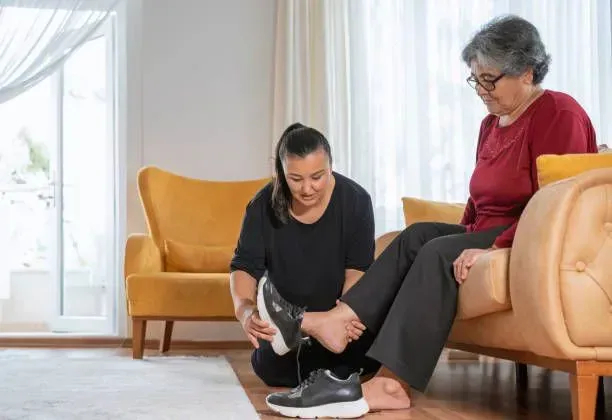
Routine foot examinations are essential for detecting any signs of trouble early on. Diabetic individuals should inspect their feet daily for cuts, blisters, redness, swelling, or any changes in skin color or temperature. Sunrise Home Care recommends using a mirror or seeking assistance if it's challenging to see the bottom of the feet.
2. Proper Foot Hygiene Requires Daily Discipline:
Keeping the feet clean and dry is fundamental in preventing infections. Wash your feet daily with lukewarm water and mild soap, ensuring to dry them thoroughly, especially between the toes. Moisturize your feet with lotion, but avoid applying it between the toes to prevent fungal growth.
3. Trimming Nails Carefully:
Proper nail care is crucial for diabetic individuals to prevent ingrown toenails and infections. Trim your nails straight across and avoid cutting them too short to prevent injury. If you have difficulty trimming your nails, consider seeking professional assistance from a podiatrist or foot care specialist.
4. Choosing Appropriate Footwear:
Wearing well-fitting, comfortable shoes is vital for diabetic foot health. Opt for shoes made of breathable materials with ample room for toes to prevent rubbing and irritation. Avoid high heels, narrow-toed shoes, and shoes with seams or stitching inside that can cause pressure points.
5. Regular Podiatry Visits:
Regular visits to a podiatrist are essential for diabetic individuals to assess foot health and address any concerns promptly. Podiatrists can provide valuable advice on proper foot care, perform routine foot exams, and treat any foot problems or complications effectively.
6. Maintaining Blood Sugar Levels:
Keeping blood sugar levels within target ranges is crucial for overall diabetes management, including foot health. Properly managing blood sugar helps reduce the risk of nerve damage and circulation problems that can lead to foot complications. Sunrise Home Care emphasizes the importance of following a healthy diet, staying physically active, and adhering to prescribed medications to maintain optimal blood sugar control.
7. Avoiding Barefoot Walking:
Diabetic individuals should avoid walking barefoot, even indoors, to prevent injuries. Always wear shoes or slippers with supportive soles to protect your feet from sharp objects, hot surfaces, and potential hazards.
8. Staying Active:
Regular physical activity promotes good circulation and helps control blood sugar levels, which are essential for diabetic foot health. Engage in activities such as walking, swimming, or low-impact exercises recommended by your healthcare provider. Remember to wear appropriate footwear and check your feet before and after exercising for any signs of injury.
Neglecting proper diabetic foot care and preventive measures can lead to severe consequences. Failure to inspect the feet regularly for cuts, blisters, or sores can result in infections that may escalate rapidly due to compromised immune function in diabetic individuals. Without appropriate hygiene practices, such as washing and drying the feet thoroughly, the risk of developing fungal infections increases significantly. Improper nail care, including cutting nails too short or neglecting ingrown toenails, can lead to painful complications and potential infections. Furthermore, wearing ill-fitting shoes or walking barefoot exposes diabetic individuals to injuries and wounds, which may not heal properly due to impaired circulation and neuropathy. These untreated wounds can progress to diabetic foot ulcers, increasing the risk of serious infections, gangrene, and even amputation in severe cases. Therefore, adhering to proper diabetic foot care practices is imperative to mitigate these risks and maintain optimal foot health. Diabetes requires careful attention and management to prevent complications, especially when it comes to foot health.
Proper diabetic foot care is essential for preventing complications and maintaining overall well-being. By following the tips outlined in this article, individuals living with diabetes can take proactive steps to ensure optimal foot health. At 7 Day Home Care, we are committed to supporting our clients in managing their diabetes and promoting a healthy, active lifestyle. To learn more about our in-home care services in Manhattan, Queens, Brooklyn, Nassau County, Suffolk County, New York call 516-408-0034 or visit 7 Day Home Care.
Brian Callahan
7 Day Home Care