The Absolute Necessity of Regular Heart Health Screenings
The Absolute Necessity of Regular Heart Health Screenings
American Heart Association explains "an important aspect of lowering risk of cardiovascular disease, also called coronary artery disease (CAD), is managing health behaviors and risk factors, such as diet quality, physical activity, smoking, body mass index (BMI), blood pressure, total cholesterol, blood glucose and sleep quality. But how do you know which risk factors you have? Your health care professional may conduct or request screening tests during regular visits. Few of us have ideal risk levels on all screening tests. However, if you do have test results that are less than ideal, it doesn’t mean you’re destined to develop a serious cardiovascular disease. On the contrary, it means you’re in a position to begin changing your health in a positive way."

In the realm of healthcare, prevention is paramount. When it comes to heart health, proactive measures can make all the difference between a thriving life and one marred by cardiovascular complications. Regular heart health screenings stand as a cornerstone in this proactive approach, offering invaluable insights into an individual's cardiovascular well-being. In this article, we review the vital importance of regular heart health screenings, exploring their significance, benefits, and how they empower individuals to take control of their heart health journey.
Understanding Heart Health Screenings
Heart health screenings encompass a comprehensive array of tests and assessments aimed at evaluating the overall cardiovascular well-being of an individual. These screenings typically involve a combination of non-invasive procedures such as blood pressure measurements, cholesterol checks, and blood glucose tests, along with more advanced diagnostic tests like electrocardiograms (ECGs) or echocardiograms. During these screenings, healthcare providers meticulously analyze various factors including blood pressure levels, lipid profiles, heart rhythm, and overall heart function. These assessments provide invaluable insights into the individual's cardiovascular health status, identifying potential risk factors for heart disease and other related conditions. By offering a holistic view of the heart's health, these screenings enable healthcare providers to tailor preventive strategies, interventions, and treatment plans specific to the individual's needs, ultimately promoting optimal heart health and well-being.
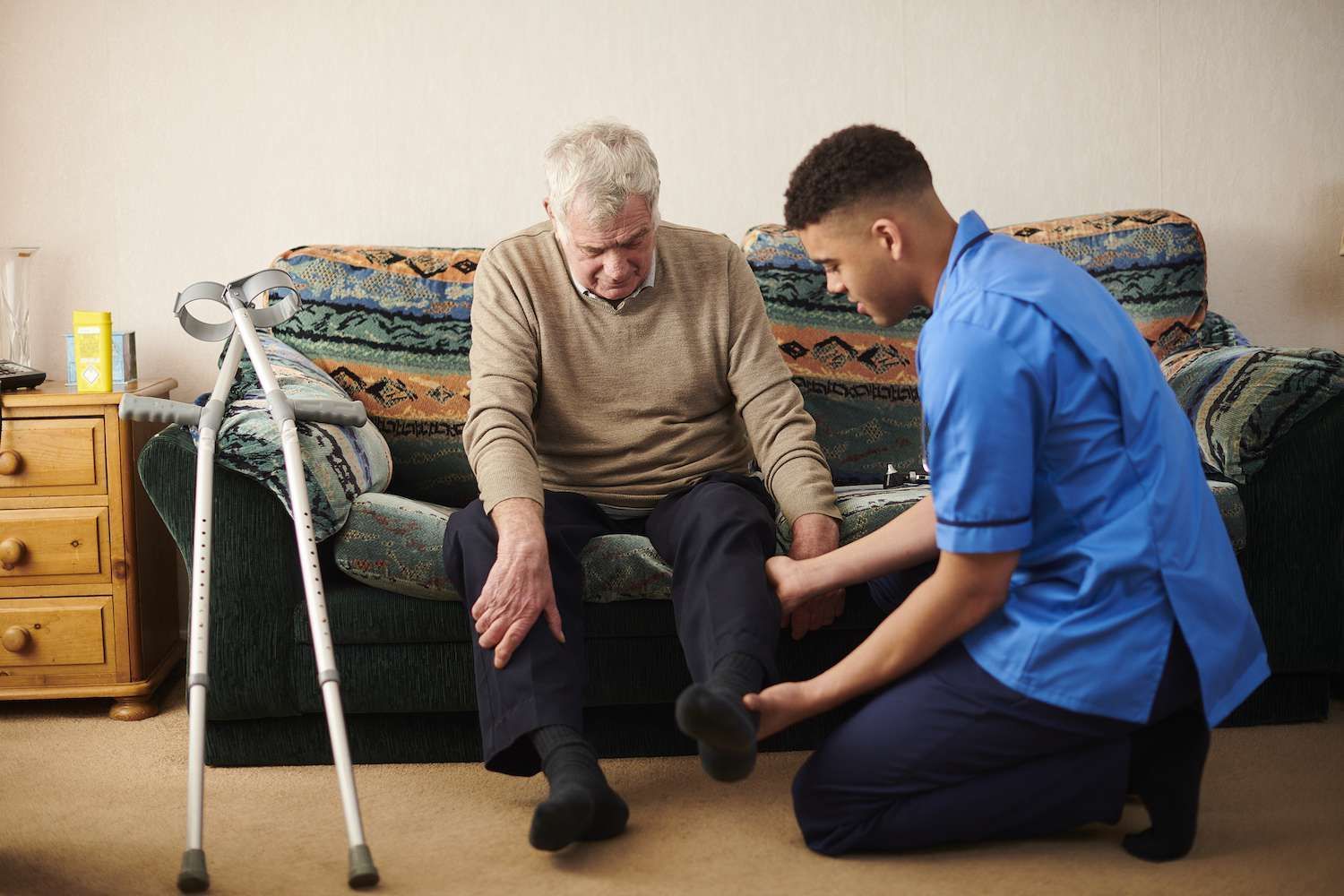
Heart health screenings are typically performed by a team of healthcare professionals trained in cardiovascular care, including physicians, nurses, nurse practitioners, physician assistants, and cardiovascular technologists. Primary care physicians often play a central role in initiating and coordinating heart health screenings during routine check-ups or preventive care visits. They may conduct initial assessments, perform physical examinations, and order basic screening tests such as blood pressure measurements, cholesterol checks, and electrocardiograms (ECGs). Depending on the findings and individual risk factors, further evaluation and specialized testing may be conducted by cardiologists or other specialists with expertise in cardiovascular medicine. Nurses and cardiovascular technologists are instrumental in assisting with screening procedures, administering tests, and providing patient education. This collaborative approach ensures comprehensive and tailored screening protocols that address each individual's unique needs and risk factors.
Heart Health Screenings, Early Detection and Prevention
Early detection and prevention facilitated by heart health screenings offer a multitude of benefits that can significantly impact cardiovascular outcomes. Firstly, identifying potential heart issues in their early stages enables prompt intervention and management, effectively preventing the progression of conditions such as hypertension, high cholesterol, and arrhythmias into more serious cardiovascular events like heart attacks or strokes. Early detection also allows healthcare providers to implement targeted preventive strategies tailored to the individual's specific risk factors, promoting lifestyle modifications, medication adherence, and other interventions to mitigate the risk of heart disease development or progression. Moreover, by addressing cardiovascular issues early on, individuals can experience improved long-term health outcomes, reduced healthcare costs, and enhanced quality of life, underscoring the profound impact that proactive heart health screenings can have on overall well-being.
Heart Health Screenings, Risk Assessment and Customized Care
Moreover, heart health screenings provide valuable insights into an individual's risk factors for cardiovascular disease. Factors such as family history, lifestyle habits, and underlying medical conditions can significantly influence one's cardiovascular risk profile. Through comprehensive screenings, healthcare providers can assess these risk factors and tailor preventive strategies and interventions accordingly. This personalized approach to care empowers individuals to make informed decisions about their lifestyle, diet, and medication regimen to mitigate their risk of heart disease.
Heart Health Screenings and Empowering Patient Education
Regular heart health screenings also serve as opportunities for patient education and empowerment. During these screenings, healthcare providers can engage in meaningful conversations with patients about heart health, risk factors, and preventive measures. By fostering open communication and providing relevant information, individuals gain a deeper understanding of their cardiovascular health and are better equipped to make positive changes in their lives.
Heart Health Screenings, Monitoring Progress and Treatment Efficacy
For individuals already diagnosed with heart conditions, regular screenings play a vital role in monitoring disease progression and treatment efficacy. Through periodic assessments, healthcare providers can track changes in key metrics such as blood pressure, cholesterol levels, and heart function. This ongoing monitoring allows for timely adjustments to treatment plans and interventions, ensuring optimal management of the condition and minimizing the risk of complications.
Reducing Healthcare Costs and Burden through Heart Health Screenings
From a broader perspective, regular heart health screenings contribute to the overall reduction of healthcare costs and burden. By detecting cardiovascular issues early on, individuals can avoid costly hospitalizations, emergency room visits, and invasive procedures associated with advanced heart disease. Moreover, preventive measures implemented based on screening results, such as lifestyle modifications and medication adherence, can lead to long-term cost savings by preventing or delaying the onset of cardiovascular events.
Heart Health Screenings and Promoting Overall Well-being
Beyond the realm of cardiovascular health, regular screenings promote overall well-being and quality of life. A healthy heart is fundamental to the body's overall function, impacting everything from energy levels and cognitive function to emotional resilience and longevity. By prioritizing heart health through regular screenings and preventive measures, individuals can enjoy a higher quality of life and better overall health outcomes.
The importance of regular heart health screenings cannot be overstated. These screenings serve as proactive measures to detect cardiovascular issues early, assess individual risk factors, and empower individuals to take control of their heart health journey. By prioritizing preventive care through regular screenings, individuals can reduce their risk of heart disease, optimize treatment outcomes, and enjoy a higher quality of life. As the old adage goes, "an ounce of prevention is worth a pound of cure" – and when it comes to heart health, regular screenings are the epitome of preventive care in action.
At 7 Day Home Care, we advocate for proactive approaches to heart health and offer comprehensive screening services to support our community in their journey towards optimal cardiovascular well-being. Contact us today at 516-408-0034 to learn more about our comprehensive home care services in Manhattan, Queens, Brooklyn, Nassau County, and Suffolk County, New York.
Brian Callahan
7 Day Home Care