In-Home Palliative Care in Manhattan, Queens, Brooklyn, and Long Island
In-Home Palliative Care in Manhattan, Queens, Brooklyn and Long Island, New York
Johns Hopkins explains "Palliative Care teams can help with the symptoms and the stress of living with a serious illness, including controlling pain, providing support for the mental and emotional effects of an illness, and managing other bothersome symptoms. This extra layer of support can be provided in combination with curative and/or restorative treatments. Research studies showed that by integrating palliative care early into the disease course improvements in outcomes such as: quality of life, mood, patient satisfaction, prognostic understanding, health service use, and possibly survival."

Palliative care, particularly in the comfort of one's home, offers a compassionate and holistic approach to supporting individuals with serious illnesses. As a leading provider of home health aide services in New York City and Long Island, 7 Day Home Care recognizes the importance of palliative care in enhancing the quality of life for individuals and their families. In this article, we discuss the significance of in-home palliative care, its benefits, and how home health aides play a crucial role in providing compassionate support throughout Manhattan, Queens, Brooklyn, Nassau County, and Suffolk County.
Understanding Palliative Care in NYC and Long Island, New York:
Palliative care focuses on improving the quality of life for individuals facing serious illnesses, regardless of their diagnosis or prognosis. Unlike hospice care, which is typically provided in the final stages of life, palliative care can be integrated at any stage of an illness, alongside curative treatments. The goal of palliative care is to alleviate pain and other distressing symptoms, provide emotional and spiritual support, and enhance the overall well-being of patients and their families.
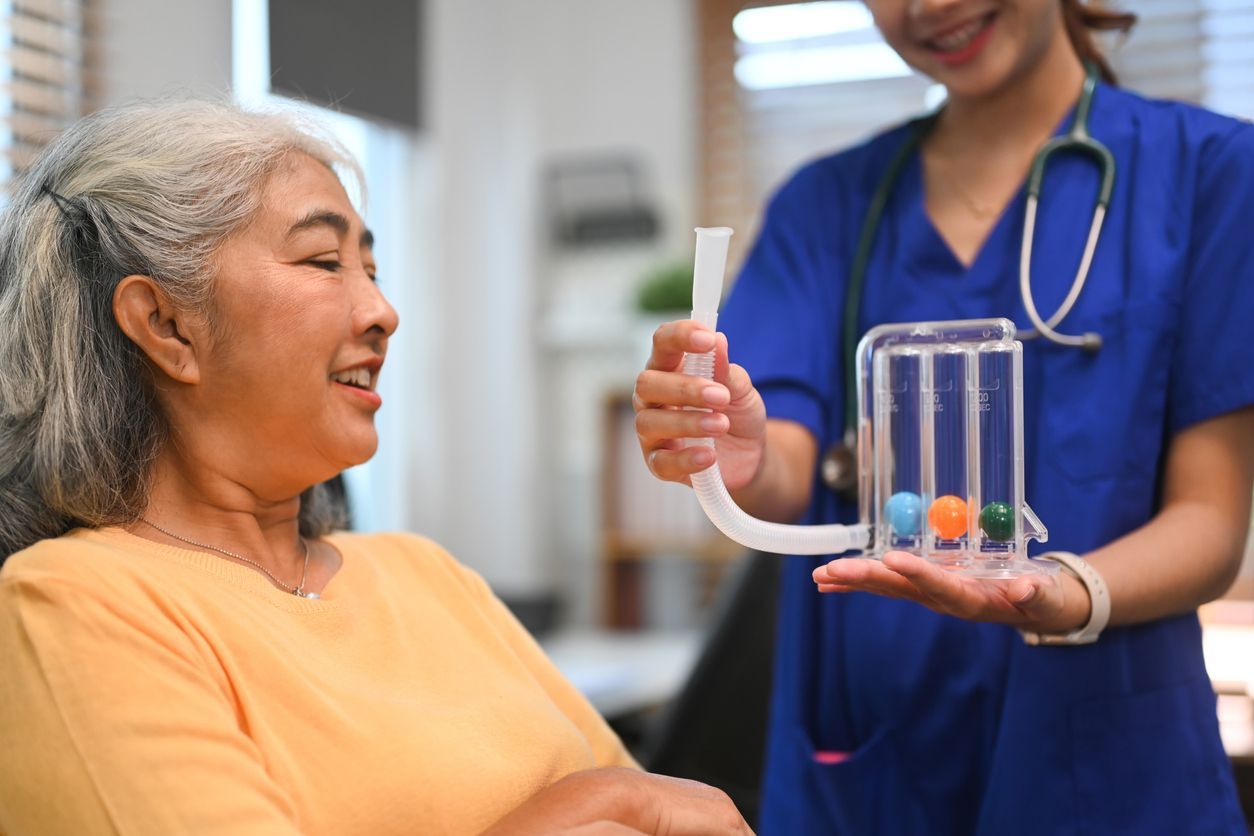
The in-home palliative care team consists of a multidisciplinary group of healthcare professionals dedicated to providing comprehensive support to patients and their families. This team typically includes physicians, nurses, home health aides, social workers, and spiritual care providers, all working collaboratively to address the physical, emotional, and spiritual needs of the patient. Physicians oversee the medical aspects of care, managing symptoms and coordinating treatment plans, while nurses provide skilled nursing care, medication management, and patient education. Home health aides offer personal care assistance, emotional support, and household assistance, ensuring patients receive compassionate and dignified care in the comfort of their own homes. Social workers provide counseling, support services, and assistance with navigating resources and community support, while spiritual care providers offer guidance and support in matters of faith and existential concerns. Together, this interdisciplinary team strives to enhance the quality of life for patients receiving palliative care and to support their families throughout their journey.
Palliative care may be offered to people of any age who have a serious or life-threatening illness. It can help adults and children living with illnesses such as:
- Cancer
- Blood and bone marrow disorders requiring stem cell transplant
- Heart disease
- Cystic fibrosis
- Dementia
- End-stage liver disease
- Kidney failure
- Lung disease
- Parkinson's disease
- Stroke and other serious illnesses
Symptoms that may be improved by palliative care include:
- Pain
- Nausea or vomiting
- Anxiety or nervousness
- Depression or sadness
- Constipation
- Difficulty breathing
- Loss of appetite
- Fatigue
- Trouble sleeping
Benefits of In-Home Palliative Care:
Comfort and Familiarity: In-home palliative care allows patients to remain in the comfort and familiarity of their own environment, surrounded by their loved ones. This setting promotes a sense of security and emotional well-being, which can positively impact the patient's overall health and outlook.
Personalized Care Plans: 7 Day Home Care's team of skilled professionals collaborates with patients, their families, and healthcare providers to develop personalized care plans tailored to the individual's unique needs and preferences. This customized approach ensures that patients receive comprehensive support that addresses their physical, emotional, and spiritual concerns.
Enhanced Quality of Life: By managing symptoms effectively and providing holistic support, in-home palliative care helps improve the quality of life for patients with serious illnesses. Whether it's pain management, assistance with activities of daily living, or emotional support, home health aides strive to enhance the patient's comfort and well-being.
Support for Caregivers: In addition to caring for the patient, home health aides also provide invaluable support to family caregivers. By assisting with daily tasks, offering respite care, and providing guidance on managing the patient's needs, home health aides help alleviate the physical and emotional burden placed on caregivers, allowing them to better focus on their own well-being.
Role of Home Health Aides in In-Home Palliative Care:
Home health aides play a vital role in delivering compassionate and personalized care to individuals receiving palliative care at home. Here's how they support patients and their families:
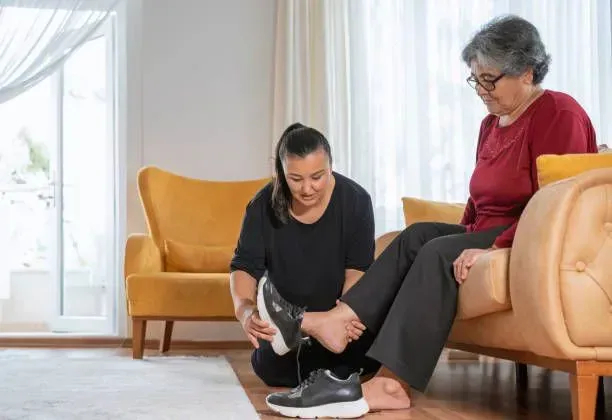
Personal Care Assistance: Home health aides assist with activities of daily living, such as bathing, dressing, grooming, and toileting, ensuring that patients maintain their dignity and independence while receiving the support they need.
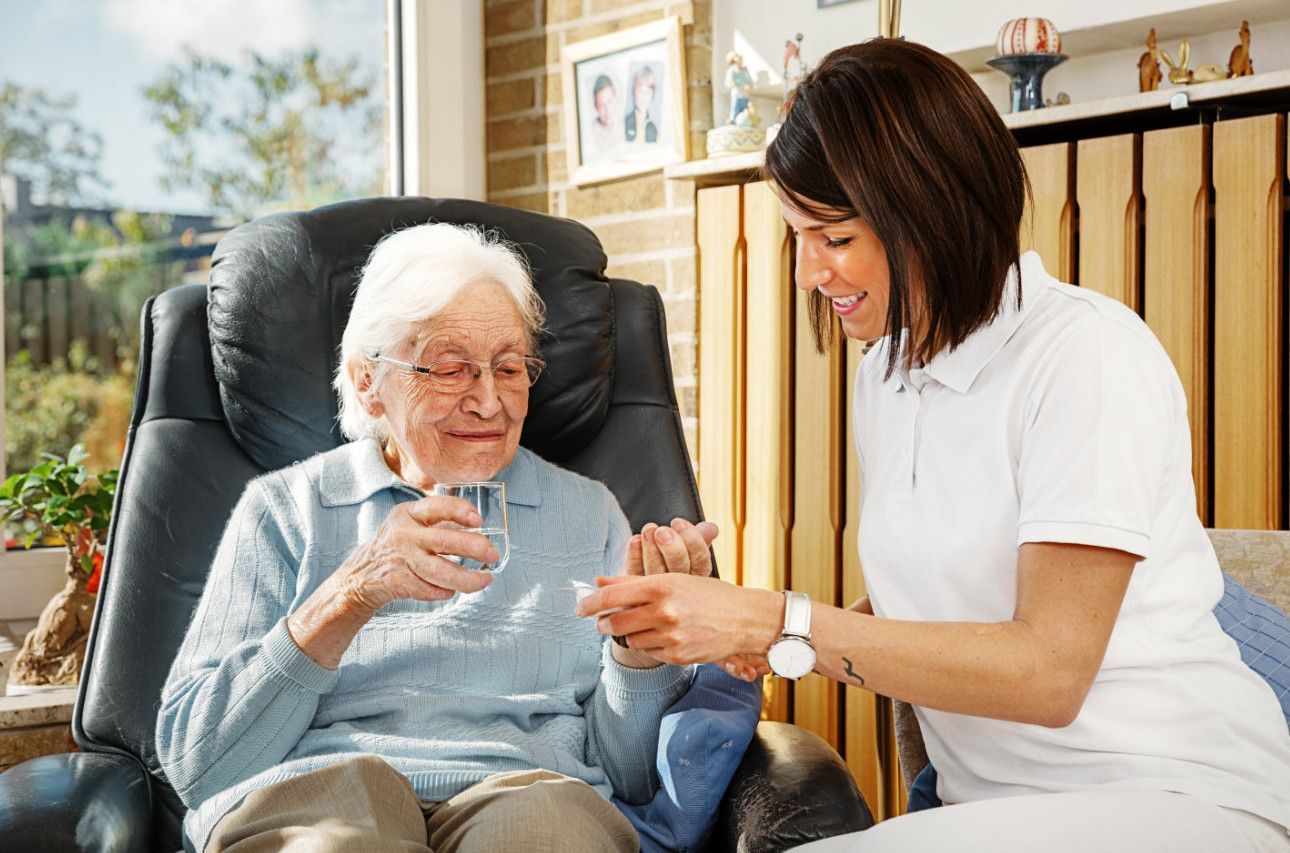
Medication Reminders: Home health aides help patients with their medications, ensuring they take them as prescribed and on schedule. This includes monitoring for side effects, and communicating any concerns to the healthcare team.
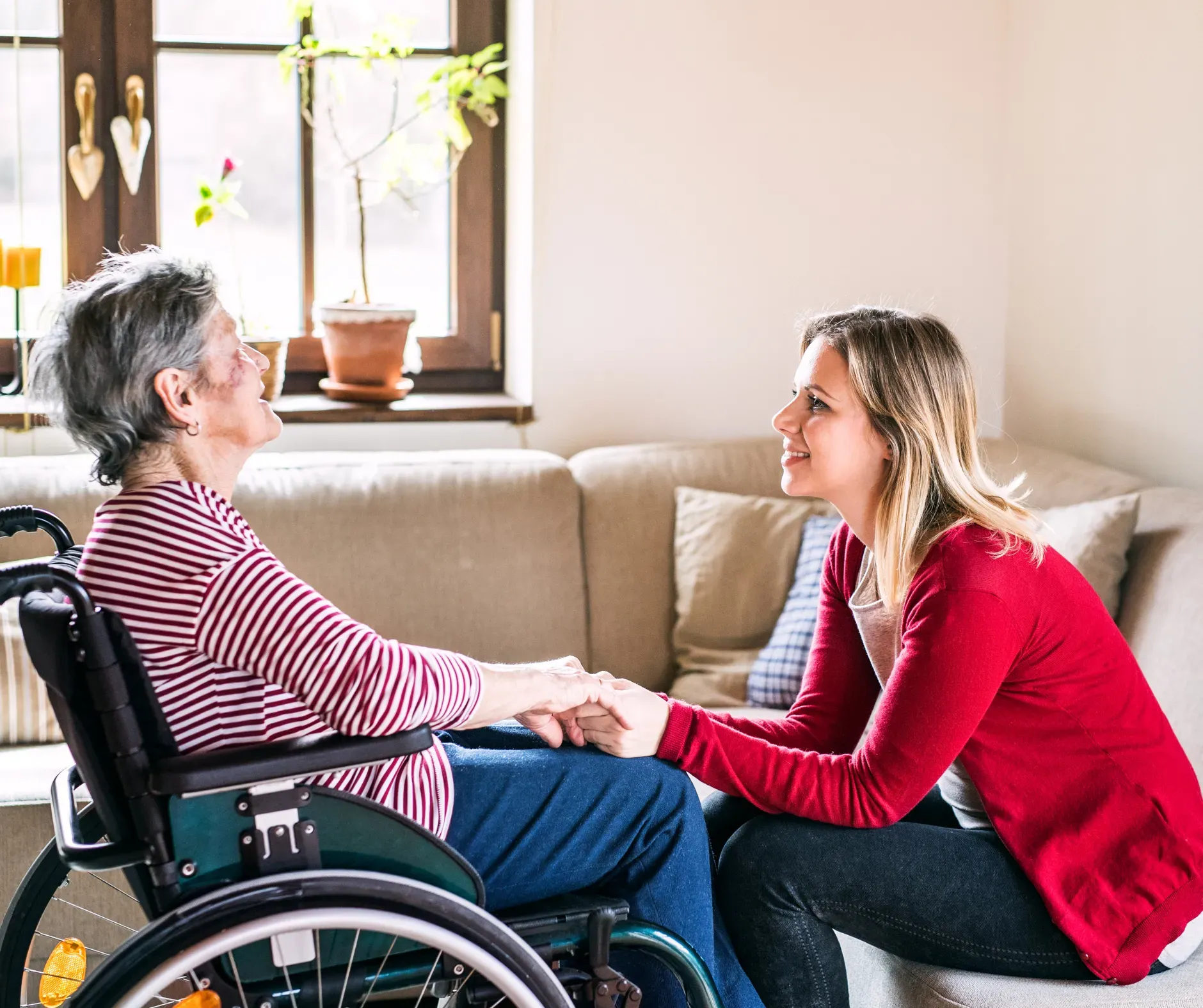
Emotional Support: Home health aides provide companionship and emotional support to patients, offering a listening ear, engaging in meaningful conversations, and providing encouragement during difficult times. Their presence helps alleviate feelings of loneliness and isolation, promoting emotional well-being.
Household Assistance: In addition to caring for the patient, home health aides assist with light housekeeping tasks, meal preparation, and grocery shopping, ensuring that the home environment remains clean, safe, and conducive to healing.
Communication and Coordination: Home health aides serve as a link between the patient, their family, and the healthcare team, communicating any changes in the patient's condition or needs and ensuring that care plans are updated accordingly. They work collaboratively with other members of the healthcare team to ensure seamless coordination of care.
In-home palliative Home Health Aide support provided by 7 Day Home Care offers compassionate and comprehensive support to individuals facing serious illnesses in Manhattan, Queens, Brooklyn, Nassau County, and Suffolk County, New York. By focusing on enhancing quality of life, managing symptoms effectively, and providing holistic support, in-home palliative care helps patients and their families navigate the challenges of serious illness with dignity and compassion. With the dedication and expertise of our team of home health aides, we are committed to improving the well-being of our patients and ensuring that they receive the highest quality of care in the comfort of their own homes. To learn more about our in-home palliative care services, please call 516-408-0034 or visit 7 Day Home Care.
Brian Callahan
7 Day Home Care