Why is Continuity of Care for In-Home Care so Vital?
Relationships matter and experiencing continuity of care for those seeking to age at home is one of the most important variables in determining a client's overall wellbeing.
In the realm of in-home care, the concept of continuity of care stands as a cornerstone in delivering high-quality, patient-centered services. 7 Day Home Care, serving New York City, Queens, Brooklyn, Nassau County, and Suffolk County, New York, has always prioritized the seamless and uninterrupted provision of care to our clients. In this article, we discuss the significance of continuity of care for in-home care and how it positively impacts the lives of our patients and their families.
What Is Continuity of Care?
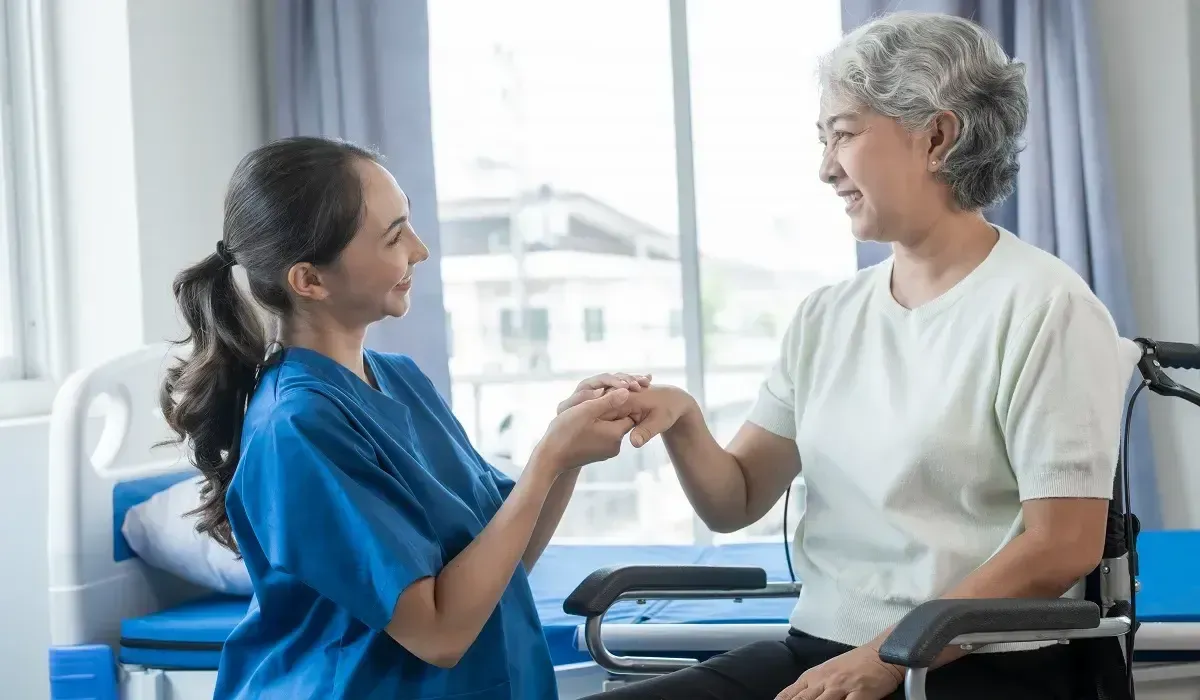
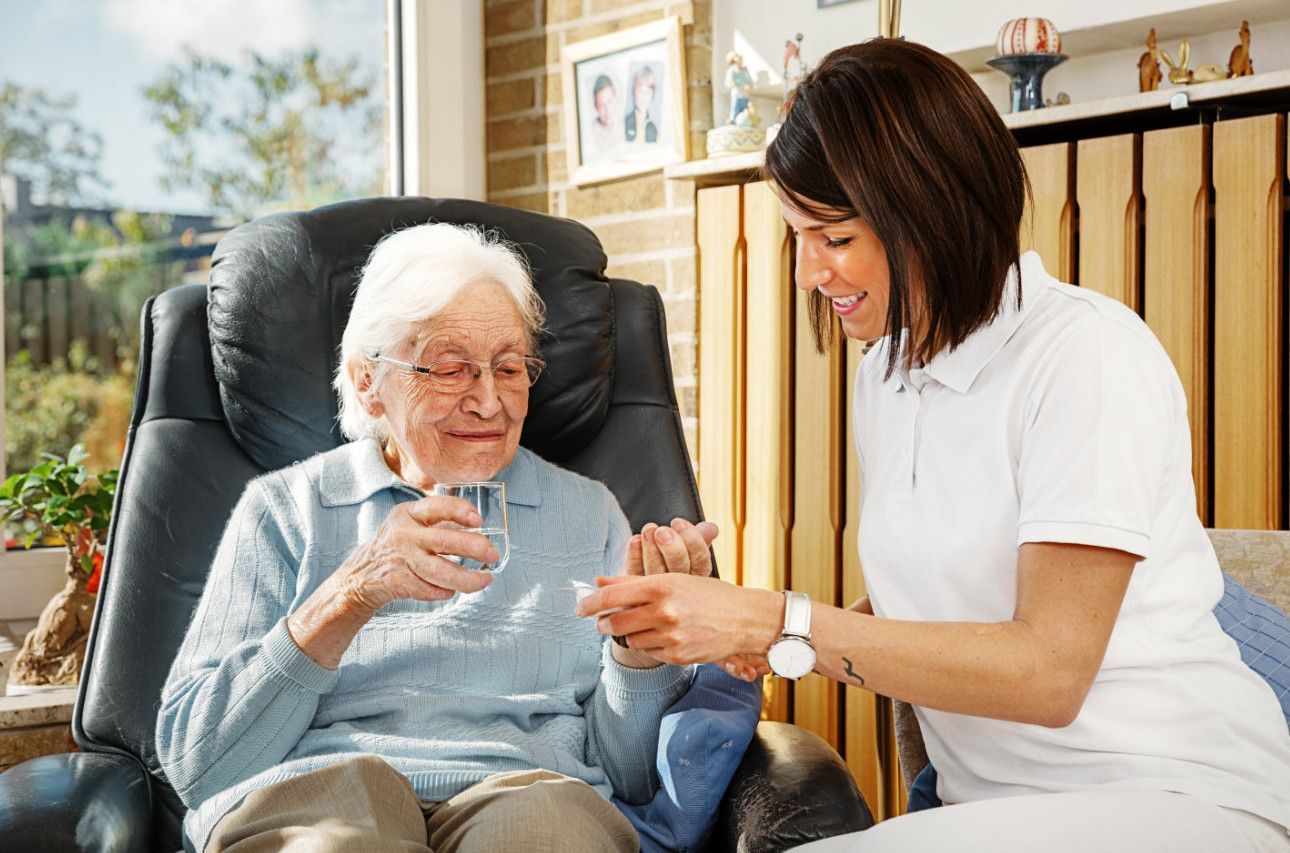
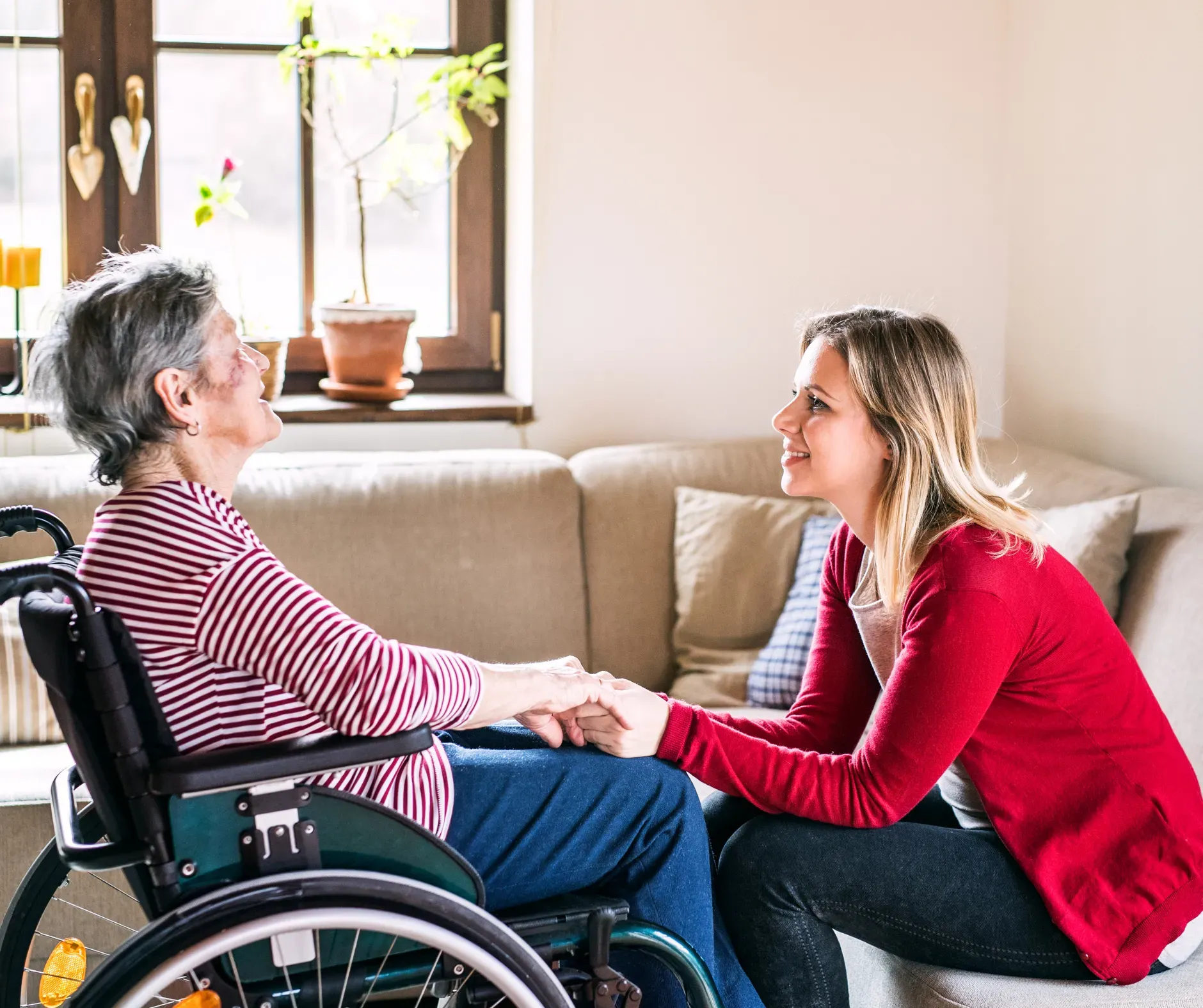
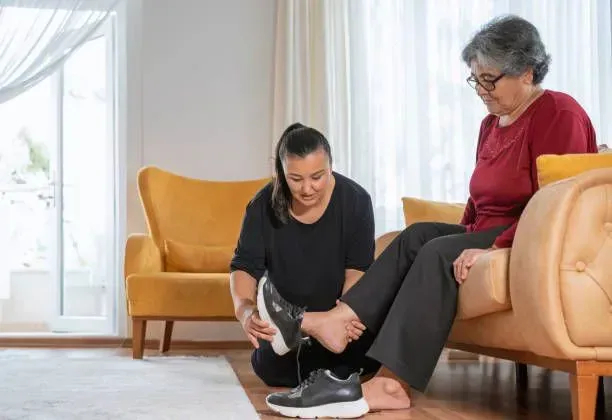
Continuity of care refers to the consistent and coordinated delivery of healthcare services to individuals over time. In the context of in-home care, it involves maintaining a strong and ongoing relationship between patients and their care providers. This relationship is crucial in ensuring that patients receive the necessary care and support consistently, even as their needs evolve. Most importantly, the continuity of care begins with the consistency of having the same caregivers on a schedule providing care, which often leads to greater trust and confidence between client and caregivers. Too often with in-home care, there is a revolving door of Home Health Aides caring for a client, which causes uncertainty for most.
Some Helpful Statistics on the Importance of Continuity of Care
- Reduced Hospital Readmissions:
- According to a study by the Agency for Healthcare Research and Quality (AHRQ), patients who experience a high level of care continuity are 20% less likely to be readmitted to the hospital within 30 days after discharge.
2. Improved Medication Adherence:
- Research published in the Journal of General Internal Medicine found that patients with consistent care providers are 19% more likely to adhere to their prescribed medication regimens.
3. Enhanced Health Outcomes:
- The World Health Organization (WHO) reports that patients who receive continuous care are more likely to achieve better health outcomes, including improved chronic disease management.
The Role of 7 Day Home Care in Ensuring Continuity of Care
At 7 Day Home Care, we understand that continuity of care is not just a buzzword; it's a commitment to our patients' well-being. Here's how we ensure seamless care continuity for our clients:
- Dedicated Care Teams:
- Each of our clients is assigned a dedicated team of caregivers, nurses, and support staff who work collaboratively to meet their unique needs.
2. Comprehensive Care Plans:
- We develop personalized care plans that are regularly reviewed and adjusted as necessary. This ensures that the care we provide aligns with our clients' changing health conditions.
3. 24/7 Availability:
- Our caregivers are available 24/7, providing peace of mind to our clients and their families. Whether it's day or night, we are there to offer support and assistance.
4. Nursing Assessments:
- We conduct nursing assessments of our clients' health and update their care plans accordingly. This proactive approach helps us address potential issues before they escalate.
The Positive Impact of Continuity of Care
- Enhanced Patient Satisfaction:
- According to a survey conducted by the Journal of the American Geriatrics Society, 94% of patients reported higher satisfaction levels with care when they experienced care continuity.
2. Lower Healthcare Costs:
- The American Journal of Managed Care reports that healthcare systems that prioritize continuity of care experience lower costs due to reduced hospitalizations and emergency room visits.
3. Improved Quality of Life:
- A study published in Health Affairs found that patients who receive continuous care at home report a significantly better quality of life compared to those with fragmented care.
In the realm of home care, continuity of care is not just a concept; it's a lifeline for our clients. At 7 Day Home Care, we recognize the vital role that ongoing, coordinated care plays in improving health outcomes, reducing hospital readmissions, and enhancing the overall quality of life for our clients. Through dedicated care teams, personalized care plans, and 24/7 availability, we ensure that our clients receive the consistent, high-quality care they deserve.
By prioritizing continuity of care, we not only meet the immediate needs of our patients but also build lasting relationships that nurture their well-being in the long run. 7 Day Home Care remains steadfast in its commitment to delivering the best in-home care services in New York City, Queens, Brooklyn, Nassau County, and Suffolk County, New York, because every patient's journey deserves unwavering support.
If you're looking for home care services that prioritize continuity of care, contact 7 Day Home Care today. Your well-being is our priority.
Brian Callahan
7 Day Home Care