Alzheimer's and Dementia In-Home Care in New York City
Why are personalized care plans for seniors with Alzheimer's so important?
Caring for a senior loved one with Alzheimer's disease is a unique journey that requires specialized attention and support. At 7 Day Home Care, we understand the challenges families face when dealing with Alzheimer's and dementia. That's why we offer personalized Alzheimer's care plans tailored to the unique needs of each senior we serve in Manhattan, Queens, Brooklyn, Nassau County, and Suffolk County, New York. In this article, we will explore what personalized Alzheimer's care plans entail, their significance, and how they can make a substantial difference in the lives of seniors and their families.
The Growing Impact of Alzheimer's Disease
Before exploring the use of personalized care plans, it's crucial to understand the scope of Alzheimer's disease's impact on seniors and their families. Here are some compelling statistics from the Alzheimer's Association which illustrate the challenges of the disease:
- Prevalence of Alzheimer's Disease:
- According to the Alzheimer's Association, Alzheimer's disease is the most common cause of dementia, accounting for about 60-80% of all dementia cases in the United States.
2. Rising Cases:
- More than 6.2 million Americans aged 65 and older are living with Alzheimer's disease in 2023, and this number is projected to increase to 12.7 million by 2050 if no cure is found.
3. Caregiver Impact:
- Over 11 million unpaid caregivers provide care for people with Alzheimer's or other dementias in the United States.
What Are Personalized Alzheimer's Care Plans?
Personalized Alzheimer's care plans are comprehensive, individualized strategies designed to address the specific needs, preferences, and challenges of each senior with Alzheimer's or related dementia. These plans are created in collaboration with the senior, their family, and a team of experienced caregivers and healthcare professionals.
Tailoring Care to the Individual
Every individual experiences Alzheimer's disease differently. Personalized care plans take into account:
- Stage of Alzheimer's: Care plans are adjusted to match the progression of the disease, ensuring that care remains effective as needs evolve.
- Medical History: Understanding a senior's medical history helps in managing co-existing conditions or medications.
- Preferences: Personalized care plans respect the senior's preferences, from daily routines to favorite activities and foods.
- Safety Measures: Plans incorporate safety measures to prevent wandering, falls, and other common risks associated with Alzheimer's.
The Components of Personalized Alzheimer's Care Plans
- Daily Routine:
- Establishing a consistent daily routine can help reduce anxiety and confusion.
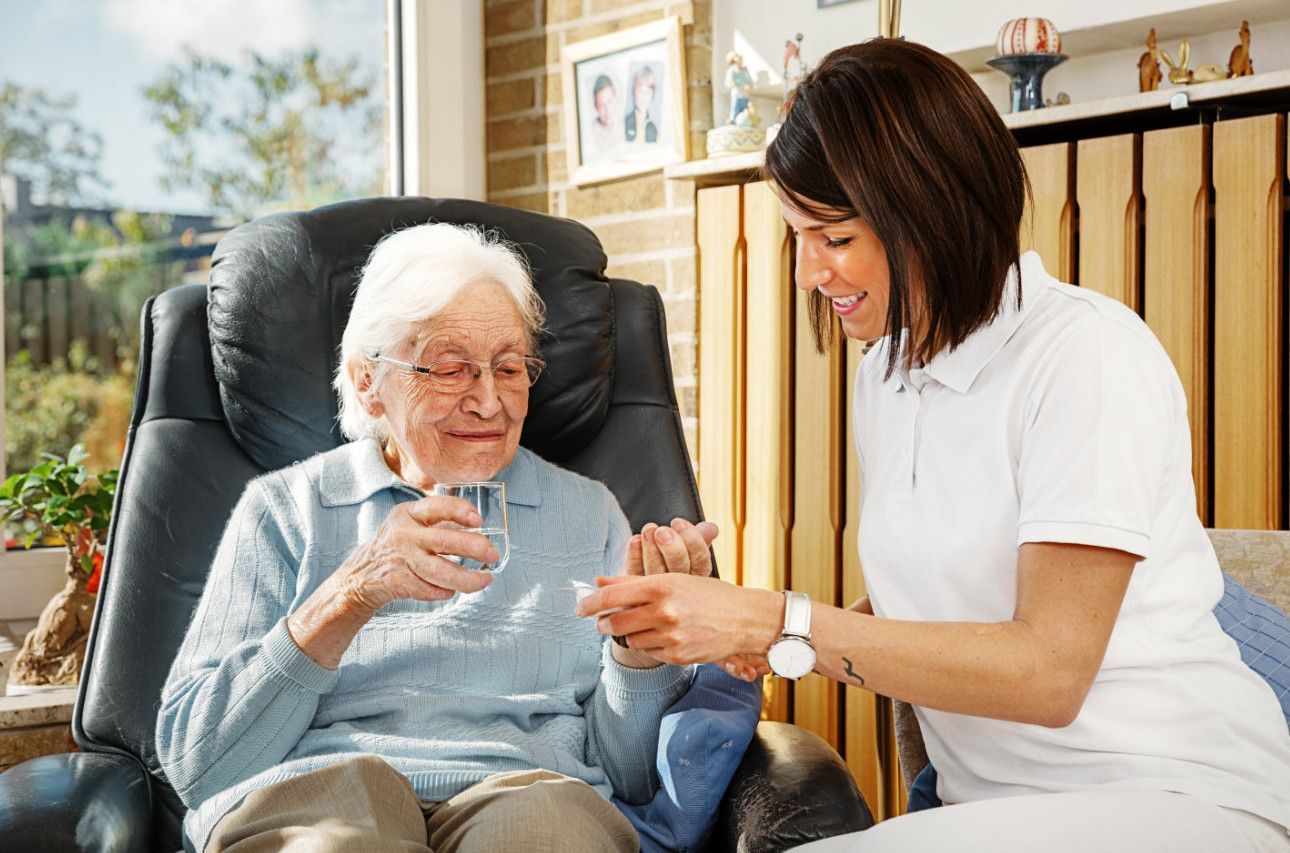
2. Medication Reminders:
- Ensuring the senior takes prescribed medications as needed.
3. Nutrition and Meal Planning:
- Providing balanced meals tailored to dietary requirements and preferences.
4. Memory Care Activities:
- Engaging in memory-stimulating activities to slow cognitive decline.
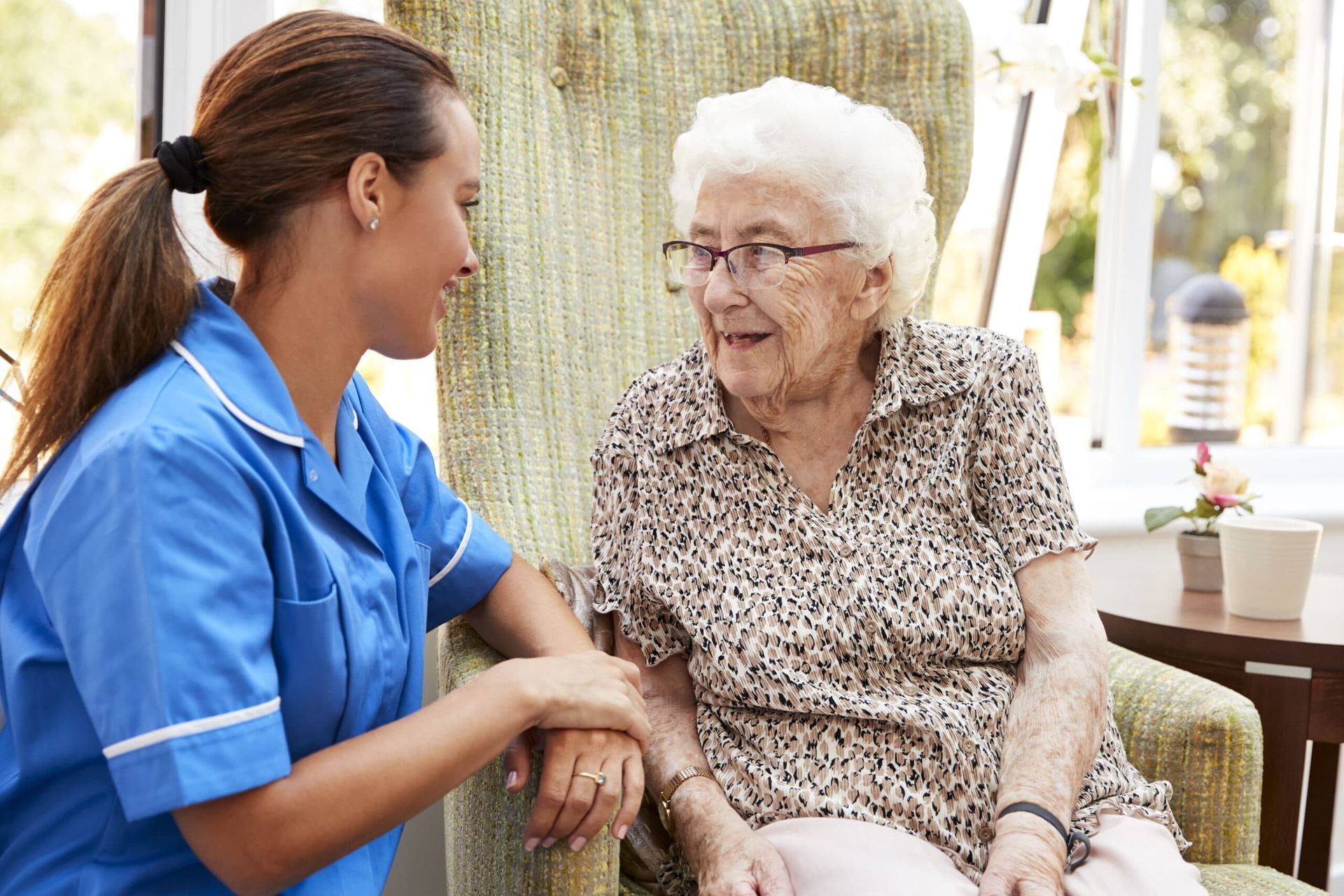
5. Companionship:
- Providing companionship and emotional support to combat feelings of loneliness.
6. Home Safety Assessments:
- Identifying potential hazards and implementing safety measures.
The Benefits of Personalized Care Plans Improved Quality of Life
- According to a study in the journal "Aging & Mental Health," personalized care plans have been shown to improve the quality of life for seniors with Alzheimer's by promoting independence and reducing anxiety.
Delayed Nursing Home Placement
- Research published in the "Journal of the American Geriatrics Society" suggests that personalized care plans can help delay the need for seniors with Alzheimer's to enter nursing homes.
Reduced Caregiver Stress
- Personalized care plans not only benefit seniors but also alleviate stress and burden on family caregivers, as reported by the Alzheimer's Association.
Personalized Alzheimer's care plans are a lifeline for seniors living with this challenging disease. At 7 Day Home Care, we recognize the importance of tailoring care to the individual, ensuring that each senior receives the support they need to live with dignity and comfort.
Our team of dedicated caregivers, trained in Alzheimer's and dementia care, is committed to implementing personalized care plans that make a positive impact on the lives of seniors and their families. We believe that every senior deserves the opportunity to age in place while receiving the highest level of care.
If you or your loved one is in need of specialized Alzheimer's care in Manhattan, Queens, Brooklyn, Nassau County, or Suffolk County, New York, please don't hesitate to reach out to 7 Day Home Care. We are here to provide compassionate, personalized care that truly makes a difference.
Brian Callahan
7 Day Home Care
Please call the most responsive team in Alzheimer's and dementia Home Care today at
516-408-0034. Some areas of our in-home care services coverage in Manhattan include:
Upper Manhattan home care services for Alzheimer's and dementia care
· Lenox Hill
· Carnegie Hill
· Yorkville
· Upper East Side
· Upper West Side
· Manhattan Valley, Bloomingdale District
· Lincoln Square (known before as San Juan Hill)
Midtown Manhattan Alzheimer's and dementia in-home care, including:
· Midtown in-home health care
· Columbus Circle home health aides
· Sutton Place home attendants
· Rockefeller Center home care assistance
· Midtown East
· Midtown affordable home care
· Tudor City
· Little Brazil
· Times Square caregivers
· Hudson Yards
· Midtown West
· Hell’s Kitchen, Clinton
· Diamond District senior care
· Theater District personal assistants
· Turtle Bay personal care assistants
· Garment District
· Herald Square
· Koreatown
· Murray Hill
· Tenderloin
· Madison Square
· Central Park South
Additional Home Care Manhattan areas serviced by 7 Day Home Care for Alzheimer's and dementia care include:
· Flower District home attendants
· Brookdale home health aides
· Hudson Yards
· Peter Cooper Village (previously known as the Gas House district)
· Chelsea home care services
· Flatiron District, Toy District, Photo District
· Gramercy Park elder care
· Stuyvesant Square
· Union Square HHA’s
· Kips Bay
· Rose Hill personal care assistants
· NoMad
· Stuyvesant Town (previously known as Gas House district)
· Meatpacking District
· Waterside Plaza
We also provide affordable home care services in all of Downtown Manhattan, including:
· Little Germany in-home care
· Alphabet City and Loisaida home health care
· East Village personal care assistants
· Greenwich Village home care services
· NoHo
· Little Italy
· Chinatown
· Financial District caregivers
· Five Points (historic)
· Cooperative Village
· Two Bridges
· Tribeca
· Civic Center
· Bowery HHA’s
· West Village PCA’s
· Lower East Side senior care services
· SoHo home care
· Nolita
· Radio Row
· South Street Seaport Historic District
· Battery Park City home care services
· Little Syria
All of our home health aides and personal care assistants are fully certified and trained in Alzheimer's and dementia care. 7 Day Home Care is licensed by the New York State Department of Health to provide in-home care services throughout Manhattan. Call us today to see how we can help you: 516-408-0034
Here’s a list of the zip codes in Manhattan where we provide Alzheimer's and dementia home care services:
Chelsea and Clinton 10001, 10011, 10018, 10019, 10020, 10036
Gramercy Park and Murray Hill 10010, 10016, 10017, 10022
Greenwich Village and Soho 10012, 10013, 10014
Lower Manhattan 10004, 10005, 10006, 10007, 10038, 10280
Lower East Side 10002, 10003, 10009
Upper East Side 10021, 10028, 10044, 10065, 10075, 10128
Upper West Side 10023, 10024, 10025, 10069
Inwood and Washington Heights 10031, 10032, 10033, 10034, 10040