The Vital Role of In-Home Physical Therapy
A study in Journal of Physical Therapy Science, researchers discovered that home-based physical therapy yielded results comparable to those of outpatient therapy services. Remarkably, the study demonstrated that in-home care exhibited even greater effectiveness over the long term. Unsurprisingly, adherence to the recommended treatment plan emerged as the primary determinant of the success of an in-home therapy regimen. Moreover, patients noted that in-home treatments proved more intensive and focused, attributed to the personalized attention they received when therapists worked directly with them in the comfort of their homes.

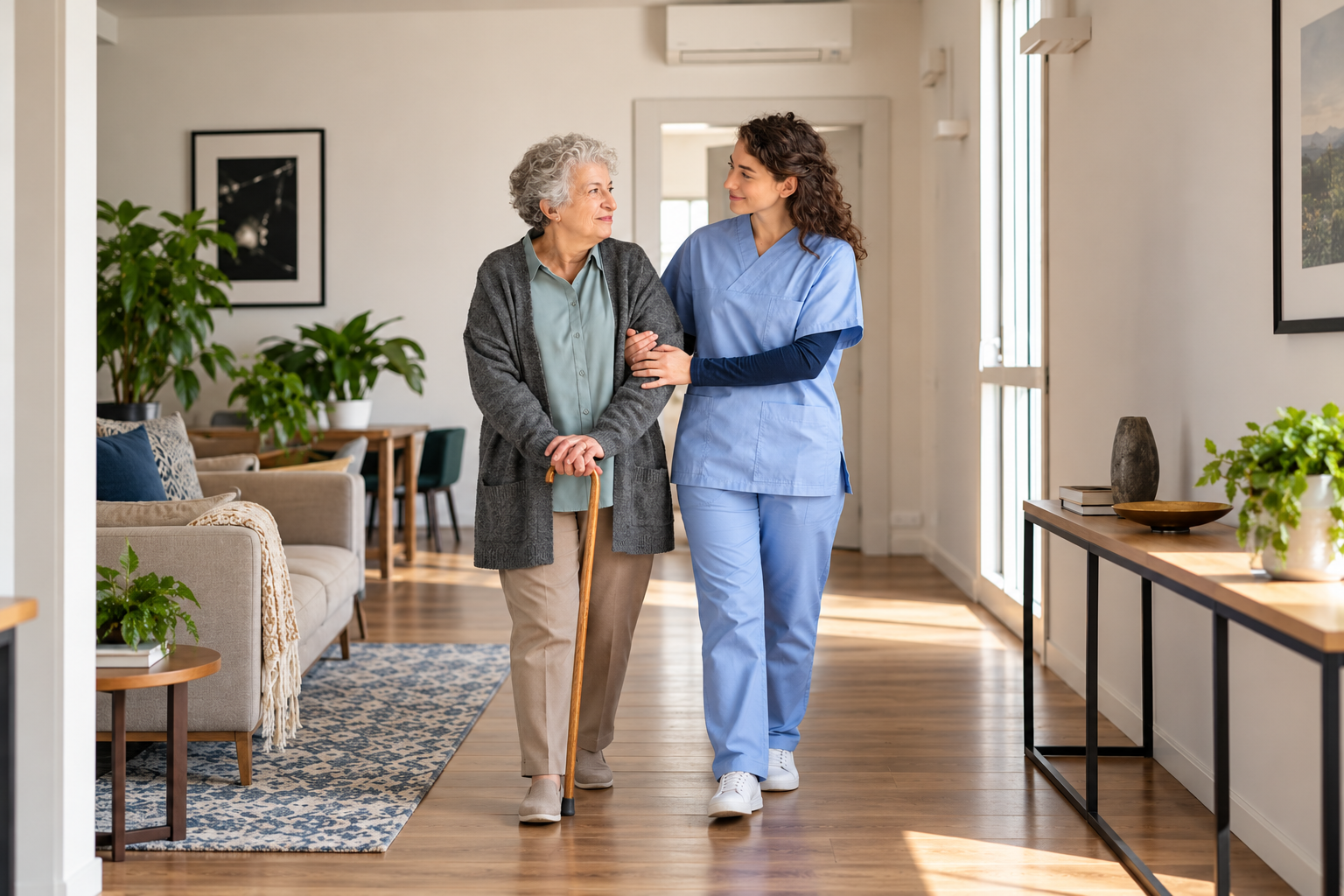
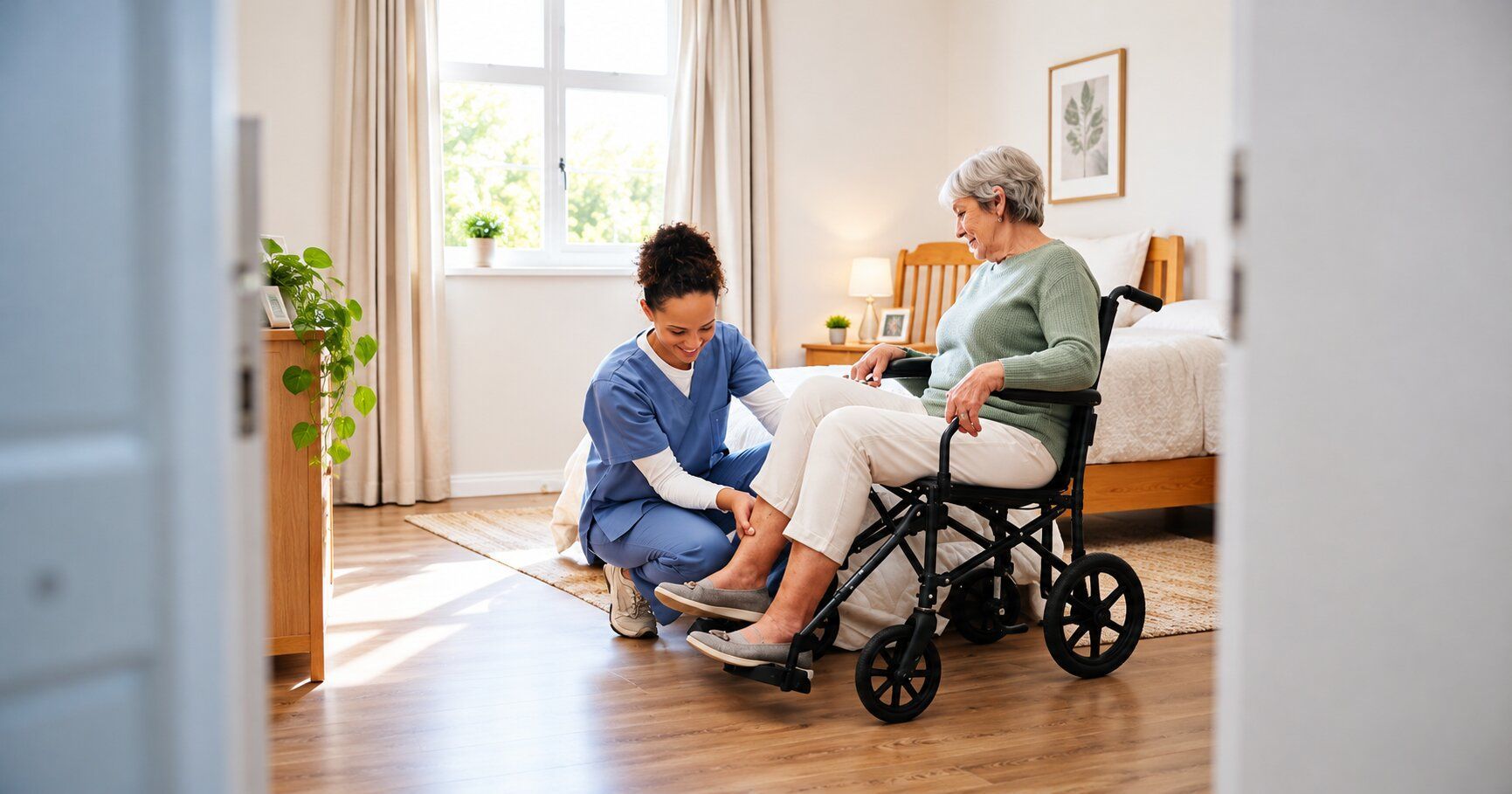
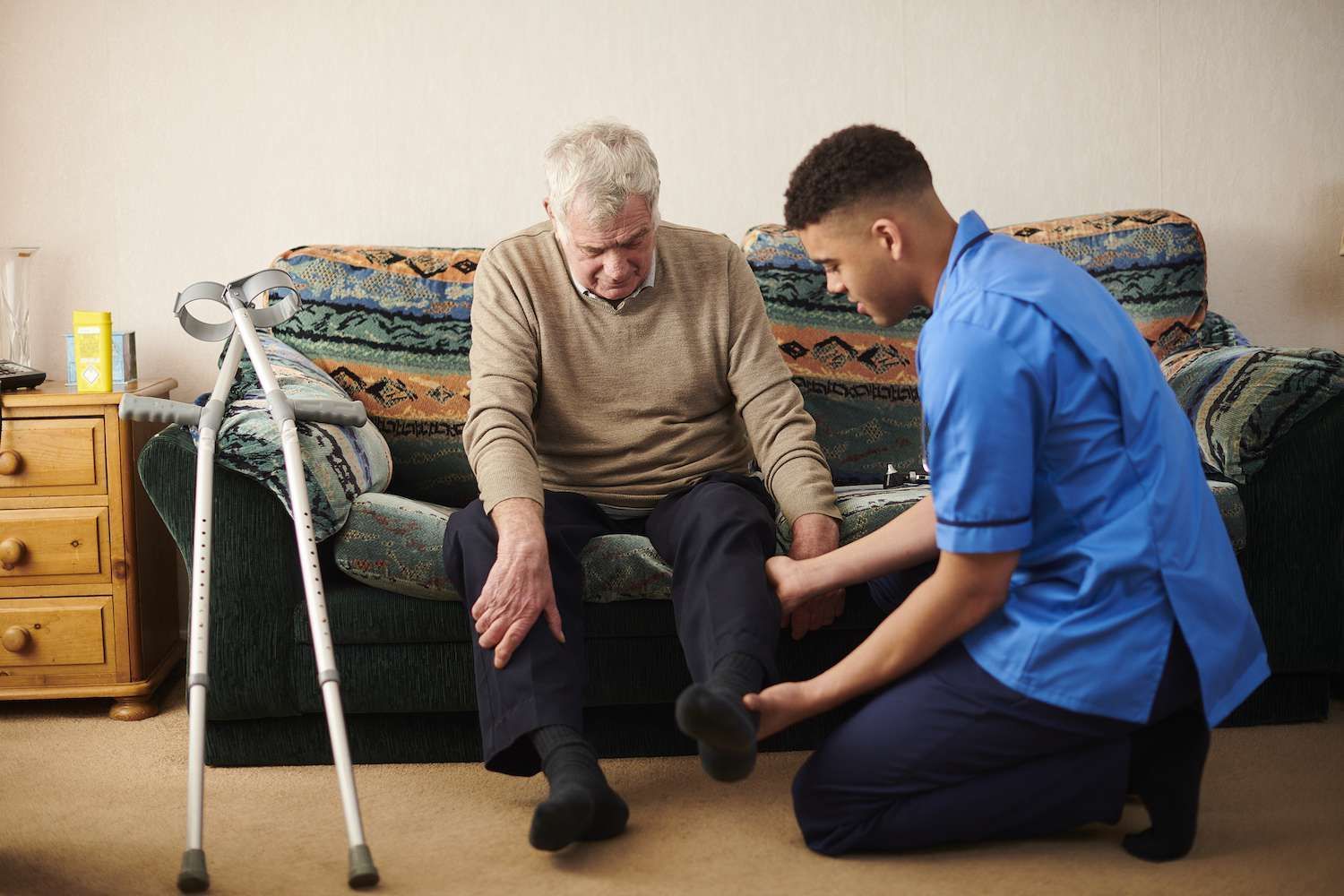
In the realm of healthcare, the importance of physical therapy is widely acknowledged in aiding recovery, improving mobility, and enhancing overall well-being. When individuals face health challenges that require physical therapy, the option to receive these services in the comfort of one's home becomes a valuable and convenient alternative. 7 Day Home Care, a leading provider of home care services in Manhattan, Queens, Brooklyn, Nassau County, and Suffolk County, New York, recognizes the vital role that physical therapy plays in the healing process. This article explores the significance of at-home physical therapy and how the 7 Day Home Care team of home health aides complements and supports the work of physical therapists.
The Benefits of Physical Therapy at Home:
Convenience and Comfort: According to a study published in the Journal of Telemedicine and Telecare, patients receiving physical therapy at home reported higher levels of satisfaction and comfort, contributing to better adherence to treatment plans. Receiving physical therapy at home offers unparalleled convenience and comfort, contributing to a higher attendance rate and more effective rehabilitation. The familiar surroundings of one's home not only alleviate the stress associated with traveling to a clinic but also create a conducive environment for healing. The elimination of transportation barriers, mobility restrictions, and the personalized nature of in-home sessions make it more likely for patients to attend their scheduled appointments consistently. This increased attendance rate translates into a more consistent and impactful therapeutic experience, as patients can engage more fully in their rehabilitation journey within the comfort of their own homes.
Enhanced Recovery: The American Physical Therapy Association (APTA) states that patients often experience quicker recovery when receiving physical therapy in their home environment, as it allows for personalized and targeted exercises tailored to the specific challenges of daily living. The home environment offers a familiar and comfortable setting, promoting a sense of security and well-being that positively influences the healing process. The convenience of receiving therapy at home also encourages greater adherence to treatment plans, fostering a continuous and consistent approach to rehabilitation. By tailoring interventions to the unique needs of each patient within the comfort of their own space, home-based physical therapy becomes a key component in expediting recovery and restoring individuals to their optimal level of health and mobility.
One on One Physical Therapy at Home: The singular advantage of one-on-one physical therapy care at home lies in the unparalleled personalized attention and focus it provides. In the home setting, individuals receive undivided attention from their physical therapist, enabling a tailored and precise approach to address their specific needs. This personalized care not only fosters a strong therapeutic relationship between the patient and therapist but also allows for a more thorough understanding of the patient's unique challenges and goals. The absence of distractions commonly found in clinical settings ensures that every session is dedicated solely to the individual's well-being, promoting a more efficient and effective rehabilitation process. This intimate and customized approach to care enhances patient engagement, encourages adherence to treatment plans, and ultimately contributes to improved outcomes in the comfort and familiarity of one's own home.
Reduced Healthcare Costs: Research from the Agency for Healthcare Research and Quality (AHRQ) indicates that home-based physical therapy can contribute to cost savings in comparison to inpatient or facility-based care, making it a cost-effective option for patients. By avoiding the need for hospital or clinic visits, patients can mitigate expenses associated with transportation, parking, and potential overnight stays. Home-based physical therapy not only reduces direct medical costs but also minimizes the economic burden on the healthcare system by optimizing resource allocation. This cost-saving aspect is particularly notable in chronic conditions where ongoing physical therapy is essential. Additionally, the personalized nature of at-home care helps prevent complications and rehospitalizations, further mitigating healthcare expenditures and offering a financially prudent solution for both patients and the broader healthcare infrastructure.
Reducing Exposure to Pathogens: One of the notable benefits of receiving physical therapy at home is the reduced exposure to germs, flu viruses, and other potential infections. In clinical settings, where numerous individuals seek healthcare services, the risk of exposure to various pathogens is inherently higher. Home-based physical therapy minimizes this risk by creating a controlled and sanitized environment tailored to the individual's needs. Particularly in times of heightened concern for contagious illnesses, such as flu seasons or pandemics, the avoidance of crowded waiting rooms and shared spaces becomes paramount. By bringing the therapeutic intervention directly to the patient's home, the risk of contracting infections is significantly diminished, ensuring a safer and more protected rehabilitation experience. This aspect of in-home care is especially beneficial for individuals with compromised immune systems or those who wish to minimize their exposure to potential health risks during their recovery process.
Supporting Your Physical Therapist: How 7 Day Home Care Makes a Difference
Collaboration with Skilled Home Health Aides: The 7 Day Home Care team consists of skilled home health aides who work collaboratively with licensed physical therapists. This collaboration ensures that the patient receives comprehensive care, addressing both medical and non-medical needs.
Assistance with Daily Activities: According to the National Institute on Aging, home health aides play a crucial role in assisting individuals with daily activities such as bathing, dressing, and mobility exercises, thereby supporting the goals set by the physical therapist.
Monitoring and Reporting Progress: The 7 Day Home Care team monitors the patient's progress and communicates regularly with the physical therapist. This collaborative approach enables adjustments to the care plan as needed, ensuring optimal outcomes.
Statistics Reinforcing the Importance of Physical Therapy and Home Care:
Patient Satisfaction: A survey conducted by the Centers for Medicare & Medicaid Services (CMS) found that 87% of patients receiving home-based care reported high satisfaction levels with the services provided, including physical therapy.
Reduced Hospital Readmissions: The Journal of the American Medical Association (JAMA) published a study indicating that home-based physical therapy significantly reduces hospital readmission rates, emphasizing the impact of personalized care on long-term health outcomes.
Cost Savings: According to a report by the Alliance for Home Health Quality and Innovation, home-based care, including physical therapy, can result in substantial cost savings for both patients and the healthcare system.
The integration of physical therapy into home care services offered by 7 Day Home Care is a powerful combination that enhances the quality of healthcare for individuals in Manhattan, Queens, Brooklyn, Nassau County, and Suffolk County, New York. The convenience, personalized attention, and collaborative approach between home health aides and physical therapists contribute to improved outcomes, patient satisfaction, and cost-effective care. As the demand for home-based healthcare continues to rise, the comprehensive services provided by 7 Day Home Care stand as a testament to the commitment to holistic and patient-centered care.
Brian Callahan
7 Day Home Care