The Role of a Home Care Agency and Neuropathy Support at Home
The Role of a Home Care Agency
and Neuropathy Support at Home

Home Care Agency Near Me For Neuropathy Support at Home
Neuropathy, a condition characterized by nerve damage, affects millions of individuals worldwide, particularly the elderly population. Managing neuropathy symptoms can be challenging, impacting mobility, independence, and overall quality of life. In such cases, home care services play a vital role in providing personalized support and assistance tailored to the unique needs of elderly individuals with neuropathy. At 7 Day Home Care, we understand the complexities of neuropathy care and are committed to enhancing the well-being of our clients in Manhattan, Queens, Brooklyn, Nassau County, and Suffolk County, New York. In this article, we'll explore the crucial role of home care in supporting elderly individuals with neuropathy, offering insights into the comprehensive care services we provide to promote comfort, safety, and independence.
Understanding Neuropathy and Home Health Care Services
Neuropathy encompasses a range of conditions characterized by damage to the peripheral nerves, resulting in symptoms such as pain, numbness, tingling, and weakness. For elderly individuals, neuropathy can significantly impact daily life, affecting mobility, balance, and the ability to perform routine tasks. Common causes of neuropathy in the elderly include diabetes, chemotherapy, infections, and nerve compression. Managing neuropathy requires a multidisciplinary approach, addressing both the underlying cause and symptom management.
Home Care and Managing Neuropathy Risks
Neuropathy poses significant risks to individuals' overall health and well-being, particularly among the elderly population. The condition often leads to diminished sensation in the extremities, increasing the likelihood of injuries, falls, and unnoticed wounds. Moreover, neuropathy can impair mobility and balance, further elevating the risk of accidents and fractures. Individuals with neuropathy may also experience complications such as foot ulcers, infections, and delayed wound healing due to compromised nerve function. Additionally, neuropathy can contribute to chronic pain, discomfort, and decreased quality of life, affecting daily activities and independence. Managing these risks requires vigilant monitoring, preventive measures, and comprehensive care to mitigate potential complications and promote optimal health outcomes for individuals living with neuropathy.
The Role of Home Health Aide Care for Individuals with Neuropathy
Home care services play a crucial role in supporting elderly individuals with neuropathy by providing personalized assistance, symptom management, and emotional support in the comfort of their own homes. At 7 Day Home Care, our team of dedicated caregivers is trained to address the unique needs of clients with neuropathy, offering a range of services aimed at enhancing quality of life and promoting independence.
- Personalized Care Plans: We understand that each individual's experience with neuropathy is unique. That's why we develop personalized care plans tailored to the specific needs and preferences of our clients. Our registered nurses conduct comprehensive assessments to identify areas of concern and develop a care plan that addresses mobility issues, pain management, medication adherence, and other relevant factors.
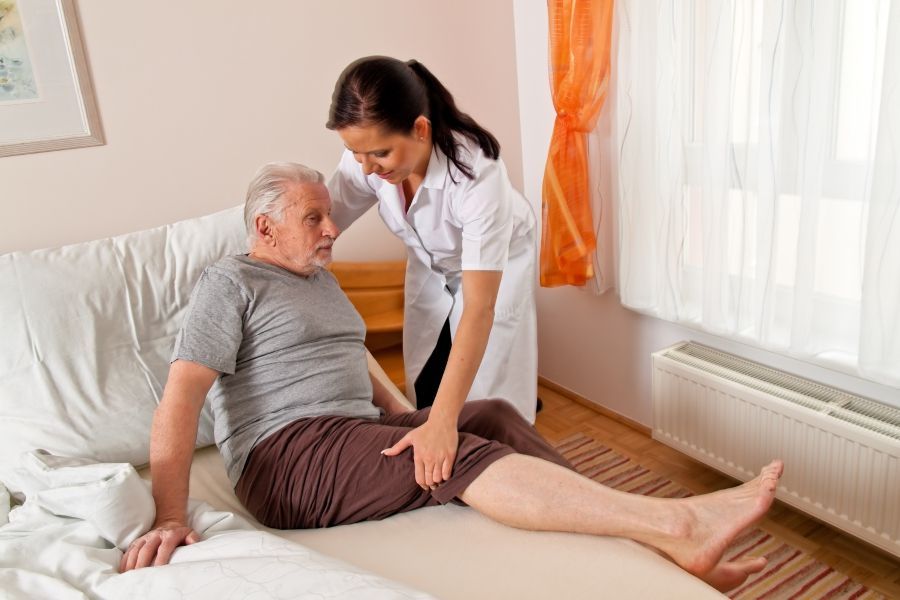
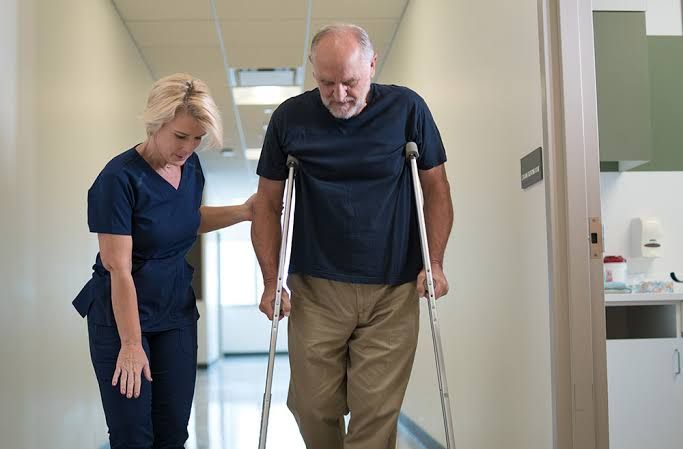
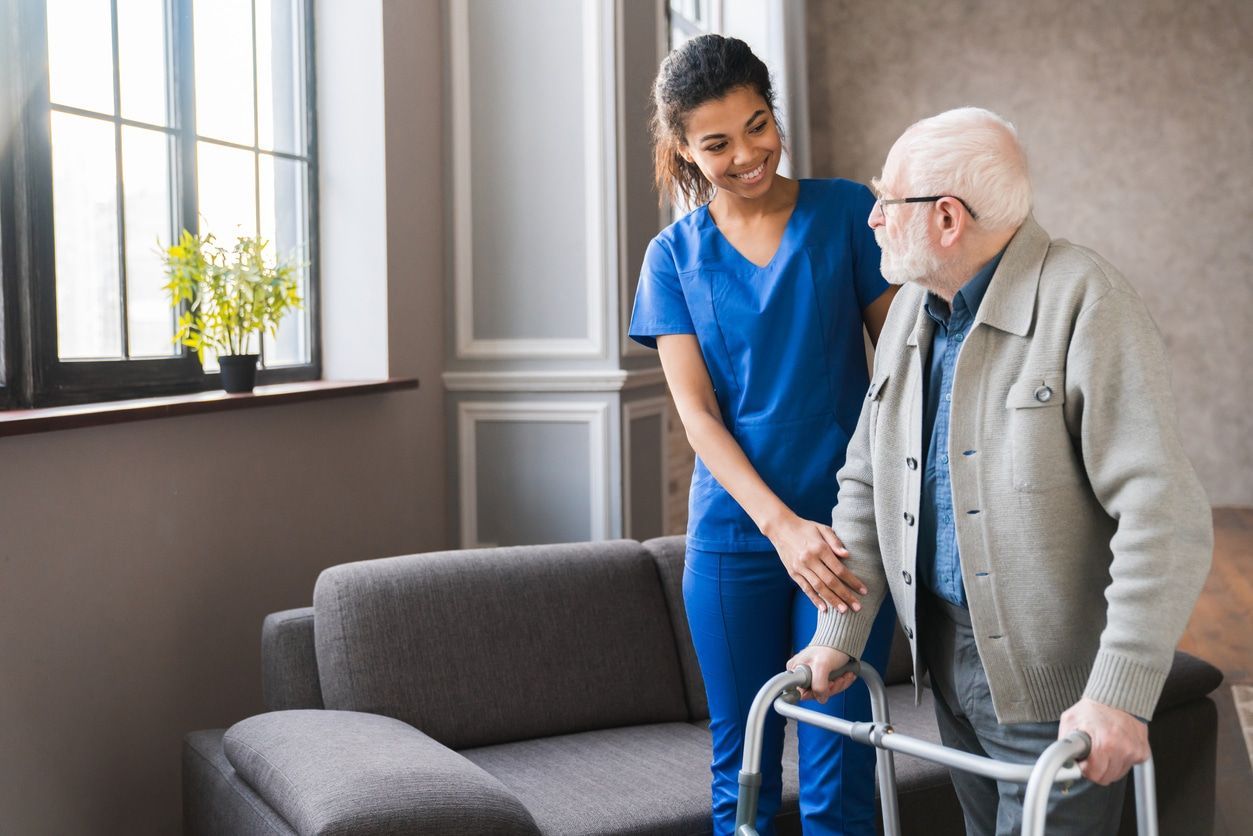
- Mobility Assistance: Neuropathy can impair mobility and balance, increasing the risk of falls and injuries. Our caregivers are trained to provide mobility assistance, helping clients safely navigate their homes and communities. From assisting with transfers and ambulation to providing support with mobility aids, our caregivers ensure that elderly individuals with neuropathy can move around safely and confidently.
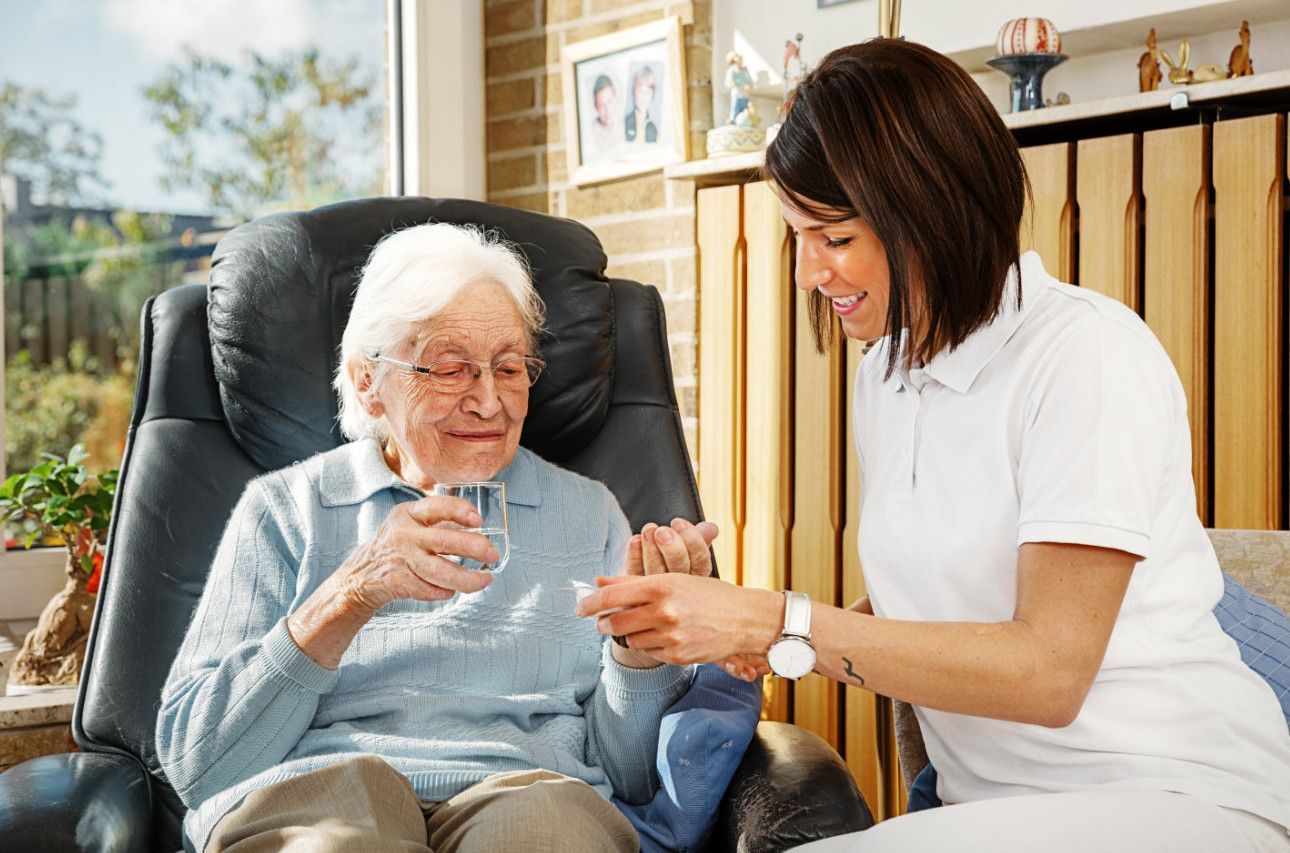
- Medication Management: Managing neuropathy symptoms often involves complex medication regimens. Our caregivers assist clients with medication management, ensuring they take their medications as prescribed and monitoring for any adverse effects or interactions. By promoting medication adherence, we help alleviate neuropathic pain and improve overall comfort and well-being.
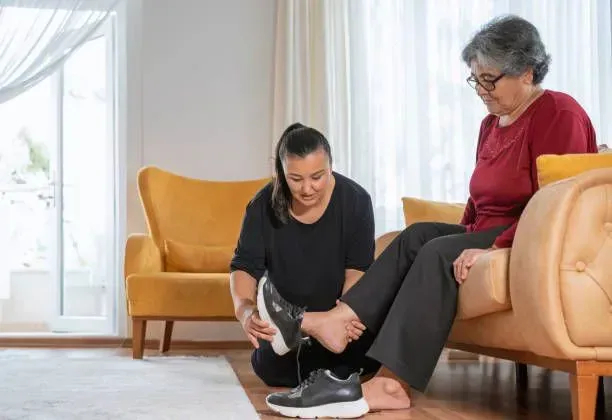
- Wound Prevention: Neuropathy can compromise sensation in the feet and lower limbs, increasing the risk of wounds, ulcers, and infections. Our caregivers are trained to perform routine foot care, inspecting for any signs of injury or infection and implementing preventive measures to reduce the risk of complications. For clients with existing wounds, our caregivers can identify changes, and communicate with healthcare professions of these conditions. promoting healing and preventing further complications.
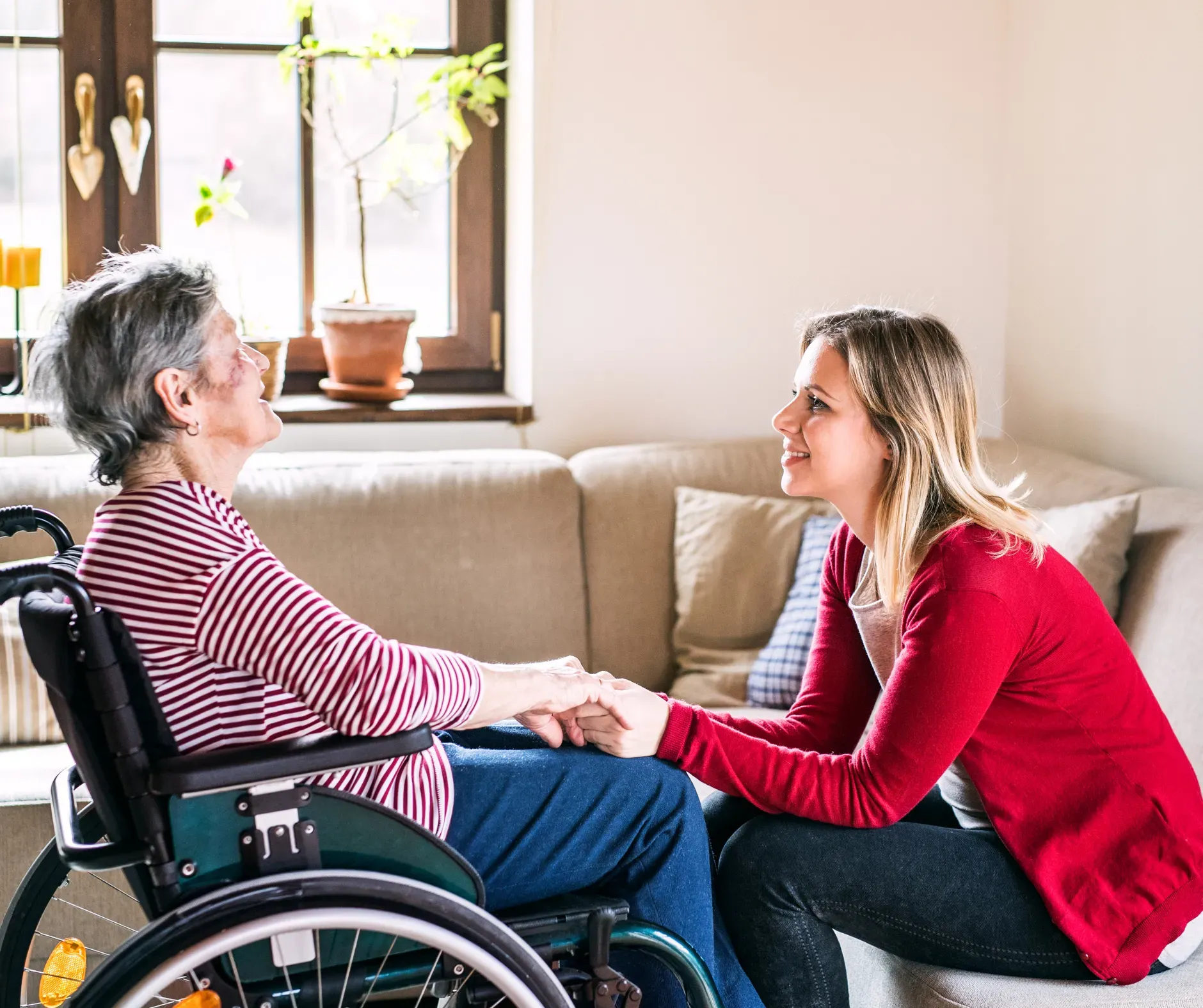
- Emotional Support: Living with neuropathy can take a toll on the emotional well-being of elderly individuals. Our caregivers provide compassionate emotional support, offering a listening ear, encouragement, and companionship to clients coping with neuropathy. By fostering meaningful connections and engaging in supportive conversations, our caregivers help alleviate feelings of isolation and promote mental well-being.
Home care services play a crucial role in supporting elderly individuals with neuropathy, addressing their unique needs and enhancing their quality of life. At 7 Day Home Care, we are dedicated to providing compassionate and comprehensive care to clients in Manhattan, Queens, Brooklyn, Nassau County, and Suffolk County, New York. Through personalized care plans, mobility assistance, medication management, wound prevention, and emotional support, we empower elderly individuals with neuropathy to live comfortably and independently in their own homes. To learn more about our home care agency support services for neuropathy near you, please contact us at 516-408-0034 or visit 7 Day Home Care.
Brian Callahan
7 Day Home Care