Social Interactions and Companionship for the Elderly at Home
"Living with an extended circle of relatives is the most common type of household arrangement for older people around the world, according to a recent Pew Research Center study. But in the United States, older people are far less likely to live this way – and far more likely to live alone or with only a spouse or partner."
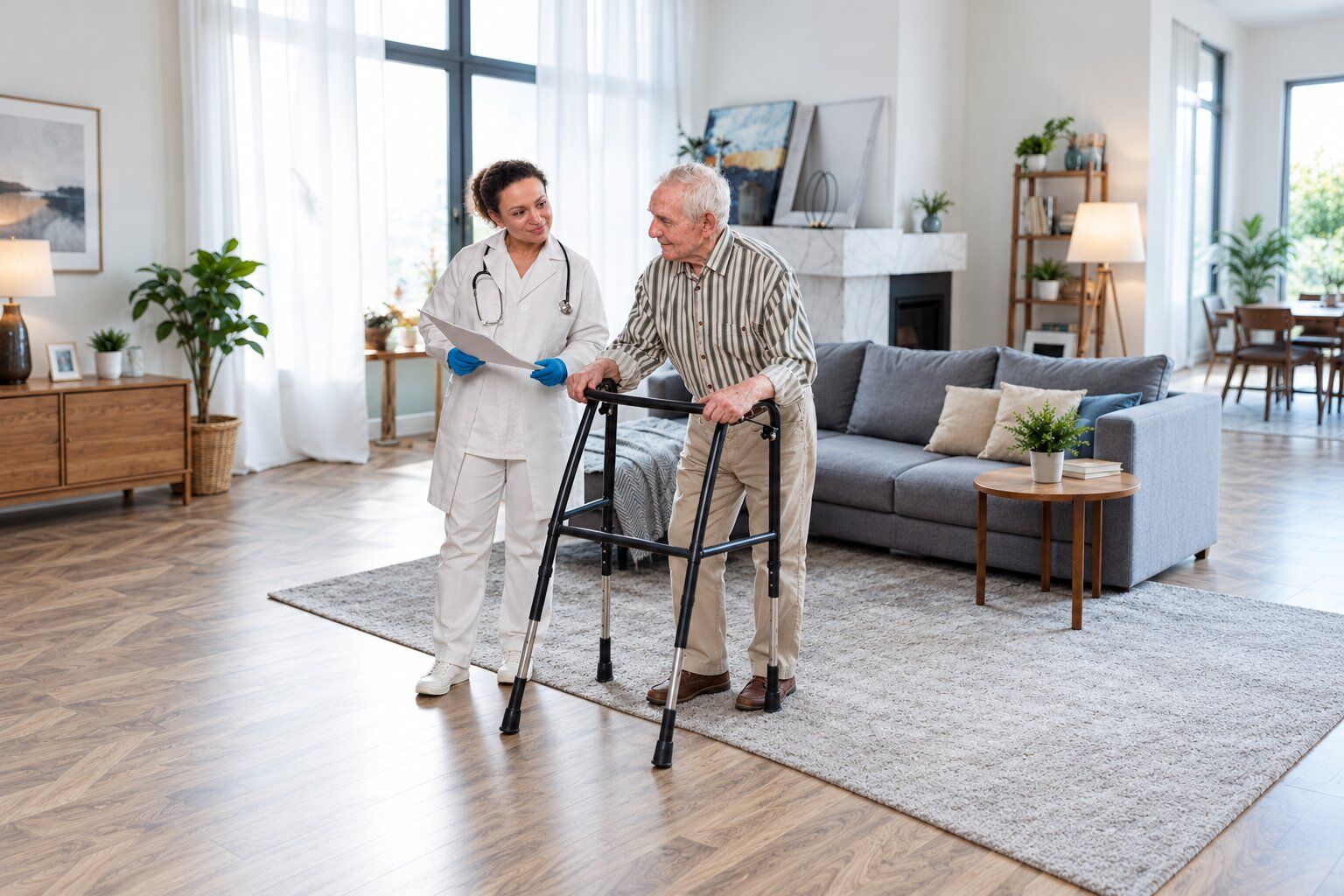
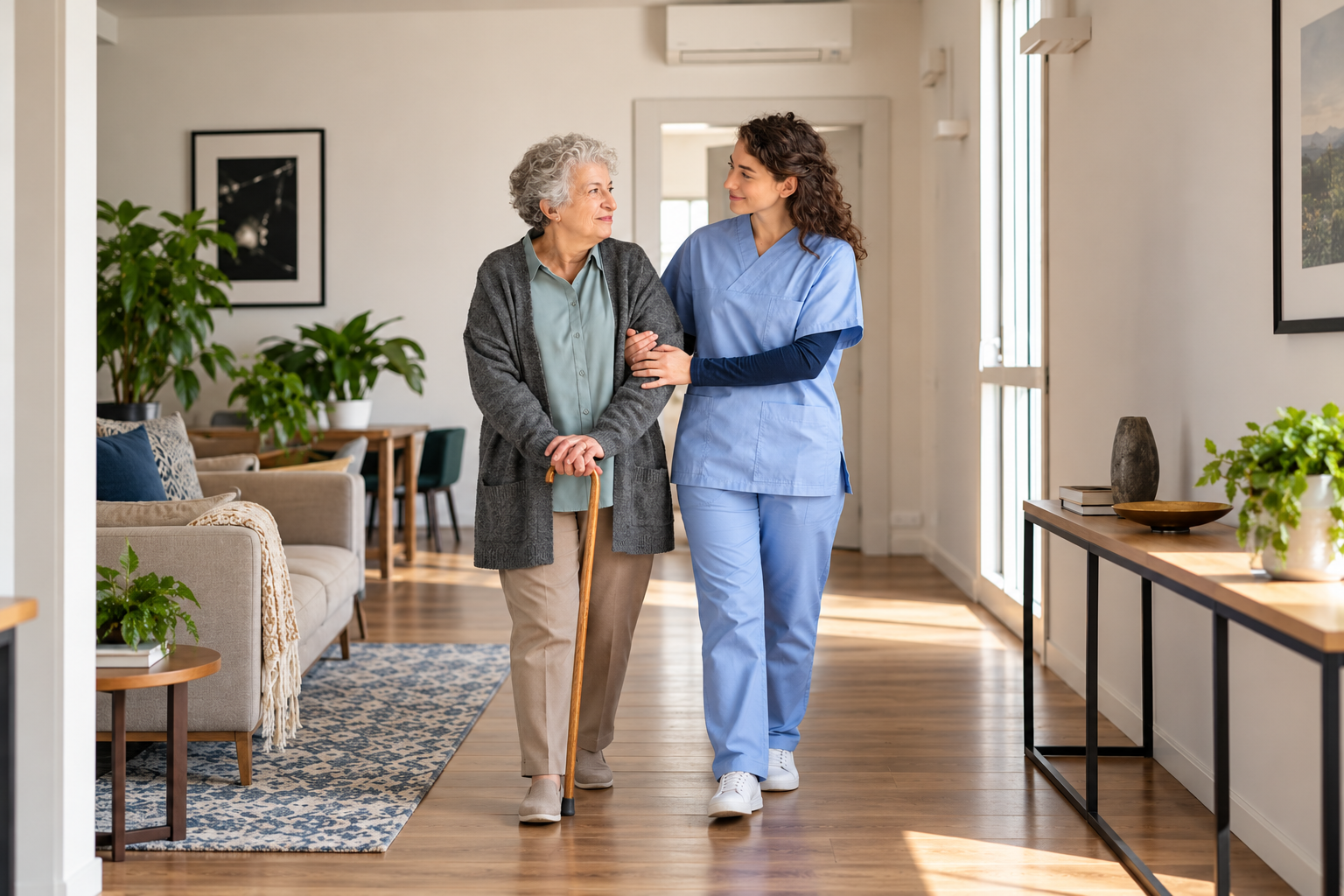
As the population ages, the need for quality in-home care for the elderly has never been more critical. Beyond meeting basic physical needs, addressing the emotional and social well-being of seniors is essential for a holistic approach to elderly care. 7 Day Home Care specializes in person-centered care, and our caregivers play a pivotal role in providing social interactions and companionship that promote overall well-being for our elderly clients. In this article, we will explore the importance of social interactions and companionship in elderly care.
The Aging Population
The world's population is aging rapidly. According to the World Health Organization (WHO), the number of people aged 60 and over is expected to double by 2050, reaching 2 billion. This demographic shift presents unique challenges in healthcare, particularly in the realm of elderly care.
Loneliness and Isolation
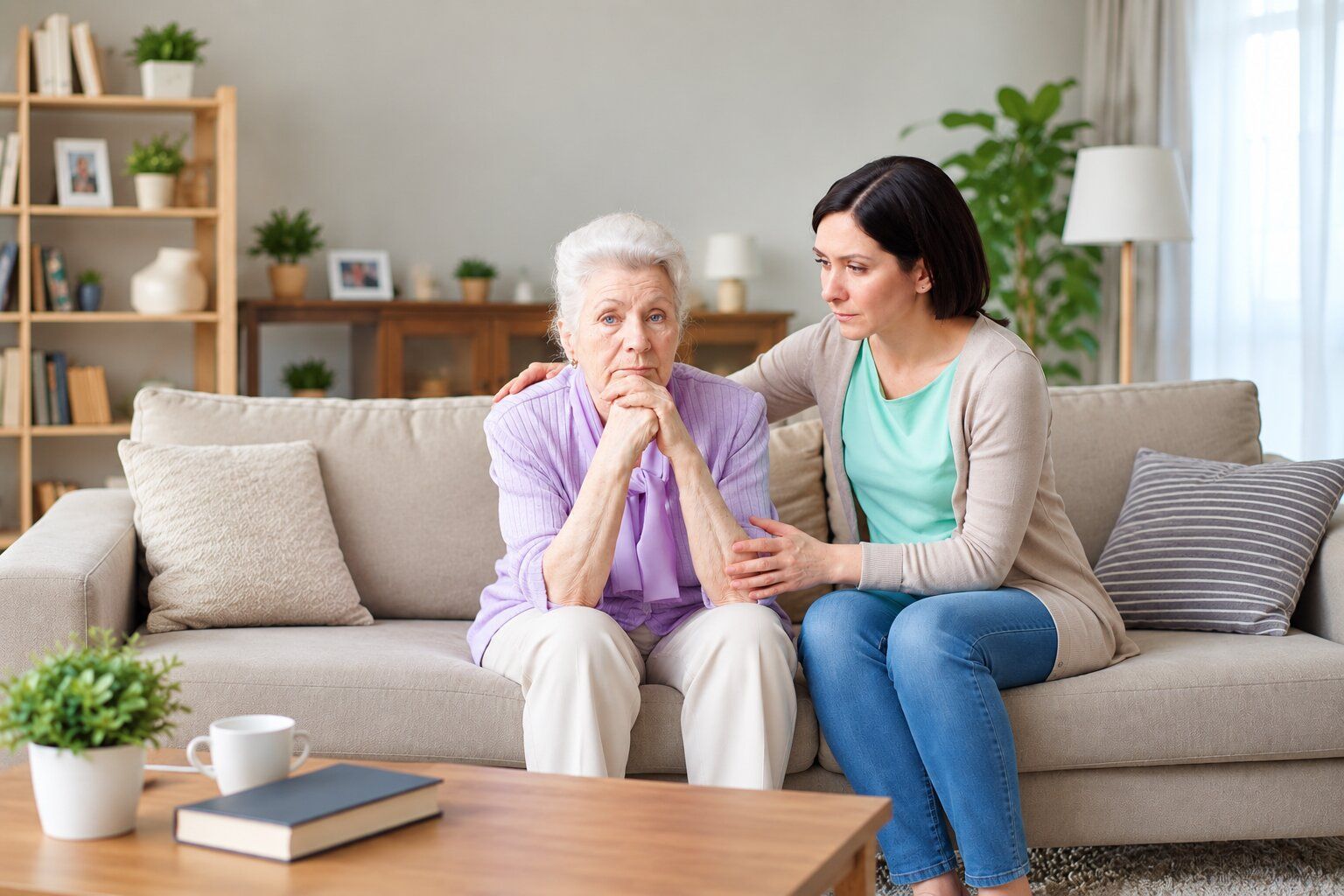
Loneliness and social isolation are major concerns among the elderly population. A study by AARP found that 43% of older adults in the United States experience loneliness regularly. These feelings of isolation can lead to a range of physical and mental health issues, including depression, anxiety, and even a higher risk of mortality.
The Role of Social Interactions and Companionship
- Mental Health Benefits:
- A meta-analysis published in the Journal of the American Geriatrics Society revealed that social interactions and companionship can reduce the risk of depression in seniors by 43%.
- The Alzheimer's Association reports that regular social engagement can help delay cognitive decline in individuals with Alzheimer's disease and related dementias.
2. Physical Health Benefits:
- Research from the National Institute on Aging shows that seniors who maintain strong social connections have a 50% higher likelihood of living longer.
- The American Psychological Association notes that social interactions can reduce stress, lower blood pressure, and boost the immune system.
3. Emotional Well-Being:
- The Institute on Aging found that seniors who engage in social activities report a greater sense of purpose and life satisfaction.
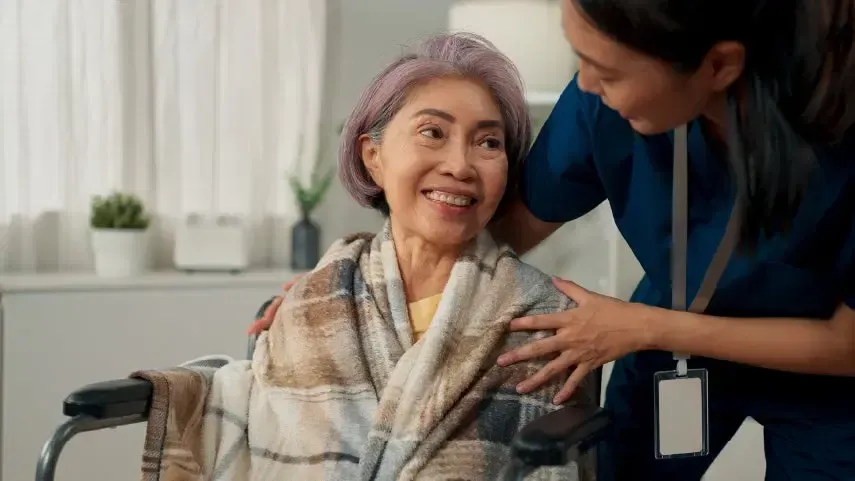
- Companionship can alleviate feelings of loneliness and provide emotional support, which is crucial for overall well-being.
The 7 Day Home Care Difference
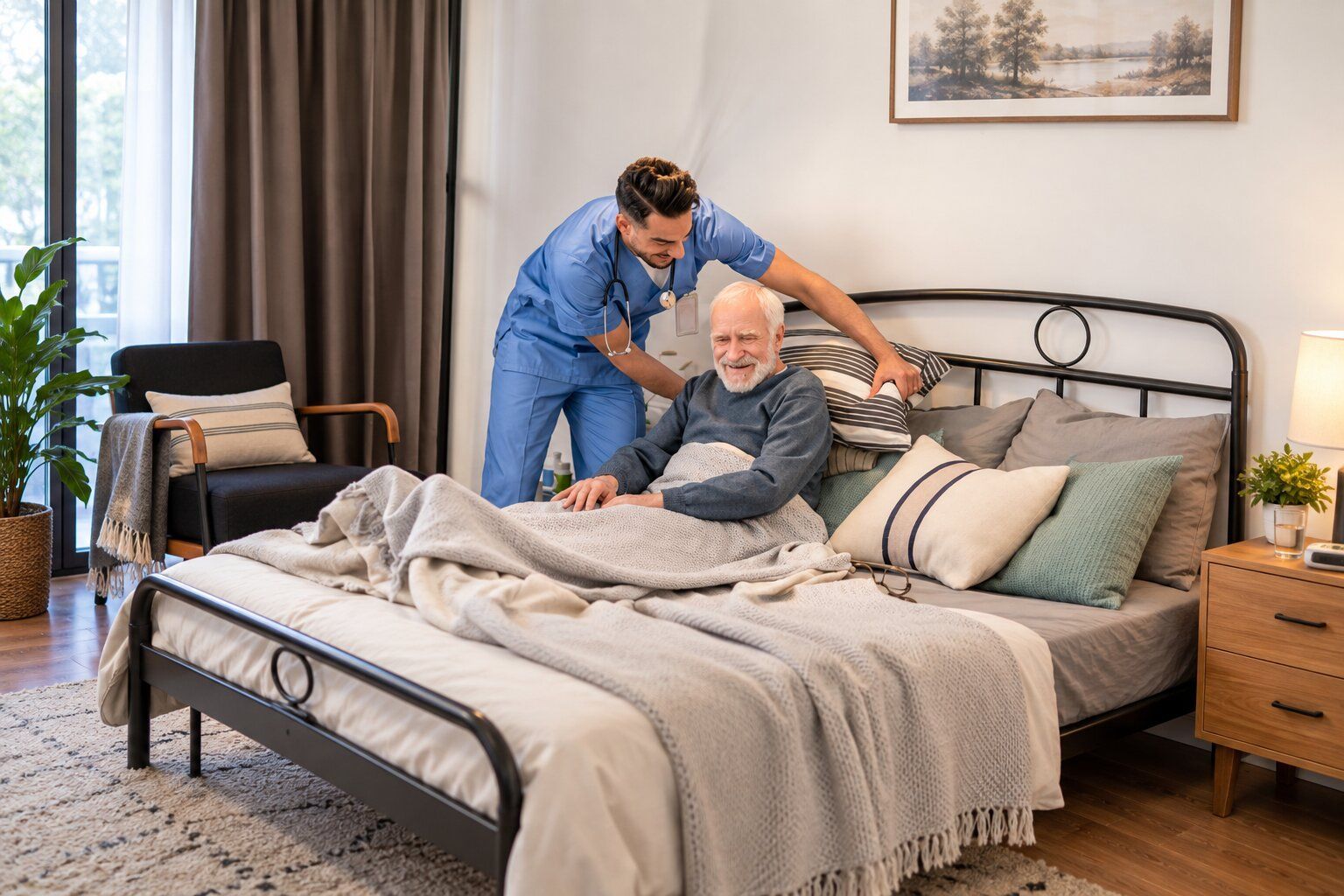
At 7 Day Home Care, we understand the vital role that social interactions and companionship play in the lives of our elderly clients. Our person-centered care approach goes beyond just meeting physical needs; it emphasizes building meaningful connections between our caregivers and clients. Here's how we make a difference:
- Caregiver Matching: We carefully match our caregivers with clients based on compatibility and shared interests, ensuring a more enjoyable and fulfilling experience for our elderly clients.
- Personalized Care Plans: Our Registered Nurses create individualized care plans that include social interaction as a integral components of our elderly clients' care.
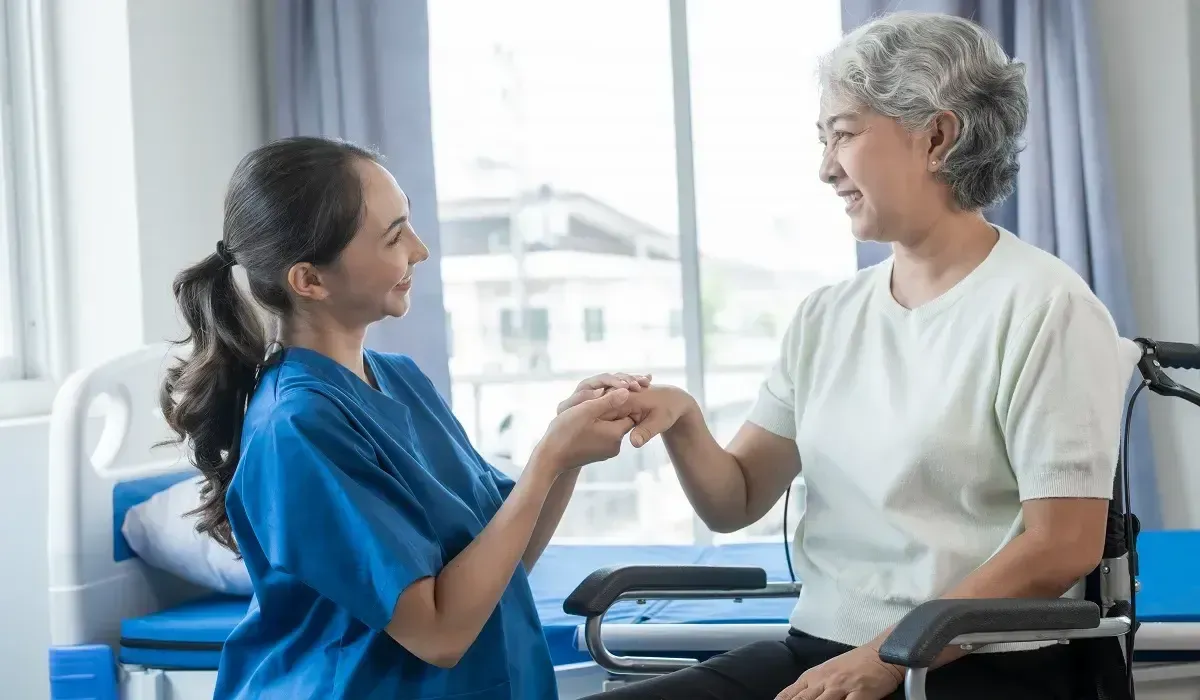
- Emotional Support: Our caregivers provide emotional support, actively listen to our clients' stories, and engage in meaningful conversations, promoting a sense of belonging and emotional well-being.
- Encouraging Hobbies and Interests: We encourage our clients to pursue their hobbies and interests, whether it's gardening, painting, reviewing family photo albums or playing music, fostering a sense of purpose and fulfillment.
Testimonials from Sunrise Home Care Clients
To illustrate the impact of our approach, here are some testimonials from our satisfied clients and their families:
- I have nothing but great things to say about 7 Day Home Care. Their communication was top notch. Anytime I had a question or concern I was always able to reach someone. They were very accommodating in setting up a schedule as for when the various home care workers would come to the house. The workers were incredible. Each of them was very caring and attentive to both my father (who the home care was for) and my mother. Please do not hesitate to use this company for your home care needs. I would use them again without question." Brian M.
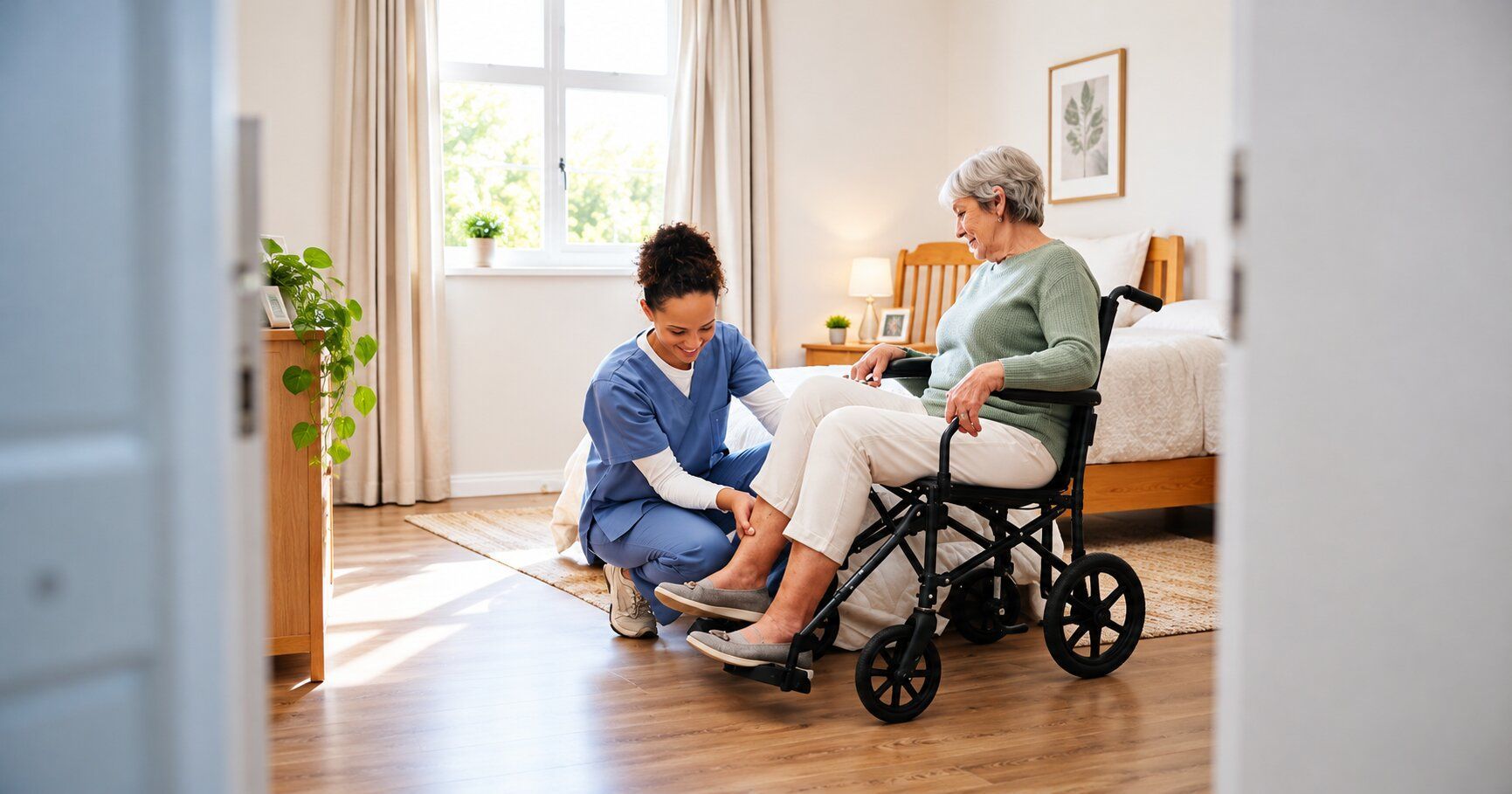
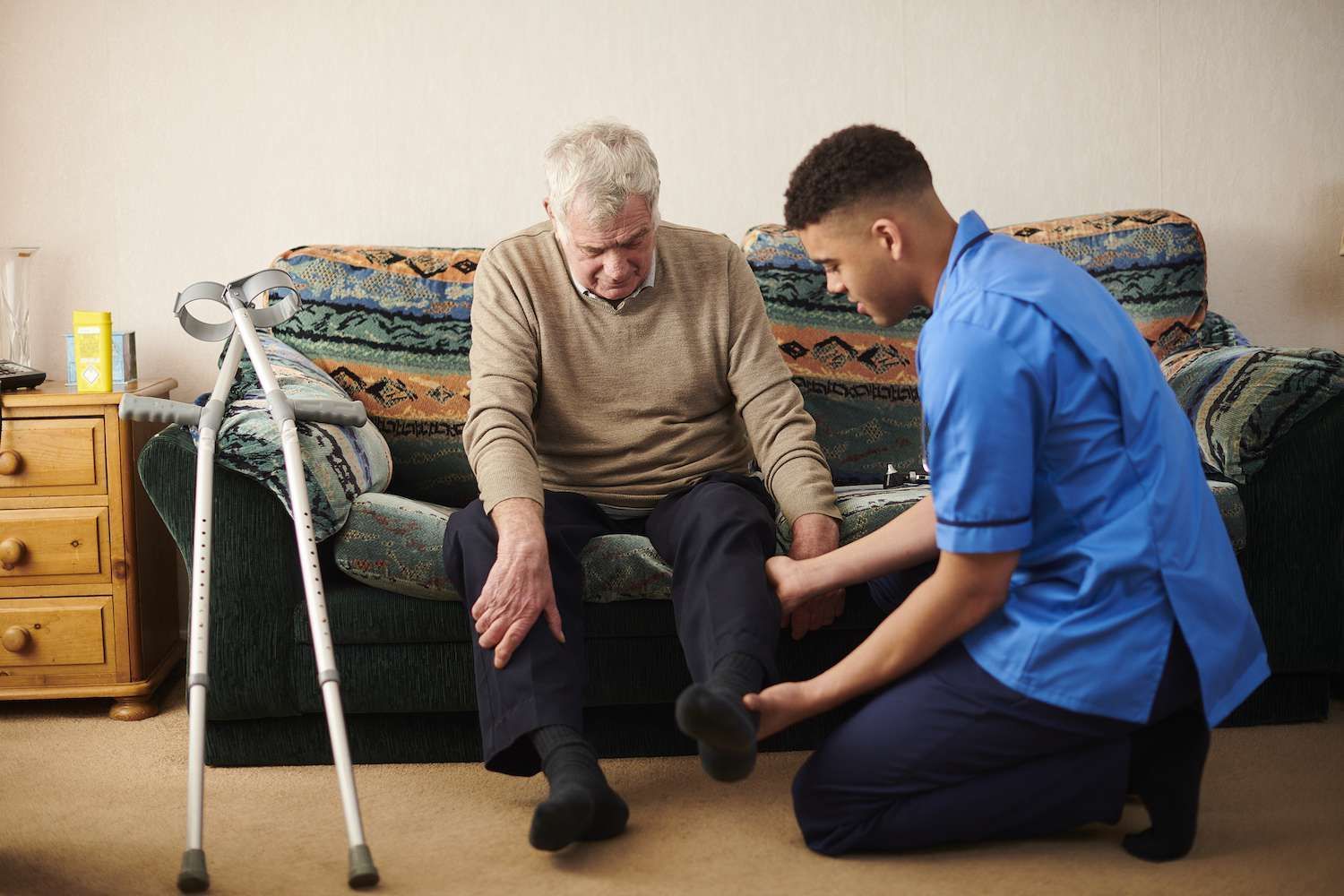
- "I have utilized the services of 7 Day Home Care for a year since leaving rehab. I came out of rehab wheelchair bound. Now after a year of the services of home Pt visits and the assistance of my 7 Day aides I am able to perform the following tasks unaided, walk short distances, shower, personal hygiene and dress. Without the constant pressure by of my aides on me, I would not have accomplished these achievements. These tasks are laborious for me so I still enjoy the support of my 7 Day aides. I recommend that one consider the homecare option before going into a rehab facility. I highly recommend 7 Day Home Care for this option." Barnett B.
- "The folks at 7 Day Home Care are incredibly responsive to our inquires and needs. From the beginning they matched the right caregivers to our Mom - recognizing the importance of the chemistry between the patient and caregiver. Overall they provide an outstanding service." Susan
In-home care for the elderly should extend beyond the basics. It should encompass the emotional and social needs that are essential for overall well-being. As the aging population continues to grow, addressing loneliness and isolation becomes increasingly crucial. 7 Day Home Care takes pride in its commitment to person-centered care and the promotion of social interactions and companionship, creating a better quality of life for our elderly clients. Together, we can ensure that our loved ones' golden years are filled with joy, purpose, and meaningful connections. 7 Day Home Care provides in-home care in Queens, Manhattan, Brooklyn, Nassau County, and Suffolk County, New York. Contact 7 Day Home Care, the most responsive team in home care today at 516-408-0034 for a free consultation.
Brian Callahan
7 Day Home Care