Safeguarding Mobility and Transfers in Elderly Home Care
Are you or your loved one unsteady on your feet and a fall risk? Affordable in-home care with highly trained and experienced Home Health Aides can make an enormous difference in mitigating these risks and enhance your overall well-being.
As our population ages, the demand for in-home care services continues to grow. One of the most vital aspects of in-home care is assisting elderly individuals with mobility and transfers. However, this seemingly routine task can be fraught with risks, particularly when it comes to the elderly population, who may be more vulnerable to falls and injuries. In this article, we will explore the risks associated with mobility and transfers for the elderly at home, the importance of professional training for home health aides, and how 7 Day Home Care ensures that elderly individuals in Nassau County, Suffolk County, Manhattan, Queens, and Brooklyn, New York, receive safe and compassionate care.
Understanding the Risks of Mobility and Transfers
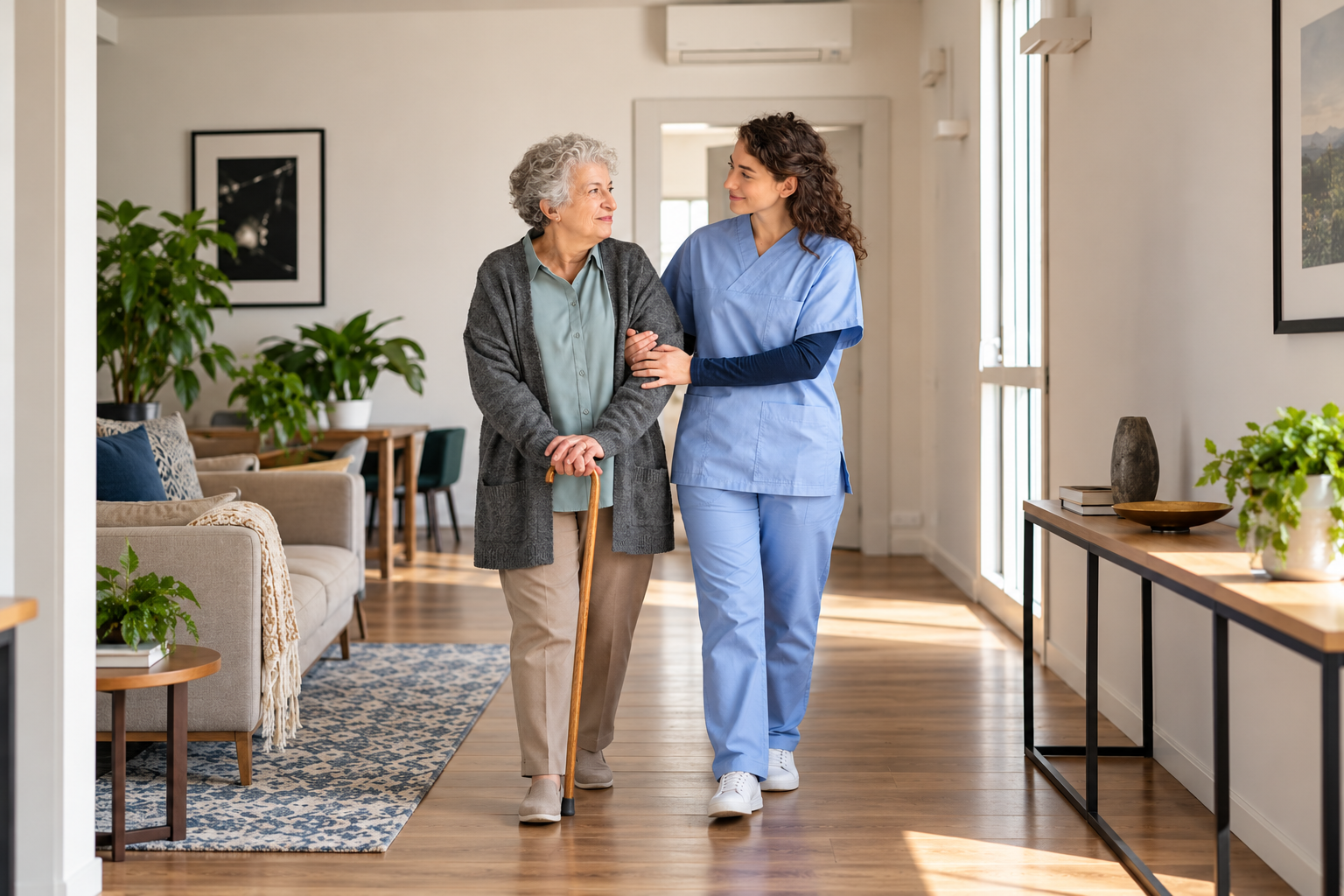
For many seniors, maintaining mobility and independence is of paramount importance. However, as we age, our bodies may become more fragile, and our balance and strength may diminish. This makes everyday tasks like standing up from a chair, walking, or transferring from a bed to a wheelchair challenging and potentially risky.
The following statistics underscore the gravity of the issue:
- According to the Centers for Disease Control and Prevention (CDC), falls are the leading cause of injury-related deaths among individuals aged 65 and older in the United States.
- The National Council on Aging (NCOA) reports that one in four older adults falls each year, leading to over 2.8 million emergency room visits annually.
- According to Parkinsondisease.net, the risk of falling increases significantly for those with limited mobility or chronic conditions such as Parkinson's disease or osteoarthritis.
The Importance of Professional Training for Home Health Aides
To mitigate the risks associated with mobility and transfers for the elderly, it is crucial that home health aides receive specialized training in this area. Providing professional care in a home setting demands a unique set of skills and knowledge, and caregivers must be well-prepared to address the specific challenges that arise when assisting with mobility and transfers.
Here are some general key aspects of professional training for Home Health Aides:
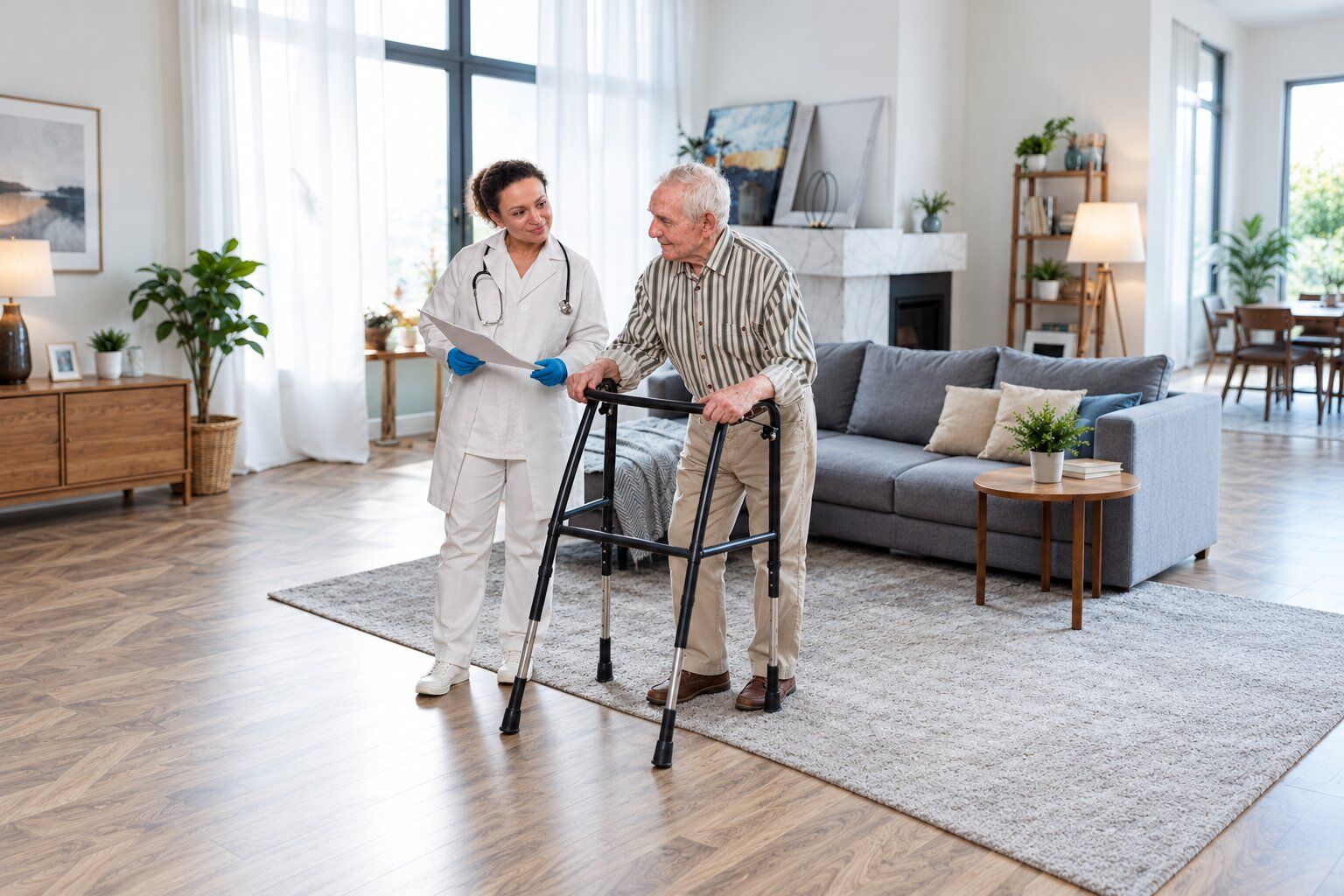
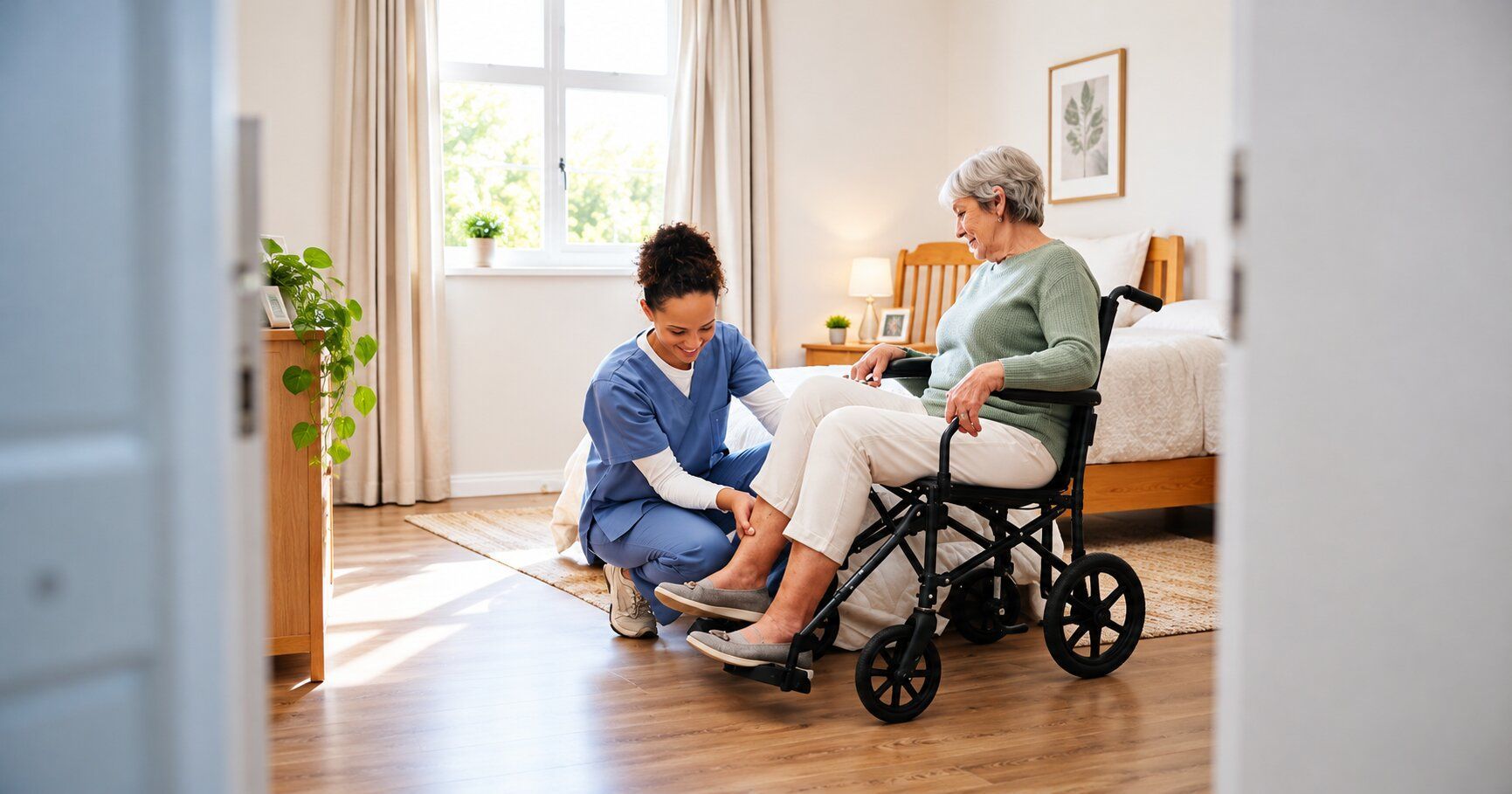
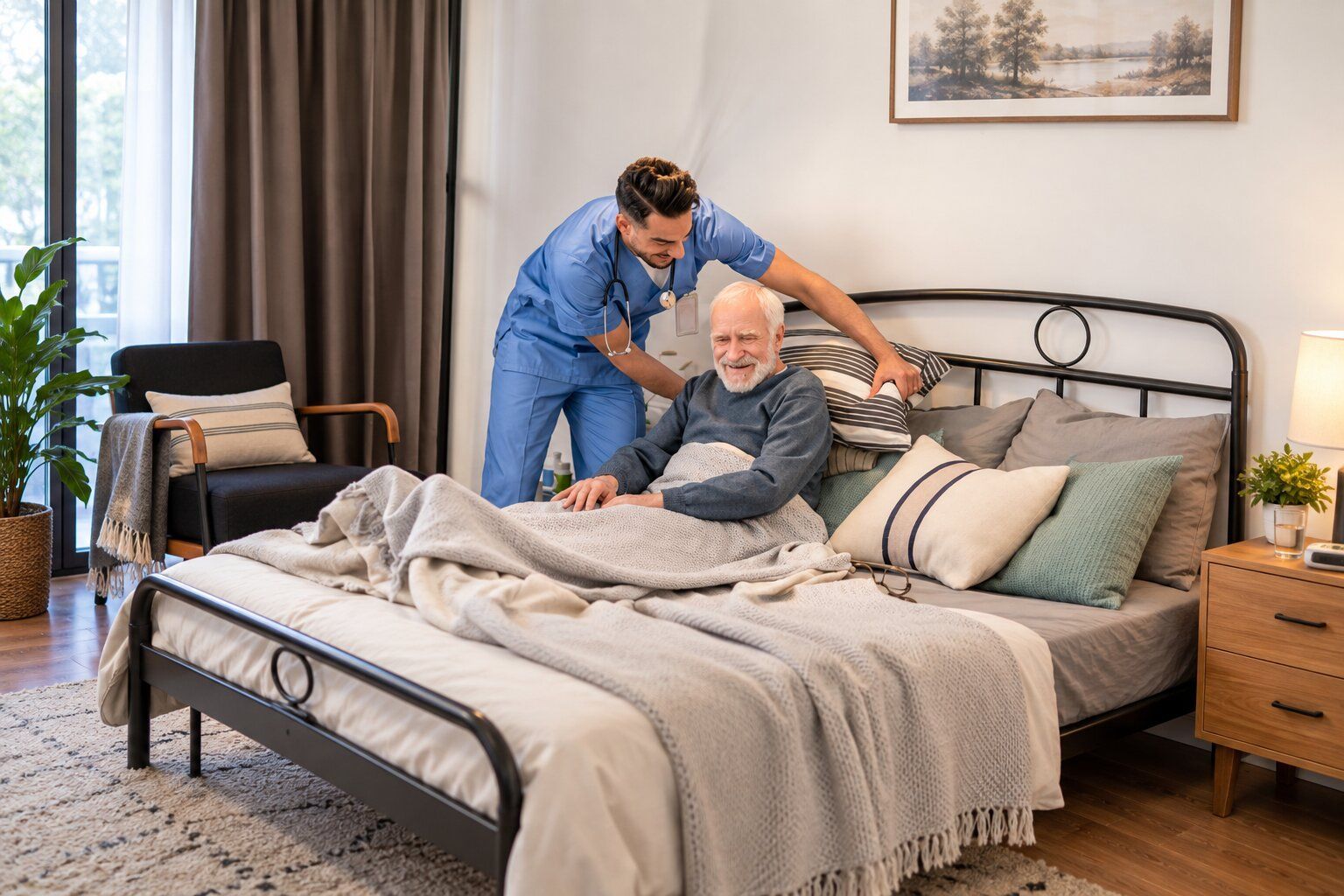
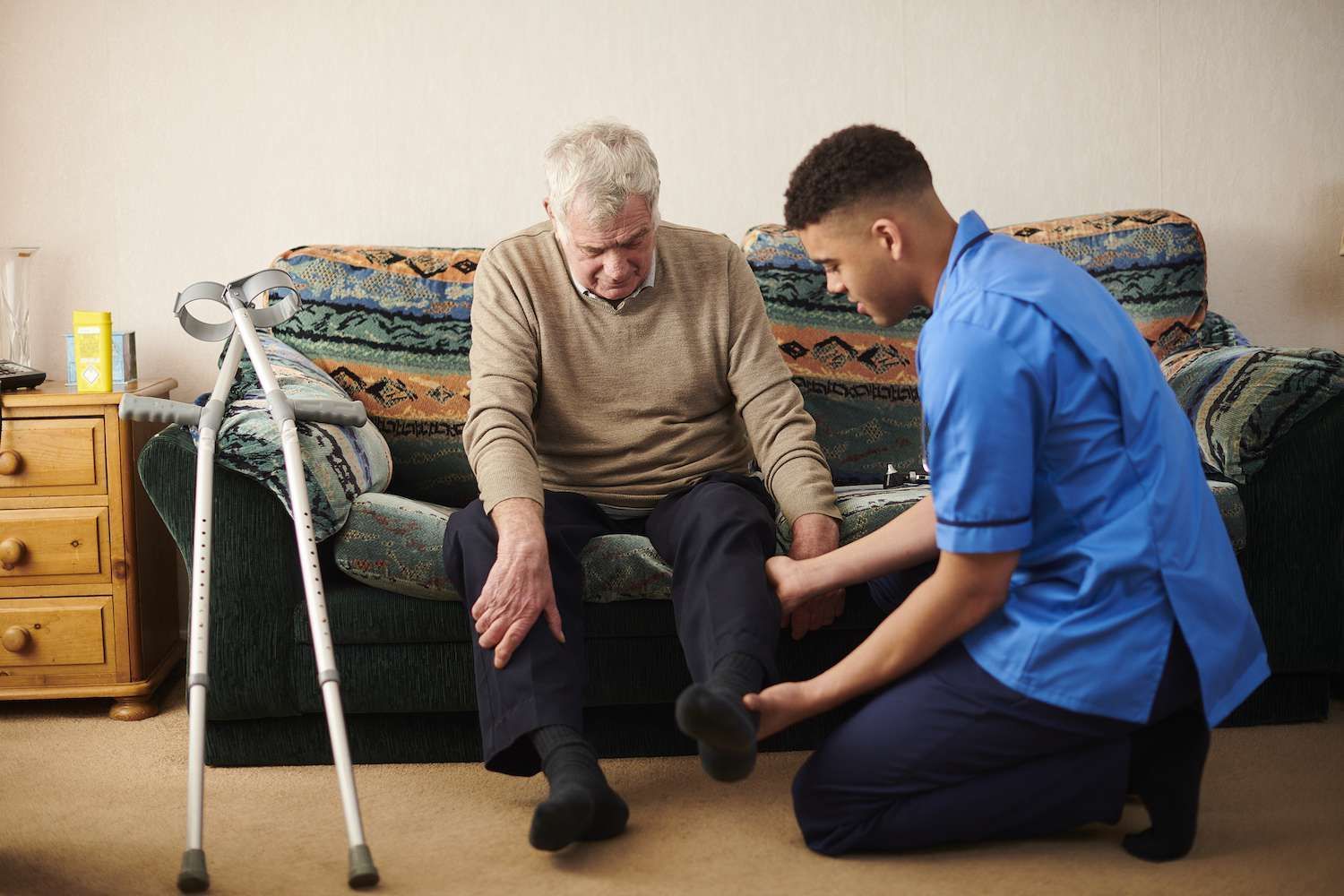
- Proper Techniques: Home Health Aides must learn the correct techniques for assisting with transfers, including using mobility aids and assistive devices. This includes knowledge of how to safely use equipment such as wheelchairs, walkers, and transfer belts.
- Risk Assessment: Training should cover how to assess the risk of falls and identify potential hazards in the home environment. Home health aides need to be able to modify the surroundings to reduce these risks.
- Strength and Balance Exercises: Caregivers can be trained in providing range of motion exercises by a client's therapist, which can help improve a client's strength and balance. This can be especially valuable in preventing falls.
- Communication Skills: Effective communication with the client is essential. Caregivers must be able to gauge the client's comfort level, provide clear instructions, and offer emotional support during transfers.
- Emergency Response: In the event of a fall or injury, home health aides should know how to respond appropriately, including when to call for medical assistance and how to administer basic first aid.
- Person-Centered Care: Training should emphasize the importance of person-centered care, tailoring each interaction to the unique needs and preferences of the individual.
At 7 Day Home Care, we recognize the significance of this training for our caregivers. Our commitment to excellence ensures that our Home Health Aides are not only well-trained but also deeply compassionate and dedicated to providing the highest quality care.
7 Day Home Care: Ensuring Safe and Compassionate Care
At 7 Day Home Care, we understand that each elderly individual we serve has unique needs and challenges. That's why our team of highly trained and compassionate home health aides is committed to providing safe and empathetic assistance with mobility and transfers. We take pride in offering affordable home care services in Nassau County, Suffolk County, Manhattan, Queens, and Brooklyn, New York, and we prioritize the well-being of our clients.
Our approach to mobility and transfers in in-home care is rooted in:
- Training Excellence: Our caregivers undergo rigorous training in mobility and transfer techniques, ensuring that they can provide safe and effective assistance to our clients. This training equips them with the skills to assess risks, use assistive devices, and prioritize client safety.
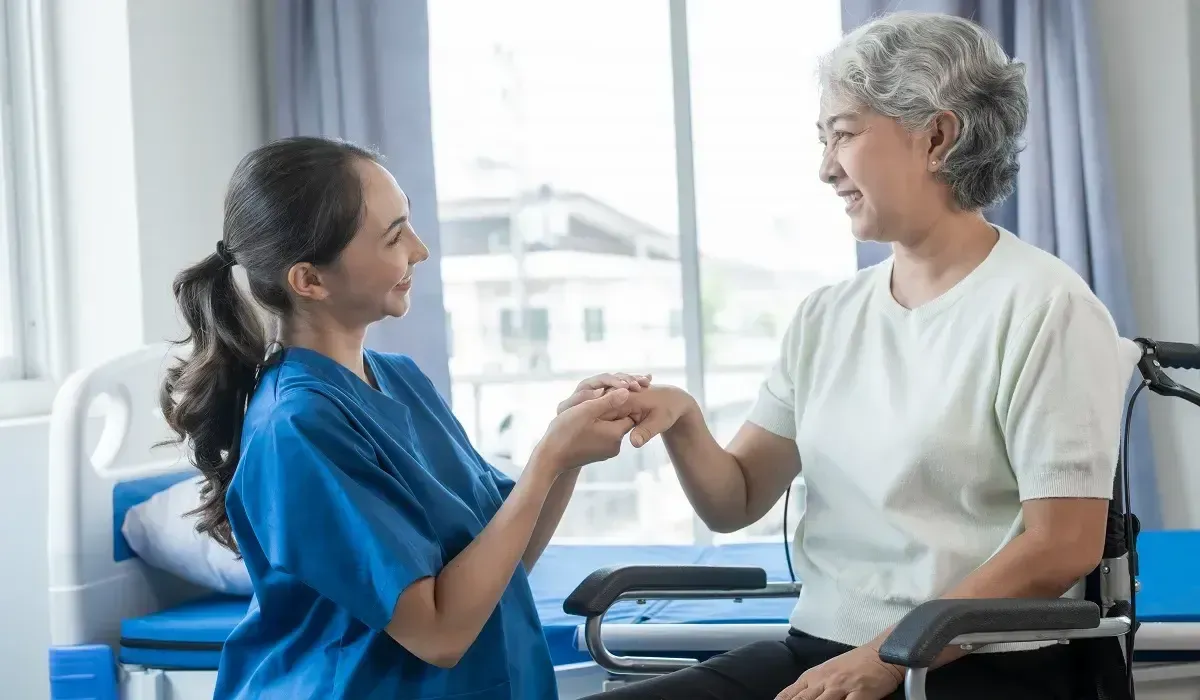
- Client-Centered Care: We believe in the importance of person-centered care, which means recognizing the individuality of each client and tailoring our services to their specific needs and preferences. Our caregivers establish trust and build rapport with our clients to ensure that they feel comfortable and secure during mobility and transfers.
- Home Environment Assessment: We conduct thorough assessments of the home environment to identify potential hazards and make necessary modifications to enhance safety. This includes ensuring proper lighting, removing tripping hazards, and arranging furniture for ease of movement.
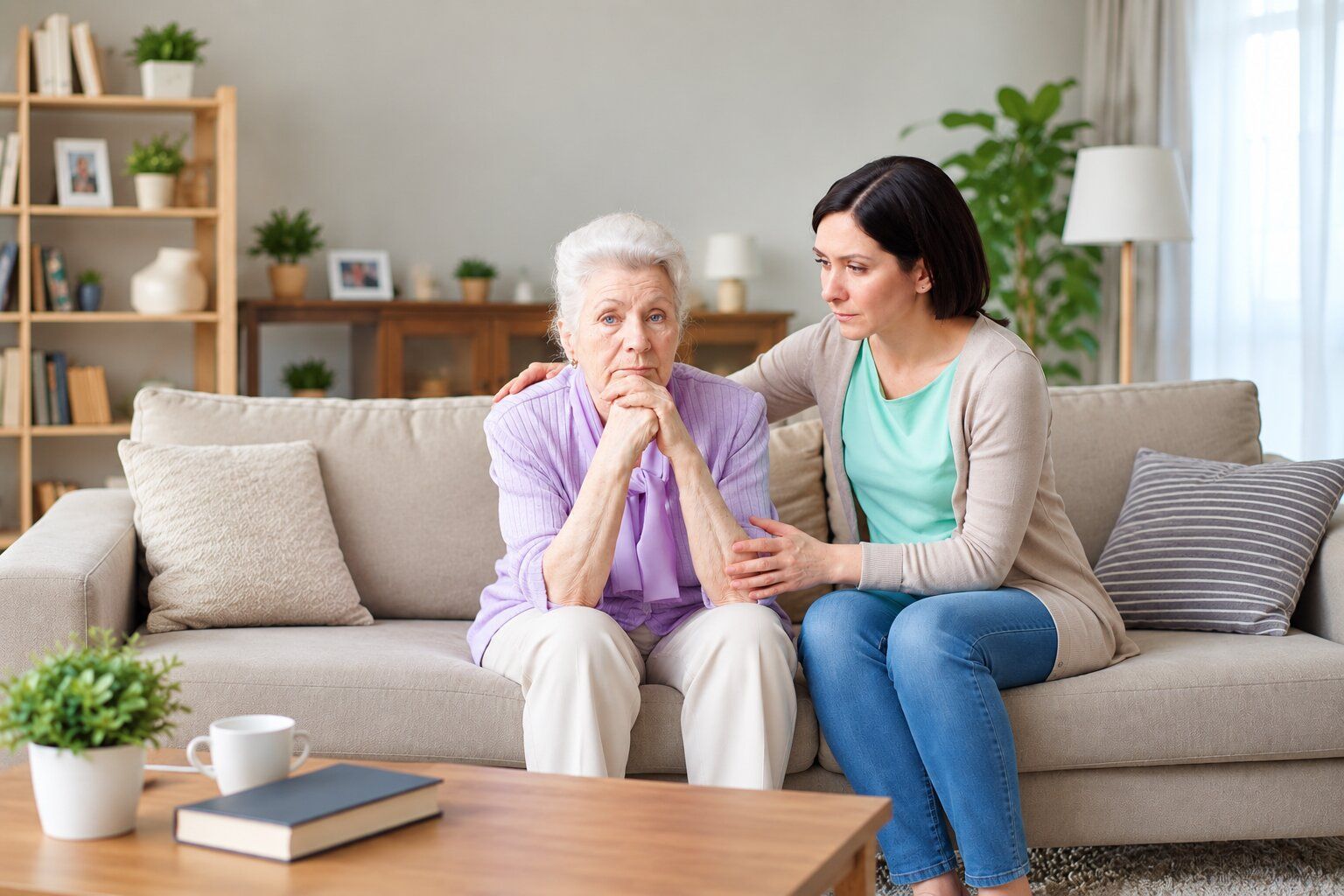
- Communication and Emotional Support: Our caregivers are skilled in effective communication and emotional support. They listen to our clients, addressing their concerns, fears, and preferences during mobility and transfers. This approach helps reduce anxiety and enhances the overall care experience.
- Emergency Preparedness: Our caregivers are trained to respond swiftly and appropriately in case of accidents or falls. They know when to seek medical help and how to administer basic first aid when needed.
- Collaboration with Healthcare Professionals: We work closely with healthcare providers and specialists to ensure that our clients receive the best possible care. This collaborative approach allows us to provide holistic support and address both physical and emotional needs.
Providing safe and compassionate care for mobility and transfers in palliative in-home care is of utmost importance. 7 Day Home Care is dedicated to ensuring that elderly individuals in Nassau County, Suffolk County, Manhattan, Queens, and Brooklyn, New York, receive the highest quality caregiving services that prioritize their well-being, dignity, and comfort. By emphasizing professional training, client-centered care, and a commitment to excellence, we aim to make a positive difference in the lives of those we serve during their challenging and vulnerable moments. Call 7 Day Home Care, the most responsive team in home care today.
Brian Callahan
7 Day Home Care