Rejuvenate and Revitalize: Chair Aerobics for Seniors
Rejuvenate and Revitalize: Chair Aerobics for Seniors
Medical News Today explains "chair exercises may be beneficial for individuals with reduced mobility. This may include older adults, people using wheelchairs, or individuals with cognitive conditions. Chair exercises may help improve a person’s quality of life, flexibility, and mobility. There are a variety of chair exercises that can focus on different areas of the body. People should ensure not to overwork themselves. They should also warm up and cool down before and after the exercise."
As the sun rises, so does the opportunity for seniors to embark on a journey towards improved health and well-being through chair aerobics. In recent years, this innovative exercise regimen has gained popularity for its accessibility and effectiveness in promoting fitness among older adults. At 7 Day Home Care, we believe in empowering seniors to embrace an active lifestyle, and chair aerobics serves as an excellent avenue for achieving this goal.
What is Chair Aerobics?
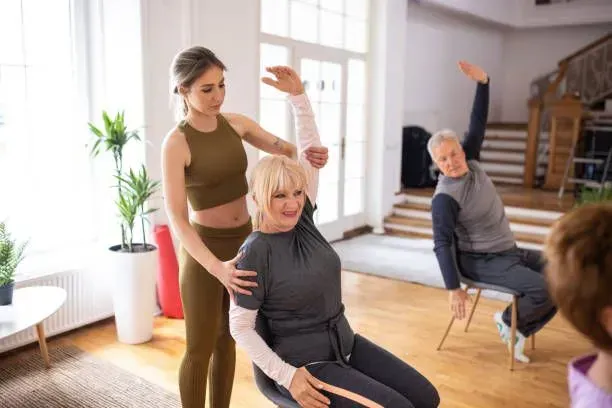
Chair aerobics, also known as seated aerobics or chair exercises, is a low-impact workout designed specifically for individuals with limited mobility or those who prefer to exercise while seated. It incorporates a variety of movements and exercises that target the entire body, including the arms, legs, core, and cardiovascular system. By utilizing a sturdy chair as a prop, participants can perform a wide range of exercises that mimic traditional aerobics routines without the need for standing or complex movements.
Origin of Chair Aerobics:
The concept of chair aerobics traces its roots back to the 1980s when fitness instructors and healthcare professionals recognized the need for inclusive exercise options for seniors and individuals with physical limitations. Initially developed as a rehabilitation tool for patients recovering from injuries or surgery, chair aerobics evolved into a popular form of exercise for older adults seeking to maintain or improve their overall fitness levels.
Who Can Benefit from Chair Aerobics?
Chair aerobics is suitable for individuals of all ages and fitness levels, but it holds particular benefits for seniors and those with mobility issues. Here are some groups who can benefit from incorporating chair aerobics into their wellness routine:
- Seniors: As individuals age, maintaining muscle strength, flexibility, and cardiovascular health becomes increasingly important. Chair aerobics offers a gentle yet effective way for seniors to stay active and engaged, reducing the risk of falls, improving balance, and enhancing overall mobility.
- Individuals with Limited Mobility: Whether due to age-related conditions, injury, or disability, many people face challenges when it comes to traditional forms of exercise. Chair aerobics provides a safe and accessible alternative, allowing individuals with limited mobility to engage in physical activity without putting undue stress on their joints or muscles.
- Rehabilitation Patients: For individuals recovering from surgery, illness, or injury, chair aerobics can play a vital role in the rehabilitation process. By gradually reintroducing movement and exercise in a controlled environment, patients can improve strength, range of motion, and coordination while reducing the risk of re-injury.
- Caregivers: Chair aerobics isn't just beneficial for seniors themselves—it can also provide caregivers with valuable tools for promoting the health and well-being of their loved ones. Caregivers can participate alongside seniors or assist them in performing exercises, fostering a sense of connection and teamwork while supporting their physical health.
How to Benefit from Chair Aerobics:
To experience the full benefits of chair aerobics, it's essential to approach it with consistency, enthusiasm, and an open mind. Here are some tips for getting started and maximizing your results:
- Consult with a Healthcare Professional: Before beginning any new exercise program, especially if you have pre-existing health conditions or concerns, it's important to consult with your healthcare provider. They can offer personalized guidance and ensure that chair aerobics is safe and appropriate for your individual needs.
- Choose the Right Equipment: While chair aerobics requires minimal equipment, having a sturdy, stable chair is essential. Opt for a chair without wheels, with a straight back and armrests for added support. You may also want to invest in comfortable, non-slip footwear and loose-fitting clothing that allows for freedom of movement.
- Start Slowly and Progress Gradually: If you're new to chair aerobics or haven't exercised in a while, it's natural to feel a bit hesitant or unsure at first. Begin with simple movements and exercises, focusing on proper form and technique. As you build strength, endurance, and confidence, gradually increase the intensity and duration of your workouts.
- Stay Hydrated and Listen to Your Body: Remember to stay hydrated before, during, and after your chair aerobics sessions, especially if you're working up a sweat. Pay attention to how your body feels during exercise, and don't hesitate to take breaks or modify movements as needed. It's essential to listen to your body's cues and avoid pushing yourself too hard, especially if you experience any pain or discomfort.
- Chair aerobics offer a comprehensive workout targeting various muscle groups throughout the body, making it an effective and versatile exercise option. From the comfort of a seated position, participants can engage in movements that work the upper body, including the arms, shoulders, chest, and back, through exercises such as arm circles, shoulder presses, and seated rows. Additionally, chair aerobics incorporate lower body exercises to strengthen the legs, hips, and glutes, with movements like seated leg lifts, knee extensions, and seated marches. Core stability and balance are also addressed through exercises that engage the abdominal muscles and improve posture. By incorporating a range of movements and exercises, chair aerobics provide a full-body workout that promotes strength, flexibility, and cardiovascular health, all from the convenience of a chair.
- Stay Consistent and Have Fun: Like any form of exercise, consistency is key to reaping the benefits of chair aerobics. Aim for at least 30 minutes of moderate-intensity activity on most days of the week, gradually increasing the duration and intensity as you progress. Most importantly, remember to have fun and enjoy the process—chair aerobics is a great opportunity to socialize, de-stress, and boost your mood while improving your physical health.
Finding chair aerobic classes has never been easier, thanks to the accessibility of online resources. Whether you prefer attending classes in person or exercising from the comfort of your own home, there are options available to suit your preferences. Many community centers, senior centers, and fitness facilities offer chair aerobic classes led by qualified instructors. Additionally, platforms like YouTube provide a plethora of chair aerobic workout videos that you can follow along with at any time that suits you. These online classes offer the convenience of exercising in familiar surroundings while still benefiting from expert guidance and a structured workout routine. So whether you're looking to socialize with others in a class setting or prefer the convenience of home workouts, there's a chair aerobic option out there to help you stay active and healthy.
As the sun rises each day, so does the opportunity for seniors to embrace the transformative power of chair aerobics. At 7 Day Home Care, we believe that everyone deserves the chance to live life to the fullest, regardless of age or ability. With its accessibility, effectiveness, and wide-ranging benefits, chair aerobics offers a pathway to improved health, vitality, and overall well-being for seniors and individuals of all walks of life. So why wait? Seize the day, and let chair aerobics be your guide to a brighter, healthier tomorrow.
7 Day Home Care is dedicated to providing comprehensive and affordable home care services to individuals and families across Manhattan, Queens, Brooklyn, Nassau County, and Suffolk County, New York. With a team of compassionate and highly trained Home Health Aides, we offer a range of personalized services tailored to meet the unique needs of each client. Whether you require assistance with activities of daily living, medication management, companionship, or specialized care for chronic conditions, our team is here to support you every step of the way. We strive to ensure that our clients receive the highest quality of care in the comfort and familiarity of their own homes, allowing them to maintain independence and dignity while receiving the assistance they need. To learn more about our services and how we can help you or your loved ones, please call 516-408-0034 or visit our website at 7 Day Home Care.
Brian Callahan
7 Day Home Care