Aging in Place: 10 Strategies to Maintain Independence at Home
Aging in Place: 10 Strategies to Maintain Independence at Home
According to Cleveland Clinic "familiar surroundings offer comfort. That’s perhaps the simplest way to sum up the psychological, emotional and physical benefits often attached to aging in place." More “Nine times out of 10, people want to stay in their home as they age,” says Cleveland Clinic geriatric specialist Dr. Ami Hall. “That’s where they’ve spent a good part of their life and made memories. That’s where they’re more comfortable,” explains Dr. Hall.

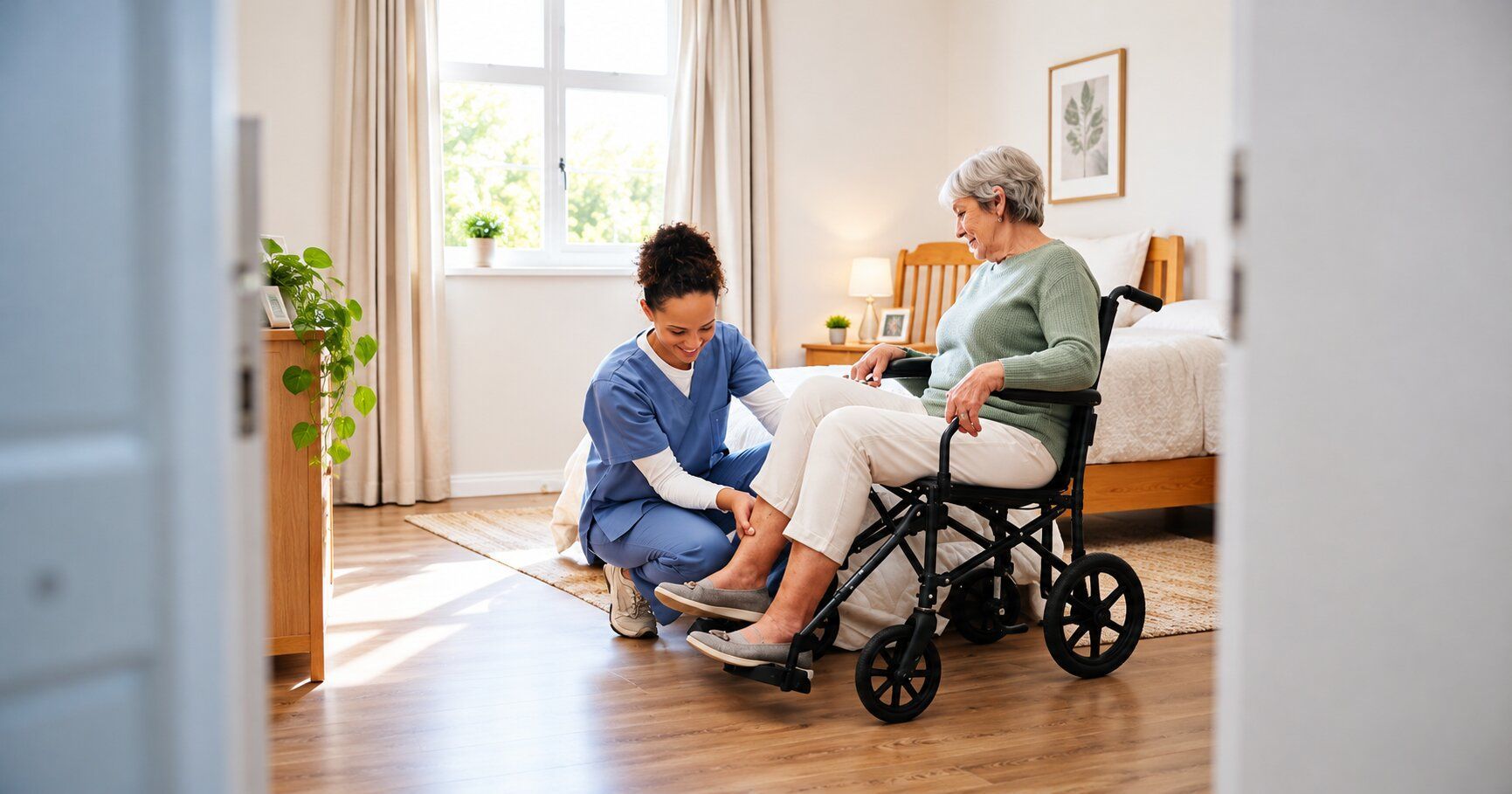
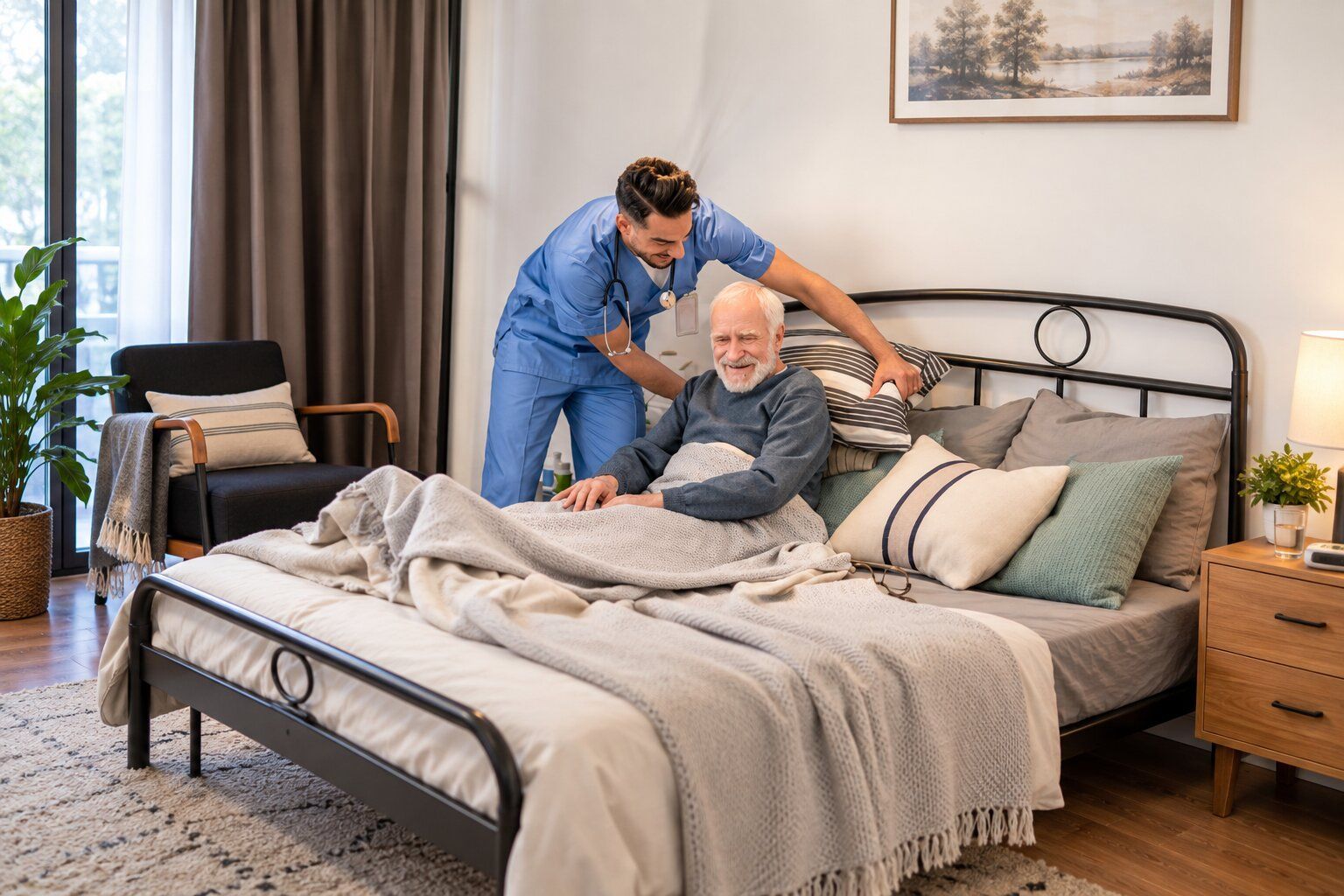
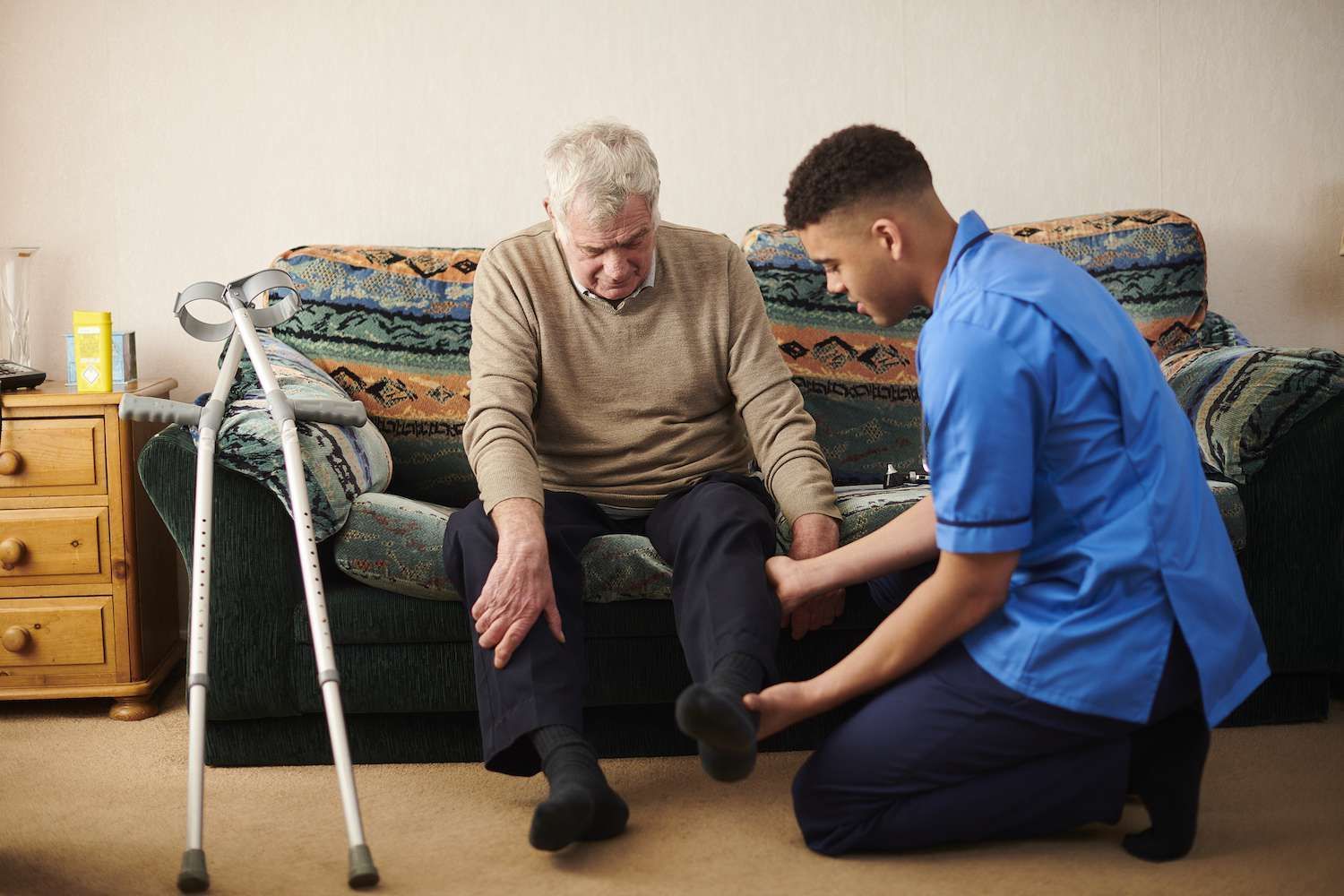
Aging gracefully while maintaining independence is a desire shared by many seniors. The concept of "aging in place" allows individuals to continue living in their own homes safely and comfortably as they grow older. Aging at home offers the greatest prospects of long-term well-being due to its inherent preservation of familiar surroundings, routines, and social connections. Home is not just a physical space; it's imbued with memories, comfort, and a sense of belonging. Remaining in one's own home allows seniors to maintain a sense of independence and autonomy, promoting mental and emotional well-being. Moreover, the familiarity of the environment can reduce stress and anxiety, contributing to overall happiness and satisfaction. Additionally, staying at home enables seniors to retain their social networks and community ties, fostering a sense of purpose and belonging. By aging at home, seniors can receive personalized care and support tailored to their individual needs, ensuring a higher quality of life and greater fulfillment in their golden years.
At 7 Day Home Care, we understand the importance of supporting seniors in their goal to remain independent. In this article, we'll explore ten essential strategies that can help seniors maintain their independence at home.
10 Strategies to Maintain Independence at Home in Manhattan, Queens, Brooklyn, and Long Island, New York
1. Create a Safe Living Environment
The first step in aging in place is to ensure that the home is a safe environment. This includes making modifications to prevent falls and accidents, such as installing grab bars in bathrooms, removing tripping hazards like loose rugs, and improving lighting throughout the house. These simple adjustments can significantly reduce the risk of injuries and promote independence. The nursing staff at 7 Day Home Care provide nursing assessments, including at-home safety assessments.
2. Access Healthcare Services
Regular access to healthcare services is essential for seniors to maintain their well-being. This includes scheduling regular check-ups with healthcare providers, managing chronic conditions effectively, and staying up-to-date with vaccinations and screenings. Telemedicine services can also provide convenient access to medical care from the comfort of home. 7 Day Home Care provides Home Health Aides who can accompany seniors on healthcare appointments to help with transportation, ambulating, and other needs.
3. Maintain a Healthy Lifestyle
A healthy lifestyle is key to maintaining independence as we age. Seniors should prioritize nutritious eating habits, regular exercise, and adequate sleep. Engaging in physical activity, such as walking, swimming, or yoga, can improve strength, balance, and mobility, reducing the risk of falls and enhancing overall quality of life.
4. Manage Medications Effectively
Medication management is crucial for seniors, especially those with multiple prescriptions. It's essential to take medications as prescribed, avoid interactions, and monitor for side effects. 7 Day Home Care offers medication reminders and assistance, to help seniors stay on track with their treatment plans.
5. Foster Social Connections
Social isolation can have a negative impact on seniors' mental and emotional well-being. Encouraging social engagement and maintaining meaningful relationships with friends, family, and community members is essential. Seniors can participate in social activities, join clubs or groups, and use technology to stay connected with loved ones.
6. Embrace Technology
Advancements in technology have made aging in place more manageable than ever before. Seniors can benefit from various assistive devices, such as medical alert systems, smart home technology, and telehealth services. These tools can enhance safety, communication, and accessibility, empowering seniors to live independently for longer.
7. Plan for Financial Security
Financial planning is critical for seniors to ensure they have the resources they need to age in place comfortably. This includes budgeting for healthcare expenses, long-term care insurance, and retirement savings. The importance for seniors to work with a reputable financial professional for their personal financial affairs lies in ensuring sound decision-making, comprehensive planning, and protection of their financial well-being in an ever-changing economic landscape.
8. Seek Home Care Assistance
Home care services can provide valuable support to seniors who wish to age in place. 7 Day Home Care offers a range of services, including personal care assistance, meal preparation, light housekeeping, and companionship. Our caregivers are trained to provide compassionate and professional care tailored to each individual's needs.
9. Stay Mentally Active
Staying mentally active is essential for maintaining cognitive function and overall brain health. Seniors can engage in activities that stimulate the mind, such as reading, puzzles, learning new skills, or pursuing hobbies and interests. 7 Day Home Care can provide cognitive stimulation activities and companionship to promote mental well-being.
10. Plan for the Future
Lastly, it's essential for seniors to plan for the future and make arrangements for any potential changes in health or living situations. This may include creating advance directives, discussing preferences for end-of-life care, and exploring options for long-term care if needed. By planning ahead, seniors can maintain control over their decisions and ensure their wishes are honored.
Aging in place is a goal achievable with careful planning, support, and resources. By implementing these ten strategies, seniors can maintain their independence, safety, and well-being while continuing to live in the comfort of their own homes. At 7 Day Home Care, we are dedicated to empowering seniors to age with dignity and grace, providing the assistance they need to thrive in their chosen environment.
At 7 Day Home Care, we understand the significance of enabling seniors to age in place comfortably and affordably. With our comprehensive home care services available in Manhattan, Queens, Brooklyn, Nassau County, and Suffolk County, New York, we are dedicated to supporting seniors in implementing strategies to maintain independence at home. Our team of compassionate caregivers is committed to providing high-quality, personalized care that promotes safety, well-being, and peace of mind for both seniors and their families. Together, we strive to make aging in place a reality for every senior, ensuring they can continue to live life on their own terms, surrounded by the love and familiarity of home. To learn more about our award winning home care services, please call 516-408-0034, or visit 7 Day Home Care.
Brian Callahan
7 Day Home Care