When Relying on Home Care Services Increases a Senior’s Independence
When Relying on Home Care Services Increases a Senior's Independence
At 7 Day Home Care, our outstanding team of certified home health aides is dedicated to providing compassionate, professional support that empowers seniors to live safely and confidently in the comfort of their own homes. Each caregiver is carefully trained and supervised by registered nurses to ensure the highest standard of care, with personalized services tailored to meet the unique needs of every client. Whether assisting with daily activities, medication reminders, or simply offering companionship, our home health aides play a vital role in helping your elderly loved one maintain their independence, dignity, and quality of life at home. 7 Day Home Care provides outstanding home care services in Manhattan, Queens, Brooklyn, and Long Island, New York. To learn more about our top home health aide care services who can assist with helping your loved one maintain their independence at home, please call 516-408-0034.

Are You Searching for a Home Care Agency Near Me to Enhance Your Loved One's Independence?
As seniors age, maintaining a sense of independence is often one of their most cherished desires. While it may seem counterintuitive, relying on professional home care services can significantly enhance a senior's independence—allowing them to live safely, confidently, and with dignity in the comfort of their own home.
At 7 Day Home Care, we’ve witnessed firsthand how compassionate, personalized in-home support can empower seniors to take control of their lives, rather than surrendering their autonomy to declining health or the limitations of aging.
In this article, we’ll explore how professional home care actually promotes independence and why families throughout New York increasingly choose home care as the best option for their loved ones.
What Does Independence Mean for Seniors?
Maintaining Autonomy in Daily Life
Independence for seniors doesn’t necessarily mean doing everything alone. Rather, it refers to having the freedom to make personal decisions, manage daily routines, and live life according to their own preferences.
The Emotional Value of Self-Sufficiency
For many older adults, the ability to maintain independence is closely tied to self-worth, dignity, and mental well-being. Losing independence can result in feelings of isolation, depression, or even resistance to care, which is why it’s important to reframe support not as a loss of freedom, but as a tool to preserve it.
The Common Misconception: Support Equals Dependency
There is a persistent myth that accepting help—especially through home care—means giving up control or becoming dependent. In reality, the opposite is often true. The right level of care can extend a senior’s ability to live independently by reducing health risks, supporting mobility, and fostering self-confidence in managing daily tasks.
How Home Care Services Increase Senior Independence
1. Home Care Enables Seniors to Age in Place
The Comfort and Familiarity of Home
Most seniors prefer to age in place, remaining in their own home rather than moving to an assisted living facility or nursing home. Home care services make this possible by bringing high-quality support directly to them. Aging in a familiar environment helps seniors maintain routines, preserve memories, and avoid the disorientation that can come with institutional care.
Reduced Risk of Relocation
Home care can delay or completely eliminate the need for facility-based care, preserving the senior’s control over their living situation.
2. Personalized Care Plans That Support Individual Needs
Tailored Assistance, Not One-Size-Fits-All
At 7 Day Home Care, we design customized care plans that meet the unique physical, emotional, and social needs of each client. Whether it’s help with bathing, medication reminders, meal preparation, or mobility support, the services are designed to enhance the senior’s ability to live independently, not take over their life.
Flexibility Encourages Empowerment
The level of care can be adjusted over time, giving seniors more control over how much assistance they receive and when. This flexibility supports gradual independence, rather than forcing sudden changes.
3. Home Health Aides Encourage Safe Self-Sufficiency
Empowering Seniors to Do More for Themselves
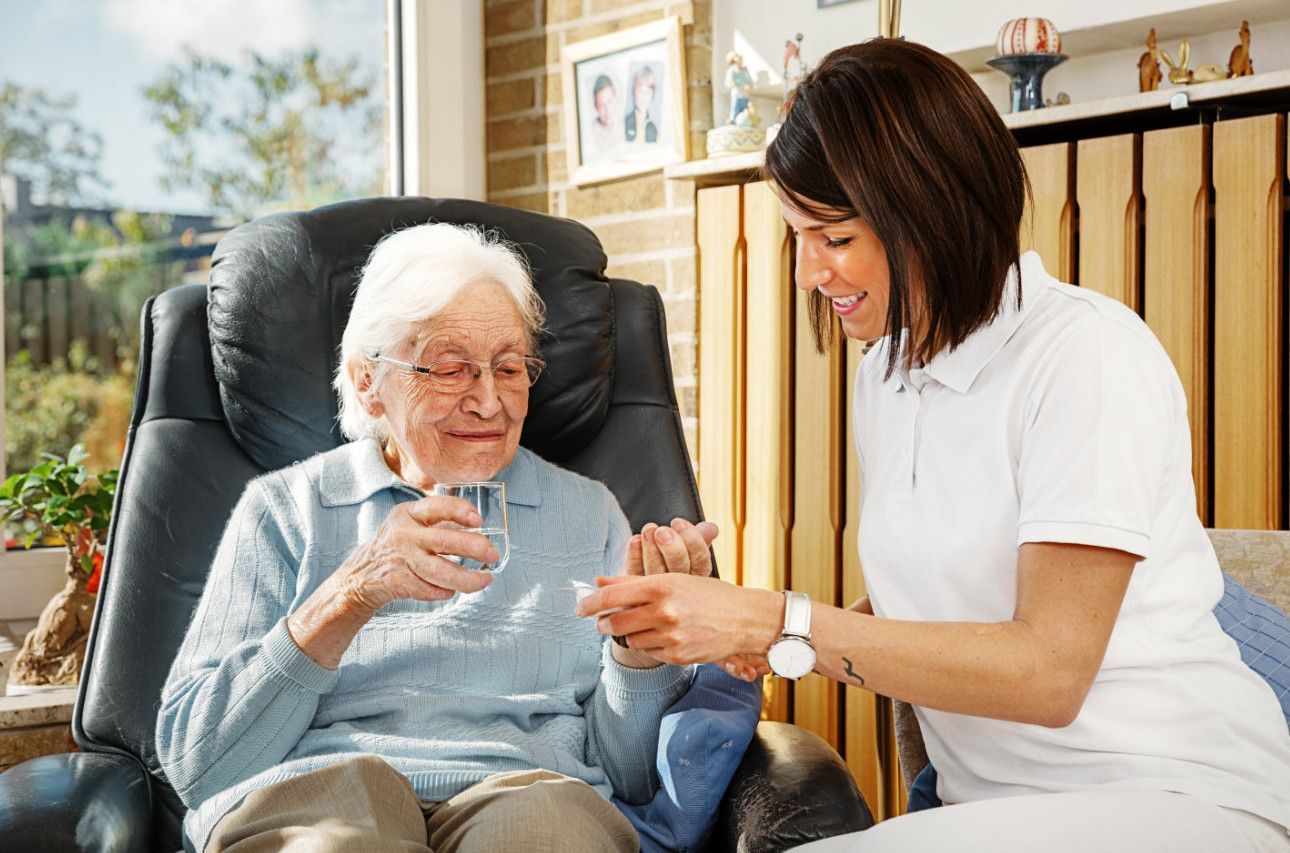
Certified home health aides from 7 Day Home Care are trained to support—not replace—a senior’s ability to function independently. They offer just enough assistance to keep clients safe while encouraging them to do what they can on their own.
For example:
- A senior who struggles with mobility might receive help getting into the shower, but still wash independently.
- A client may need reminders to take medication but manage the rest of their routine with minimal help.
This approach builds confidence and prevents unnecessary dependence.
4. Fall Prevention and Safety Modifications
Preventing the Accidents That Threaten Independence
Falls are one of the leading causes of injury and hospitalization among seniors—and a major reason many are moved into assisted living. Home care services include fall prevention strategies, such as:
- Assessing the home for tripping hazards
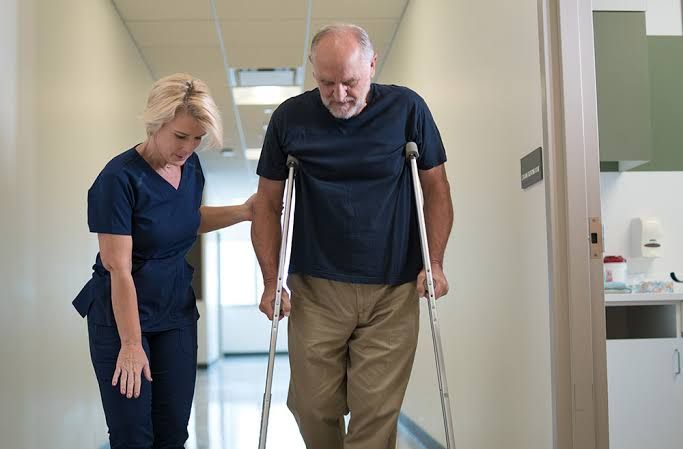
- Installing grab bars and mobility aids
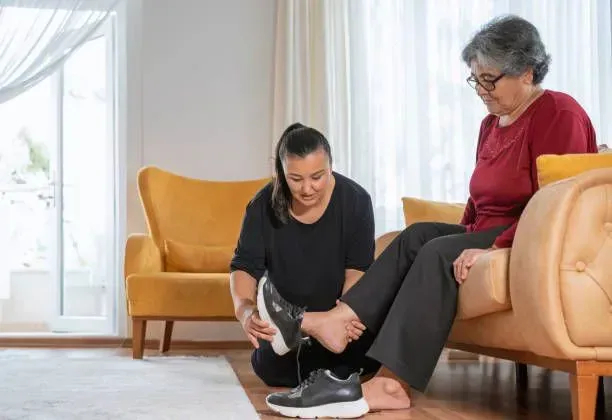
- Monitoring movement and ensuring proper footwear
By reducing the risk of injury, home care helps seniors stay active and mobile longer.
5. Support for Activities of Daily Living (ADLs)
Enhancing Daily Function Without Taking Over
Activities of daily living—such as dressing, grooming, eating, and toileting—are essential for independent living. Home care services provide gentle, respectful support with these tasks when needed.
Seniors often feel more in control when they’re not rushed or judged while doing basic tasks. The presence of a trusted caregiver provides reassurance and allows them to maintain their dignity.
6. Social Engagement and Emotional Well-being
Companionship Promotes Confidence
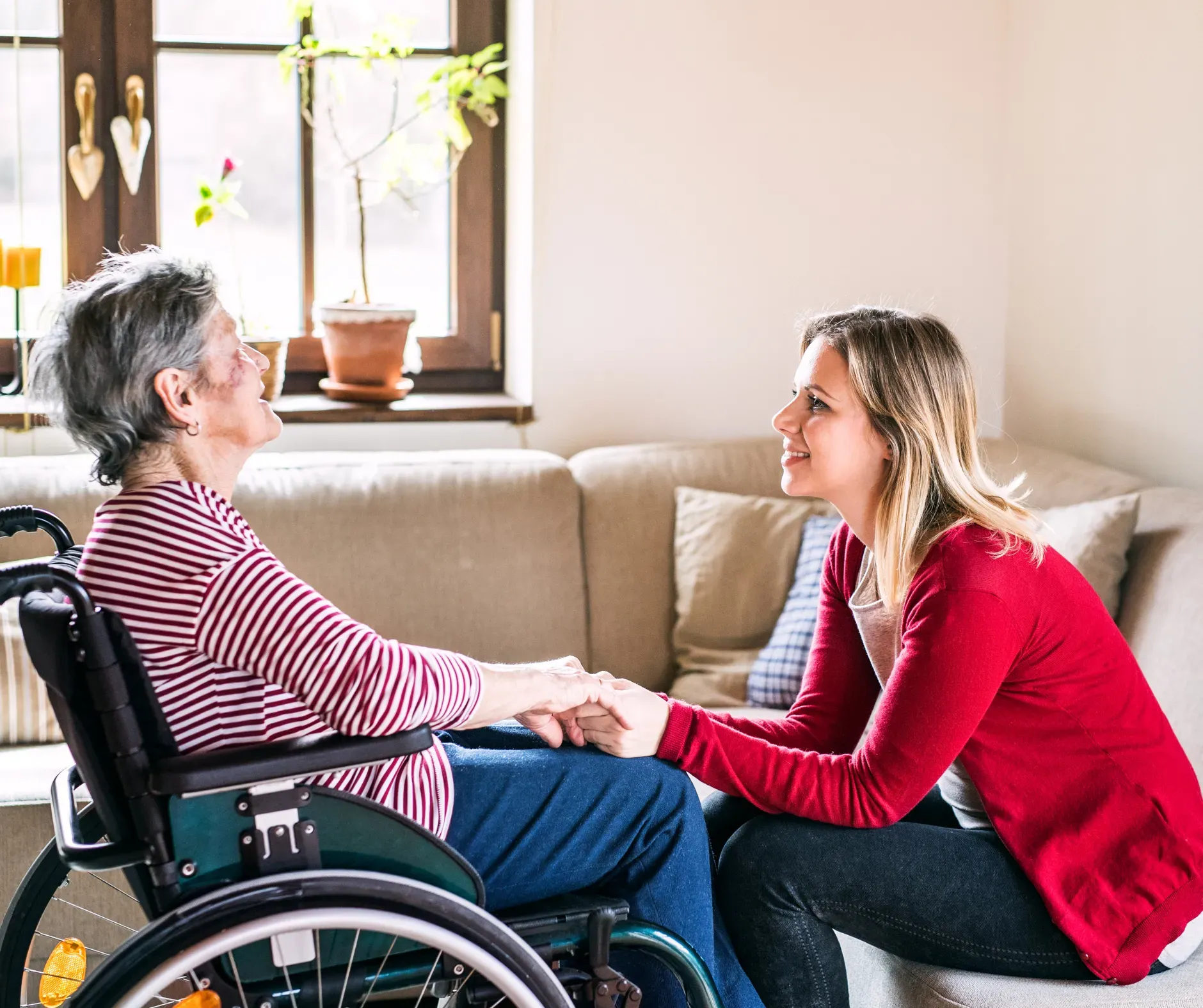
Loneliness and social isolation can take a serious toll on seniors’ mental and emotional health, which in turn affects their motivation and ability to remain independent. A home care provider offers more than just physical help—they also provide companionship, conversation, and encouragement.
Cognitive Stimulation and Interaction
Engaging in meaningful conversations, playing games, or simply going for a walk with a caregiver can improve mood and mental clarity—essential components of a healthy, independent life.
7. Transportation Assistance Keeps Seniors Active
Staying Engaged Outside the Home
Not being able to drive can feel like a loss of freedom for seniors. Home care services often include transportation to appointments, errands, or social activities. This service restores a level of freedom that many seniors miss, keeping them active and socially involved.
Why Families Choose 7 Day Home Care
Expertise and Compassion
Our team of certified home health aides is supervised by registered nurses and trained to deliver care with respect, empathy, and professionalism. We believe in preserving the dignity and independence of every senior we serve.
Flexible Scheduling
Whether you need care for a few hours a week or around-the-clock assistance, 7 Day Home Care offers flexible scheduling to fit your needs and budget.
Approved for Long-Term Care Insurance
We are proud to be an approved provider for long-term care insurance plans including John Hancock, Brighthouse, CNA, New York Life, Genworth, MetLife, and more.
Independence and Support Can Go Hand in Hand
Relying on home care services doesn’t mean giving up independence—it means gaining the support needed to stay strong, safe, and in control. With the right care in place, seniors can thrive in their own homes, continue participating in the activities they love, and maintain a lifestyle that reflects their values.
At 7 Day Home Care, we’re committed to helping seniors throughout New York live independently for as long as possible. If you’re considering in-home care for yourself or a loved one, our team is here to guide you with compassion and expertise.
Contact 7 Day Home Care Today
To learn more about how our home care services can support your loved one’s independence, call us at 516-408-0034 or visit here. Our team is available 24/7 to answer your questions and schedule a free consultation. 7 Day Home Care provides best in-home care services in Manhattan, Queens, Brooklyn, Nassau County, and Suffolk County, New York. To learn more about our top home health aide care services, please call 516-408-0034.
Brian Callahan
7 Day Home Care