The Vital Role of Person-Centered Home Care
The Vital Role of Person-Centered Home Care
Centers for Medicare & Medicaid Services explains "in a value-based health care system, doctors and other health care providers deliver high-quality care using a person-centered care approach. This differs from a traditional fee-for-service system where patients get their health care from multiple, siloed specialists who focus on a specific health issue rather than patients’ comprehensive, long-term needs." More "person-centered care allows patients to make informed decisions about their treatment and well-being. They have a team of primary care providers, specialists, and other health care providers who know them, listen to them, and are accountable for their care. Doctors and other healthcare professionals who provide person-centered care help patients manage their health care by providing tools and services that align with their patients’ preferences and values so they can reach their health goals."
Searching for a Home Care Agency Near Me
that Practices Person-Centered Home Care?
At 7 Day Home Care, we believe that every individual deserves personalized and compassionate care tailored to their unique needs and preferences. Person-centered care lies at the heart of our approach, empowering individuals to maintain their dignity, independence, and well-being. In this article, we'll explore the origins and principles of person-centered care, review what it entails, and highlight how in-home care services provided by 7 Day Home Care in Manhattan, Queens, Brooklyn, and Long Island, New York, embody this philosophy.
Origins of Person-Centered Care
Person-centered care has its roots in the work of psychologist Carl Rogers, who emphasized the importance of empathy, respect, and unconditional positive regard in therapeutic relationships. In the healthcare context, person-centered care gained prominence through the pioneering work of psychiatrist Dr. Tom Kitwood, who applied Rogers' principles to dementia care. Kitwood emphasized the importance of recognizing the personhood of individuals with dementia and providing care that respects their autonomy, dignity, and individuality.
What is Person-Centered Care?
Person-centered care is a holistic approach to caregiving that prioritizes the individual's preferences, needs, and values. It involves viewing the individual as an active participant in their care rather than a passive recipient. Key principles of person-centered care include:
- Respect for Autonomy: Recognizing and honoring the individual's right to make choices and decisions about their care and daily life.
- Individualized Care: Tailoring care plans and interventions to meet the specific needs, preferences, and goals of each individual.
- Collaboration and Communication: Engaging individuals, families, and caregivers in open and honest communication and involving them in care planning and decision-making.
- Empathy and Compassion: Demonstrating empathy, understanding, and compassion towards the individual's feelings, experiences, and perspectives.
- Promoting Independence and Well-Being: Supporting individuals to maintain their independence, dignity, and quality of life to the greatest extent possible.
How In-Home Care Fits into Person-Centered Care
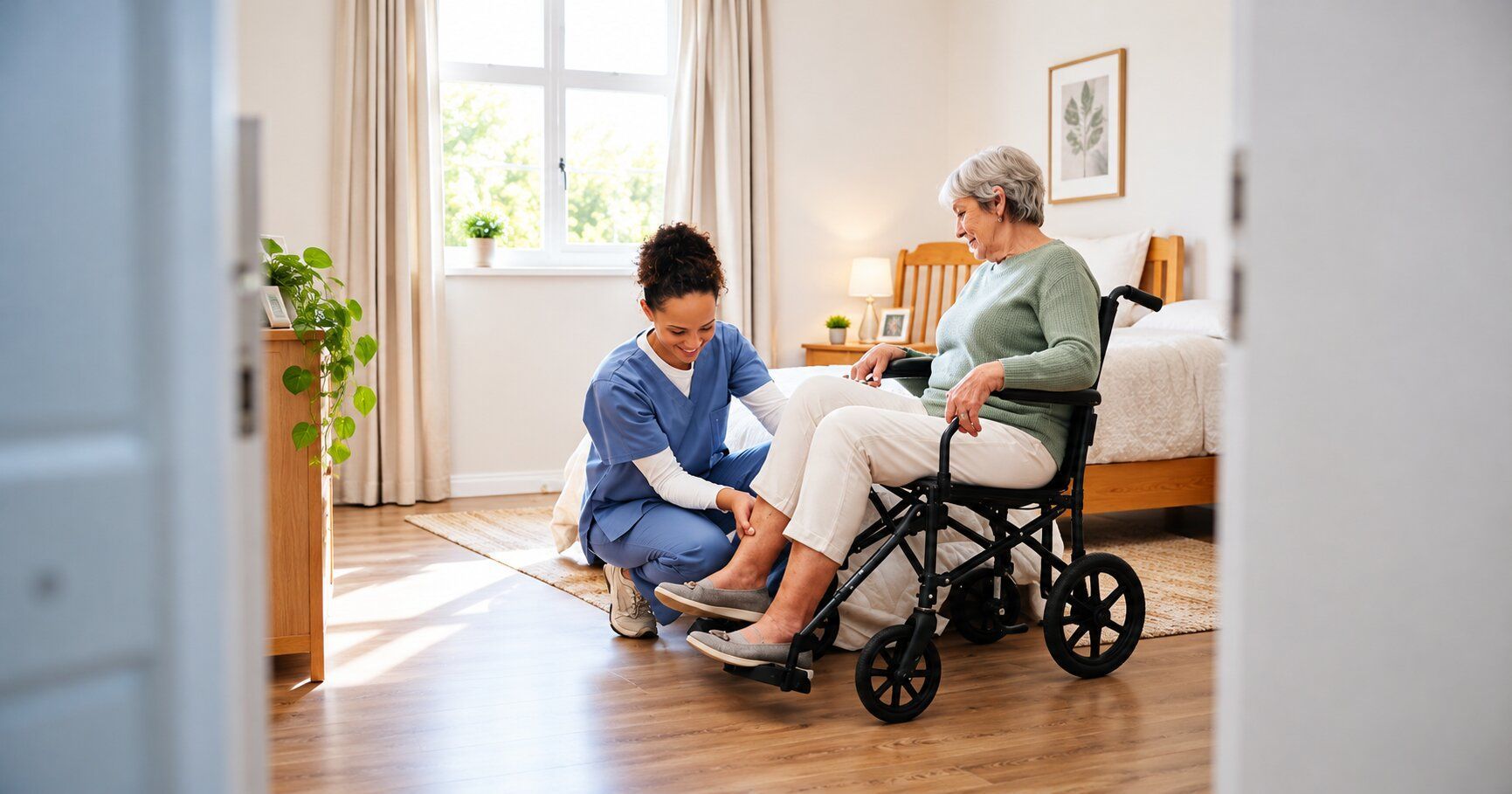
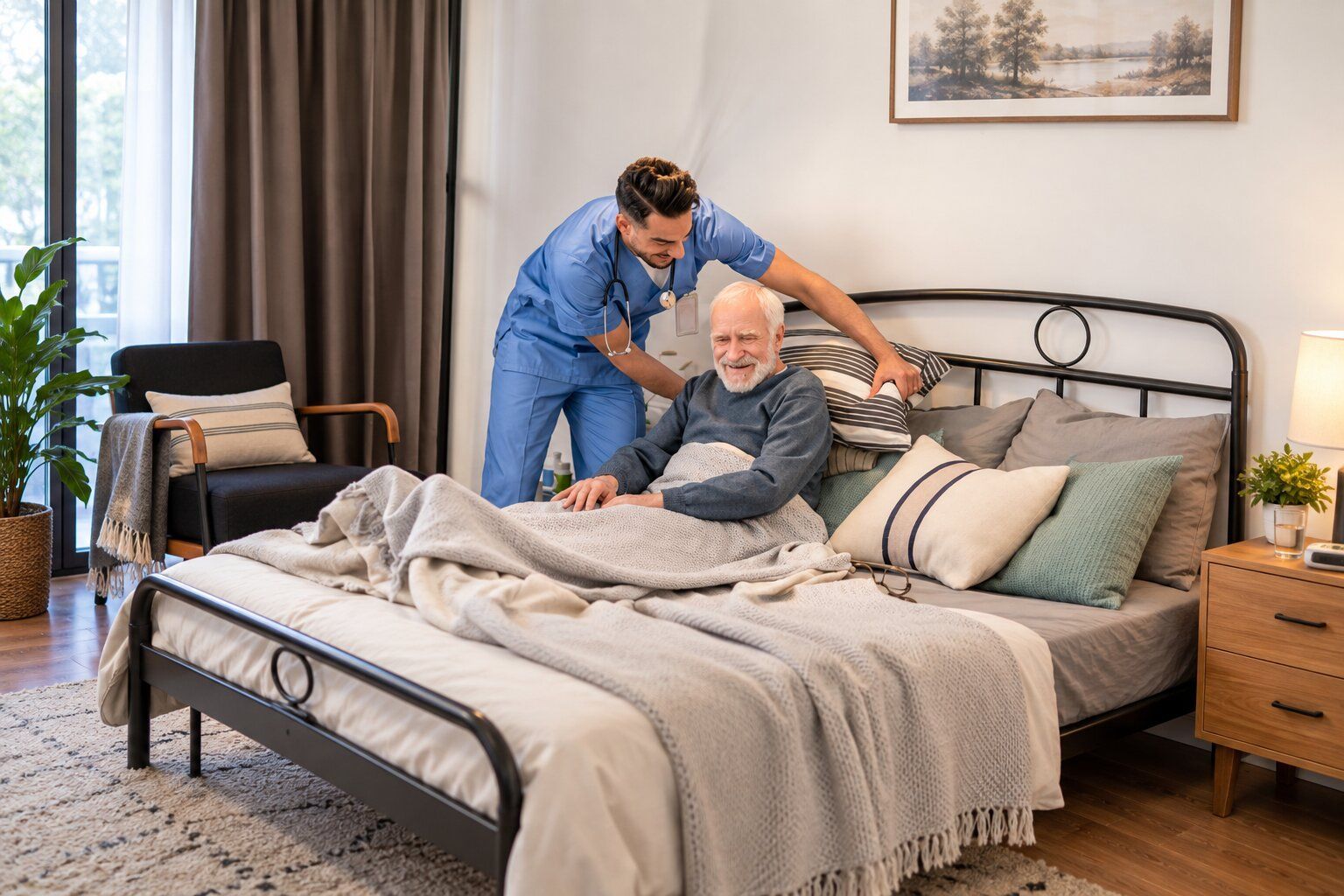
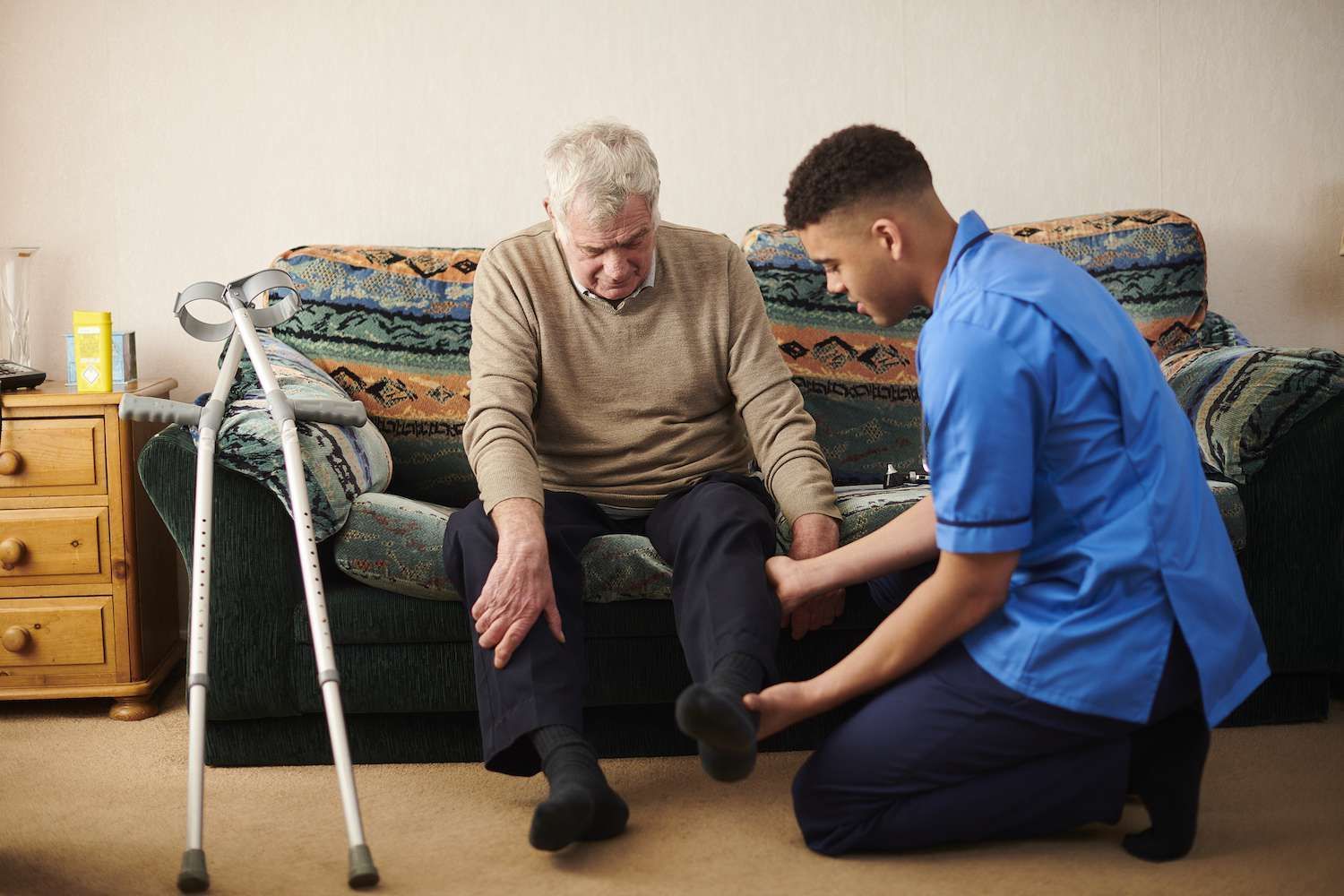
In-home care provided by 7 Day Home Care embodies the principles of person-centered care by focusing on the individual's holistic well-being and promoting independence and choice. Our registered nursing staff and caregivers work closely with each client and their families to develop personalized care plans that address their unique needs, preferences, and goals. Whether it's assistance with activities of daily living, companionship, or specialized care for conditions such as dementia, our caregivers prioritize the individual's comfort, safety, and quality of life.
Aging in Place: A Strong Desire Among Seniors
Studies consistently indicate that a vast majority of older adults wish to age in place, remaining in their own homes as they grow older: According to the AARP, approximately 90% of adults aged 65 and older prefer to age in place. This preference stems from the desire to maintain independence, community connections, and familiar surroundings.
Enhanced Quality of Life and Well-Being Through Person-Centered Care
Extensive research demonstrates the positive impact of person-centered home care on an individual's quality of life and overall well-being. A study published in the Journal of the American Geriatrics Society revealed that person-centered home care recipients reported higher levels of overall well-being, increased social engagement, and reduced rates of hospitalization. The National Institute on Aging conducted research highlighting that person-centered home care led to greater satisfaction and improved psychological well-being among older adults.
Reduced Hospital Readmissions
Person-centered home care plays a crucial role in preventing hospital readmissions, leading to substantial cost savings and improved health outcomes. The Centers for Medicare and Medicaid Services (CMS) reported a significant 25% reduction in hospital readmissions for Medicare beneficiaries receiving person-centered home care. A study published in Health Affairs demonstrated that individuals receiving person-centered home care experienced a remarkable 40% lower rate of hospital admissions compared to those receiving traditional care.
Our Approach to Person-Centered Home Care
At 7 Day Home Care, we understand that each individual is unique, with their own background, preferences, and life experiences. Our caregivers take the time to build meaningful relationships with clients, getting to know them on a personal level and fostering trust and rapport. We involve clients and their families in care planning and decision-making, ensuring that their voices are heard and their preferences are respected every step of the way.
In addition to meeting the physical needs of our clients, we also prioritize their emotional and social well-being. Our caregivers provide companionship, engage clients in meaningful activities, and create a supportive and nurturing environment where individuals feel valued and empowered. By promoting independence and autonomy, we empower our clients to live life on their own terms, maintaining their dignity and sense of identity.
Person-centered home care is vital for enhancing the well-being of individuals receiving care, allowing them to maintain their dignity, independence, and quality of life. At 7 Day Home Care, we are committed to providing person-centered care that honors the individuality and autonomy of each client. Through personalized care plans, compassionate caregivers, and a focus on holistic well-being, we strive to empower our clients to live life to the fullest. To learn more about our person-centered home care services in Manhattan, Queens, Brooklyn, and Long Island, New York, please contact us at 516-408-0034 or visit our website at 7 Day Home Care.
Brian Callahan
7 Day Home Care